
Introduction to National Taiwan University of Science and Technology (NTUST)
Discover the pioneering institution shaping Taiwan’s future in science and technology
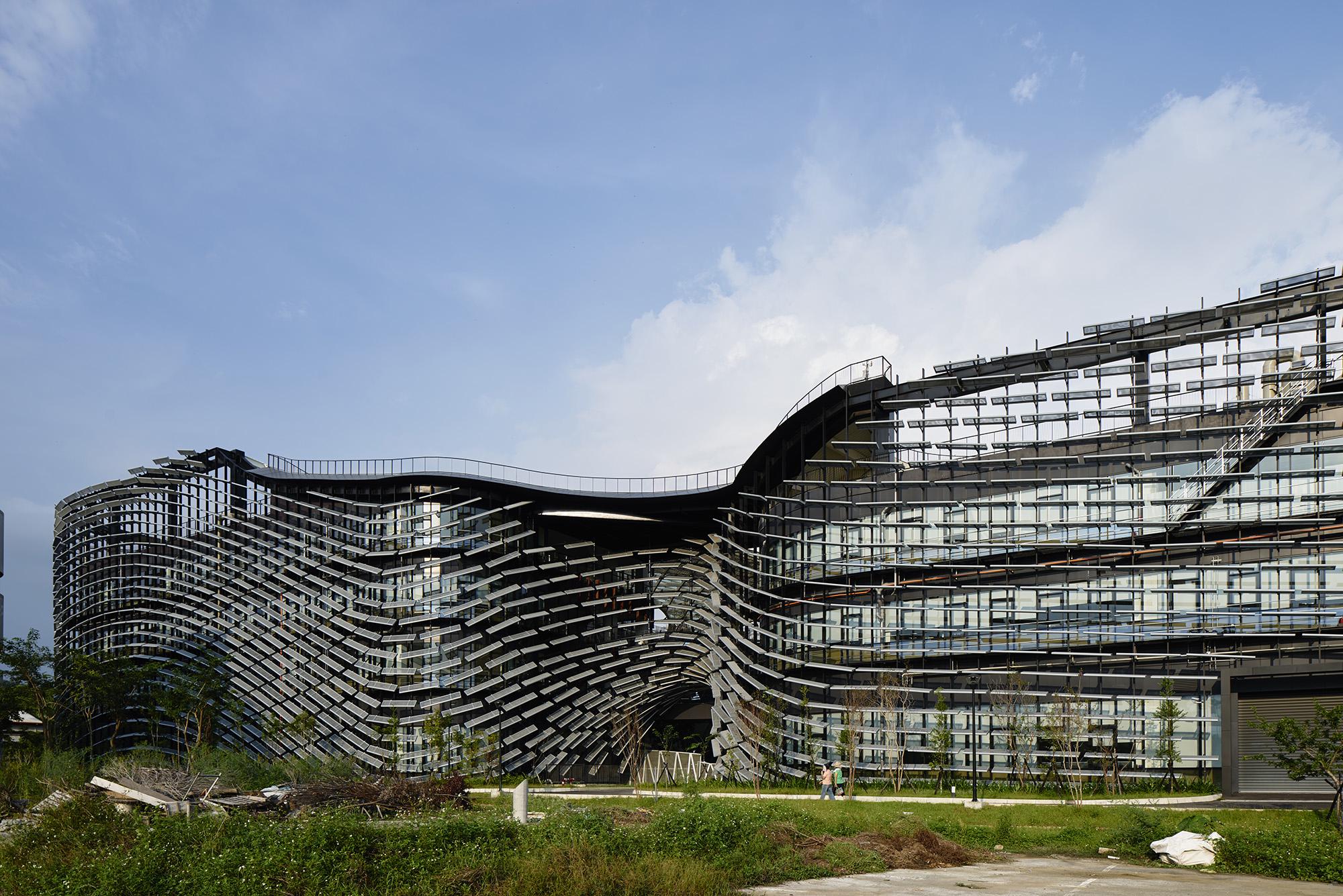
Highlights
- Rich Historical Roots: NTUST began as Taiwan’s first technical institute and evolved into a leading technological university.
- Innovative Education: With a strong emphasis on practical, hands-on learning and industry collaboration, NTUST equips its students for global challenges.
- International and Regional Recognition: The university consistently ranks among Asia’s top institutions, reflecting its excellence in engineering, technology, and design.
Comprehensive Overview of NTUST
National Taiwan University of Science and Technology (NTUST), widely known as Taiwan Tech, represents a cornerstone of technical and vocational education in Taiwan. Located in the heart of Taipei City, NTUST seamlessly integrates a vibrant urban atmosphere with world-class facilities and a progressive academic framework. As one of the top institutions in Asia specializing in science, engineering, and technology, NTUST has become synonymous with practical education, innovative research, and international collaboration.
Historical Evolution of NTUST
Early Beginnings and Establishment
NTUST was established in 1974, marking Taiwan’s inaugural step toward fostering technical and vocational education at the higher education level. Initially founded as the National Taiwan Institute of Technology, the institution was created to meet the country’s growing demand for industry-ready professionals. This initiation into technical education laid a robust foundation for a dynamic institution designed to impart both theoretical and practical skills.
The original institute concentrated on technical disciplines critical to Taiwan’s emerging industrial landscape. Emphasizing hands-on training, NTUST enabled students to learn directly through practical engagement with industry-standard equipment and technologies. This approach was instrumental in nurturing a generation of engineers, managers, and innovators capable of contributing tangibly to Taiwan’s economic development.
Transition to University Status
In 1997, reflecting its expanded academic offerings and the evolution of its educational philosophy, the National Taiwan Institute of Technology was upgraded to university status and rebranded as the National Taiwan University of Science and Technology. This transition was not merely nominal—it signified a broader commitment to research, innovation, and academic excellence. The new status allowed NTUST to broaden its curriculum and cater to a diverse student body including both domestic and international students.
Over the years, this transformation enabled NTUST to expand its range of programs across various disciplines, while maintaining its core strength in engineering and technology education. The upgrade also facilitated deeper collaborations with industry leaders and international institutions, reinforcing its reputation as an institution where academic theory meets practical application.
Academic Structure and Programs
Colleges and Departments
NTUST’s academic structure is comprehensive and designed to provide specialized education in fields critical to technological advancements and industrial growth. The university operates through several colleges including:
- College of Engineering
- College of Electrical Engineering and Computer Science
- School of Management
- College of Design
- College of Liberal Arts and Social Sciences
- College of Intellectual Property Studies
- Honors College
Each college offers a blend of undergraduate and graduate programs designed to instill deep technical knowledge as well as management and design acumen. The curricula are continuously updated in response to the latest technological trends and industry needs. This allows NTUST students to gain access to state-of-the-art knowledge and learn methodologies that are widely applicable in cutting-edge fields.
Student Demographics and Diversity
As of the most recent enrollment figures, NTUST is home to a diverse community of approximately 11,672 students, including 5,593 undergraduates and 6,079 graduate students. Importantly, the university celebrates an international community with nearly 18% of the student body coming from abroad. This diversity enriches the campus culture, providing a melting pot of ideas and global perspectives that enhance the academic environment.
Gender balance has also been a focal point, with the institution continually striving to improve statistics in traditionally underrepresented groups, thereby fostering an inclusive campus environment. This diversity is crucial for promoting a collaborative culture that mirrors the realities of today’s globalized industries.
Integration of Industry and Academia
Industry Connections and Applied Research
One of NTUST’s most notable strengths is its robust collaboration with industry, making it an ideal environment for applied research and innovation. Through partnerships with leading local and international companies, NTUST consistently integrates real-world challenges into its curriculum. The emphasis on practical learning not only allows students to work on cutting-edge projects but also ensures that research initiatives are aligned with current market demands.
The university has established platforms that encourage technology integration, ranging from intelligent green building technology to creative design innovation. Such initiatives provide students with unique opportunities to gain experience in addressing complex industrial problems, thereby enhancing their employability. The applied research conducted at NTUST often leads to breakthroughs that have both academic and commercial significance.
Global Recognition and Rankings
NTUST’s reputation extends not only across Taiwan but also throughout Asia and the global educational arena. It has consistently been ranked among the top technical and vocational institutions, with its QS World University Ranking and Times Higher Education (THE) assessments underscoring its prominence. Specifically, NTUST has achieved rankings that position it as a leading institution in the fields of engineering and technology.
These rankings reflect not only the quality of its academic programs and research output but also the evolving nature of technical education that NTUST represents—a blend of innovative research, international collaboration, and a hands-on approach to education.
Campus Life and Facilities
Location and Campus Environment
Situated in the bustling urban environment of Taipei City, NTUST offers its students an environment that is both dynamic and resource-rich. The main campus, along with several satellite campuses, is strategically located to provide easy access to the cultural and professional opportunities that Taipei has to offer.
The university features modern facilities designed to support both academic and extracurricular pursuits. These include state-of-the-art laboratories, research centers, and collaborative spaces that are equipped with the latest technology. The campus also provides a wide range of services such as sports centers, health services, cafés, shops, and on-campus housing which contribute to a comprehensive student experience.
Table: Snapshot of NTUST Academic and Student Data
| Category | Data |
|---|---|
| Founded | 1974 |
| University Status Upgrade | 1997 |
| Undergraduate Enrollment | 5,593 |
| Graduate Enrollment | 6,079 |
| Total Student Population | 11,672 |
| International Student Percentage | ~18% |
| Key Colleges | 7 (Engineering, Electrical Engineering and Computer Science, Management, Design, Liberal Arts and Social Sciences, Intellectual Property Studies, Honors) |
| Global Rankings | QS World Ranking: 392; THE Global Employability: 82nd |
Pioneering Innovations and Future Trajectories
Innovation Through Research and Collaboration
NTUST has anchored its reputation on a blend of cutting-edge research and strong industry ties. With dedicated research centers focused on areas like intelligent systems, green technologies, and digital innovations, the university is continually pushing the envelope of what is possible in applied sciences. Students and faculty collaborate closely with industry partners on projects that often result in tangible advancements in technology. This synergy of academia and industry ensures that the research conducted at NTUST is not only groundbreaking but also directly applicable in real-world scenarios.
The university encourages a culture where innovation is the driving force behind learning. By investing in projects that challenge conventional methodologies, NTUST has established itself as a leader in technological innovation. This commitment to research excellence is reflected in its consistent rankings and reputation in both domestic and international arenas.
Sustainability and Social Responsibility
Another key area of focus at NTUST is its commitment to sustainability and social responsibility. The university has integrated Environmental, Social, and Governance (ESG) principles into its academic and research activities. Through initiatives that emphasize sustainable development, NTUST not only prepares its students for the technical challenges of the modern world but also instills a sense of responsibility towards global environmental and social issues.
The participation in University Social Responsibility (USR) programs highlights the institution’s dedication to addressing public challenges. These initiatives often involve collaborative community projects, innovative green technologies, and research that is directly oriented toward social impact. By engaging in projects that promote sustainability, NTUST showcases a forward-thinking approach that is essential in today’s interconnected world.
Global Engagement and International Collaboration
NTUST has succeeded in carving out a significant international presence, largely due to its proactive approach in engaging with global academic and industrial leaders. The university attracts an impressive number of international scholars and students, contributing to a diverse and vibrant educational atmosphere. This influx of global talent not only strengthens academic discourse but also fosters meaningful cultural exchange.
The institution’s partnerships with foreign universities and multinational corporations have created multiple avenues for joint research, student exchange, and collaborative projects. By embracing internationalization, NTUST ensures its curriculum and research initiatives remain competitive and aligned with global standards. This international outlook further bolsters its status as a hub for innovation and practical learning.
NTUST in the Wider Educational Landscape
Benchmarking Against Global Standards
NTUST's achievements in various international rankings are a testament to its commitment to academic excellence. With consistent performance in global assessments such as the QS World University Rankings and the THE Global Employability Rankings, the university not only demonstrates the quality of its teaching but also its focus on student outcomes. Graduates benefit from a curriculum that is continually refined through rigorous benchmarking against global standards.
The combination of academic innovation, extensive industry collaboration, and an inclusive campus environment has positioned NTUST as an institution that is well-prepared for the future challenges of the technological era. In doing so, it bridges the gap between theoretical knowledge and practical application, ensuring that its graduates are highly competitive in a global job market.
Interactive Learning Platforms and Technology Integration
At NTUST, technology is woven into the fabric of its learning environment. The university leverages advanced digital tools and interactive platforms that provide students with an immersive educational experience. Whether it is through lab-based research, online collaborative projects, or simulation-based learning modules, NTUST ensures that every student engages with modern technology from the onset of their academic journey.
This seamless technology integration reinforces the university's commitment to progressive learning methodologies while also preparing students to adapt quickly to the rapidly changing landscape of scientific research and development.
Conclusion and Final Thoughts
In summary, the National Taiwan University of Science and Technology (NTUST) stands out as a premier institution with a storied history and a forward-looking vision. From its inception as Taiwan’s first technical institute in 1974 to its elevation as a full-fledged university in 1997, NTUST has continuously evolved and adapted to the demands of a globalized, technologically advanced world.
The university’s integrated academic structure, with a focus on engineering, technology, design, and management, has fostered an environment where practical learning and theoretical insights converge. The strong industry collaborations and applied research initiatives not only contribute to groundbreaking innovations but also ensure that NTUST graduates are well-equipped to excel in their respective fields.
With state-of-the-art facilities, a dynamic campus life in Taipei, and a commitment to sustainability and social responsibility, NTUST offers its students a comprehensive educational experience. Its international recognition and continuous efforts to integrate modern pedagogy and technological advancements position it as a beacon for those seeking a transformative education that is both globally relevant and deeply rooted in practical application.
Ultimately, NTUST remains dedicated to nurturing high-caliber professionals who can lead and innovate in diverse fields. Its evolution over the past decades not only highlights its robust academic foundation but also underscores its commitment to shaping the future of technical and vocational education on a global scale.
References
- Brief History - National Taiwan University of Science and Technology
- National Taiwan University of Science and Technology
- National Taiwan University of Science and Technology (Taiwan Tech)
- National Taiwan University of Science and Technology - Wikipedia
- Taiwan Tech rises in 2025 THE World University Rankings
- Taiwan Tech rises 8 Spots in 2025 QS Asia University Rankings
- THE 2025 Global Employability University Ranking: Taiwan Tech Ranks 82nd Globally
Recommended Queries for Further Exploration
Last updated February 24, 2025