
National Taiwan University of Science and Technology
A Comprehensive Overview of History and Campus for International Students
Highlights
- Rich Historical Legacy: Established in 1974, NTUST has evolved from a pioneer technical institute into a leading university with a diverse academic structure.
- Extensive Multi-Campus System: The university operates several campuses across Taipei and New Taipei City, offering modern facilities and an accessible urban setting.
- Global Integration & Applied Research: With strong industry collaborations, international partnerships, and cutting-edge technology, NTUST provides a dynamic learning environment for students worldwide.
Introduction
National Taiwan University of Science and Technology, commonly known as Taiwan Tech, stands as a beacon of technological education and innovation within Taiwan. Founded in the mid-1970s, its evolution reflects not only the rapid industrial development of Taiwan but also the institution’s adaptability and dedication to delivering a curriculum that emphasizes both theoretical foundations and practical applications. For international students seeking a blend of technical expertise, state-of-the-art facilities, and culturally rich urban experiences, NTUST presents a compelling choice.
Historical Background
The journey of National Taiwan University of Science and Technology began on August 1, 1974, when it was first established as the National Taiwan Institute of Technology. This initial phase was characterized by the university’s focus on meeting the demands of Taiwan's quickly expanding industrial sector. Created as a technical and vocational institution, NTUST was at the forefront of training highly skilled engineers and technical managers to support the country’s economic boom.
Early Years and Institutional Growth
In its infancy, the institute launched with core departments which included Industrial Management, Electronic Engineering, Mechanical Engineering, and Textile Engineering. These departments were designed to provide practical education that directly addressed the industrial needs of the time. As Taiwan's economy grew, so too did the institute’s academic offerings. During the subsequent years, additional departments emerged, such as Construction Engineering in 1975 and Chemical Engineering and Electrical Engineering in 1976. This expansion was a direct response to the increasing complexity and diversification of the industrial landscape.
Advancement to University Status
The pivotal transformation occurred on August 1, 1997, when the National Taiwan Institute of Technology was officially elevated to a full-fledged university and rebranded as National Taiwan University of Science and Technology. This upgrade marked a significant milestone in the institution’s history, signaling its readiness to engage in higher-level research, offer advanced degree programs, and foster innovation on a global scale. The enhanced status also reflected the university's commitment to merging traditional technical education with contemporary developments in technology and management.
Focus on Applied Research and Industry Collaboration
From its inception, NTUST has continually placed a strong emphasis on aplicada research and the incorporation of practical experience into its curriculum. The institution’s goal of nurturing talent that could directly contribute to both industry and academia has led to the development of various initiatives such as industry-university cooperative research and technology licensing centers. These efforts have not only fostered closer ties with the industrial sector but have also propelled NTUST into international rankings as a leading technical university.
Over the years, NTUST has gained a robust reputation for its commitment to applied research and has become an incubator for innovative projects in areas such as smart and green technology, digital design, and creative management. Its collaboration with industries has enabled students and faculty alike to contribute directly to solving real-world problems, turning theoretical knowledge into actionable solutions.
Campus Overview
The campus system of National Taiwan University of Science and Technology has grown to meet the demands of its diverse programs and the increasing number of students. Today, NTUST is home to multiple campuses strategically located in urban centers, primarily in Taipei City and New Taipei City. This multi-campus arrangement allows the university to offer an optimal balance between historical legacy, cutting-edge educational facilities, and modern urban conveniences.
Campus Locations and Composition
The university now operates five campuses. The flagship is located in Taipei’s Daan District, specifically at the Gongguan Campus. This main campus is widely recognized for its accessibility, well-designed infrastructure, and vibrant campus life. In addition to the main campus, there are branch campuses at Tu-Cheng, Keelung, and Chupei, alongside a campus acquired in 2023 known as the Huaxia Campus located in Zhonghe District, New Taipei City.
Layout and Facilities
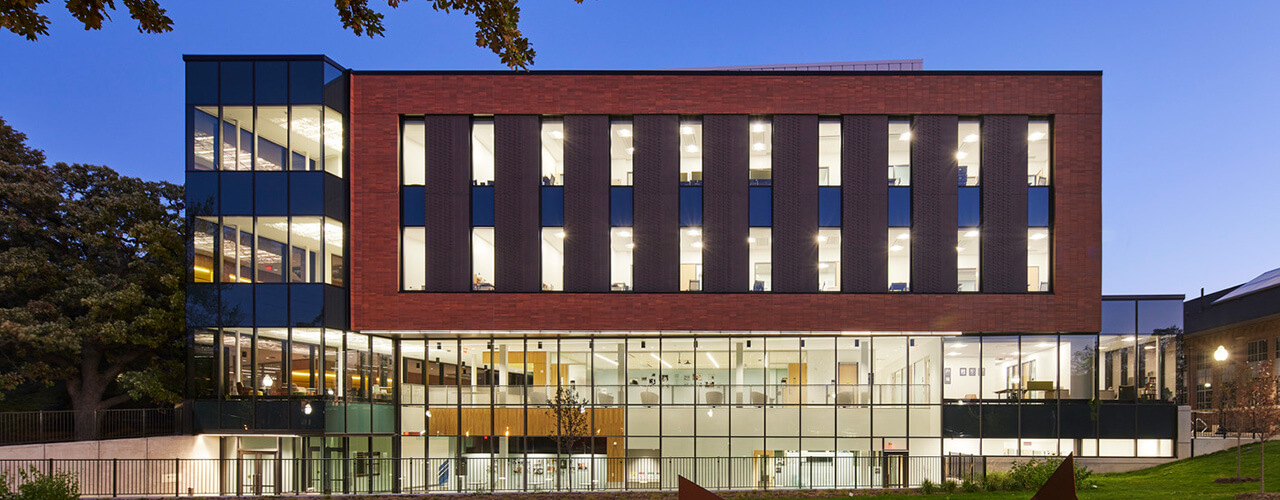
The main Gongguan Campus sprawls over an area of approximately 10 hectares (about 25 acres) and is situated in a dynamic area thriving with academic and cultural energy. The campus is designed to support a wide range of functions including classrooms, laboratories, libraries, student centers, and specialized research facilities. Furthermore, the campus is lauded for its seamless integration into Taipei’s public transport network, making commuting convenient and efficient for both local and international students.
The comprehensive design of these campuses reflects NTUST’s commitment to providing state-of-the-art facilities that are tailored to a diverse array of academic disciplines. Whether it is through advanced laboratory spaces for engineering research, collaborative workspaces for creative design, or well-equipped lecture halls, the campuses are structured to foster an environment that emphasizes innovation, research, and a high-quality student experience.
Academic Structure and Campus Integration
NTUST’s academic structure is seamlessly integrated into its campus framework, with each campus housing specific colleges and departments that contribute to the overall interdisciplinary environment of the university. The institution comprises seven core academic divisions:
- College of Engineering
- College of Electrical Engineering and Computer Science
- School of Management
- College of Design
- College of Liberal Arts and Social Sciences
- College of Applied Sciences
- College of Industry-Academia Innovation (or related variations depending on the campus)
This integrated academic structure enables a cross-disciplinary approach where students can benefit from attendance at a campus that supports not only their major but also an array of supplementary fields. This structure promotes collaboration across departments, encouraging robust work on innovative projects which span multiple areas of study.
Table: Overview of NTUST Campuses
| Campus | Location | Area (hectares) | Key Features |
|---|---|---|---|
| Main (Gongguan) | Daan District, Taipei City | 10 | Central academic facilities, research labs, student centers |
| Tu-Cheng | Taipei Region | Varies within overall 29.44 hectares | Supplementary academic and administrative buildings |
| Keelung | Keelung City | Allocation within combined campus area | Specialized programs and research initiatives |
| Chupei | Area in Taipei/New Taipei | Allocation within combined campus area | Laboratories and collaborative research hubs |
| Huaxia | Zhonghe District, New Taipei City | Recent addition, area varies | Enhanced facilities post-acquisition of Hwa Hsia University campus |
NTUST's Commitment to International Students
International students form a significant and vibrant part of the NTUST community, embodying the university’s drive to foster a truly global academic environment. The institution actively seeks to recruit a diverse student body by offering various support programs, scholarships, and courses in English which facilitate a smooth transition for students coming from abroad.
Bilingual Education and Global Partnerships
Recognizing the importance of global integration, NTUST promotes bilingual education initiatives through courses taught in English as well as Mandarin. With a growing number of faculty recognized for their excellence in delivering EMI (English as a Medium of Instruction) courses, international students benefit from a learning environment that is both accessible and academically rigorous.
Beyond the classroom, NTUST actively establishes international partnerships and exchange programs, allowing students to gain exposure to different cultural and academic perspectives. These initiatives not only enhance academic competence but also enable students to develop networks that extend globally, offering vital career opportunities in an increasingly interconnected world.
Student Life and Campus Integration
Campus life at NTUST is designed to be inclusive and integrative. International students enjoy vibrant community activities and student organizations that cater to a range of interests—from academic clubs to cultural festivals. Such activities facilitate smoother social integration and serve as a platform for intercultural exchange.
The modern facilities across the campuses include dedicated student centers, recreational areas, and dining services that respect a variety of cultural tastes. The urban settings of both Taipei and New Taipei City further enrich the student experience by providing a backdrop of bustling city life with a mix of traditional Taiwanese culture.
Academic Excellence and Technological Advancements
NTUST’s multilayered academic programs have been strategically designed to respond to the evolving demands of technology and industry. This institution is celebrated not just for its historical significance, but for its ongoing commitment to academic excellence, innovative research, and practical training. With state-of-the-art laboratories, dedicated research centers, and close industry ties, NTUST empowers its students to excel in fields such as electrical and computer engineering, mechanical and chemical engineering, industrial management, and creative design.
Research and Industry Collaboration
One of the pillars of NTUST’s success is its continuous engagement with industries both locally and internationally. Faculty and students collaborate on projects that have a direct impact on technological advancements and industrial improvements. The university’s industry-university cooperative research initiatives ensure that research breakthroughs at NTUST are translated into tangible industrial applications, thus supporting technology licensing and fostering entrepreneurial ventures.
Such collaborations are underpinned by a philosophy that believes in the integration of theoretical knowledge and practical application. By providing a platform for innovation and real-world testing, NTUST not only advances technology but also equips its graduates with the skill set required to meet the challenges of modern industries.
Interdisciplinary Approach and Modern Curricula
The academic framework at NTUST breaks traditional disciplinary silos by promoting interdisciplinary research and learning. Given the complex nature of contemporary challenges, courses are designed to encourage collaboration across different fields, enhancing both creativity and problem-solving skills. The problem-based learning approach helps in developing critical thinking abilities, where students work on projects rooted in real-world challenges, often in close collaboration with industry partners.
International Recognition and Future Prospects
Over the years, NTUST has steadily built an international reputation as an institution of high academic standards and innovative research. The university’s ranking in global indices reflects its commitment to excellence, and its continuous efforts to integrate with the international research and industrial communities have ensured that NTUST remains at the forefront of technological education.
Strategic Milestones and Future Directions
The sustained development of NTUST is evident in its strategic initiatives and forward-looking approach. From acquiring additional campus properties to enhancing its research infrastructure, every decision is geared toward maintaining its role as a leader in technical education. Future plans include further expansion of academic programs, securing more international partnerships, and investing in research that spans emerging fields such as artificial intelligence, green technology, and smart infrastructure.
As the landscape of higher education evolves with rapid technological advancements, NTUST is poised to continuously adapt its curriculum and research priorities. This dynamic evolution promises not only an enriched academic environment but also significant global contributions in technological innovation and sustainable development.
Integration of Modern Technology in Education
NTUST is also renowned for incorporating modern technology into teaching methodologies. Classrooms feature interactive learning systems, virtual labs, and collaborative platforms to facilitate a more engaging educational experience. International students often comment on how well NTUST balances traditional education values with modern technological tools, ensuring an education that is both comprehensive and contemporary.
Student Support and Community Engagement
Beyond academics and research, NTUST places a significant emphasis on student support and community engagement. The university understands the unique challenges international students face, and as such, specialized support services have been instituted. These include orientation programs, language assistance, counseling services, and career development workshops.
Orientation and Mentorship Programs
Recognizing the importance of a smooth transition into a new academic and cultural environment, NTUST has established comprehensive orientation programs specifically targeted at international students. These programs provide essential information about campus facilities, academic expectations, cultural norms, and local community life. In addition, mentorship programs connect new students with senior peers and faculty members, offering guidance that is both academic and personal.
Community and Cultural Festivals
To complement academic learning with social and cultural integration, the university organizes several events and festivals throughout the year. These events celebrate Taiwan’s rich cultural heritage and encourage participation from all segments of the student body. By engaging in these activities, international students can experience the local culture firsthand, forming lasting bonds and creating networks that extend well beyond their academic tenure.
The active involvement of student organizations in organizing cultural, recreational, and academic events contributes significantly to a sense of community. This holistic approach makes NTUST not just a center of learning, but also a vibrant community where students can thrive both academically and socially.
Detailed Campus Facilities and Infrastructure
The infrastructure of NTUST is designed to provide an excellent balance between traditional values of technical education and modern amenities. Each campus is equipped with advanced teaching facilities, from digital libraries and multimedia classrooms to cutting-edge laboratories that support research in robotics, AI, green technology, and more. These facilities are maintained with a continuous focus on ensuring that students have access to the latest technological tools and research equipment.
Modern Laboratories and Research Centers
One of the major draws for NTUST is its strong focus on research and development. The university’s state-of-the-art laboratories serve as experimental hubs where theoretical principles are tested against practical challenges. These research centers are often supported by partnerships with industry leaders, enabling students to work on projects that have real-world implications. Through these labs, international students have the opportunity to contribute to groundbreaking innovations in diverse fields.
Technological Integration in Campus Services
NTUST’s commitment to technological advancements extends beyond the classroom and research domains. The university employs modern IT infrastructure to streamline everything from attendance systems to digital student services. These include online course management platforms, virtual libraries, and interactive campus maps, which collectively enhance the overall experience for international students.
The integration of technology into campus operations ensures that academic processes are smooth, which is particularly beneficial for students who are adapting to a new educational system. Such digital initiatives are continuously updated to keep pace with innovation, ensuring that NTUST remains at the edge of modern educational practices.
Conclusion and Final Thoughts
In summary, National Taiwan University of Science and Technology (Taiwan Tech) presents a rich tapestry of history, innovative education, and modern campus life. From its humble beginnings as a vital technical institute established to meet Taiwan’s industrial needs, NTUST has grown into a multifaceted university that seamlessly blends traditional academic excellence with modern technological integration. The university’s multi-campus system provides a rich academic environment, accompanied by robust support services and vibrant community engagement, ensuring that international students are well-prepared to excel in both academic and professional arenas.
Whether you are drawn to its state-of-the-art research facilities, its commitment to bilingual and globally integrated education, or the dynamic urban campus environment, NTUST offers an unparalleled experience. It stands as a testament to how educational institutions can evolve with industrial and technological advancements while still nurturing a supportive community and emphasizing global best practices. As you consider advancing your studies in an environment that champions both academic rigor and innovation, NTUST beckons as a gateway to exciting opportunities and lifelong connections.
References
- National Taiwan University of Science and Technology - Wikipedia
- Brief History - National Taiwan University of Science and Technology
- National Taiwan University of Science and Technology
- Top Universities Profile
- THE World University Rankings - NTUST
Recommended Queries
Last updated February 24, 2025