
Exploring the National Taiwan University of Science and Technology Campus
An In-Depth Guide for International Students on NTUST’s History and Campus Facilities
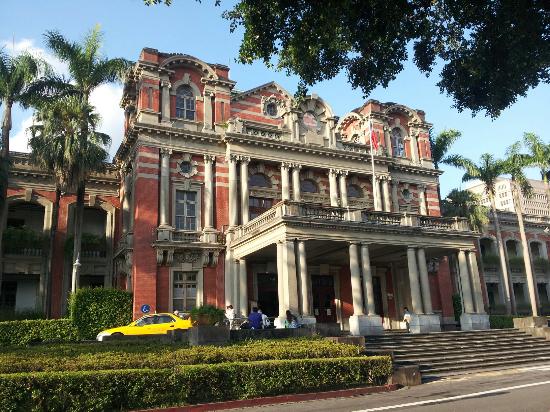
Highlights
- Rich History: Established as the first technical and vocational higher education institution in Taiwan.
- Comprehensive Campus Facilities: Multiple campuses with modern research centers, libraries, and academic buildings.
- Global Vision: A focus on international applied research and industry-academia collaboration.
Introduction
For international students eager to explore a blend of tradition, innovation, and academic excellence, the National Taiwan University of Science and Technology (NTUST), also known as Taiwan Tech, offers an enriching experience in one of Asia’s most dynamic cities – Taipei. This comprehensive guide details the history, evolution, and campus infrastructure of NTUST, providing a deep dive into the institution’s academic evolution, state-of-the-art facilities, and student life. As you embark on this exploration, you will discover why NTUST is recognized as a pioneering hub for technical education in Taiwan and how its campus layout and history contribute to its prestigious reputation.
Historical Background
Foundation and Early Years
Founded on August 1, 1974, NTUST originally began its journey as the National Taiwan Institute of Technology (NTIT). The institution was created as a response to Taiwan’s growing need for advanced technical and vocational education. It was the first institution of its kind in the country, designed to bridge the gap between theoretical learning and practical industry needs. This inception was pivotal in laying the groundwork for a technical education revolution in Taiwan.
The early years of NTIT were marked by rapid development and an unwavering commitment to providing quality education in areas critical to industrial innovation. The institute emphasized practical skill-building and real-world application, which set it apart from many traditional universities of its time. This pragmatic approach not only positioned NTIT as an important educational institution but also laid a robust foundation for Taiwan’s burgeoning high-tech industries.
Transformation to University Status
On August 1, 1997, in recognition of its substantial contributions and growing scale of academic programs, NTIT was upgraded to university status. This milestone marked a significant evolution as the institution was renamed the National Taiwan University of Science and Technology. The transition from an institute to a full-fledged university introduced a greater scope of academic offerings and research opportunities, thus inviting a broader international and domestic student base.
With the elevation to university status, NTUST reorganized its academic departments into distinct colleges. Initially comprised of five colleges, the university has since expanded to include six distinct academic divisions. These are:
- College of Engineering
- College of Electrical Engineering and Computer Science
- School of Management
- College of Design
- College of Liberal Arts and Social Sciences
- College of Applied Sciences
Each college was created with an emphasis on producing graduates who are highly skilled and internationally competitive. Over the years, NTUST’s evolution has been continually shaped by a commitment to fostering breakthrough innovations and an integrated learning environment, blending research with active industry collaboration.
Campus Overview
Primary Campus: The Gongguan Campus
The heart of NTUST is its main campus located in the Da'an District of Taipei City. Often referred to as the Gongguan Campus—named after the nearby district—it is strategically situated at No. 43, Sec. 4, Keelung Road. Covering approximately 10 hectares, this campus is a vibrant nucleus of academic and administrative activities. Its location not only provides students with a stimulating urban environment but also offers exceptionally convenient transportation networks, making commutes and city exploration effortless.
The Gongguan Campus has been designed to facilitate a seamless blend of tradition and modernity. It houses the bulk of the university’s teaching and research buildings, an extensive library, athletic facilities, and the central administrative offices. Spanning multiple levels, the campus infrastructure is constructed to support both traditional lecture settings and cutting-edge research laboratories, providing a dynamic environment where academic pursuits can flourish.
Additional Campuses
In addition to the main Taipei campus, NTUST operates several branch campuses that collectively span a total area of 29.44 hectares. Each of these campuses is designed to cater to specific academic, research, or administrative functions, thereby optimizing the utilization of space and resources across the institution. These additional campuses include:
- Tu-Cheng Campus: Focused on specialized technical education, offering programs that integrate practical and innovative teaching methods.
- Keelung Campus: Located near the main campus area, it supports additional laboratory and research activities, enhancing technical research outputs.
- Gongguan Campus: As already discussed, this is the central hub for academic and administrative operations.
- Chupei Campus: Serves as an auxiliary campus providing additional space for student activities and extended academic programs.
Together, these campuses form an interconnected network that ensures NTUST remains at the forefront of technical education. Students are provided with a variety of facilities and resources across these locations, each designed to cater to their academic and extracurricular needs. The strategic placement of these campuses also plays a key role in fostering a collaborative environment conducive to interdisciplinary research and community engagement.
Facilities and Infrastructure
Academic Buildings and Research Centers
NTUST has invested considerably in creating expansive and modern academic buildings equipped with state-of-the-art technology. These buildings include specialized laboratories and research centers that are designed to support advanced technical research and development. The university’s academic facilities are continually updated to keep pace with rapid technological advancements and to cater to the evolving needs of its diverse student population.
The research centers at NTUST often focus on current global challenges, including environmental sustainability, digital transformation, and medical technology innovations. With an emphasis on industry collaboration, these centers encourage students and researchers to work alongside professionals in the field, thereby facilitating technology transfer, innovation incubation, and the commercialization of research outputs.
Libraries and Learning Resources
The university library stands as a central repository of knowledge for both students and faculty members. It houses a vast collection of books, academic journals, digital resources, and historical archives related to various fields of study. The library is designed not only as a quiet study space but also as an interactive learning environment that supports group work, research discussions, and multimedia-based learning.
Complementing the physical library, NTUST also offers extensive digital libraries and learning management systems. These platforms provide access to online databases, research publications, and educational tools that are integral to modern academic practices. By integrating traditional resources with cutting-edge digital tools, NTUST ensures that its community stays well-equipped for academic success in a rapidly evolving global landscape.
Sports and Recreational Facilities
Recognizing the importance of a balanced lifestyle, NTUST offers robust sports and recreational facilities within its campuses. These include well-maintained athletic centers, gymnasiums, and outdoor sports fields that facilitate a variety of physical activities. Regular updates and expansions in the sports infrastructure reflect the institution’s commitment to fostering not only academic excellence but also the physical wellbeing of its students.
Students participating in sports and recreational activities often find that these facilities serve as ideal venues for fostering teamwork, leadership, and institutional pride. In addition to enhancing student life, the sports complexes are also venues for hosting national and international sporting events, thereby increasing the university’s exposure and promoting campus spirit.
Academic and Community Life on Campus
Student Demographics and Faculty Engagement
NTUST is renowned for its diverse student body, which includes thousands of undergraduates, postgraduates, and doctoral candidates. The integration of a significant number of international students highlights the university’s global orientation and its commitment to welcoming a wide range of cultural insights, perspectives, and talents.
With more than 5,600 undergraduate students and nearly 5,000 graduate students, NTUST cultivates an inclusive academic environment where knowledge exchange and innovation thrive. The relatively low student-to-faculty ratio ensures personalized mentorship and the development of strong academic relationships. Faculty members at NTUST are not only experts in their respective fields but also active participants in collaborative research, contributing to technological advancements and industry innovations.
Campus Life and Extracurricular Opportunities
Life on campus extends well beyond the classroom. NTUST offers a host of extracurricular activities ranging from academic clubs and cultural societies to special interest groups and sports teams. These groups are instrumental in creating a well-rounded educational experience that nurtures both personal and professional development.
The campus is frequently abuzz with academic seminars, guest lectures, and industry networking events that allow students to interact with seasoned practitioners and thought leaders. This vibrant mix of academic and extracurricular pursuits affords students the opportunity to develop essential soft skills, build professional networks, and explore creative passions. Moreover, the highly engaged student community often collaborates with local organizations in community-driven projects, which reinforces the institution’s commitment to social responsibility and community welfare.
Campus Facilities Overview Table
To provide a succinct comparison of various facilities available across the different NTUST campuses, the following table offers an overview of key infrastructure and services available:
| Facility | Main Campus (Gongguan) | Additional Campuses |
|---|---|---|
| Academic Buildings | Comprehensive laboratories, lecture halls, and research centers | Specialized centers for technical and vocational training |
| Library | Extensive library with physical and digital resources | Additional reading rooms and quiet study areas |
| Recreational Facilities | Sports complexes, gymnasiums, and outdoor fields | Community centers and multi-purpose courts |
| Administrative Offices | Central administration and student support services | Extension offices facilitating local campus management |
| Research Infrastructure | State-of-the-art labs and collaborative workspaces | Dedicated research hubs in technological fields |
The table above serves as a quick reference to compare the essential facilities that NTUST offers across its campuses. Each facility plays a vital role in enhancing the academic journey of the students and reflects the university’s commitment to providing a holistic learning environment.
Impact on Professional and Academic Growth
Industry-Academia Collaboration
One of the most significant aspects of NTUST’s campus environment is its strong emphasis on forging partnerships with industry leaders. The university actively engages with industries to ensure that the curriculum and research initiatives are closely aligned with current global market demands. This industry-academia collaboration not only enriches the learning experience but also provides students with opportunities to engage in practical projects, internships, and collaborative research.
Consequently, graduates from NTUST are well-equipped with both technical knowledge and real-world experience, making them attractive candidates in both local and international job markets. The continuous dialogue between academia and industry ensures that the curriculum remains innovative, responsive, and attuned to developing technological trends.
International Research and Collaborative Networks
NTUST’s vision to emerge as an international applied research university is supported by a broad network of global partnerships. The institution actively collaborates with other universities, research centers, and industry bodies across continents to drive cutting-edge research initiatives. This international network allows students and faculty members alike to participate in joint projects, attend international conferences, and gain exposure to diverse research methodologies.
The international perspective cultivated at NTUST is a key element in its mission to create graduates who are not only adept in their specialized fields but also possess a global outlook. This global vision is instrumental for international students who wish to build careers with worldwide relevance.
Looking Forward: The Future of NTUST
Innovation and Expansion
NTUST continues to evolve with the times, embracing technological advancements and innovative learning models. The university is constantly upgrading its infrastructure with new laboratories, digital classrooms, and online resource centers to meet the challenges of a rapidly changing world. Embracing both innovation and tradition, NTUST is poised to expand its academic offerings while reinforcing its foundational principles of technical excellence and vocational training.
Looking ahead, NTUST plans to further strengthen its focus on research and development, enhance student-industry partnerships, and attract even more international talent. These initiatives are designed to position NTUST as a beacon of applied research and innovation, contributing significantly not only to Taiwan’s technological landscape but also to global scientific enterprises.
Commitment to Sustainability and Social Impact
An additional dimension to NTUST’s forward-looking strategy is its commitment to environmental sustainability, social innovation, and responsible governance. With dedicated research centers focused on ESG topics, the university embeds sustainable practices throughout its operations. This commitment has a dual impact: it serves as an educational model for students while also contributing to the broader societal goal of sustainable development.
The incorporation of ESG principles into the curriculum and research initiatives ensures that graduates are not only proficient in their fields but are also conscious of the global sustainability agenda. This proactive approach has earned NTUST recognition as an institution that balances technological prowess with a responsible vision for the future.
Conclusion
In summary, the National Taiwan University of Science and Technology presents a compelling proposition for international students by combining a rich history with a modern, innovative campus environment. From its humble beginnings as a dedicated technical institute in 1974 to its transformation into a renowned university that champions applied research and industry collaboration, NTUST exemplifies academic excellence tailored for the modern era.
The campus infrastructure, highlighted by the centrally located Gongguan Campus in Taipei City, offers a well-balanced mix of advanced academic facilities, comprehensive research centers, extensive libraries, and vibrant recreational spaces. This thoughtfully designed campus not only fosters scholarly achievements but also supports a dynamic extracurricular landscape that encourages personal growth and professional networking.
For international students, NTUST provides an environment where academic rigor meets global vision. With its strong industry ties, specialized research facilities, and commitment to sustainable development, the university stands as a leading light in technical education both in Taiwan and on the global stage. Embracing a culture of innovation, NTUST continues to shape the leaders of tomorrow through its integrated approach to learning and development.
Whether you are drawn by the promise of cutting-edge research or the vibrant life of a bustling metropolitan campus, NTUST offers an enriching, multi-dimensional experience that seamlessly blends academics with real-world application. As you consider your academic journey, NTUST not only provides a portal to advanced technological education but also promises an environment conducive to laying the foundation for a successful and globally relevant career.
References
- National Taiwan University of Science and Technology - Wikipedia
- Brief History - NTUST Official
- NTUST Overview - Master Studies
- NTUST Profile - Top Universities
Recommended
Last updated February 24, 2025