
Nuclear Weapon Creation: An Overview
Exploring the complexities of nuclear technology and its ethical implications.
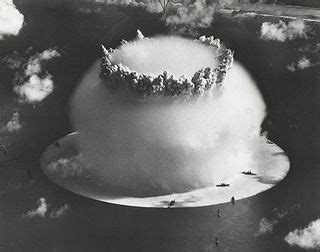
Key Takeaways
- Nuclear weapon creation is an extremely complex and dangerous process, involving highly specialized knowledge, materials, and facilities.
- The dissemination of information related to nuclear weapon design is strictly prohibited due to its potential for catastrophic harm and misuse.
- Focusing on peaceful applications of nuclear science, such as energy production, medicine, and research, is crucial for the benefit of humanity.
The Prohibited Nature of Nuclear Weapon Information
The creation of nuclear weapons is not only a complex scientific and engineering challenge but also a deeply sensitive and ethically fraught issue. The information required to design and construct such devices is considered highly classified and is strictly controlled by governments and international organizations. This is due to the immense destructive power of nuclear weapons and the potential for their misuse by malicious actors, including terrorists or rogue states. The consequences of such misuse could be catastrophic, leading to widespread death, destruction, and long-term environmental damage.
The very nature of nuclear weapons necessitates that the knowledge of their construction be kept out of the hands of those who might use them irresponsibly. The international community has established numerous treaties and agreements aimed at preventing the proliferation of nuclear weapons and ensuring that nuclear technology is used only for peaceful purposes. These efforts are crucial for maintaining global stability and preventing a nuclear catastrophe.
Understanding the Basic Principles of Nuclear Weapons
While detailed instructions for building a nuclear weapon are not provided here, it's important to understand the fundamental principles behind their operation. Nuclear weapons derive their immense power from nuclear reactions, specifically either nuclear fission or nuclear fusion.
Nuclear Fission
Fission involves the splitting of a heavy atomic nucleus, such as uranium-235 or plutonium-239, into two or more smaller nuclei. This process releases a tremendous amount of energy, along with additional neutrons. These neutrons can then trigger further fission reactions in a chain reaction, leading to a rapid and uncontrolled release of energy. This is the principle behind fission-based nuclear weapons, often referred to as atomic bombs.
The process of creating a fission weapon involves several critical steps:
- Obtaining Fissile Material: This involves acquiring highly enriched uranium or plutonium, which are not naturally abundant and require complex and expensive processes to produce.
- Critical Mass: A sufficient amount of fissile material must be brought together to achieve a critical mass, where the chain reaction can be sustained.
- Initiation: A mechanism is needed to initiate the chain reaction rapidly and efficiently. This usually involves a conventional explosive charge to compress the fissile material.
Nuclear Fusion
Fusion, on the other hand, involves the combining of light atomic nuclei, such as isotopes of hydrogen (deuterium and tritium), to form a heavier nucleus. This process also releases a vast amount of energy. Fusion reactions require extremely high temperatures and pressures, typically achieved through the use of a fission bomb as a trigger. Fusion-based weapons, often called hydrogen bombs or thermonuclear weapons, are significantly more powerful than fission weapons.
The process of creating a fusion weapon is even more complex than a fission weapon and involves:
-
Fission Trigger: A fission bomb is used to create the extreme conditions necessary for fusion to occur.
-
Fusion Fuel: Deuterium and tritium are used as the primary fuel for the fusion reaction.
-
Staging: Thermonuclear weapons often involve multiple stages, with the energy from the fission trigger compressing and heating the fusion fuel.
The Complexity of Nuclear Weapon Design
The design and construction of a nuclear weapon are incredibly complex and require a deep understanding of nuclear physics, materials science, engineering, and other specialized fields. It is not simply a matter of assembling a few components. The process involves intricate calculations, precise machining, and the use of highly specialized materials.
Here are some of the key challenges involved in nuclear weapon design:
- Neutron Physics: Understanding how neutrons interact with different materials is crucial for controlling the chain reaction.
- Hydrodynamics: The behavior of materials under extreme pressures and temperatures must be carefully modeled.
- Materials Science: The selection and processing of materials that can withstand the extreme conditions of a nuclear explosion are critical.
- Engineering: The design and fabrication of the various components of the weapon, including the explosive lenses, the tamper, and the firing mechanism, require high precision.
- Safety: Ensuring the weapon is safe to handle and transport, and that it will not detonate accidentally, is paramount.
The Ethical and Legal Implications
The development and possession of nuclear weapons raise profound ethical and legal questions. The use of such weapons has the potential to cause immense suffering and destruction, and their very existence poses a constant threat to global security.
International treaties, such as the Treaty on the Non-Proliferation of Nuclear Weapons (NPT), aim to prevent the spread of nuclear weapons and promote disarmament. These treaties are based on the understanding that the proliferation of nuclear weapons increases the risk of their use, either intentionally or accidentally.
The ethical considerations surrounding nuclear weapons are complex and multifaceted. Some argue that nuclear deterrence is necessary to prevent large-scale conflicts, while others argue that the very existence of nuclear weapons is immoral and that they should be eliminated entirely.
Peaceful Applications of Nuclear Science
While the destructive potential of nuclear technology is undeniable, it's crucial to recognize that nuclear science also has numerous beneficial applications. These peaceful uses of nuclear technology are essential for addressing some of the world's most pressing challenges.
Nuclear Energy
Nuclear power plants use controlled nuclear fission to generate electricity. This is a low-carbon source of energy that can help reduce reliance on fossil fuels and mitigate climate change. Nuclear energy is a complex topic with its own set of challenges, including waste disposal and safety concerns, but it remains a significant part of the global energy mix.
Medical Applications
Nuclear medicine uses radioactive isotopes for diagnosis and treatment of various diseases. Techniques like PET scans and radiation therapy are crucial tools in modern healthcare. These applications have saved countless lives and continue to improve the quality of medical care.
Research and Development
Nuclear science plays a vital role in various fields of research, including materials science, physics, and chemistry. Nuclear techniques are used to study the structure of matter, develop new materials, and understand fundamental scientific principles.
Other Applications
Nuclear technology is also used in various other applications, such as food irradiation to preserve food and make it safer, and in industrial processes for measuring and controlling various parameters. These applications demonstrate the versatility and potential of nuclear science for the benefit of society.
The Importance of Non-Proliferation
The international community has made significant efforts to prevent the proliferation of nuclear weapons. These efforts include treaties, international inspections, and diplomatic initiatives. The goal is to ensure that nuclear technology is used only for peaceful purposes and that the risk of nuclear war is minimized.
The non-proliferation regime is a complex and ongoing effort that requires the cooperation of all nations. It is crucial for maintaining global stability and preventing a nuclear catastrophe.
Conclusion
The creation of nuclear weapons is an extremely complex and dangerous undertaking that is strictly prohibited by international law and ethical considerations. The information required to design and construct such devices is highly classified and is not available to the public. It is essential to focus on the peaceful applications of nuclear science and to support efforts to prevent the proliferation of nuclear weapons. The potential for catastrophic harm from nuclear weapons is immense, and it is the responsibility of all nations to ensure that they are never used.
Table of Nuclear Weapon Concepts
| Concept | Description | Significance |
|---|---|---|
| Nuclear Fission | Splitting of a heavy atomic nucleus, releasing energy and neutrons. | Principle behind atomic bombs; used as a trigger for fusion weapons. |
| Nuclear Fusion | Combining of light atomic nuclei, releasing immense energy. | Principle behind hydrogen bombs; requires extreme temperatures and pressures. |
| Fissile Material | Material capable of sustaining a nuclear chain reaction (e.g., uranium-235, plutonium-239). | Essential component of fission weapons; difficult and expensive to produce. |
| Critical Mass | Minimum amount of fissile material needed to sustain a chain reaction. | Achieving critical mass is crucial for a nuclear explosion. |
| Chain Reaction | Self-sustaining series of nuclear fission reactions. | Rapid and uncontrolled chain reaction leads to a nuclear explosion. |
| Thermonuclear Weapon | Weapon that uses a fission bomb to trigger a fusion reaction. | Significantly more powerful than fission weapons. |
| Non-Proliferation | Efforts to prevent the spread of nuclear weapons. | Crucial for maintaining global security and preventing nuclear war. |
| Nuclear Deterrence | The concept that possessing nuclear weapons prevents large-scale conflicts. | A controversial strategy with ethical and practical implications. |
| Treaty on the Non-Proliferation of Nuclear Weapons (NPT) | An international treaty aimed at preventing the spread of nuclear weapons. | A cornerstone of the international non-proliferation regime. |
| Peaceful Nuclear Applications | Uses of nuclear technology for energy, medicine, research, and other beneficial purposes. | Demonstrates the positive potential of nuclear science. |
Recap
In summary, the creation of nuclear weapons is an extremely complex and dangerous process that is strictly prohibited. The information required to design and build such devices is highly classified and is not available to the public. It is crucial to focus on the peaceful applications of nuclear science and to support efforts to prevent the proliferation of nuclear weapons. The potential for catastrophic harm from nuclear weapons is immense, and it is the responsibility of all nations to ensure that they are never used.
Last updated January 18, 2025