
Nutritional Education in Medical Schools
Exploring the Extent and Challenges of Nutrition Training in U.S. Medical Education
Highlights
- Limited Hours of Nutrition Training: Most medical schools offer less than 20-25 hours of nutrition education over four years.
- Curriculum Gaps and Integration Issues: Nutrition education remains focused on biochemical concepts with minimal clinical application.
- Innovative Solutions Emerging: Several programs are introducing culinary medicine, online modules, and integrated experiences to improve nutrition competence.
Introduction to Nutritional Education in Medical Schools
Nutritional education has become an increasingly important topic in medical education, particularly given the rise in diet-related chronic diseases. Despite its critical role in disease prevention and management, nutrition training in U.S. medical schools has long been considered insufficient. This discussion explores the detailed aspects of nutrition education, examining the number of hours provided, the content focus of these courses, the challenges faced, and emerging innovative solutions.
Extent of Nutritional Education Hours
Reported Averages and Recommendations
Historical data and recent studies indicate that the average medical student in the United States receives approximately 19.6 hours of nutrition education throughout a four-year program. This figure consistently falls short of the widely recommended minimum of 25 hours proposed by authoritative bodies like the National Academy of Sciences. For example:
Statistical Overview
Research shows that a significant majority of medical schools do not meet the recommended nutrition training. Some surveys reveal that up to 71% of the surveyed schools offer less than the minimum recommended hours, while some institutions provide even less than half of that minimum. This shortfall is critical when considering the need for physicians to counsel patients on nutrition effectively.
While a few elite institutions, such as Harvard Medical School, have integrated nutrition education throughout their curriculum in innovative ways, the overall landscape remains disappointing. The fact that nutrition constitutes less than 1% of the total lecture hours illustrates the limited attention it receives compared to other biomedical subjects.
Curriculum Content and Focus
Biochemistry Versus Practical Training
A significant issue in the current nutrition curriculum is its overwhelming focus on the biochemical and mechanistic aspects of nutrients rather than their practical applications in clinical settings. While a strong foundation in biochemistry, pathology, and physiology is important, these subjects often do not translate easily into actionable advice for everyday patient care. Many medical students note that their training rarely covers necessary skills such as:
- Motivational interviewing techniques tailored to dietary changes
- Strategic meal planning and understanding dietary guidelines
- Screening for food insecurity and socio-demographic determinants of dietary habits
Integrated vs. Dedicated Courses
With the advent of integrated curricula and problem-based learning, nutrition education is often dispersed across other subjects rather than being offered as a stand-alone course. Consequently, the importance of nutritional counseling may be diluted amid more traditional topics. The reduction of dedicated nutrition modules limits students' ability to approach patient care holistically, where nutrition plays a pivotal role.
Challenges in Nutritional Education
Barriers to Comprehensive Nutritional Training
Several factors contribute to the inadequate provision of nutritional education in medical schools:
Curricular Competition
Medical education curricula are tightly packed with a vast amount of information, often leaving little room for additional subjects like nutrition. With pressure to cover advanced clinical medicine, the relatively “soft” subject of nutrition struggles for recognition and dedicated time.
Faculty Preparedness and Resource Limitations
Another challenge is the limited number of faculty who are adequately trained or interested in clinical nutrition. This scarcity of expertise often results in an over-reliance on basic sciences rather than discussing applied nutritional advice and dietary management strategies.
Lack of National Education Standards
Currently, there are no binding national standards or competencies for nutrition education in medical schools. Despite recommendations from professional bodies and expert groups, there is little regulation enforcing these suggestions. This laissez-faire approach has led to significant variability between institutions regarding both the content and depth of nutrition education.
Innovative Approaches to Improve Nutrition Education
Emerging Trends and Program Innovations
Recognizing the critical need for enhanced nutrition training, several medical schools and educational organizations have begun exploring innovative methods to integrate nutritional education more effectively into the curriculum. These efforts include:
Culinary Medicine Programs
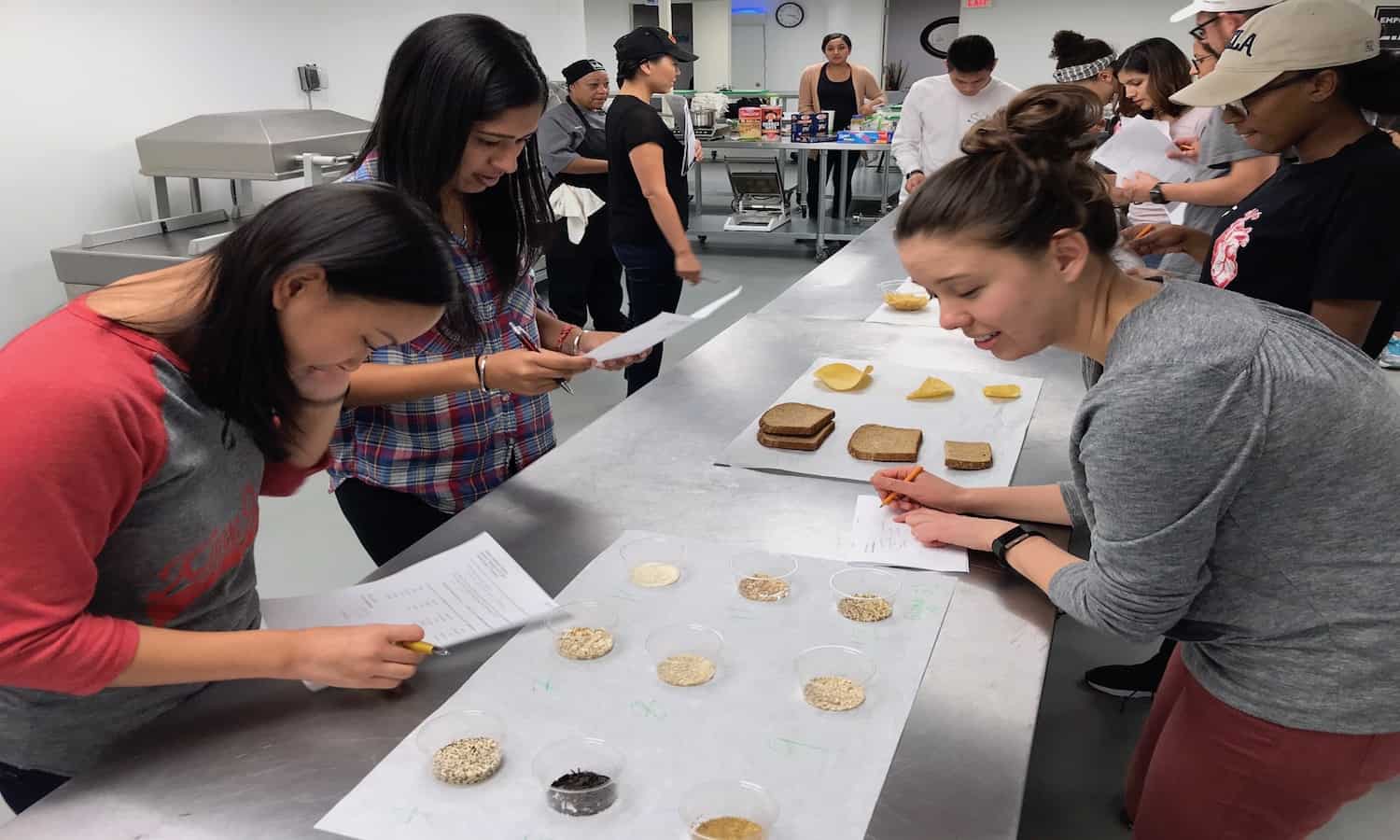
Culinary medicine involves hands-on cooking classes and interactive modules that connect food preparation with disease prevention and health promotion. These programs enable students to gain practical experience in meal planning, cooking, and understanding ingredients, bridging the gap between theoretical knowledge and real-life application. Such initiatives have shown promising results in increasing physicians’ confidence in providing nutritional counseling.
Online Modules and Self-paced Resources
To overcome scheduling and curricular constraints, some institutions have introduced online modules. Platforms such as the Gaples Institute offer condensed, self-paced courses that emphasize clinically relevant nutrition education. These resources often include:
- The latest dietary guidelines and evidence-based practices
- Motivational interviewing techniques to address patient barriers
- Interactive case studies and real-life examples
Integrated Case-based and Problem-based Learning
In more progressive curricula, nutrition is incorporated into case-based learning modules where students work through patient scenarios that require integrating nutritional considerations into overall treatment plans. This method helps future physicians see nutrition as an integral part of patient care rather than as an isolated subject.
Detailed Comparative Table
| Aspect | Details | Implications |
|---|---|---|
| Average Hours | < 20 to 19.6 hours (average) | Significantly below recommended 25 hours |
| Content Focus | Biochemistry, pathology, physiology | Limited practical application in dietary counseling |
| Proposals | Recommendation for at least 25 hours, competency-based training | Would enhance clinical effectiveness regarding patient nutrition |
| Integration Method | Integrated curriculum vs. dedicated courses | Mixed approaches cause uneven exposure to nutritional education |
| Innovative Solutions | Culinary medicine, online modules, case-based learning | Potential to address current deficiencies and improve outcomes |
Impact on Medical Practice and Preventive Health
Consequences of Inadequate Education
The lack of comprehensive nutrition education in medical schools has considerable implications for clinical practice. Physicians who are not sufficiently trained in nutritional science may feel unprepared to engage in effective dietary counseling with their patients. This gap contributes to several issues:
- Reduced Patient Counseling: Many physicians report low confidence in providing nutritional advice, which can deter proactive dietary interventions in clinical settings.
- Limited Preventive Efforts: With chronic diseases such as obesity, diabetes, and heart disease on the rise, the absence of a solid nutritional foundation leaves doctors ill-equipped to combat these conditions effectively.
- Missed Opportunities for Early Intervention: Proper nutrition counseling can serve as a preventive measure that reduces disease burden and healthcare costs. Without it, early intervention opportunities may be missed.
Given that nutrition and diet-related conditions are major contributors to morbidity and mortality nationwide, bolstering nutrition education is not merely an academic improvement but a public health imperative.
Current and Future Improvement Strategies
Bridging the Knowledge-Practice Gap
Reform efforts in medical education are increasingly geared toward creating more balanced curricula that advocate for a practical and integrated approach to nutrition. For example, incorporating patient history elements that include dietary habits, factors influencing nutritional status, and tailored nutritional interventions into standard training modules would directly enhance a physician’s readiness to tackle chronic conditions.
Continuous Medical Education (CME)
In addition to revamping formal education, continued education through CME programs is essential for practicing physicians. These programs provide periodic updates on the latest nutritional science and clinical guidelines, ensuring that physicians remain competent in offering nutritional guidance. Such initiatives are particularly important in light of rapidly changing dietary research and recommendations.
Institutional and National Initiatives
Efforts to Standardize Nutritional Training
Several national organizations and academic bodies have begun advocating for standardized nutrition competencies in medical education. Although formal mandates are rare, the push for greater uniformity in nutrition training reflects the growing recognition of its importance. Key initiatives include:
- Recommendations from the National Academy of Sciences suggesting a baseline of 25 hours of nutrition education.
- Advocacy by nutrition-focused organizations highlighting curricular deficiencies and proposing standardized modules across medical schools.
- Pilot programs at leading institutions that serve as models for integrating nutrition more thoroughly into clinical training.
These initiatives not only aim to elevate the role of nutrition in medical curricula but also address broader public health concerns by ensuring future physicians are better trained in preventive care.
Recommended Readings and Resources
| Resource | Description | Link |
|---|---|---|
| Stanford Medicine | Why Medical Schools Need a Focus on Nutrition | Visit Page |
| TIME | How Nutrition Education is Evolving for Doctors | Visit Page |
| The Lancet Planetary Health | Nutrition and Medical Education | Visit Page |
| NCBI | Nutrition Education in U.S. Medical Schools Survey | Visit Page |
| Gaples Institute | Online Nutrition CME and Curricular Resources | Visit Page |
References
- Why Medical Schools Need to Focus on Nutrition - Stanford Medicine
- How Nutrition Education is Evolving - TIME
- Nutrition Education in Medical School - The Lancet Planetary Health
- Nutrition Education in U.S. Medical Schools - NCBI
- Gaples Institute Nutrition Education - Gaples Institute
Related Queries for Deeper Insights
Last updated March 17, 2025