
Investing in Nvidia for Humanoid Robotics Exposure
Exploring the strategic opportunity in a rapidly growing market
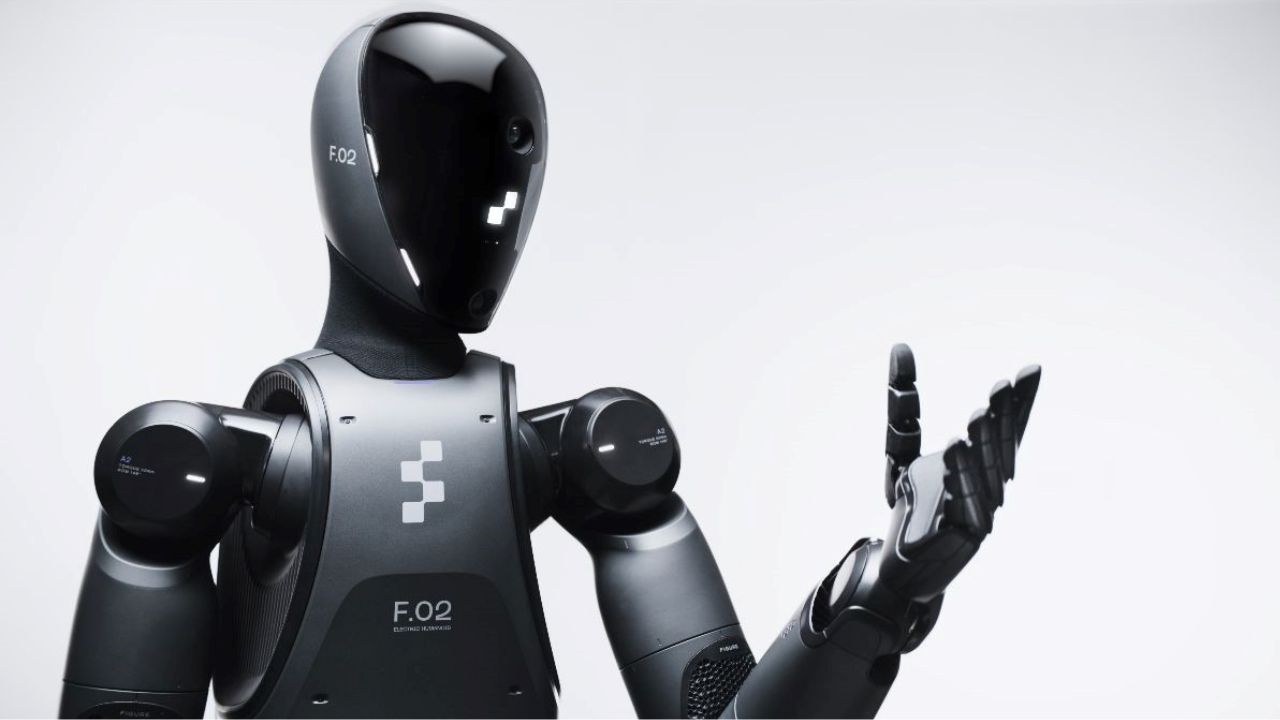
Key Highlights
- Strategic Market Position: Nvidia’s role in advancing AI hardware and machine learning is critical for the future of humanoid robotics.
- Exponential Market Growth: The humanoid robotics market is projected to see expansive growth, driven by innovation in AI and robotics engineering.
- Broad Investment Exposure: While Nvidia is not a direct manufacturer of robots, its technologies underpin the advancements that make these robots possible.
Understanding the Humanoid Robotics Opportunity
The field of humanoid robotics is often compared to early stage disruptive technologies, similar to how Bitcoin was perceived in its infancy. The stark contrast in the potential Total Addressable Market (TAM) between early-stage paradigms and mainstream technologies makes this space uniquely enticing. Humanoid robotics integrates advanced artificial intelligence, machine learning, and robotics engineering to create machines that not only perform routine tasks but can also operate in complex, human-centric environments. Projection figures suggest the market may expand from being worth a few billion dollars to a multi-trillion-dollar scale in the coming decades. Such exponential growth is underpinned by continuous advancements in hardware and software, with AI providing the necessary computational backbone.
Market Dynamics and Growth Drivers
The dynamic market environment for humanoid robotics is supported by several factors. Foremost, rapid technological advancements in AI and machine learning are enabling more sophisticated robotic designs. As these robots become technically feasible and commercially viable, industries as diverse as manufacturing, healthcare, logistics, and customer service could see significant transformation.
Notable growth drivers include:
- Improvements in sensor technology and computing power.
- Rising labor costs and workforce shortages in various industrial sectors.
- The push towards automating complex tasks in unpredictable environments.
- Government incentives and investments in robotics research and development.
Financial Projections and Market Trends
Financial analysts forecast a rapid expansion of the humanoid robotics market, with compound annual growth rates (CAGR) potentially exceeding 40% by the early 2030s. This accelerated growth trajectory suggests that companies positioned at the nexus of this transformation stand to benefit significantly. In this context, Nvidia’s foundational role in the creation and deployment of powerful AI chips is crucial.
Large-scale applications in robotics require processors that can handle complex AI algorithms while delivering high-performance computing. Nvidia’s GPU architectures are not only pivotal in traditional computing tasks and gaming but also in driving breakthroughs in deep learning and neural networks—technologies essential for sophisticated humanoid robotic systems.
Nvidia's Role in the Humanoid Robotics Ecosystem
Nvidia is widely recognized for revolutionizing multiple technology segments through its high-performance computing solutions. The company’s GPUs are instrumental in powering diverse AI applications, including those that accelerate the development of humanoid robotics.
Technological Leadership
Nvidia holds a commanding position in the AI ecosystem. With its extensive portfolio of solutions—from data centers and automotive systems to interactive gaming and professional visualization—the company is uniquely placed to influence the emerging landscape of robotics. Their recent advancements, such as the launch of the Blackwell platform, exemplify their commitment to innovation. This particular platform is expected to set new benchmarks in AI performance by providing computational efficiencies that are critical for running intricate algorithms used in robotics.
Integration of AI in Robotics
As humanoid robots require the integration of artificial intelligence for practical and autonomous operations, Nvidia’s technology becomes a key enabler. The AI chip market is projected to reach substantial valuations in the coming years, with estimates around $400 billion by 2027. Given such tremendous market opportunities, Nvidia’s hardware is poised to power a host of applications that extend well beyond traditional sectors.
While Nvidia itself is not a manufacturer of humanoid robots, its role involves providing the essential building blocks—high-performance processors—that underpin the capabilities of these advanced machines. In essence, investing in Nvidia offers exposure to the broader AI and robotics technologies that will drive the growth of humanoid robotics.
Investment Considerations
Deciding on an investment in Nvidia as an indirect play on humanoid robotics entails balancing the company’s broader market performance with the specific growth potential of the robotics sector. Here are some key points to consider:
Competitive Advantage
Nvidia’s robust market position is underscored by its technological innovations and its dominance in the GPU market. Its ability to consistently push the envelope in performance and efficiency gives it a competitive edge over other players. Moreover, the company's frequent advancements and its strategic investments in R&D enhance its prospects of staying ahead in the rapidly evolving AI and robotics landscape.
Market Volatility and Risks
Investors should be aware of the inherent volatility in high-growth technology stocks, particularly those heavily reliant on evolving markets. Factors such as regulatory changes, international trade issues (including tariffs), and competitive pressures could impact short-term performance. Despite this, many analysts regard Nvidia as a “top 2025 pick” given its steady innovation pipeline and the increasing demand across its market segments.
Diversification and Direct Exposure
While Nvidia offers significant exposure to the broader AI market, it should be considered as part of a diversified investment strategy. For investors specifically interested in humanoid robotics, it may also be worthwhile to explore companies and startups directly involved in robot design and manufacturing. However, these opportunities come with higher risks and often lack the stability and infrastructure offered by established companies like Nvidia.
A balanced approach might involve holding a diversified portfolio that includes Nvidia for its foundational technology exposure, along with selective investments in companies that are pure-play robotics firms. This strategy can potentially provide both stability and significant upside as the robotics market matures.
Comparative Overview
Below is a comparative overview of key factors to consider when evaluating Nvidia as an investment in the context of humanoid robotics:
| Factor | Description | Implication for Investment |
|---|---|---|
| Market Position | Leader in GPU technology with broad AI applications | Provides indirect exposure to robotics technology |
| Technological Innovation | Consistent advancements such as the Blackwell platform | Ensures competitiveness in meeting complex AI demands |
| Financial Performance | Robust revenue growth and strong market forecasts | Offers a stable investment amidst technological volatility |
| Market Dynamics | Humanoid robotics market projected for exponential growth | Potential for tailwinds from related technological breakthroughs |
| Investment Risks | Exposure to market volatility, regulatory and competitive risks | Requires careful balancing with diversification strategies |
Additional Perspectives
Nvidia’s role in the burgeoning field of humanoid robotics is a classic example of investing in an enabler rather than the end-product. Similar to historical investments in companies that revolutionized entire industries, Nvidia’s continued innovations position it as a crucial player in powering next-generation systems that could redefine human-machine interactions.
Beyond hardware, the integration of software solutions and machine learning algorithms further solidifies Nvidia’s contribution to the ecosystem. Their ecosystem approach—encompassing hardware, software libraries, and development platforms—creates an environment where innovations in humanoid robotics can flourish.
For those looking to capitalize on this “0 to decatrillion” opportunity, the key lies in recognizing that while the core robotics innovators may be few and relatively small at this stage, the primary drivers—advanced AI and computing—are supplied by major industry players like Nvidia. Their established track record and proven resilience in dynamic markets make them a compelling candidate for investors seeking exposure to a future of robotic automation.
References
- Prediction: Nvidia Will Soar in 2025 Thanks to This - The Motley Fool
- Where Will Nvidia Stock Be In 5 Years? - Forbes
- Humanoid Robot Market Forecast - Globe Newswire
- Humanoid Robot Market Analysis - MarketsandMarkets
- Humanoid Robot Market Report - Grand View Research
Recommended Further Queries

Last updated March 14, 2025