
Understanding NYPD Code 1091
Clarifying the Meaning Behind the Police Code Variations
Key Highlights
- Ambiguity in Code Usage: Variations exist in police radio code usage with some interpretations conflicting between different sources.
- Related to 10-91: Many sources discuss NYPD code 10-91, which is sometimes conflated with or misinterpreted as 1091.
- Importance of Jurisdiction Specifics: Police codes can vary in meaning between departments, highlighting the need to consult updated local sources.
Introduction to NYPD Police Codes
In law enforcement communications, the use of numeric codes is common practice. These so-called “10-codes” and similar variations have been adopted by many police and emergency departments around the United States, including the New York City Police Department (NYPD). These codes facilitate rapid and succinct communication over radio channels. However, as police radio codes have evolved over many years, interpretations and applications have sometimes varied, even within the same agency.
The question regarding what NYPD code 1091 means is a part of this larger topic. It is crucial to understand that while some available sources provide detailed explanations for similar codes like “10-91,” there remains a degree of confusion and inconsistency when specifically discussing “1091.”
Detailed Analysis of NYPD Code 1091 and Related Codes
Understanding the Role of Police Radio Codes
Police radio codes, including the widely recognized 10-codes, serve as an essential method for conveying complex messages quickly in high-pressure situations. These codes help with brevity and clarity over noisy or chaotic communication channels. For example, codes can convey various statuses such as emergencies, routine communications, and status updates without having to speak full sentences on radio.
Historical Background
The origin of the 10-code system can be traced back to the mid-20th century. As radio technology advanced, law enforcement agencies needed a standardized method to communicate common phrases and requests. As a result, many jurisdictions adopted the “10-codes,” which are a series of predetermined numerical phrases.
However, because these codes were handed down and adapted by different law enforcement agencies, discrepancies became evident over time. One code might have one meaning in one department and a different or similar meaning in another. This variability is one factor contributing to the confusion surrounding codes like 1091.
Specific Meaning of Code 1091
The inquiry specifically asks about the meaning of NYPD code 1091. When delving into various resources, there is some ambiguity regarding this code. Many sources and discussions often reference the code “10-91” rather than “1091.” Some interpretations of the similar-sounding code “10-91” include:
- “Pick up subject / Prepare for inspection / Animal” – This is one interpretation commonly referenced in police radio code repositories.
- “Emergency with no action taken” – Another interpretation emphasizes that this code is used when there is a legitimate request for assistance yet no active response or further action by the emergency unit is required.
Given the sources provided, it appears that there is a mix-up or overlap between the interpretations of the codes “10-91” and “1091.” While several resources discussing “10-91” offer clear meanings, there is a significant gap when strictly referencing “1091” in the context of the NYPD.
Ambiguities and Variations
The divergence in interpretation could be due to several factors:
- Transcription or Reporting Variability: In many instances, the difference between a hyphenated code “10-91” and a continuous number “1091” may be the result of transcription errors, miscommunication, or different formatting preferences. Some databases or reporting systems might inadvertently merge the codes.
- Department-specific Adaptation: Although many of the NYPD radio codes are standardized, certain codes may be adopted or adapted in varying formats. This can lead to slight differences in how the codes are called out or logged.
- Evolution of Terminology: Over time, interpretations of these codes can evolve. Previously used code meanings may become obsolete or be repurposed in modern use, adding to the confusion.
Because of these factors, it is advisable to reference specific NYPD documents or official communications for the most accurate meaning regarding any given code.
Comparative Analysis Table
The following table summarizes the various interpretations encountered across different sources. It illustrates how similar code formats, like “10-91” and “1091,” have been understood:
| Code Format | Interpretation 1 | Interpretation 2 |
|---|---|---|
| 10-91 / 1091 | Pick up subject / Prepare for inspection / Animal | Emergency with no action taken |
| Usage Context | Routine communication regarding subject handling or assessment | A call where a response unit is allocated but ultimately takes no additional action |
| Variability | Different interpretations in police radio code compendiums | Similar terminology sometimes combined or misrepresented |
Practical Implications and Recommendations
For Law Enforcement Personnel
For officers and other law enforcement personnel, understanding the precise meaning of a radio code is paramount. Many departments provide internal training and standard operating procedures (SOPs) that explain the meaning and proper usage of these codes. The key takeaways are as follows:
- Always rely on official and updated departmental communications—such as memos, training materials, and official radio communications—for the most reliable definitions.
- Be aware that some codes may be regionally or department-specific. It is advisable to consult local operating procedures.
- Misinterpretation of a code may lead to operational delays or misunderstanding during critical responses. Therefore, clarity in radio communication is essential.
Reference to Official Sources
Even though multiple third-party sites and police code databases exist, these sources sometimes have ambiguous or outdated information. If a law enforcement professional or an enthusiast wishes to understand NYPD’s codes like 1091, it is best to consult:
- Official NYPD radio communications manuals.
- Internal NYPD guidance documents.
- Direct sources from NYPD training departments or liaison officers.
Additionally, monitoring reputable law enforcement communication hubs and websites that frequently update their content ensures that the most recent and accurate interpretations are available.
For Researchers and Enthusiasts
If you are a researcher, a student of law enforcement communications, or merely an enthusiast interested in the evolution of police codes, there are several interesting aspects to explore:
- Historical Evolution: Tracing how the numerical codes were initially developed and later adapted by various jurisdictions can provide insights into communication strategies.
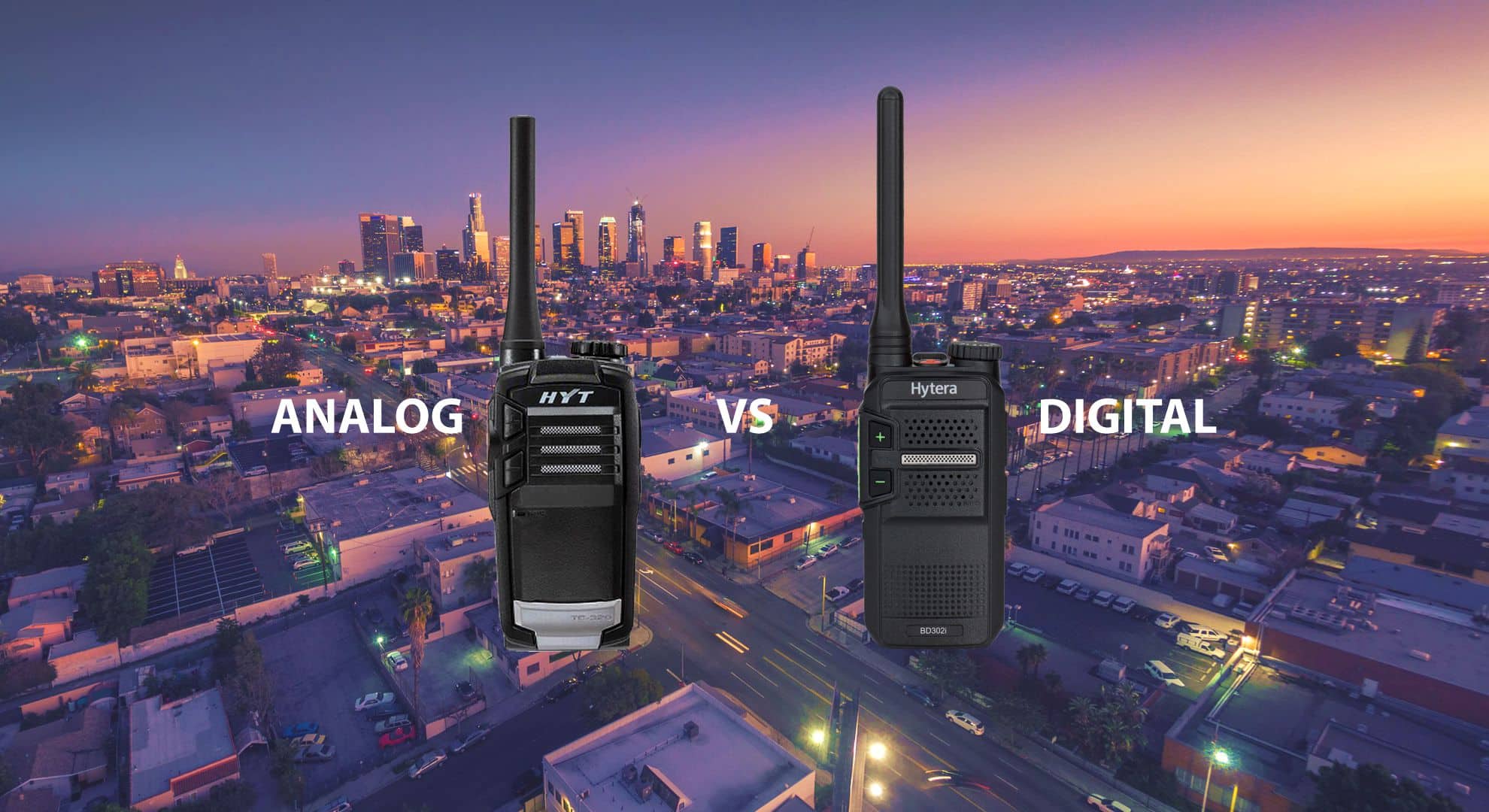
- Impact of Technological Advancements: With modern digital communications replacing analog radio systems in many areas, examining whether these codes are still in usage or if newer systems have taken their place can be a topic of in-depth study.
- Cultural Differences: Variations in police codes across different cities, states, and countries further underline the cultural adaptation of standardized protocols.
Understanding the nuances and changes in these communication systems can offer broader insights into how public safety operations evolve with technological, cultural, and procedural changes.
Exploration of Conflicting Interpretations
Analyzing the Conflicting Views
Given that various sources list different interpretations for the code in question, it is important to acknowledge and analyze why these differences exist:
- Source Variability: Some resources that refer to “10-91” or “1091” might be drawing from older versions of police codes or simply different jurisdictions’ practices, leading to conflicting definitions.
- Documentation Ambiguities: The absence of a clear and universally adopted interpretation for the precise code as used by the NYPD opens the door to discrepancies. This means that while some might refer to the code as indicating “Emergency with no action taken,” others report it in the context of subject handling or inspections.
- Evolution of Radio Communication: As police departments modernize their communication strategies, some traditional codes may fall into ambiguous use where the original intent is either modified or partially preserved.
Reconciling the Information
At present, without a formal updated release directly from NYPD regarding the explicit meaning of “1091,” we can infer that the code is likely related to one of the interpretations commonly seen with 10-91. The most reliable approach is to consider that the ambiguity itself highlights a broader caution: users must verify with official NYPD documentation. The consensus across available sources suggests that the code, in various formats, is typically associated with either emergency situations where the response is essentially a standby mode (i.e., “Emergency with no action taken”) or scenarios where there is a procedural call for subject handling (e.g. “Pick up subject / Prepare for inspection / Animal”).
Clarification of NYPD Terms and Communication Protocols
Standardization versus Local Adaptation
One reason for the differing interpretations is that while many police radio codes are standardized at one point, local adaptations can lead to slight changes in wording. The NYPD, for example, has historically used a set of codes that have been integrated into its radio communication systems. However, changes in operational procedures, upgrades to communication technology, or even internal training adjustments might lead to concurrent usage of multiple definitions for essentially the same code.
Determining the Intent Behind the Code
When attempting to understand any specific police code like 1091, it becomes essential to consider the intent behind using such shorthand:
- To quickly alert responding officers to a situation that requires them to be ready for inspection or subject pickup, or to signal that although a call is logged as an emergency, no further action is deemed necessary by the unit.
- To ensure that communications remain concise but informative, avoiding the pitfalls of long-winded narratives during high-stress incidents.
Practical Steps for Clarification
Accessing Official NYPD Materials
Because the interpretation of NYPD code 1091 varies among independent sources, the most reliable method to ascertain its precise meaning is to refer to official NYPD resources directly. For any law enforcement officer or researcher:
- Consult the latest NYPD radio communications manual.
- Review internal bulletins or documentation provided to officers.
- Contact NYPD public relations or the communications division for clarification on any ambiguous codes.
Staying Updated
It is also recommended to routinely check for updates or revisions in police communications protocols. Departments periodically refine and update these protocols in response to advancements in technology and operational experience.
Summary of the Current Consensus
In summary, the NYPD code 1091 is not uniformly documented with a single, clear meaning in publicly accessible resources. While several sources discuss what is generally referred to as “10-91” offering definitions such as “Pick up subject / Prepare for inspection / Animal” and “Emergency with no action taken,” the available evidence does not decisively confirm which interpretation is the official one within the NYPD’s internal usage. The ambiguity may well stem from variations in code transcription, updates to communication systems, and regional adaptations.
For those looking to obtain a definitive answer, the best course of action is to verify with direct NYPD sources or trusted, up-to-date law enforcement communication documentation.
References
- 10-91 - Police Codes - PoliceCodes.net
- 1091 Police Code - Emergency Codes
- 10-91 - Police Radio Codes - PoliceCodesList
- NYPD Signal Codes - N2NOV
- NYPD 10-Codes - Nycfire.net
Recommended Related Queries
Last updated March 9, 2025