
Odysseus and Polyphemus: A Journey Through Classical Depictions
Exploring myth, art, and literature of a timeless encounter
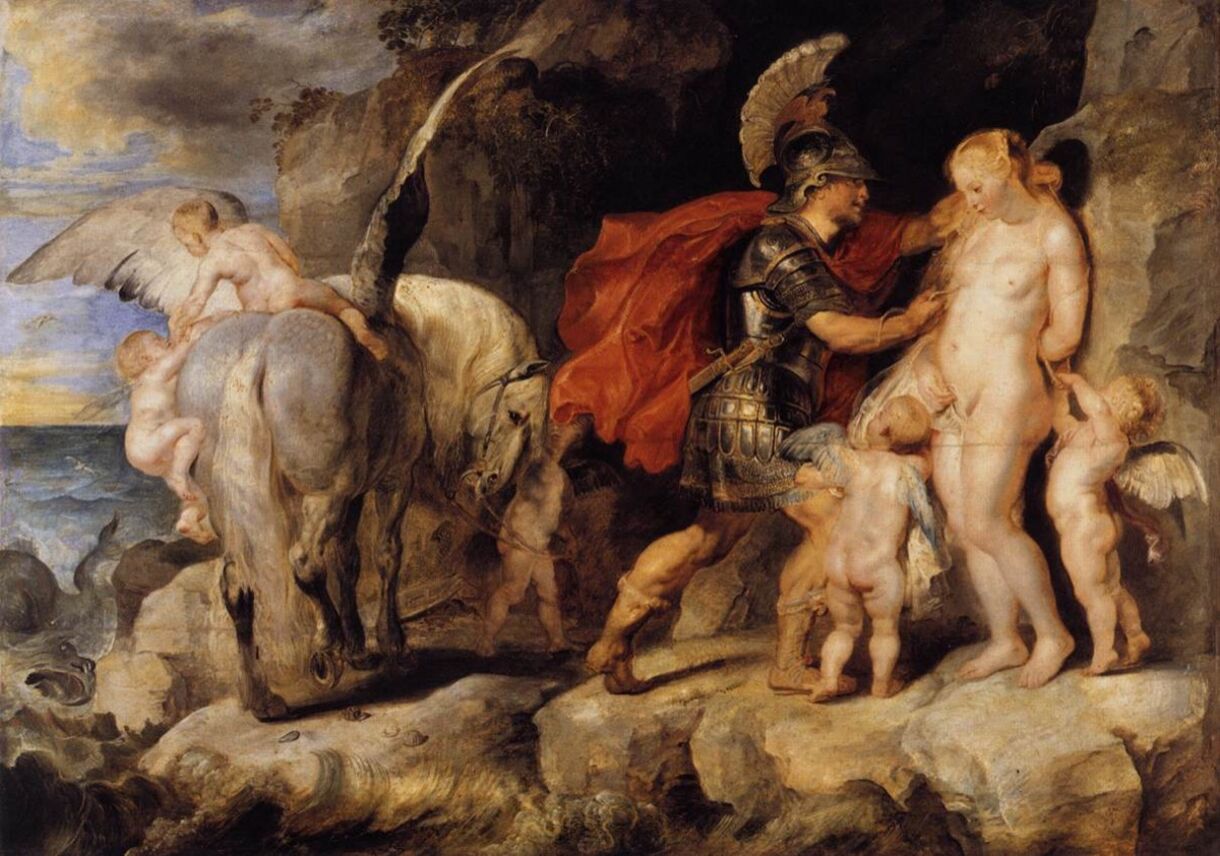
Key Insights
- Iconic Mythological Episode – The story of Odysseus blinding Polyphemus is central to ancient literature and widely depicted in art.
- Artistic Interpretations – From vase paintings and sculptures in ancient Greece to Romantic and modern paintings, the myth has evolved across cultural contexts.
- Symbolism and Themes – The myth reflects themes of cunning versus brute strength, hospitality, divine retribution, and the transformative power of deception.
Overview of the Myth in Classical Context
The encounter between Odysseus and Polyphemus is one of the most famous episodes from Homer's epic, The Odyssey. This myth not only serves as a tale of adventure and survival, but it has also come to symbolize the triumph of intelligence and cleverness over overwhelming brute force. Odysseus, renowned for his ingenuity, devises a plan to blind the Cyclops Polyphemus, an act that sets the stage for future trials and tribulations, especially as Polyphemus is the son of Poseidon, the god of the sea. This story has been depicted in various forms of art over centuries, from ancient Greek pottery and sculptures to later European paintings, each interpretation reflecting the cultural and artistic sensibilities of its time.
Classical Depictions in Ancient Art
Among the earliest artistic depictions, ancient Greek vase paintings and pottery serve as valuable historical documents. These artworks illustrate the critical moment when Odysseus blinds Polyphemus, capturing the intensity and drama of the encounter. A notable example is a 7th-century B.C. Proto-attic amphora from Eleusis that appears to be the earliest recorded depiction of this myth. The scene often shows a giant figure with a single, monstrous eye, lying in agony as a glowing stake, hardened by fire and determination, pierces his eye.
These traditional depictions were not only meant to represent myth but also to convey moral lessons. The visual contrast between the cunning, agile Odysseus and the brute, unthinking Polyphemus helps illustrate the cultural values of the time. The Greeks admired intelligence and wit over sheer strength, a value that is visually reaffirmed in these artworks.
Ancient Vase Paintings
In these paintings, artists took great care in delineating dynamic scenes – such as the part where Odysseus and his men prepare to blind the giant. The narrative is often segmented into multiple phases: first showing the arrival at the Cyclopean cave, then the preparation of the stake, followed by the dramatic moment of blinding, and finally the cunning escape by clinging to the bellies of sheep. These sequential representations allowed viewers to mentally reconstruct the entire heroic episode.
Sculptural Depictions
Sculptures, like the renowned Sperlonga sculptures commissioned for Emperor Tiberius, bring a three-dimensional perspective to the myth. Here, the physicality and horror of Polyphemus are evident in the exaggerated musculature and intense expression of pain. These life-size figures emphasize the dramatic and brutal nature of the encounter, while also reflecting the high level of technical skill and artistic sensitivity of the period. The physical scale of these sculptures often serves to amplify the heroism of Odysseus, making his clever escape appear even more daring.
European and Later Artistic Interpretations
As centuries passed, the myth of Odysseus and Polyphemus continued to inspire artists beyond the classical world. European painters of the Renaissance and Romantic periods revisited the story, imbuing it with new emotional and stylistic elements. The interplay of light and shadow, the dramatic natural settings, and the emotive expressions on characters’ faces contributed to a fresh interpretation of the age-old tale.
One notable example is Arnold Böcklin’s painting, Odysseus and Polyphemus (1896), where the scene is rendered with a surreal and almost ethereal quality. Böcklin's work highlights a moment of impending danger, capturing the powerful emotions of both the cunning hero and the tormented giant. Similarly, J.M.W. Turner’s depictions in works like Ulysses Deriding Polyphemus (1829) blend realism with an impressionistic touch, reflecting a complex interplay between man and nature.
Romantic and Modern Perspectives
Romantic depictions of the myth often focus on expressing the sublime and awe-inspiring aspects of nature. In these images, Polyphemus is sometimes portrayed as a symbol of the wild, untamed forces of nature, while Odysseus represents the rational, conquering human spirit. Moreover, later modern adaptations have sometimes explored the darker psychological dimensions of the characters, suggesting that the blinding of Polyphemus is not just a physical act but also a metaphor for the shattering of a false, all-seeing order.
The transformation of artistic depictions over time underscores how this myth was not a static narrative but a fluid story that evolved with societal attitudes and artistic trends. Each interpretation reflects both the era in which it was produced and the lasting influence of Homer's epic on Western art and thought.
Symbolism and Cultural Significance
The myth of Odysseus and Polyphemus is rich in symbolism that transcends the simple narrative of a hero versus a monster. At its core, the tale embodies the conflict between ingenuity and barbarism. Odysseus's strategy to escape from the cave by blinding Polyphemus and cleverly disguising himself highlights the triumph of the mind over physical might. This narrative is not only a celebration of human cleverness but also a commentary on the nature of power and the dangers of hubris.
In classical literature, hospitality, or xenia, plays a significant role. The violation of this principle by Polyphemus, who consumes Odysseus's men without offering them protection or respect, marks him as uncivilized and barbaric. In contrast, Odysseus, despite his own moral ambiguities, upholds the values of restraint and respect for the gods, even when faced with extreme adversity.
Additionally, the episode has been interpreted as an allegory for the journey of self-discovery. Odysseus's escape from the Cyclops's cave can be seen as a metaphor for breaking free from the constraints of ignorance and embracing the transformative power of knowledge and experience. The subsequent wrath of Poseidon, following Polyphemus's curse, further adds a layer of divine retribution, emphasizing that every action comes with its consequences.
Myth as a Cultural Mirror
The enduring appeal of the Odysseus-Polyphemus myth lies in its ability to capture universal human experiences. The narrative’s exploration of themes such as power dynamics, the nature of civilization versus savagery, and the interplay between fate and free will continues to resonate with audiences around the globe. This timeless aspect is why the myth has been revisited by numerous artists, each offering their own interpretation of the conflict and its implications.
Comparative Table of Notable Artistic Depictions
| Artwork | Artist/Origin | Medium & Time Period | Key Elements Illustrated |
|---|---|---|---|
| Attic Vase Paintings | Anonymous Greek Artists | 7th century B.C.; Pottery | Sequential narrative of blinding, Odysseus’s clever escape, portrayal of danger |
| Sperlonga Sculptures | Imperial Roman Commissions | 1st century A.D.; Sculpture | Life-size representation, intense portrayal of Polyphemus’s agony |
| Ulysses Deriding Polyphemus | J.M.W. Turner | 19th century; Painting | Impressionistic style, dramatic interplay between light and shadow, emotional depth |
| Odysseus and Polyphemus | Arnold Böcklin | Late 19th century; Painting | Surreal qualities, tension between man and nature, dynamic composition |
| Odysseus in the Cave of Polyphemus | Jacob Jordaens | 17th century; Oil on Canvas | Focus on facial expressions, dramatic escape scene, interplay of light in a confined space |
Literature and Broader Cultural Interpretations
Beyond visual art, literary texts have played a pivotal role in preserving and propagating the myth of Odysseus and Polyphemus. Homer’s The Odyssey remains the definitive source, where the episode is described with impressive detail. Odysseus’s cunning not only ensures his survival but also sets the stage for the divine repercussions that follow, especially from Poseidon, highlighting the interplay between mortal actions and divine will.
Other literary works, such as Euripides’ comedic play Cyclops, provide an alternative and humorous take on the narrative. These interpretations often subvert the more serious tone of the original myth, using irony and satire to critique the broader cultural and moral implications of the story.
The treatment of Polyphemus in later literary traditions further cements his status as a powerful symbol. He evolved from being merely a monstrous obstacle to a multifaceted character whose blindness embodies both literal and metaphorical interpretations of perception and insight. This shift in perception allowed later writers and artists to explore themes such as the limitations of physical sight versus the clarity of intellectual vision.
The Story in Summary
The narrative begins with Odysseus and his men landing on an unfamiliar island, where they discover a cave inhabited by the Cyclops Polyphemus. Seeking shelter and food, they unintentionally become his prey. Rather than engaging in a straightforward battle, Odysseus opts for a more cunning approach. After intoxicating the Cyclops with wine, he devises a plan to blind him. As Polyphemus sleeps, Odysseus and his men drive a sharpened, heated stake into his single eye, effectively incapacitating him.
With the Cyclops blinded and his senses diminished, Odysseus enables his men to escape by clinging to the underbellies of sheep. This clever tactic ensures that Polyphemus, who relies on his single eye to detect movement, is deceived by the sheep’s natural movements as they leave the cave. However, the escape comes at a cost. As they flee, Odysseus's act of hubris, particularly his taunting remark later, invokes the wrath of Poseidon. The Cyclops’s cry for revenge sets in motion a series of events that prolong Odysseus's journey home, underscoring the complex relationship between human ambition, divine retribution, and the consequences of pride.
Key Themes
Several recurring themes emerge from the myth:
- Ingenuity vs. Brute Force: Odysseus’s clever plan outwits a foe of overwhelming physical strength.
- Divine Intervention and Retribution: The repercussions from Poseidon remind us that every act carries divine consequences.
- Hospitality and Morality: The violation of the sacred norm of guest-friendship by Polyphemus contrasts sharply with the civilized virtues upheld by Odysseus.
- Transformation and Insight: The act of blinding is not merely physical but also an allegory for overcoming deception and ignorance.
Top 5 References
- Scenes from the Odyssey in Ancient Art - OUPblog
- Odysseus and the Cyclops Myth - Greek Myths & Greek Mythology
- Gallery of Odysseus Depictions - Theoi Greek Mythology
- Blinding Polyphemus - Ancient World Magazine
- The Odyssey by Homer - Wikipedia
Recommended Related Queries
 gjclarthistory.blogspot.com
Last updated March 12, 2025