
Innovative Off-Grid Party Power Plan
Explore creative energy solutions for your school party without grid power.
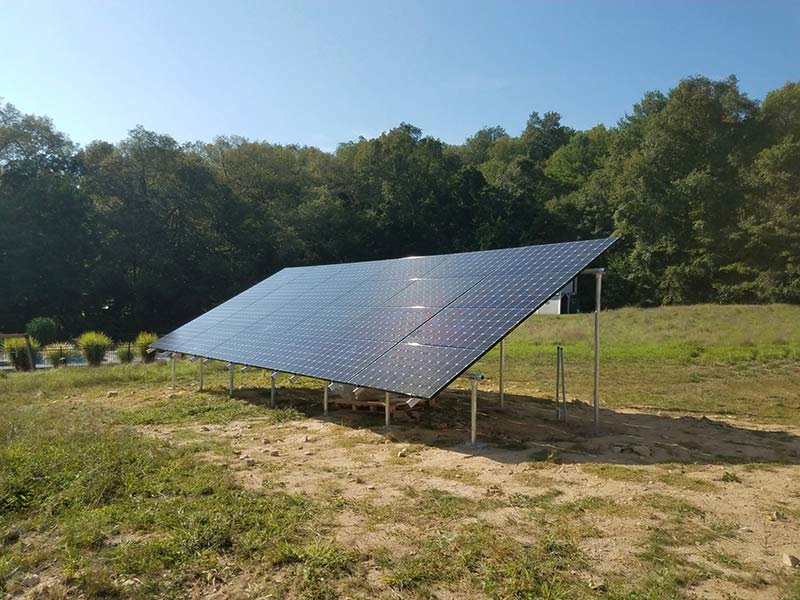
Key Highlights
- Solar Power & Battery Storage: Utilize portable solar panels, an inverter, and deep-cycle batteries to harness and store the sun’s energy.
- Human & Wind-Powered Generators: Engage volunteers with bicycle and hand-crank generators complemented by a micro wind turbine for additional energy.
- Backup & Safety Measures: Implement energy-efficient appliances, safety protocols, and backup lighting options to ensure a reliable power supply.
Overview and Detailed Plan of Action
Organizing a school party without conventional electricity calls for creative and sustainable measures to produce and distribute power. With the growing interest in alternative energy solutions, you can design an off-grid electricity system that not only meets the party’s power needs, but also educates participants on renewable energy practices. Below is a comprehensive plan that integrates solar, wind, and human-powered generators, along with backup systems and manual solutions.
1. Assessment of Energy Requirements
Estimate Power Consumption
Start by calculating the total power demand for your event. This includes:
- Lighting: LED strings, spotlights, and accent lighting.
- Sound System: Musicals, microphones, and amplifiers.
- Other Appliances: Charging stations for mobile devices, projectors, or any additional equipment.
An overall assessment will inform you about the capacity of solar panels, batteries, and supplemental generators needed. To manage power efficiently, divide your load into high, medium, and low priorities, ensuring that important devices (e.g., communication and main lighting) are powered first.
2. Primary Power Source: Solar Energy
Solar Panel Setup
Solar power is one of the most reliable and sustainable means to generate electricity during daytime or early evening events. This approach is ideal if your party is held outdoors and can take advantage of clear skies.
- Solar Panels: Rent or borrow portable solar panels. Ensure they are positioned in an open area with direct sunlight for maximum efficiency.
- Inverter: Use an inverter to convert the direct current (DC) produced by the panels into alternating current (AC) for powering standard equipment.
- Battery Bank: Connect the setup to deep-cycle batteries for storing excess power collected when sunlight is abundant. These batteries can then supply power during intermittent sunlight.
Make sure the system includes proper charge controllers to protect the batteries from overcharge and to maintain the overall health of the power storage system.
3. Supplemental Power Generation: Human-Powered and Wind Options
Bicycle and Hand-Crank Generators
To complement solar energy, human-powered generators add both an interactive element and a steady trickle of electricity. Set up several bicycle generators or hand-crank devices that volunteer students can operate. These generators work on the principle of mechanical to electrical energy conversion through a dynamo integrated into the stationary bike or crank mechanism.
- Volunteer Engagement: Organize shifts among students to continuously pedal or crank, ensuring constant generation of power for low-demand applications such as charging mobile devices or powering LED lights.
- Fun and Educational: This method not only supplies electricity, but also serves as a hands-on learning experience in energy conversion and conservation.
Wind Power Integration
If your school environment is favorable—such as having open, breezy spaces—a small-scale wind turbine can generate additional power.
- Micro Wind Turbine: Deploy a portable, micro wind turbine. Although they typically generate less power relative to the solar setup, when conditions are optimal, every watt counts.
- Battery Storage: Just like with solar power, connect the turbine to battery storage to ensure a stable power supply during wind fluctuations.
Safety and proper mounting techniques must be employed to prevent accidents from high-speed winds or structural stresses.
4. Manual Backup Solutions
Simple Manual Generator
In case of unexpected energy shortages, a basic manual generator can serve as an emergency backup. A typical manual generator is designed using a coil of wire, strong magnets, and a mechanical crank.
- Construction: By rotating the crank, a magnet moves relative to a coil, thereby inducing an electric current. Enhance efficiency by increasing the number of coil windings or using a core to concentrate the magnetic field.
- Usage: Although this method is labor-intensive, it can instantaneously charge critical devices or light up emergency LED lamps.
5. Energy Efficiency and Distribution
Minimizing Consumption
To maximize the available power, ensure that all devices used at the party are energy efficient. Replace incandescent bulbs with LED lights, limit the operation time of non-essential appliances, and spread power loads evenly.
Safe Distribution Protocols
Once electricity is generated, managing and distributing it safely is crucial. Use extension cords, multi-socket power strips, and secured wiring to distribute energy across the party venue. Position power hubs in central, secure areas to minimize trip hazards and risk of short circuits.
Visual Representations of Our Energy Solutions
Below is a radar chart that visualizes the relative effectiveness of each energy source in our plan. It demonstrates our confidence levels in solar, wind, human/pedal, and manual backup generators based on their potential contributions during the event.
Mindmap of the Off-Grid Power Strategy
The following diagram provides an overview of our overall strategy for generating, managing, and distributing electricity during the party. It highlights the core nodes and connections between primary sources, supplemental systems, and distribution methodologies.
Detailed Comparison of Energy Options
The table below summarizes the main attributes of each energy generation method, covering their power output, ease of setup, volunteer involvement, sustainability, and cost implications.
| Method | Estimated Power Output | Ease of Setup | Volunteer Involvement | Sustainability | Cost Implications |
|---|---|---|---|---|---|
| Solar Power | High (if sunny) | Moderate (requires panels and inverter) | Low (passive collection) | Very High | Moderate to High (rental/purchase cost) |
| Wind Power | Medium (depends on wind speed) | Moderate (requires turbine setup) | Low (passive usage) | High | Low to Moderate |
| Bicycle/Hand-Crank Generator | Low to Medium | Easy (DIY project) | High (requires active participation) | High | Low |
| Manual Generator | Low (emergency only) | Moderate (simple design, laborious) | High (continuous manual operation) | High | Very Low |
Additional Considerations and Safety Measures
Implementing Safety Protocols
Safety is paramount when working with electrical systems. Enlist a qualified teacher or a local electrician to review the entire setup. Ground electrical components properly and utilize protective gear such as gloves and insulated tools during installations. Ensure that all wiring and connectors are securely fastened, using weather-resistant covers if necessary to protect against rain or moisture.
Load Management and Energy Efficiency
Prioritize essential devices like communication systems, emergency lighting, and the main audio system. Reduce energy consumption by using LED lights instead of incandescent bulbs, and actively monitor energy usage to prevent overload. Establish strict schedules for generator operation to distribute volunteer efforts evenly and prevent fatigue.
Contingency Plans
Despite the robust design, always plan for unexpected situations. Have backup battery packs charged beforehand and prepare alternative lighting such as battery-operated lanterns or candles in case of total system shutdown. Keeping multiple small power sources will help in a crisis situation, ensuring the party can continue uninterrupted.
FAQ Section
How do solar panels work for a party setup?
What safety measures are necessary?
Can human-powered generators generate enough electricity?
What are the environmental benefits of this plan?
References
- Living Off the Grid: Generating Your Own Electricity - Today's Homeowner
-
How Electricity is Generated - U.S. Energy Information Administration
- DIY: Generate Your Own Electricity - OpenLearn
- How to Make Your Own Electricity - WikiHow
- Generate Electricity Without a Generator - Quora Electrical Club
Recommended Further Searches
Last updated April 1, 2025