
Unveiling the Power of Cooking Oils: More Than Just Slippery Stuff!
Discovering the Essential Role of Fats in Our Daily Lives and Dishes
Key Insights into the World of Oils
- Fats are Fundamental: Oils, which are essentially liquid fats, are vital for our bodies, providing energy, absorbing essential vitamins, and supporting cell function.
- Healthy Choices Matter: Opting for oils rich in monounsaturated and polyunsaturated fats, like olive and avocado oil, can significantly improve heart health and reduce bad cholesterol.
- Temperature is Key: The "smoke point" of an oil dictates its best use in cooking; some oils thrive under high heat, while others are better for dressings or low-temperature cooking.
Understanding the Core Functions of Dietary Fats and Oils
Hey everyone! So, you might think of cooking oils as just something that makes food slide around in the pan, right? But actually, oils and fats are super important for our bodies, like secret superheroes of nutrition! They're not just for making your fries crispy; they're packed with energy and help our bodies do a bunch of cool stuff. Imagine your body like a complex machine; fats are the fuel and the lubricants that keep everything running smoothly. They're involved in everything from brain activity to protecting our organs. It's not just about how much fat you eat, but what kind of fat it is!
First off, oils are a concentrated source of energy. Just a small amount can give you a lot of get-up-and-go, which is why they’re in so many foods. Think about it: if you’re running around or studying hard, your body needs fuel, and fats are excellent for that. Beyond energy, they also help your body absorb certain vitamins—the fat-soluble ones like A, D, E, and K. Without enough healthy fats, your body can't properly use these vitamins, which are crucial for things like good vision (Vitamin A), strong bones (Vitamin D), and a healthy immune system (Vitamin E).
Fats also play a huge role in building and maintaining our cells. They are a critical structural component of cell membranes, which are like the protective walls of every single cell in our body. This is especially true for brain cells and nerve cells, where fats help transmit electrical signals, basically allowing our brains to think and our bodies to move. Plus, they act as insulation, helping to keep our bodies warm, and they protect our organs from damage. So, cooking oils aren't just about taste or texture; they're fundamental to how our bodies work on a cellular level!
The Nutritional Riches Within Cooking Oils
When we talk about the nutrients in oils, we’re mainly talking about different types of fats: saturated, monounsaturated, and polyunsaturated. The cool thing is that most healthy cooking oils are super low in "bad" fats (saturated and trans fats) and high in "good" fats (monounsaturated and polyunsaturated fats). These "good" fats are like the MVPs for your heart! They can help lower your "bad" LDL cholesterol and even boost your "good" HDL cholesterol, which keeps your arteries clear and your heart happy.
For example, olive oil, especially extra virgin olive oil (EVOO), is famous for being heart-healthy because it's packed with monounsaturated fats and antioxidants. Antioxidants are like tiny bodyguards that protect your cells from damage. Another fantastic oil is avocado oil, which is similar to olive oil in its healthy fat content and has an even higher smoke point, meaning you can cook with it at hotter temperatures without it breaking down. Then there’s sesame oil, which is also full of monounsaturated fats and antioxidants, and it gives a really unique, nutty flavor to dishes.
Some oils, like soybean, canola, walnut, and flaxseed oils, are also good sources of plant-based omega-3 fatty acids, specifically alpha-linolenic acid (ALA). Omega-3s are known for their anti-inflammatory properties, which is super important for overall health. So, when you choose different oils for cooking, you're not just adding flavor; you're also adding different mixes of these healthy fats and beneficial compounds!
Exploring the Diverse World of Cooking Oils: Benefits and Best Uses
With so many options on the supermarket shelves, picking the right cooking oil can feel like a mission! But once you know a bit about them, it gets easier. The best cooking oils are those high in monounsaturated fats (MUFAs) and polyunsaturated fats (PUFAs) and low in saturated fats. Let's break down some popular choices and their ideal uses.
The Superstars of Healthy Cooking
Here are some of the top contenders for healthy cooking:
Olive Oil: The Mediterranean Marvel
Olive oil is probably the most well-known healthy oil. Extra virgin olive oil (EVOO) is cold-pressed from olives, meaning it retains more of its natural goodness, including antioxidants and heart-healthy monounsaturated fats. It's fantastic for salad dressings, drizzling over finished dishes, and sautéing at medium heat. While some people think it can't be heated, EVOO can withstand moderate temperatures, though it's not ideal for deep-frying due to its relatively lower smoke point (around 375°F or 191°C).
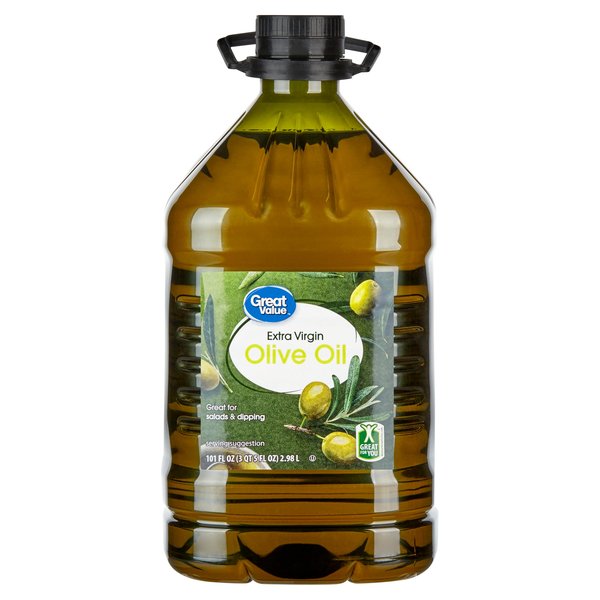
Extra Virgin Olive Oil, a versatile and healthy choice for many culinary applications.
Avocado Oil: The High-Heat Hero
Avocado oil is often compared to olive oil in its nutritional profile, being rich in heart-healthy oleic acid (a monounsaturated fat). What makes it stand out is its incredibly high smoke point—around 520°F (271°C)! This makes it perfect for high-heat cooking methods like stir-frying, roasting, and even deep-frying. It has a neutral, mild flavor, so it won't overpower your food.
Sesame Oil: The Flavorful Friend
Sesame oil, especially toasted sesame oil, brings a distinctive nutty flavor to Asian and other cuisines. It's high in monounsaturated fats and antioxidants like sesamol and sesaminol. While the toasted version is often used as a finishing oil for its intense flavor, lighter sesame oil can be used for sautéing and general cooking. Its smoke point is around 350-410°F (177-210°C), making it suitable for moderate heat.
Canola Oil: The Everyday All-Rounder
Canola oil is a popular choice due to its neutral flavor and good balance of monounsaturated and polyunsaturated fats, including a decent amount of omega-3 ALA. It has a medium-high smoke point (around 400°F or 204°C), making it suitable for baking, sautéing, and light frying. It's often found in blends labeled "vegetable oil."
The Importance of Smoke Point
One super important thing to know about oils is their "smoke point." This is the temperature at which an oil starts to smoke and break down. When an oil smokes, it not only loses its nutritional value but can also produce harmful compounds. So, if you're cooking something at a really high temperature, like stir-frying, you want an oil with a high smoke point (like avocado oil). For things like salad dressings or light sautéing, an oil with a lower smoke point (like extra virgin olive oil) is totally fine.
This radar chart visually compares several popular cooking oils across key nutritional and usability attributes. It highlights their strengths in areas like heart health benefits, suitability for high-heat cooking (indicated by smoke point), flavor neutrality, antioxidant content, and presence of Omega-3s. For instance, you can see how Avocado Oil excels in high-heat cooking, while Extra Virgin Olive Oil shines in heart health and antioxidant content. This helps in choosing the best oil based on your cooking needs and health goals, illustrating that different oils have different "superpowers"!
Choosing and Storing Oils Wisely
Making smart choices about cooking oils doesn't just stop at buying them; how you store them is also super important! Light, heat, and air can make oils go bad faster, losing their flavor and health benefits. That’s why you often see olive oil in dark bottles—it protects it from light. Always store your oils in a cool, dark place, away from direct sunlight and heat (like next to the stove). Buying smaller quantities if you don’t cook frequently can also help ensure you’re always using fresh oil.
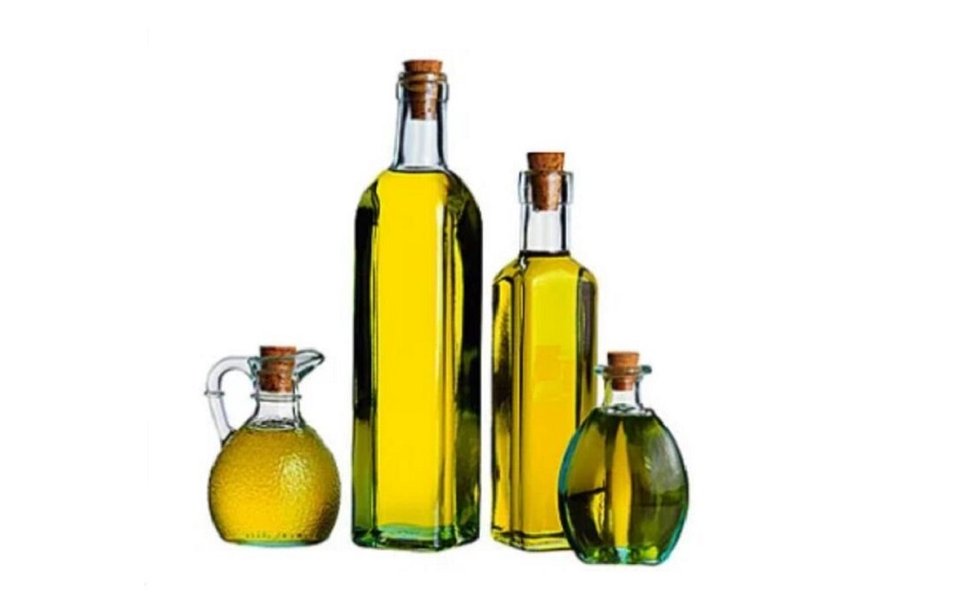
Storing oils in dark bottles or containers helps preserve their quality by protecting them from light.
The Versatility of Vegetable Oils
Many oils are simply labeled "vegetable oil." This usually means it's a blend of different plant-based oils, most commonly soybean, canola, corn, or sunflower oil. These blends are generally neutral in flavor and have a moderate smoke point, making them versatile for various cooking tasks, from baking to frying. While they can be a convenient option, always check the label to understand the specific blend of oils used, as their health profiles can vary based on the predominant oil in the mix.
Oils and Your Diet: A Holistic View
While choosing healthy oils is great, remember that moderation is key. Oils, like all fats, are calorie-dense. This means they provide a lot of energy in a small amount. So, even healthy oils should be used mindfully. The American Heart Association recommends replacing "bad" fats (saturated and trans fats) with "good" fats (monounsaturated and polyunsaturated) as a smart strategy for heart health. This includes not just cooking oils, but also fats found naturally in foods like nuts, seeds, and avocados.
To deepen your understanding of cooking oils and their impact on health, here's a video from the American Heart Association:
This video from the American Heart Association offers practical tips on selecting and using healthy cooking oils, emphasizing their role in promoting heart health and preventing chronic diseases. It serves as a valuable resource for understanding how to incorporate beneficial fats into your daily diet for a healthier lifestyle.
Comparing Different Cooking Oils: A Quick Guide
To help you compare some common cooking oils, here’s a table summarizing their main characteristics and best uses:
| Oil Type | Primary Fat Type | Smoke Point (Approx.) | Flavor Profile | Best Uses | Key Health Benefits |
|---|---|---|---|---|---|
| Extra Virgin Olive Oil | Monounsaturated | 375°F (191°C) | Fruity, Peppery, Grassy | Salad dressings, sautéing, drizzling, dipping bread | Heart health, anti-inflammatory, rich in antioxidants |
| Avocado Oil | Monounsaturated | 520°F (271°C) | Neutral, Mild | High-heat cooking, roasting, grilling, frying, baking | Heart health, rich in oleic acid, nutrient absorption |
| Canola Oil | Monounsaturated & Polyunsaturated (Omega-3 ALA) | 400°F (204°C) | Neutral | Baking, sautéing, general-purpose cooking | Heart health, lowers LDL cholesterol |
| Sesame Oil (Light) | Monounsaturated & Polyunsaturated | 410°F (210°C) | Nutty | Sautéing, stir-frying, Asian cuisine | Antioxidants, supports blood sugar management |
| Toasted Sesame Oil | Monounsaturated & Polyunsaturated | 350°F (177°C) | Strong, Toasted Nut | Finishing oil, dressings, flavor enhancer | Antioxidants, flavor benefits |
| Sunflower Oil (High Oleic) | Monounsaturated | 450°F (232°C) | Neutral | Frying, roasting, high-heat applications | Heart health, rich in oleic acid |
| Grapeseed Oil | Polyunsaturated (Omega-6) | 420°F (216°C) | Light, Clean | Baking, dressings, light sautéing | Vitamin E, may support cardiovascular health |
| Coconut Oil | Saturated (Medium-chain triglycerides) | 350°F (177°C) | Tropical, Coconut | Baking, certain Asian/Tropical dishes (use sparingly) | Source of MCTs (use in moderation due to high saturated fat) |
Frequently Asked Questions (FAQ) About Cooking Oils
What are the "good" fats in cooking oils?
Why is smoke point important when cooking with oils?
Is olive oil good for high-heat cooking?
Should I avoid all saturated fats in oils?
How should I store my cooking oils?
Conclusion: Fueling Your Body Smartly with Oils
So, there you have it! Cooking oils are way more than just something to grease your pan. They're essential for our health, providing energy, helping us absorb important vitamins, and keeping our cells and organs happy. By understanding the different types of fats and paying attention to things like smoke point and flavor, you can choose the best oils for your cooking and boost your meals with awesome nutrients. Remember to swap out those "bad" fats for the "good" ones, and use all oils in moderation. Happy cooking, and here's to a healthier you!
Recommended Further Exploration
- How do different cooking oils affect cholesterol levels?
- What are the best oils for heart health and cardiovascular benefits?
- Tips for choosing and storing healthy cooking oils effectively
- The role of omega-3 and omega-6 fatty acids in different oils