
Advancing Green Energy: Treatment and Utilization of Onion Skin For Electricity Generation
Harnessing Agricultural Waste for a Sustainable Energy Future
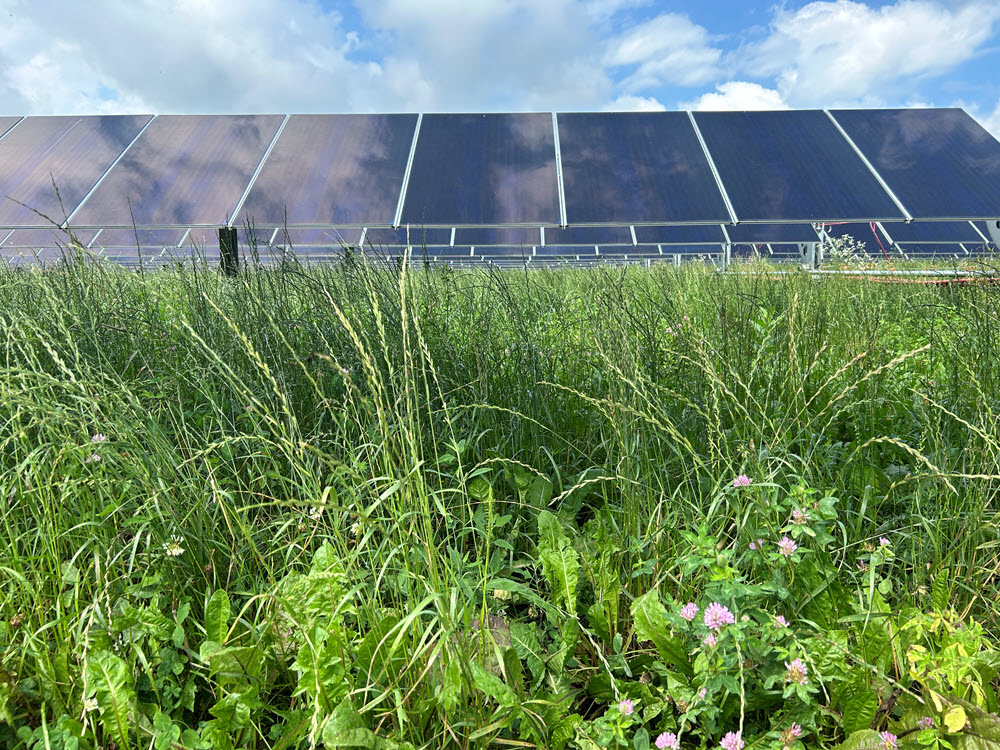
Key Takeaways
- Environmental Impact: Onion skin waste contributes significantly to agricultural pollution, necessitating sustainable management solutions.
- Renewable Energy Potential: Onion skins possess biochemical and piezoelectric properties suitable for electricity generation.
- Technological and Economic Challenges: Optimizing conversion processes and ensuring scalability and economic viability are critical for successful implementation.
Introduction
The global energy landscape is undergoing a transformative shift, propelled by the urgent need to transition from fossil fuels to sustainable and renewable energy sources. Concurrently, the management of agricultural and agro-industrial waste has become a pressing environmental concern. Among the various agricultural by-products, onion skin stands out as a predominantly underutilized resource with significant potential for green energy production. This intersection of waste management and renewable energy generation presents a unique opportunity to address two critical global challenges simultaneously.
Environmental Impact of Onion Skin Waste
Volume of Waste Generated
Onion production is a substantial agricultural activity worldwide, resulting in the generation of approximately 500,000 tons of onion skin waste annually within the European Union alone. This volume of waste poses significant disposal challenges, contributing to environmental pollution and ecosystem degradation.
Challenges in Traditional Disposal Methods
Traditional methods of onion skin disposal, such as field spreading or landfilling, are fraught with environmental drawbacks. These methods can lead to soil contamination, the proliferation of pests, and the release of odorous compounds that negatively impact surrounding communities. Furthermore, the lack of efficient disposal mechanisms exacerbates the environmental burden associated with agricultural waste.
Potential of Onion Skins in Renewable Energy Generation
Biochemical and Piezoelectric Properties
Onion skins contain cellulose, which exhibits natural piezoelectric properties. This means they can generate electrical energy when subjected to mechanical stress, such as vibrations or pressure. Additionally, the biochemical composition of onion skins makes them a viable candidate for biochemical energy conversion processes.
Advantages Over Conventional Materials
Unlike many traditional piezoelectric materials that are often toxic, non-biodegradable, and costly to produce, onion skins offer a biodegradable and environmentally friendly alternative. Their natural abundance and low cost further enhance their appeal as a sustainable energy source.
Challenges in Conversion and Utilization
Optimization of Conversion Processes
Transforming onion skins into a reliable source of electrical energy involves optimizing the conversion processes to maximize efficiency and output. This includes refining mechanical and biochemical methods to harness the piezoelectric properties effectively.
Scalability Issues
For onion skin-based energy generation to make a significant impact, the technologies developed must be scalable. This involves ensuring that the methods can be applied on an industrial scale without compromising efficiency or increasing costs prohibitively.
Economic Viability
The economic feasibility of utilizing onion skins for electricity generation is a critical factor. This encompasses the cost-effectiveness of the conversion technologies, the potential for commercialization, and the overall return on investment compared to existing renewable energy sources.
Sustainability Objectives and Environmental Benefits
Reduction of Environmental Footprint
By diverting onion skins from traditional disposal methods, the environmental footprint associated with agricultural waste can be significantly reduced. This contributes to lower greenhouse gas emissions, decreased soil and water contamination, and overall improved ecosystem health.
Promotion of a Circular Economy
Utilizing onion skins for energy generation aligns with the principles of a circular economy, where waste materials are repurposed into valuable resources. This approach not only minimizes waste but also creates economic opportunities by adding value to what would otherwise be discarded.
Technological Opportunities and Innovations
Advanced Conversion Technologies
Innovations in mechanical processing and biochemical conversion technologies are essential to enhance the efficiency of electricity generation from onion skins. Research into optimizing piezoelectric materials and developing novel conversion mechanisms can unlock the full potential of onion skins as an energy source.
Integration with Existing Energy Systems
Integrating onion skin-based energy systems with existing renewable energy infrastructures can provide a hybrid approach to energy generation. This synergy can enhance the reliability and stability of power supplies, especially in regions with abundant onion production.
Economic and Social Implications
Cost-Effectiveness and Market Potential
Developing cost-effective methods for converting onion skins into electricity is paramount for the widespread adoption of this technology. The market potential is significant, given the dual benefits of waste management and energy production, which can attract investments and support from both private and public sectors.
Job Creation and Rural Development
The establishment of onion skin conversion facilities can create employment opportunities, particularly in rural areas where onion farming is prevalent. This can stimulate local economies and promote socioeconomic development alongside environmental sustainability.
Table: Comparative Analysis of Onion Skin-Based Energy Generation
| Aspect | Onion Skin-Based Energy | Conventional Energy Sources |
|---|---|---|
| Resource Availability | Abundant agricultural waste | Finite fossil fuels |
| Environmental Impact | Biodegradable and low pollution | High pollution and greenhouse gas emissions |
| Cost | Low-cost raw materials | High extraction and processing costs |
| Scalability | Potentially high with technological advancements | Already established infrastructure |
| Renewability | Renewable through continuous agricultural cycles | Non-renewable |
| Biocompatibility | Eco-friendly and biodegradable | Often toxic and non-biodegradable |
Conclusion
The treatment and utilization of onion skin for electricity generation represent a promising frontier in the quest for sustainable energy solutions. By addressing the dual challenges of agricultural waste management and the escalating demand for renewable energy, this research holds the potential to contribute significantly to environmental sustainability and economic development. However, the realization of this potential is contingent upon overcoming technological, scalability, and economic hurdles. Continued research and innovation in this domain are essential to transform onion skin waste into a viable and efficient source of green electricity, thereby fostering a more sustainable and resilient energy future.
References
Last updated February 12, 2025