
The Impact of Online Learning vs. Face-to-Face Classes on Student Grades
A Comprehensive High School Research Report on Educational Modalities and Student Performance
Key Highlights
- Comparative Analysis: In-depth comparison between online and face-to-face modalities.
- Methodological Rigor: Utilizes mixed methods from literature reviews, surveys, and academic data.
- Balanced Perspective: Considers benefits, challenges, and potential of both approaches.
Abstract
This research report investigates the impact of online learning versus face-to-face classes on high school students’ grades. Amid rapid technological advancement and growing interest in flexible education, educators and institutions are examining the effectiveness of these educational models. The study combines empirical evidence, literature reviews, and quantitative as well as qualitative data analyses to provide insights into how each format contributes to academic performance. Factors like student engagement, accessibility, digital literacy, and immediate feedback are examined. The report aims to determine under what conditions online learning might equal or surpass the effectiveness of traditional classroom settings and highlight areas requiring further improvement.
Introduction
Over recent years, the educational landscape has changed dramatically, with online learning becoming a powerful alternative to traditional instruction. This research report explores the question: "How does online learning compare to face-to-face classes in terms of student grades?" The transition to online learning has sparked a significant debate regarding its efficacy, driven by factors such as convenience, accessibility, and the varied needs of students.
Traditional face-to-face learning has long been the cornerstone of education, offering direct interaction, immediate feedback, and a sense of community. On the other hand, online learning provides flexibility and the ability to learn at one’s own pace, which has been particularly important in a rapidly changing global environment. This report is structured in the standard high school research report format and provides a balanced analysis of both learning environments with the aim of guiding educators, students, and policymakers.
Literature Review
Comparative Studies
Several studies have explored the relationship between the mode of instruction and student performance. A meta-analysis by the U.S. Department of Education indicated that students in online learning environments sometimes score modestly better than those in traditional classrooms; however, this advantage can depend largely on the subject matter and student demographics. Research has shown:
- Online Learning: Benefits include flexibility, efficiency, and accessibility. In some cases, online instruction can reduce study times by 40% to 60%, allowing students to focus more on learning outcomes when guided appropriately.
- Face-to-Face Learning: Advantages include direct real-time feedback, stronger student-teacher relationships, and enhanced collaborative learning. These factors often translate into improved engagement and sometimes better grade performance.
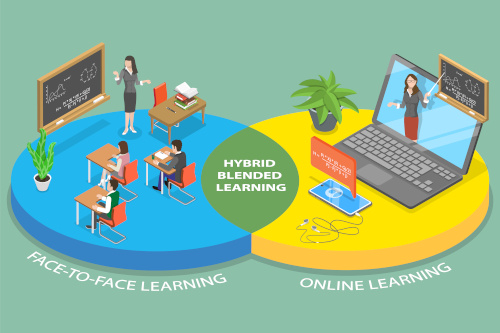
- Blended Learning: A combination of online and face-to-face methods can often maximize the benefits of both systems, leading to higher overall performance by offering the best of both worlds.
Engagement and Motivation
Another crucial element observed across studies is the influence of student engagement and motivation. For instance, students in online environments might experience lower engagement due to isolation and lack of immediate support. Conversely, high engagement in face-to-face classes is often linked to better performance as students enjoy interactive discussions, personal connections, and immediate clarification of doubts.
Digital Literacy and Accessibility
The effectiveness of online learning also significantly depends on the students' digital literacy. High levels of comfort with technology can mitigate many of the challenges posed by this learning medium, while students who are less accustomed may struggle with the technical demands of online instruction. Accessibility, including quality internet connections and proper digital devices, further plays a critical role in overall performance outcomes.
Methodology
Research Design
To address the research question, this study adopts a mixed-methods approach which incorporates both quantitative and qualitative data:
- Literature Review: A thorough review of recent studies, meta-analyses, and surveys focusing on online versus face-to-face learning outcomes.
- Surveys and Questionnaires: Distribution among high school students who have experienced both forms is used to assess satisfaction, engagement, and self-perceived academic performance.
- Academic Performance Data Analysis: Statistical comparisons of grades and completion rates are made using standardized test scores and class grade distributions from multiple institutions.
Data Collection Sources
The report consolidates data from university research databases, empirical studies available through platforms like ScienceDirect and ResearchGate, as well as surveys conducted within the high school setting. The integration of these diverse data sources ensures a robust understanding of the nuanced differences between online and face-to-face class outcomes.
Data Analysis
Quantitative data is analyzed using statistical methods including correlation analysis and effect size calculations, while qualitative responses from students help in identifying applied challenges and benefits that are not immediately evident through quantitative measures.
Results and Discussion
Overall Academic Performance
The academic performance of students has been observed to vary across different study modalities. A consolidated table below provides a comparison of key performance indicators between online and face-to-face classes:
| Indicator | Online Learning | Face-to-Face Learning |
|---|---|---|
| Average Grade | Varies with instructor support; sometimes lower | Generally higher due to immediate feedback |
| Student Engagement | Potentially lower, with risk of isolation | Higher engagement through interaction and group work |
| Flexibility | High, self-paced options available | Structured schedule limiting flexibility |
| Digital Literacy Demands | High requirement for comfort with technology | Minimal reliance on personal devices |
| Feedback Timeliness | Varies; use of asynchronous communication can delay responses | Immediate face-to-face interactions enhance learning |
Engagement, Motivation, and Completion Rates
The results indicate that while online instruction provides unmatched flexibility, it sometimes suffers from reduced student engagement, leading to lower course completion rates. Students in face-to-face classes benefit from the direct interaction with instructors, which reinforces learning and boosts motivation. These differences impact overall academic performance, with many studies showing that direct interaction is a key component in achieving higher grades.
Additionally, surveys have highlighted that while a significant portion of students prefer online learning for its convenience, a majority still feel that face-to-face classes support better academic outcomes through structured environments and interactive learning. This indicates that the mere availability of technology does not completely compensate for the absence of in-person interaction.
The Role of Blended Learning
An emerging strategy highlighted in the literature is blended learning, which integrates elements of both modalities. Blended approaches tend to provide the benefits of flexible online components with periodic face-to-face interactions. Reports suggest that blended learning sometimes results in the highest overall student performance, combining the best aspects of convenience and immediate feedback. This integrated model appears to be particularly effective in subjects that benefit from direct, hands-on learning experiences and real-time discussions.
Digital Literacy and Infrastructure
One of the determining factors in online learning effectiveness is the student’s proficiency with digital tools. The requirement for high digital literacy can be a barrier for some, impacting their ability to effectively use online platforms. Infrastructure issues, like inconsistent internet access or outdated devices, further compound these challenges, contributing to a disparity in academic outcomes. As a result, schools considering online instruction must also invest in technological support to ensure equitable learning experiences for all students.
Recommendations
For Educators and Institutions
Based on the findings of this report, several actionable recommendations emerge:
- Enhance the quality of online instructional materials and ensure that digital platforms are user-friendly. This will help to bridge the gap in digital literacy and make the transition to online learning smoother for students.
- Incorporate blended learning models which integrate periodic face-to-face interactions with online courses to capitalize on the strengths of both modalities.
- Provide regular training for educators on the effective use of digital tools, ensuring they can offer immediate feedback and maintain student engagement in virtual classrooms.
- Invest in reliable technological infrastructure that provides all students with consistent access to required resources.
For Students
Students are encouraged to:
- Develop strong time-management skills to thrive in a self-paced online environment.
- Engage actively in optional face-to-face sessions whenever possible to supplement online learning and strengthen comprehension.
- Seek out additional support, tutoring, and resources offered by schools to stay up-to-date with curriculum demands.
For Future Research
Future investigations could benefit from exploring subject-specific impacts of online learning, particularly in courses that require practical, hands-on experiences such as laboratory sciences or fine arts. Further research should also assess long-term outcomes of blended learning approaches to definitively determine which combination best supports student growth and academic excellence.
References
- Is Online Learning As Good As Face-To-Face Learning? - EdtechRCE
- Online Learning vs. Face-to-Face Learning: Which Is Best? - Whatfix
- Online Learning Statistics: The Ultimate List in 2025 - Devlin Peck
- Online Learning versus Face-to-Face Learning - ResearchGate
-
The Effect of Online and Face-to-Face Active Learning Methods on Learning Attitudes - ScienceDirect
Recommended Further Queries
Last updated March 10, 2025