
Effects of Online Learning vs Face-to-Face Classes on Students' Grades
A comprehensive exploration of academic performance across learning modalities
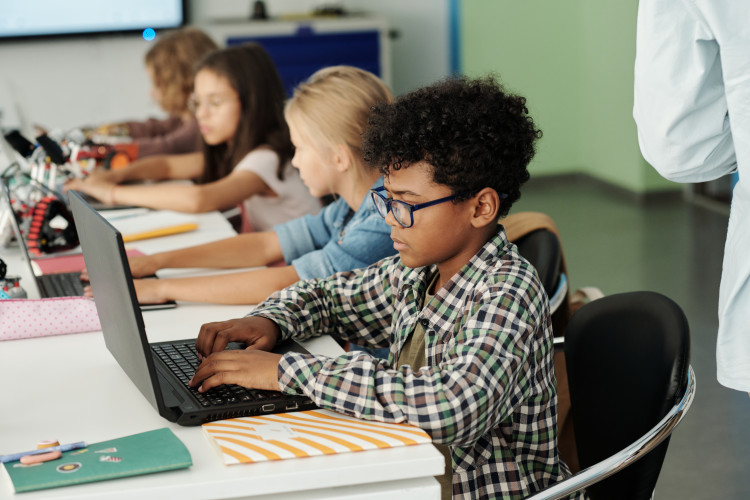
Key Highlights
- Comparative Outcomes: Studies show varying outcomes for student grades in online versus F2F settings.
- Influential Factors: Engagement, course design, student characteristics, and pedagogical methods play significant roles.
- Innovative Solutions: Hybrid models and alternative grading systems are emerging as effective strategies.
Introduction
Over the past few decades, the evolution of digital technologies has transformed the education landscape. The transition from traditional face-to-face (F2F) teaching to online learning has generated considerable debate regarding academic performance. A series of studies have attempted to evaluate how these teaching models affect students' grades.
This research report presents an in-depth analysis of the effects that online learning and F2F classes have on student grades. It examines the underlying factors influencing academic performance, compares student engagement and retention, and discusses innovative pedagogical strategies. By synthesizing credible research findings, this report also highlights the benefits and challenges associated with each mode of learning.
Background
Evolution of Learning Modalities
Traditional face-to-face education has been the cornerstone of academic instruction for centuries. It offers immediate interaction between instructors and students, enabling dynamic discussions, instant feedback, and tailored support. On the other hand, online learning has surged in popularity, especially following the advent of the COVID-19 pandemic.
Online education provides learners with flexibility, affordability, and access to a vast array of digital resources. However, the lack of a physical classroom has raised concerns regarding reduced student motivation, lower retention of information, and difficulties in monitoring student progress. As institutions attempt to adapt to emerging trends, the effectiveness of both online and F2F learning continues to be a focal area of education research.
Methodology
Research Approach and Data Analysis
To evaluate the effects of online learning versus F2F classes on student grades, this report synthesizes data from multiple research studies, meta-analyses, and case studies. The comparative analysis includes:
- Quantitative data on grade point averages (GPAs), course completion rates, and withdrawal statistics.
- Qualitative insights on student satisfaction, engagement, and the overall learning environment.
- Examination of factors such as student demographics, course structure, and teaching methodologies.
Research findings have been drawn from studies conducted by academic journals, reputable online educational platforms, and detailed statistical reports. Each study contributes to a holistic understanding of how varied learning environments influence student academic performance.
Comparative Analysis
Academic Performance and Grade Outcomes
Academic performance is often measured by final course grades and overall GPA. The research reveals a complex picture:
Online Learning Outcomes
Online courses have been associated with both high variability and certain challenges:
- Some studies indicate that students enrolled in online courses may experience lower GPAs compared to their counterparts in F2F classes, particularly due to higher dropout rates and less robust engagement.
- However, other research highlights that motivated and self-disciplined students can achieve similar or even enhanced academic outcomes when provided with well-designed online curricula.
- The grade distribution in online classes tends to show a higher incidence of A's alongside increased rates of D's and F's, suggesting a broader performance gap.
Face-to-Face Learning Outcomes
Traditional classroom settings are often characterized by:
- Improved interpersonal interaction, leading to higher student motivation and effective learning support.
- Better structure and routine, which some studies correlate with higher academic performance. Students benefit from immediate feedback, direct monitoring, and personalized interactions with educators.
- More consistent grade outcomes with fewer extreme grade variations compared to online learning environments.
Factors Influencing Student Grades
Student Attributes and Learning Environment
Apart from the mode of delivery, several variables contribute to educational outcomes:
Student Characteristics
Individual attributes such as prior GPA, degree program, level of self-discipline, and even demographic factors play a critical role in shaping academic performance. Research indicates that:
- Younger students or those with less prior academic preparation might find the self-directed nature of online learning challenging.
- Students in STEM fields or those requiring hands-on instruction tend to benefit more from face-to-face interactions.
- Well-prepared and motivated students can thrive regardless of the mode, suggesting that intrinsic motivation often mediates the impact of the learning environment.
Course Design and Teaching Methods
The structure of the course and the teaching methodology are pivotal:
- Online courses often utilize self-paced modules and asynchronous learning, which can be supplemented with interactive tools such as discussion boards, virtual simulations, and multimedia content.
- In the F2F environment, classroom discussions, in-person labs, and real-time feedback support a more immersive and engaging learning process.
- Some educators are incorporating innovative teaching strategies such as mastery-based or competency-based grading to foster deeper understanding, regardless of the delivery method.
Technological and Infrastructural Elements
Technology plays a multifaceted role in online education:
- Advanced Learning Management Systems (LMS) facilitate streamlined communication, monitoring, and assessment. However, the efficiency of these systems depends largely on the instructor’s training and the students' technological access.
- In a physical classroom, technology supports learning through interactive whiteboards, digital projectors, and other in-room technologies, but its use is often limited compared to the extensive digital portfolios available online.
Comparative Outcomes Table
| Outcome | Online Learning | Face-to-Face Learning |
|---|---|---|
| Grades | Generally lower or equivalent performance with a greater variance, showing more A's and extreme grades. | Typically higher grades with fewer extremes; better consistency in assessment results. |
| Course Completion | Generally lower completion rates with higher drop-out statistics. | Higher completion and retention rates due to structured support. |
| Student Engagement | Often reports of isolation and reduced engagement if not supplemented with interactive components. | Enhanced engagement through interpersonal interactions and immediate feedback. |
| Flexibility | Offers high flexibility, accommodating diverse schedules and geographical barriers. | Less flexibility, but structured around real-time scheduling and interaction. |
Innovative Pedagogical Strategies
Alternative Grading and Hybrid Models
Recognizing the limitations of traditional grading systems, educators are increasingly exploring alternative methods that emphasize student progress and personalized learning approaches. Notable strategies include:
Mastery-Based Grading
Mastery-based grading requires students to demonstrate proficiency or mastery of specific learning objectives before moving on to new content. This approach encourages students to focus on understanding rather than simply accumulating points.
Competency-Based Grading
This method assesses students based on their ability to apply skills and knowledge in practical situations, which can be more reflective of real-world performance.
Hybrid Learning Models
Hybrid models combine the flexibility of online learning with the engagement of F2F classes, delivering the best of both worlds. These models incorporate online components, such as virtual lectures and digital assignments, with in-person sessions that focus on interactive discussions and collaborative projects.
By embracing these innovative strategies, educators can tailor their teaching methods to better accommodate the diverse needs of students, ultimately improving both academic performance and overall satisfaction.
Discussion
Evaluating the Educational Impact
The comprehensive review of empirical studies shows that both online and traditional F2F learning environments offer unique benefits and challenges. While face-to-face instruction traditionally offers higher levels of student engagement, improved retention rates, and more consistent academic outcomes, online education provides flexibility and a diversity of learning modalities that can be particularly advantageous to self-directed and technologically adept students.
Several factors, including student demographics, prior academic preparation, and course-specific requirements, influence whether online learning might be as effective as in-person instruction. For instance, courses requiring practical demonstrations or laboratory work often benefit from the immediate feedback and interactive nature of face-to-face classes. Conversely, theoretical subjects or topics that rely on readily accessible digital resources might be equally well-suited to online formats.
In addition to grading comparisons, research has also highlighted differences in learner satisfaction. Many students report feeling a sense of isolation in fully online programs, which can diminish motivation and impact overall performance. To address this issue, institutions are now integrating collaborative technologies and periodic in-person sessions to reinforce student engagement.
Practical implementations of online education continue to evolve, with modern Learning Management Systems (LMS) providing data analytics that allow instructors to monitor student progress closely, thereby enabling timely interventions when necessary. These technological enhancements, combined with innovative teaching methodologies, hold the promise of bridging performance gaps between online and face-to-face instruction.
Additional Considerations for Future Research
Addressing Emerging Challenges
Future research should focus on several key areas to further delineate the strengths and limitations inherent to both online and face-to-face educational formats:
- Longitudinal Studies: Tracking student performance across multiple terms can provide deeper insights into the long-term impacts of each mode of learning.
- Technological Innovations: Evaluating the effects of emerging educational technologies, such as augmented reality and AI-driven tutoring systems, on student engagement and grades.
- Customized Learning Experiences: Exploring adaptive learning strategies that cater to individual student needs can potentially enhance academic outcomes in both settings.
- Demographic Variability: More research is needed to analyze how age, socio-economic background, and academic preparedness affect the comparative effectiveness of online and F2F learning.
Addressing these areas will help educators and policymakers design more effective curricula, ensuring that regardless of the learning environment, all students have the opportunity to excel academically.
Future Directions in Educational Strategies
Innovative Approaches and Policy Integration
As the distinction between online and face-to-face education continues to blur, educational institutions are increasingly considering hybrid models that integrate the strengths of each approach. These innovative strategies include:
- Blended Learning Programs: These combine online digital media with traditional classroom methods to create a more flexible curriculum that still supports personal interaction.
- Flexible Scheduling Models: Allowing students to access courses online while scheduling periodic in-person sessions to reinforce learning and provide mentorship.
- Enhanced Faculty Training: Investing in professional development for instructors to better utilize digital technologies, which can help bridge the gap between different teaching methodologies.
Policy makers are also urged to consider infrastructure investments in technology-enhanced classrooms and high-quality online content creation. Such measures could significantly improve student engagement and academic performance across diverse demographics. Furthermore, integrating student feedback into course design will help to continually refine both online and traditional education models, ensuring that they meet the evolving demands of the modern learning environment.
References
- Is Online Learning As Good As Face-To-Face Learning? - Edtech RCE
- Online vs in-person learning in higher education: Effects on performance - Nature
- Student Performance in Remote Learning - Inside Higher Ed
- Comparative Study on Online Learning vs Face-to-face - GradesFixer
- Online Learning vs Face-to-Face - ResearchGate
- Online Learning vs Face-to-face Learning - Language Mingling
- Comparative Analysis in E-Learning - Springer
Recommended Further Reading
Last updated March 10, 2025