
Optimal Antibiotic Management for Chronically Infected Hip Hardware
Comprehensive Strategies for MRSE and Corynebacterium striatum Infections
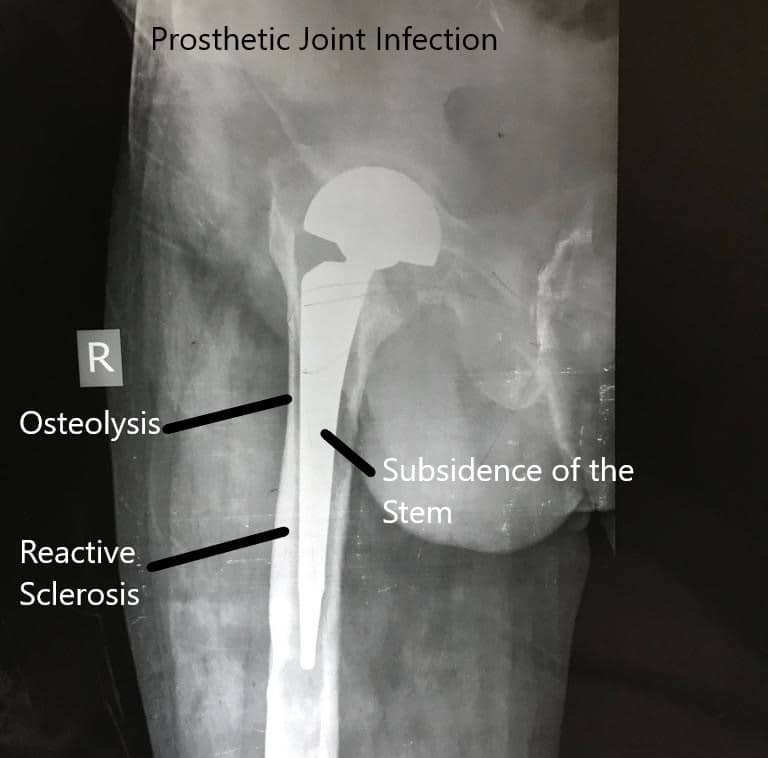
Key Takeaways
- Vancomycin remains the first-line antibiotic, offering effective coverage for both MRSE and C. striatum.
- Alternative therapies such as Linezolid and Daptomycin are viable options for patients intolerant to vancomycin.
- Prolonged antibiotic therapy, often spanning 4-8 weeks intravenously, is essential for managing prosthetic joint infections.
Introduction
Prosthetic joint infections (PJIs) represent a serious complication in orthopedic surgery, often requiring a multifaceted treatment approach. In the case of a 59-year-old male with a chronically infected right hip hardware, where cultures have identified Methicillin-Resistant Staphylococcus epidermidis (MRSE) and Corynebacterium striatum, the selection of an appropriate antibiotic regimen is critical for successful eradication of the infection and preservation of joint function.
Understanding the Pathogens
Methicillin-Resistant Staphylococcus epidermidis (MRSE)
MRSE is a coagulase-negative staphylococcus commonly associated with biofilm formation on medical devices, including orthopedic hardware. Its resistance to methicillin and other beta-lactam antibiotics necessitates the use of alternative agents such as vancomycin.
Corynebacterium striatum
C. striatum is an increasingly recognized pathogen in chronic infections, particularly in immunocompromised individuals or those with indwelling medical devices. It exhibits multidrug resistance, complicating treatment protocols.
Antibiotic Treatment Options
Primary Antibiotic Choice: Vancomycin
Vancomycin is the cornerstone of therapy for PJIs involving MRSE and C. striatum due to its potent activity against these organisms. Key reasons for its preference include:
- Excellent efficacy against MRSE and C. striatum.
- Ability to penetrate biofilms, which are common in hardware-associated infections.
- Proven success in osteoarticular infections with good tissue penetration.
The typical regimen involves intravenous administration for an initial period of 4-6 weeks, which may be adjusted based on clinical response and microbiological data.
Alternative Antibiotic Options
In scenarios where vancomycin is contraindicated or the patient exhibits intolerance, alternative antibiotics include:
- Daptomycin: Effective against MRSE and C. striatum, especially in patients with renal impairment or vancomycin allergies.
- Linezolid: Offers excellent oral and intravenous options, with good bioavailability and tissue penetration. It is particularly useful in cases where prolonged therapy is anticipated.
- Teicoplanin: Another glycopeptide antibiotic with efficacy similar to vancomycin, though availability may be limited based on regional formularies.
Combination Therapy
For polymicrobial infections or severe cases, combination therapy may be warranted to enhance antimicrobial efficacy and prevent resistance development. Potential combinations include:
- Vancomycin plus Rifampin: Rifampin is added for its ability to penetrate biofilms and work synergistically with vancomycin. However, Rifampin should never be used as monotherapy due to the rapid emergence of resistance.
- Vancomycin plus Piperacillin-Tazobactam: Provides broader coverage in complex infections, though careful monitoring for potential drug interactions and toxicity is essential.
Oral Step-Down Therapy
After the initial intravenous phase, transitioning to oral antibiotics may be considered, primarily with agents like Linezolid, provided susceptibility profiles support this approach. Oral therapy facilitates outpatient management and reduces the risks associated with prolonged intravenous lines.
Duration of Antibiotic Therapy
The management of PJIs typically requires an extended course of antibiotics to ensure complete eradication of the infection. The general consensus recommends:
- Initial IV Therapy: 4-6 weeks of intravenous antibiotics such as Vancomycin.
- Oral Suppression: May be necessary based on clinical response, culture results, and the timing of hardware re-implantation.
- Long-Term Suppression: In cases where re-implantation is delayed, prolonged or indefinite suppressive oral antibiotic therapy may be warranted.
Combination with Surgical Management
Surgical intervention is a pivotal component of managing PJIs. In the described scenario, the patient underwent hardware explantation and first-stage revision with spacer placement, which is aligned with best practices for addressing biofilm-associated infections.
- Removal of infected hardware is crucial as biofilms formed on these surfaces are resistant to antibiotic therapy.
- Spacer placement facilitates local antibiotic delivery and maintains joint space, promoting better outcomes in subsequent re-implantation surgeries.
Monitoring and Key Considerations
Susceptibility Testing
It is imperative to confirm the susceptibility profiles of both MRSE and C. striatum to chosen antibiotics, as resistance patterns may vary. Tailoring antibiotic therapy based on culture and sensitivity results enhances treatment efficacy and mitigates resistance risks.
Biofilm Considerations
Both MRSE and C. striatum are adept at forming biofilms, complex communities that shield bacteria from antibiotic penetration and immune responses. Effective management necessitates:
- Complete removal of infected hardware to disrupt biofilms.
- Use of antibiotics with good biofilm penetration and activity.
Adverse Effects and Monitoring
Prolonged antibiotic therapy necessitates vigilant monitoring to prevent and manage adverse effects:
-
Vancomycin: Regular monitoring of renal function and trough levels to prevent nephrotoxicity.
-
Linezolid: Hematologic parameters should be monitored due to risks of thrombocytopenia and other blood dyscrasias.
-
Daptomycin: Monitoring for signs of muscle toxicity and regular creatine kinase (CK) levels is recommended.
Antibiotic Regimen Summary
| Antibiotic | Indication | Dosage | Monitoring |
|---|---|---|---|
| Vancomycin | First-line for MRSE and C. striatum infections | 15-20 mg/kg IV every 8-12 hours | Renal function, vancomycin trough levels |
| Daptomycin | Alternative when vancomycin contraindicated | 6-8 mg/kg IV once daily | Renal function, CK levels |
| Linezolid | Alternative with excellent bioavailability | 600 mg IV or PO every 12 hours | Hematologic parameters, liver function |
| Teicoplanin | Alternative glycopeptide antibiotic | Loading dose followed by maintenance doses based on weight | Renal function, Teicoplanin levels if available |
Conclusion
Managing a chronic PJI in a 59-year-old male with MRSE and C. striatum requires a meticulous and evidence-based antibiotic strategy. Vancomycin stands out as the first-line agent due to its robust efficacy against both pathogens and its ability to penetrate biofilms. Alternatives such as Linezolid and Daptomycin are essential considerations for patients with contraindications to vancomycin. Prolonged antibiotic therapy, combined with surgical interventions like hardware explantation and spacer placement, forms the backbone of effective PJI management. Continuous monitoring for adverse effects and adjusting therapy based on susceptibility profiles are paramount to ensuring successful outcomes and preventing recurrence.
References
Last updated January 21, 2025