
Overview of the Oradour-sur-Glane Massacre
A Detailed Examination of the 1944 Tragedy and Its Aftermath
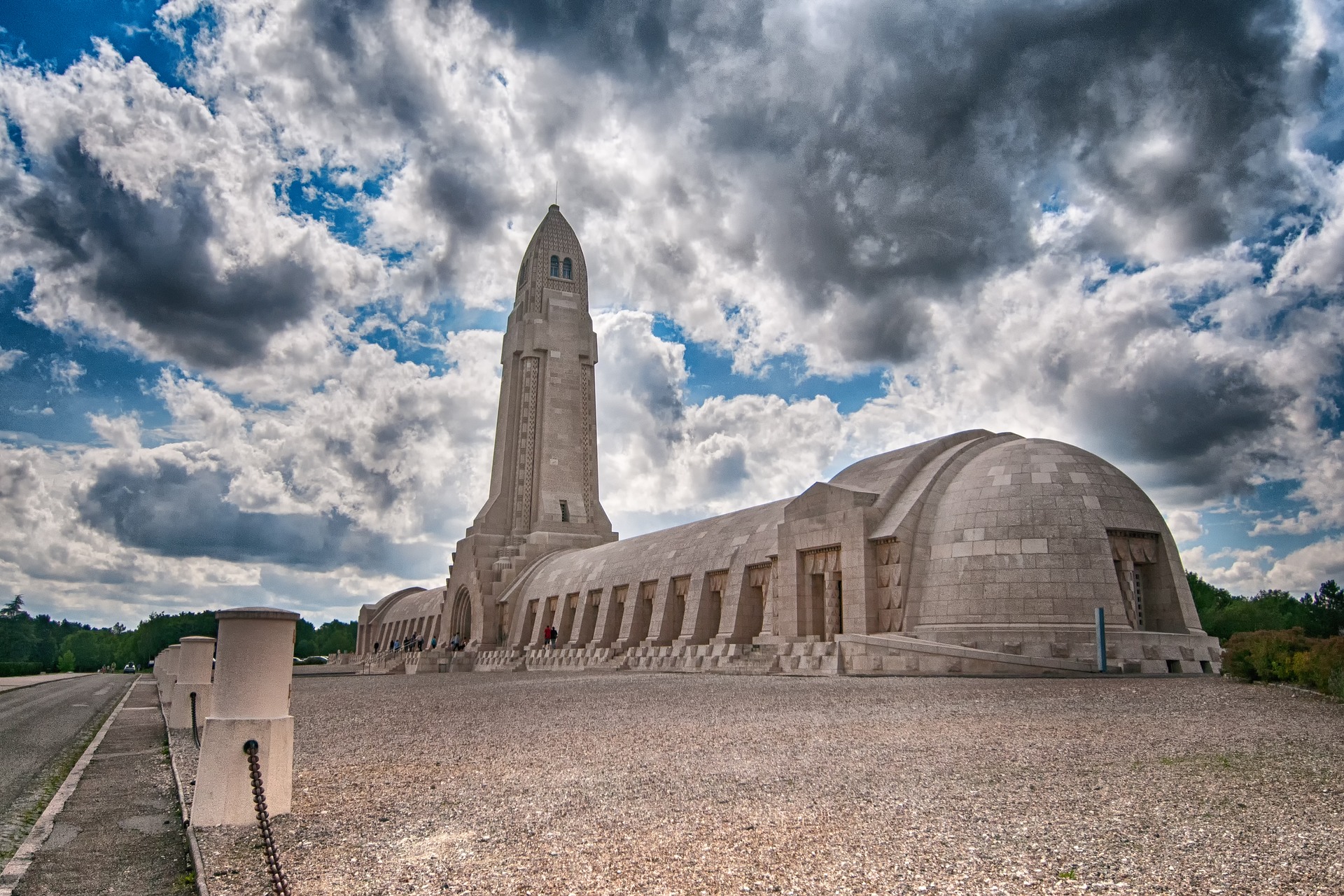
Key Highlights
- Brutal Atrocity: The massacre on June 10, 1944, resulted in the deaths of 643 civilians, including men, women, and children, as a brutal reprisal by Nazi troops.
- Systematic Destruction: The village was deliberately razed, and survivors witnessed the systematic execution and burning of civilians in a church and other community buildings.
- Enduring Memorial: Post-war, General Charles de Gaulle ensured that Oradour-sur-Glane remains a permanent memorial to honor the memory of its victims, serving as a poignant symbol of the brutality of the Nazi occupation.
Historical Context and Background
In the early summer of 1944, Europe was ensnared in the final, desperate phases of World War II following the D-Day landings of June 6, 1944. The village of Oradour-sur-Glane, situated in the Haute-Vienne department of France, became the site of one of the most harrowing massacres of the conflict. On June 10, 1944, just days after the Allied invasion of Normandy, forces from the Waffen-SS "Das Reich" Division carried out a merciless reprisal attack on the village.
The massacre was primarily motivated by counter-retribution against the French Resistance, which had been actively engaged in assaults and sabotage against German operations. There were also elements of retaliation for specific incidents, as noted in some accounts, where local German officers sought to instill terror in the civilian population. Regardless of the precise catalyst, the decision to target Oradour-sur-Glane was a deliberate act meant to serve as a deterrent to other communities.
Events of June 10, 1944
The Gathering and Separation
On that fateful morning, soldiers from the 2nd SS Panzer Division Das Reich arrived in Oradour-sur-Glane under the pretext of conducting identity checks. The inhabitants, realizing the gravity of the situation, had little hope of resistance. The villagers were forced to congregate in the town square, where young, old, and vulnerable alike were assembled under an atmosphere thick with fear and uncertainty.
Reports indicate that the SS soldiers quickly separated the male population from the women and children. This grim act of segregation was designed to facilitate the subsequent, state-sponsored acts of violence against different segments of the population. While the men were guided towards barns and sheds for execution, the women and children were directed to seek refuge in the local church.
The Execution and Mass Murder
The events that unfolded next are remembered as among the most brutal in the history of World War II. The men, once separated, were systematically led to various outbuildings and executed. In many cases, accounts detail the use of firearms and other lethal methods to ensure that there would be no survivors among the adult male population. While a few men managed temporary escapes, the overwhelming narrative is one of ruthless precision and brutality.
Simultaneously, the fate of the women and children was equally horrific. Confined within the church, they found themselves trapped as the SS troops unleashed a barrage of machine gun fire and incendiary devices upon them. The tragic scene reached its climax when, in a desperate but impossible bid for escape during the ensuing chaos, the building itself became a fiery tomb. The violence was indiscriminate and merciless, with reports indicating that a number of victims were burned alive as they tried to escape the inferno.
In total, 643 civilians lost their lives that day, distributed approximately among 190 men, 247 women, and 205 children. This calculated extermination left an indelible scar on the fabric of French society and the historical memory of World War II.
Destruction of the Village
In addition to the mass killings, the SS forces conducted a thorough and systematic destruction of Oradour-sur-Glane. Buildings were set on fire, and the village was reduced to a collection of ruins. The destruction was methodical, ensuring that no semblance of the former community would remain intact.
The obliteration of the village served not only to punish the local population but also to erase a part of French cultural and historical heritage. The charred remains of structures, including houses, community buildings, and the church, were left as silent testimony to the cruelty inflicted upon the villagers.
Aftermath and Memorialization
Immediate Post-War Repercussions
In the wake of World War II, the atrocities committed at Oradour-sur-Glane became emblematic of the dehumanizing brutality of the Nazi regime. Although the post-war period was marked by efforts to seek justice and hold perpetrators accountable, the legal and political complexities of the time meant that not all those responsible were swiftly punished.
In 1953, a trial was conducted against several SS men involved in the massacre. While a number of the accused were convicted and received prison sentences, only a limited number faced the ultimate penalty. Nonetheless, these legal proceedings underscored the international community’s demand for accountability and the repudiation of war crimes.
The Decision to Preserve the Ruins
Recognizing the historical significance and the moral lessons embedded within the tragedy, French General Charles de Gaulle made a landmark decision post-war: Oradour-sur-Glane would not be rebuilt. Instead, the ruined village was preserved as a memorial, a place of remembrance and reflection dedicated to the civilians who lost their lives in such a cruel and unprovoked act.
The preservation of the ruins was intended to serve as a constant reminder of the sacrifices made and the severe consequences of unchecked totalitarian power. By maintaining the site in its damaged state, future generations could viscerally experience the stark realities of war and the depths to which human cruelty can descend.
Establishment of Memorial Centers
Over the years, to facilitate education and remembrance, the Centre de la Mémoire was established at Oradour-sur-Glane. This memorial center provides historical documentation, personal testimonies, and detailed exhibits that recount the events of June 10, 1944. The center serves not only as a place for reflection but also as an educational resource that helps impart the lessons of history on the challenges of totalitarianism, militarism, and the importance of human rights.
The site now attracts hundreds of thousands of visitors annually, including historians, students, and dignitaries from around the world, all seeking to comprehend and remember the scale of the atrocity.
Detailed Analysis Through a Comparative Table
| Aspect | Description |
| Date of Incident | June 10, 1944 |
| Location | Oradour-sur-Glane, Haute-Vienne, France |
| Perpetrators | German Waffen-SS "Das Reich" Division |
| Number of Victims | 643 civilians (approximately 190 men, 247 women, 205 children) |
| Modus Operandi |
|
| Post-War Action | Trial of SS officers, preservation of ruins as a memorial |
| Significance | A symbol of Nazi brutality and collective punishment; an enduring reminder of the cost of war |
Educational and Historical Implications
Lessons on Atrocity and Memory
The massacre at Oradour-sur-Glane is a stark reminder of the extreme measures often employed in wartime as a tool of terror. It raises important questions about the limits of military reprisal, collective punishment, and the moral responsibilities of occupying forces during conflict. Historians and educators use Oradour-sur-Glane to illustrate the devastating human consequences of war, particularly on civilian communities.
The importance of preserving sites of historical trauma cannot be understated. By keeping the ruins intact, the memory of the atrocity remains untempered by time or reconstruction, allowing visitors to confront the harsh reality of the past. In an era where the lessons of history might otherwise be sanitized or forgotten, such memorials are crucial in ensuring that the narratives of victimhood and resistance are sustained.
The Role of Resistance and Retribution
While the massacre was ostensibly a punitive response to the activities of the French Resistance, it is emblematic of the broader policies of terror employed by the Nazi occupation forces. The systematic execution of non-combatants reveals not only a disdain for human life but also a calculated strategy to demoralize populations and discourage resistance.
Through this lens, the event has been analyzed both as a tragic instance of overreach by military forces and as a defining moment in the struggle for liberation. The actions in Oradour-sur-Glane serve as a sobering case study for discussions on war crimes, the ethics of warfare, and the importance of distinguishing between combatant and civilian targets.
Long-Term Impact and Global Recognition
Continued Research and Public Interest
Academic research into the events of June 10, 1944, remains active. Scholars continue to analyze archival materials, survivor testimonies, and new historical methodologies to gain a deeper understanding of the massacre. This ongoing research has contributed significantly to the narratives of World War II, highlighting the complexities of military expediency versus humanitarian ethics.
The preservation of Oradour-sur-Glane as a memorial site has also led to its recognition as a place of pilgrimage. The site is visited by those seeking to understand not only the local impact of the war but also the broader implications of conflict-induced trauma worldwide.
Digital Archiving and Virtual Exhibits
With the advent of digital archiving and virtual exhibits, the legacy of Oradour-sur-Glane has been extended beyond physical boundaries. Modern initiatives have digitized records and created interactive exhibits that allow a global audience to explore the events and personal stories associated with the massacre.
This digital transformation ensures that even as time advances, the historical record remains accessible to future generations, fostering education and encouraging informed discussions on human rights, the cost of war, and international justice.
Comparative Analysis: Lessons from Other Wartime Atrocities
Similar Atrocities and Their Memorialization
The tragedy at Oradour-sur-Glane is one of many wartime atrocities where entire communities have suffered the consequences of brutal military reprisal. Similar events, such as those witnessed in various parts of Europe and Asia during World War II, have spurred debates about collective punishment and civilian protection in conflict zones.
While each event is contextually unique, the common thread remains the stark reminder of how political and military decisions can devastate communities. The analysis of these events collectively reinforces the need for international laws designed to prevent such occurrences in the future, such as the Geneva Conventions and later human rights treaties.
In educational settings, drawing comparisons between these historical instances helps to articulate the broader implications of warfare. The deliberate preservation of sites like Oradour-sur-Glane serves as a tangible embodiment of these lessons, ensuring that the horrors of the past continue to inform present-day policies and humanitarian efforts.
Reflecting on the Remembrance of Oradour-sur-Glane
Continuing the Memory and Teaching Future Generations
The designation of Oradour-sur-Glane as a memorial site reinforces the imperative of remembrance. This approach—preserving rather than reconstructing—ensures that future generations will have an unaltered window into the past. The decision made by General Charles de Gaulle has, over the decades, stimulated both national and international dialogue on the ethical dimensions of historical memory.
Memorialization is intrinsic to the healing process and to preventing the recurrence of such tragedies. The existence of detailed accounts, survivor testimonies, and archival records at Oradour-sur-Glane provides scholars and the general public with a profound educational resource that bridges the gap between the history of the conflict and modern discussions on human rights.
Institutions and museums dedicated to World War II continue to incorporate the story of Oradour-sur-Glane into broader narratives of the war, emphasizing not only the military and political dimensions but also the deep human cost of violent occupation and intolerance.
Additional Resources and Further Reading
For those seeking further insight into the events at Oradour-sur-Glane, numerous digital archives, memorial sites, and scholarly articles provide extensive coverage of this tragic event. These resources offer detailed chronological accounts, personal testimonies, and rigorous historical analyses of both the massacre and its long-term implications.
Key Resources Table
| Resource | Description | Link |
| Wikipedia | Comprehensive historical overview of the massacre. | Oradour-sur-Glane Massacre - Wikipedia |
| The National WWII Museum | Detailed article and historical documentation on the massacre. | Oradour-sur-Glane: Martyred Village - National WWII Museum |
| PBS | Multimedia presentation on the history and impact of the massacre. | Village of Death: Oradour-Sur-Glane 1944 - PBS |
| Britannica | Encyclopedic entry detailing the historical context and events. | Oradour-sur-Glane - Britannica |
| Ushmm Encyclopedia | Historical perspectives from the Holocaust Encyclopedia. | Oradour-sur-Glane - Ushmm Encyclopedia |
References
- Oradour-sur-Glane Massacre - Wikipedia
- Oradour-sur-Glane: Martyred Village - National WWII Museum
- Village of Death: Oradour-Sur-Glane 1944 - PBS
- Oradour-sur-Glane - Britannica
- Oradour-sur-Glane - Ushmm Encyclopedia
Recommended Related Queries

Last updated March 14, 2025