
ASME IX Course Overview
Explore detailed course information and industry standards
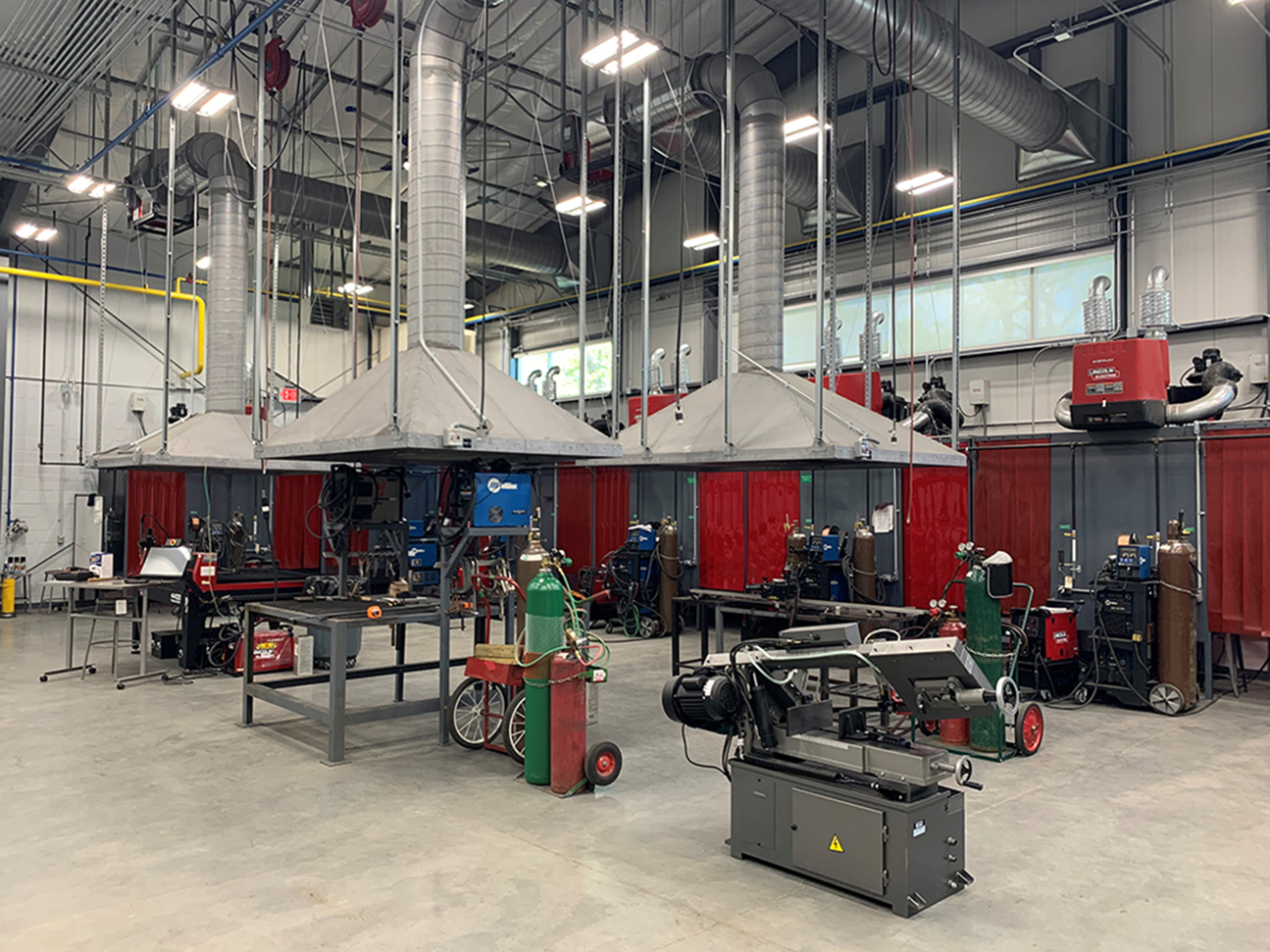
Highlights
- Comprehensive Foundation: Gain an in-depth understanding of welding procedure specifications, welder qualifications, and testing requirements.
- Diverse Course Offerings: Options range from on-demand videos and virtual training to hands-on workshops.
- Industry-Relevant Training: Courses target engineers, quality control professionals, and welding inspectors in various manufacturing sectors.
Introduction to ASME Section IX
The ASME Section IX course is an essential training module that revolves around the American Society of Mechanical Engineers’ guidelines related to welding, brazing, and fusing procedures. This set of standards is a key component of the ASME Boiler and Pressure Vessel Code (BPVC) focusing on the qualification and documentation of welding procedures. Through a blend of theoretical principles and practical applications, these courses serve professionals engaged with designing, inspecting, and auditing welding procedures. They cater to a wide range of industry sectors, including but not limited to boiler manufacturing, petrochemical processing, and energy systems.
Purpose and Applications
ASME Section IX is set forth to standardize the processes involved in welding and brazing tasks across various industrial applications. The objective is to ensure that welders and the procedures they follow reach a high degree of quality, strength, and safety. By ensuring that welding procedures specifications (WPS) and procedure qualification records (PQR) are properly established and validated, organizations can secure compliance with rigorous quality and safety standards in manufacturing and construction.
Key Components of ASME Section IX
Participants in an ASME IX course typically receive training in several principal areas:
Welding Procedure Specifications (WPS)
A Welding Procedure Specification (WPS) is a formal document that outlines the welding methods and parameters necessary to produce a weld with the required mechanical properties. The WPS includes details such as welding techniques, materials, equipment selection, and protective measures. Understanding WPS documentation helps ensure that the welding procedures meet regulatory standards and that the final products perform safely and reliably.
Procedure Qualification Records (PQR)
The Procedure Qualification Record (PQR) serves as the empirical evidence that the welding procedure, as described in the WPS, is capable of producing acceptable welds. It comprises results from test welding under controlled conditions and includes data on process parameters such as heat input and filler metal type. The PQR is critical for validating the welding process and establishing a reliable relationship between theoretical design and practical outcomes.
Welder Performance Qualification (WPQ)
In addition to procedural documentation, a significant focus is also placed on welder performance qualification. The WPQ assesses the capabilities of individual welders to produce consistent and high-quality welds under both standard and challenging conditions. It verifies that a welder can effectively interpret the instructions and execute the procedures specified in the WPS.
Metallurgical Considerations
An in-depth understanding of the metallurgy of the base metals being welded is critical. ASME IX courses address the fundamental principles of steel welding metallurgy, thermodynamics, and heat-affected zone management. This aspect ensures that welders and engineers are prepared to handle a variety of metals and understand how different welding methods impact the mechanical properties of the final product.
Course Offerings and Providers
Multiple organizations provide ASME Section IX training courses, catering to a diverse audience including engineers, quality control personnel, and welding inspectors. These courses are designed with the flexibility to suit varying schedules through on-demand training, virtual classrooms, and extensive workshops. They present both theoretical and practical examinations of the ASME IX requirements.
Overview of Popular ASME IX Courses
Below is an overview of some highly regarded ASME Section IX course options available in the industry:
| Course Name | Provider | Format | Duration | Key Focus Areas |
|---|---|---|---|---|
| ASME BPV Code, Section IX: Welding Online Course | ASME | Online Video | Flexible | WPS, PQR, welder qualification |
| ASME BPV Code, Section IX: Welding Virtual Training Course | ASME | Virtual Classroom | Scheduled Sessions | Detailed rule explanations, case studies, Q&A sessions |
| Introduction to ASME Section IX | American Welding Society (AWS) | Online Webinar | Three Sessions | Fundamentals of WPS, PQR and welder qualification procedures |
| ASME Section IX Decoded: A Workshop | AWS | In-Person Workshop | 3 Days | Hands-on approach, cost-effective welding procedures, interactive problem-solving |
| ASME Section IX Training Course - Video Training by I4I Academy | I4I Academy | Online Video | 16 Hours | Comprehensive review of welding, procedure review, practice exams |
| LRQA ASME BPVC Section IX Training | LRQA | One-Day Course | 1 Day | Welding procedures and testing, quality assurance in welding |
Each course is structured to provide theoretical understanding matched with practical applications. Whether chosen for its flexibility as an online offering or its intensive approach as a hands-on workshop, the selection of a course can be tailored to the learner's background and professional needs.
Detailed Course Content and Structure
Diving deeper into the curriculum, an ASME Section IX course generally encompasses multiple facets of welding practice and theory. A thorough understanding of the following areas is pivotal:
Welding Process Fundamentals
Courses offer detailed modules on the underlying principles behind various welding processes. Topics include:
- Different welding techniques and their applications
- Equipment selection and operational parameters
- Process variables and their impact on weld quality
- Safety precautions associated with various welding methods
In-depth Documentation Procedures
A significant component of the training involves learning how to properly document weld procedures:
- Welding Procedure Specification (WPS): Detailed document outlining welding methods, process parameters, and quality control measures.
- Procedure Qualification Record (PQR): Compilation of test results and records that validate the effectiveness of the specified welding procedure.
- Welder Performance Qualification (WPQ): Certification process to ensure welders maintain the skill level required by the specifications.
Live Demonstrations and Practical Sessions
Several courses integrate live demonstrations or practical training sessions. These sessions are crucial for:
- Visualizing welding techniques and methods in real-time
- Practicing the various welding procedures under expert supervision
- Understanding the nuances of parameter adjustments during actual welding
- Gaining hands-on experience to reinforce theoretical knowledge
Testing, Qualification, and Certification
Certification in ASME Section IX generally involves testing components that mirror real-world welding challenges. These tests can include:
- Tensile strength tests
- Bend tests
- Impact and fatigue tests
Successful candidates are evaluated on the basis of their ability to execute and interpret these tests. Comprehensive instruction on these areas helps industry professionals meet compliance requirements while ensuring that the weld quality is maintained within safety limits.
The Industry Impact and Benefits of ASME IX Training
ASME Section IX training plays a critical role in ensuring that manufacturing processes involving welding are consistent with industry standards. The benefits extend across various dimensions:
Enhanced Quality Assurance
By conforming to rigorous qualification standards, companies can significantly improve the reliability and durability of their products. Well-documented processes reduce the margin of error and lead to predictable weld quality, which is paramount in industries where safety is critical.
Improved Safety Standards
The robust qualification process ensures that welding procedures are continuously monitored and tested. This approach minimizes the risks associated with weld failures and associated hazards in high-pressure or high-temperature environments.
Cost-Efficiency and Risk Management
Through proper training and qualification of process parameters, companies can lower the overall production costs. Investing in quality control through ASME IX compliance saves money in the long run by reducing rework, retrofitting, and unforeseen incidents.
Career Advancement and Professional Development
For professionals in the welding industry, obtaining certification through these courses not only enhances technical skills but also opens up opportunities for career advancement. Employers recognize the rigorous nature of ASME IX training, making certified professionals valuable assets in the industry.
Practical Considerations for Course Selection
When selecting an ASME IX course, professionals should consider several factors that align with their specific needs. These include:
Relevance to Current Role and Future Aspirations
It is important for individuals to choose courses not only based on their immediate job requirements but also with an eye toward future career opportunities. Whether you are a welder, an engineer, or a quality control supervisor, selecting a course that provides both fundamental and advanced insights into welding procedures is crucial.
Format and Flexibility
Courses are available in a variety of formats including online video sessions, virtual classrooms, and in-person workshops. Learners should assess their schedule constraints and preferred learning style before enrolling. For professionals who require a flexible learning environment, online courses are ideal. Conversely, hands-on workshops can offer more direct, practical experience.
Accreditation and Certification
It is essential to verify that the training provider is accredited by relevant industry bodies, such as the American Welding Society (AWS) or the ASME. Certification obtained from accredited courses not only reinforces compliance with industry standards but also builds credibility in a competitive job market.
Recap of Key ASME Section IX Concepts
To summarize, ASME Section IX training equips professionals with the following essential knowledge and skills:
- Understanding and developing comprehensive Welding Procedure Specifications (WPS).
- Documenting and validating procedures through accurate Procedure Qualification Records (PQR).
- Assessing and certifying individual welder performance via stringent qualification tests (WPQ).
- Applying metallurgical fundamentals to ensure that welding practices align with industry safety and quality standards.
- Leveraging flexible learning formats to meet professional development demands across various industrial applications.
Additional Insights on Training Effectiveness
ASME Section IX courses are continually updated to reflect the latest advancements in welding technologies and changes in industrial standards. Providers regularly incorporate new case studies, regulations, and technological innovations into their curricula. This dynamic approach ensures that course participants are well-prepared to confront emerging challenges in the field of welding and quality assurance.
Interactive Learning Environments
Many course offerings now include interactive components such as real-time Q&A sessions and simulated testing environments. These interactive modules help solidify understanding by allowing participants to apply theoretical knowledge in simulated real-world scenarios. Such interactive elements make the learning process engaging and practical.
Global Accessibility and Networking
Online courses have dramatically increased accessibility to ASME IX training across international boundaries. This global reach promotes a diverse exchange of ideas and best practices among professionals. Moreover, virtual classrooms and webinars foster networking opportunities that can be instrumental in career growth and the exchange of industry knowledge.
References
- ASME BPV Code, Section IX: Welding Online Course - ASME
- ASME BPV Code, Section IX: Welding Virtual Training Course - ASME
- Introduction to ASME Section IX - American Welding Society
- ASME Section IX Training Course - Video Training by I4I Academy
- ASME Section IX Decoded: A Workshop - American Welding Society
Recommended Related Queries
 hsbbookstore.myshopify.com
Last updated March 14, 2025