
Unraveling the Enigma of Ulrich: Historical and Cultural Insights
From Medieval Knights to Reformation Figures—Exploring Enduring Legacies
Key Highlights
- Historical Significance: Ulrich figures, such as Duke Ulrich of Württemberg and Ulrich von Hutten, played pivotal roles in shaping European history, from territorial disputes to religious reforms, influencing politics and culture profoundly.
- Character Depth: In literature and media, characters like Ulrich von Gradwitz in Saki's "The Interlopers" exemplify themes of enmity, redemption, and human nature, offering timeless lessons on conflict resolution and personal growth.
- Cultural Impact: The name Ulrich resonates through art, literature, and modern interpretations, as seen in historical artifacts and contemporary analyses, highlighting its enduring relevance in discussions of power, reform, and identity.
The Historical Figures Named Ulrich
Ulrich, a name steeped in history, evokes images of medieval knights, reformers, and influential leaders who shaped the course of European events. Derived from Old High German elements meaning "prosperity" and "power," it has been borne by numerous figures across centuries. This section delves into the lives and legacies of some of the most prominent individuals, drawing from reliable historical sources to provide a nuanced understanding. By examining their contributions, we can appreciate how these figures navigated complex socio-political landscapes, from the battlefields of the Holy Roman Empire to the intellectual arenas of the Reformation.
Ulrich, Duke of Württemberg: The Swabian Henry VIII
One of the most colorful characters in German history is Ulrich, Duke of Württemberg (1487–1550), often compared to England's Henry VIII for his tumultuous reign and personal volatility. Born into the House of Württemberg, Ulrich ascended to the duchy in 1498 at a young age, but it was his declaration of majority in 1503 that marked the beginning of his controversial rule. Historians describe him as a figure of extremes—charismatic yet impulsive, which led to both alliances and conflicts. His involvement in the Swabian League and wars against neighboring territories exemplified the feudal struggles of the era.
Ulrich's life was marked by significant events, including his exile in 1519 after conflicts with the Holy Roman Emperor Charles V, only to return triumphantly in 1534 with the aid of Protestant allies. This period coincided with the early Reformation, and Ulrich's eventual alignment with Protestantism reflected broader religious shifts. His efforts in church reforms and territorial expansions underscore his role as a bridge between medieval feudalism and emerging modern states. For instance, his patronage of the arts and architecture, such as the rebuilding efforts in Stuttgart, left a lasting cultural imprint.
Key Conflicts and Reforms
Ulrich's feuds, particularly with the Swabian League, were not merely personal vendettas but symptomatic of larger power dynamics. His marriage alliances and diplomatic maneuvers, though often fraught with drama, helped secure Württemberg's position. In the context of the Reformation, Ulrich's support for figures like Martin Luther positioned him as a key player in religious upheaval, influencing the spread of Protestant ideas in southern Germany.
Ulrich von Hutten: Humanist and Reformation Advocate
Shifting focus to the intellectual sphere, Ulrich von Hutten (1488–1523) stands out as a quintessential Renaissance humanist and early supporter of the Protestant Reformation. A knight by birth, von Hutten used his wit and pen as weapons in the fight against what he saw as corruption in the Catholic Church. His satirical writings, such as "Dialogues," lampooned ecclesiastical abuses and championed the cause of Martin Luther, making him a literary force in the early 16th century.
Von Hutten's life was a whirlwind of adventure and advocacy. Educated in humanism, he traveled extensively, engaging with key thinkers of the time. His involvement in the Knights' Revolt of 1522–23 against the Archbishop of Trier highlighted his commitment to reform. Despite his short life, von Hutten's works influenced public opinion and accelerated the Reformation's momentum. His exile and eventual death on the island of Ufenau in Lake Zurich symbolize the perils faced by reformers in a divided Europe.
Legacy in Literature and Thought
Von Hutten's contributions extend beyond theology; his poetry and polemics promoted German nationalism and the use of the vernacular, paving the way for modern literature. Scholars often analyze his role in bridging humanism and Protestantism, noting how his critiques foreshadowed later Enlightenment ideas. His story, as detailed in various historical accounts, serves as a reminder of how individual agency can spark widespread change.
Influence on Subsequent Generations
The impact of von Hutten is evident in how later figures drew inspiration from his boldness. For example, his emphasis on personal liberty influenced 19th-century German romanticism and nationalist movements, illustrating the long tail of his intellectual legacy.
Ulrich in Literature and Popular Culture
Beyond historical records, the name Ulrich appears in literature and media, often symbolizing conflict, redemption, and human complexity. In Saki's short story "The Interlopers," Ulrich von Gradwitz embodies the destructive nature of inherited feuds. This fictional character, locked in a generations-old dispute over land with Georg Znaeym, offers a poignant exploration of enmity and potential reconciliation amidst the Carpathian forests.
In this narrative, Ulrich's character arc—from a vengeful landowner to one extending an olive branch—highlights themes of forgiveness and the futility of hatred. Literary analyses frequently praise Saki's portrayal for its irony and depth, using Ulrich to critique societal divisions. Similarly, in modern media like the animated series "Code Lyoko," Ulrich is depicted as a competitive and loyal friend, adapting the name to contemporary contexts of teamwork and adventure.
Comparative Analysis of Ulrich Characters
To better understand these portrayals, it's helpful to compare how different Ulrichs are depicted across sources. The following table synthesizes key traits and contexts, drawing from historical and fictional accounts to illustrate patterns and divergences.
| Figure | Era/Context | Key Traits | Significance |
|---|---|---|---|
| Ulrich, Duke of Württemberg | 15th-16th Century, Holy Roman Empire | Volatile, reformist, militaristic | Shaped regional politics and supported Protestant Reformation |
| Ulrich von Hutten | Early 16th Century, Renaissance Europe | Humanist, satirical, patriotic | Advanced Reformation through literature and advocacy |
| Ulrich von Gradwitz (from "The Interlopers") | Fictional, early 20th Century literature | Stubborn, redemptive, feud-driven | Symbolizes the consequences of inherited conflicts and human empathy |
| Ulrich from "Code Lyoko" | Modern animated series | Competitive, loyal, adventurous | Represents youth resilience in digital and real-world challenges |
This table underscores the versatility of the name Ulrich, from real historical actors to fictional archetypes, each contributing to broader themes of power, change, and personal evolution.
Visual and Media Representations
Visual elements provide a tangible connection to the Ulrich legacy, offering insights into how these figures are perceived and remembered. Images of knights and historical artifacts evoke the chivalric ideals associated with the name, while videos bring historical narratives to life.
A Gallery of Ulrich Figures
This section features select images that capture the essence of Ulrich von Liechtenstein and related historical depictions, tying into themes of medieval knighthood and cultural heritage. These visuals not only illustrate the armored prowess and artistic representations but also deepen our understanding of the era's values, such as honor and valor in battle. For instance, depictions of Ulrich von Liechtenstein highlight the intersection of poetry and warfare, where knights were both warriors and patrons of the arts.

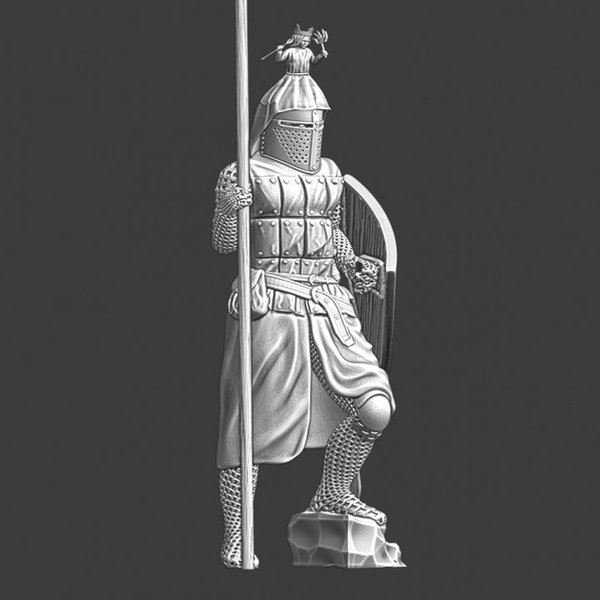
These images, sourced from historical replicas, showcase the intricate armor and symbolic imagery, reflecting how Ulrich figures embodied the ideals of chivalry in the 13th century. A deeper dive reveals that such representations influenced later romantic literature, blending history with myth to inspire modern interpretations of heroism.
Embedded Video Insight
To further enrich this exploration, consider the video titled "Ulrich Zwingli and the Dream of a Godly Commonwealth," which examines another prominent Ulrich—Ulrich Zwingli, a Swiss reformer. This video is particularly relevant as it parallels the reformist spirit seen in figures like von Hutten, providing a broader context to the Reformation's impact. Zwingli's efforts in establishing a theocratic state in Zurich mirror the transformative ambitions of other Ulrichs, emphasizing themes of religious and social reform.
This video offers an engaging analysis of Zwingli's life, highlighting his role in the Swiss Reformation and its implications for European history. By watching, viewers can connect the dots between different Ulrich narratives, appreciating how these figures collectively advanced ideas of governance and faith.
Frequently Asked Questions
-
What makes Ulrich, Duke of Württemberg, comparable to Henry VIII? Both rulers were known for their volatile personalities and significant impacts on their realms, with Ulrich's involvement in wars and reforms echoing Henry's marital and religious upheavals.
-
How did Ulrich von Hutten contribute to the Reformation? Through his satirical writings and support for Martin Luther, von Hutten helped galvanize public opinion against church corruption, accelerating the spread of Protestant ideas.
-
What themes are common in fictional portrayals of Ulrich? Characters like Ulrich von Gradwitz often explore themes of feud, redemption, and the human capacity for change, reflecting real historical tensions.
-
Why is the name Ulrich significant in history? It represents a lineage of influential figures in politics, literature, and reform, symbolizing power and intellectual pursuit across centuries.
-
How can I learn more about these figures? Refer to the references section below for credible sources that provide detailed accounts.
References
Last updated April 11, 2025