
Designing a Comprehensive Study on Osteal Macrophages in Zebrafish Development
A detailed guide for researchers exploring macrophage roles in skeletal biology
Key Takeaways
- Utilize advanced genetic and imaging techniques to track and manipulate osteal macrophages effectively.
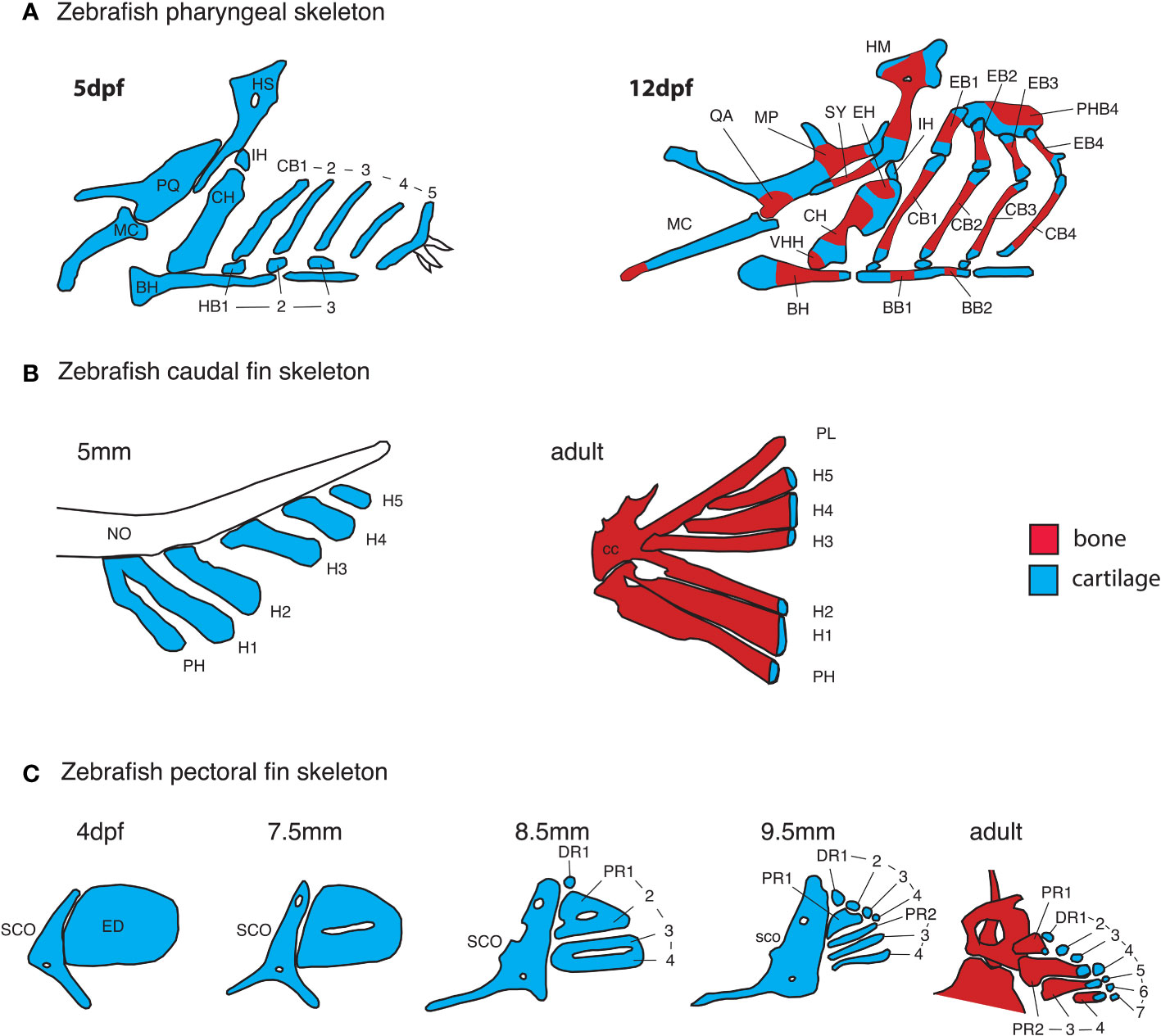
- Focus on specific developmental stages to understand the migration, differentiation, and interaction of macrophages with bone cells.
- Anticipate and mitigate technical and biological limitations to ensure robust and translatable findings.
Project Design and Methodological Suggestions
1. Define Clear Objectives and Hypotheses
Establish whether your primary interest lies in the formation, function, or interactions of osteal macrophages during zebrafish skeletogenesis. Formulate specific hypotheses regarding their roles in processes such as bone remodeling, repair, or signaling interactions with osteoblasts and osteoclasts.
2. Utilize Transgenic Reporter Lines
Employ transgenic zebrafish lines that express fluorescent proteins specifically in macrophages, such as Tg(mpeg1:EGFP) or Tg(mpeg1:mCherry). Combining these with bone-specific reporters (e.g., Tg(sp7:mCherry) or Tg(osteocalcin:EGFP)) can facilitate the visualization of interactions between macrophages and bone structures.
3. Develop Advanced Imaging Techniques
Leverage the optical transparency of zebrafish embryos and larvae by utilizing confocal or lightsheet microscopy for live imaging. Implement time-lapse imaging protocols to observe macrophage migration, differentiation, and interactions with the bone matrix in real-time.
4. Integrate Genetic Manipulations
Use CRISPR/Cas9 or morpholino-mediated knockdowns to disrupt genes critical for osteal macrophage function or differentiation. Complement these loss-of-function studies with overexpression or lineage-tracing experiments to elucidate cellular origins and fates.
5. Employ Functional Assays
Design assays to measure outcomes such as bone density, osteoblast activity, or bone regeneration (e.g., following fin or jaw injury). Assess how modulating macrophage activity through pharmacological inhibitors or genetic tools affects skeletal development and homeostasis.
6. Perform Transcriptomic and Proteomic Analyses
Isolate macrophage populations from zebrafish tissues using fluorescence-activated cell sorting (FACS) based on fluorescent reporters. Conduct single-cell RNA sequencing to profile gene expression and identify specific markers or signaling pathways involved in osteal macrophage development and function.
Potential Limitations and Risks
1. Technical Challenges in Macrophage Isolation and Imaging
Isolating macrophages without causing lysis is technically demanding, potentially impacting the quality of downstream analyses such as RNA sequencing. High-resolution live imaging requires specialized equipment and expertise, with risks of phototoxicity and developmental disruptions from prolonged exposure to intense light.
2. Difficulty in Specific Targeting and Marker Specificity
Distinguishing osteal macrophages from other macrophage subsets can be challenging due to overlapping markers. Without well-established osteal macrophage-specific markers in zebrafish, there is a risk of misidentification or contamination with other immune cell types.
3. Genetic and Physiological Differences Between Zebrafish and Mammals
While zebrafish are a powerful model organism, differences in genetic regulation and bone physiology compared to mammals may limit the translatability of findings. Bone structures in zebrafish are thinner with fewer osteocytes, which could affect the applicability of results to human conditions.
4. Developmental Complexity and Stage Sensitivity
Macrophage populations are heterogeneous and their functions can vary across developmental stages. Missing transient windows during which osteal macrophages are most active may result in incomplete understanding of their roles. Ensuring precise staging and synchronization among specimens is essential.
5. Ethical and Regulatory Considerations
Adhere to ethical guidelines for animal research, ensuring proper handling, housing, and minimizing stress and harm to zebrafish. Compliance with institutional and governmental regulations is mandatory.
6. Data Interpretation and Potential Off-Target Effects
Genetic manipulations such as CRISPR/Cas9 may produce off-target effects, complicating phenotypic analyses. Compensatory biological mechanisms might mask the effects of gene disruptions, leading to false negatives or ambiguous results. Implementing appropriate controls and rescue experiments is crucial for valid interpretations.
7. Resource Intensity and Expertise Requirements
High-throughput screening, live imaging, and advanced genetic manipulations require significant resources, including specialized equipment and expertise. Ensuring access to necessary facilities and trained personnel is essential for the successful execution of the study.
Recommended Strategies to Mitigate Risks
1. Collaboration and Expertise Sharing
Partner with experts in zebrafish genetics, bone biology, and advanced imaging to enhance study design and execution. Collaborative efforts can provide access to specialized techniques and knowledge, improving the robustness of the research.
2. Conduct Pilot Studies
Perform preliminary experiments to validate methodologies, such as cell marker specificity and imaging protocols. Pilot studies can help identify and address potential issues early in the research process, saving time and resources in the long run.
3. Comprehensive Literature Review
Stay updated with the latest research on osteal macrophages and zebrafish models. Incorporating recent findings can refine experimental approaches and ensure the study is grounded in current scientific understanding.
4. Utilize Complementary Approaches
Combine in vivo imaging with molecular analyses, such as transcriptomics and proteomics, to gain a holistic view of osteal macrophage roles. Multimodal approaches can validate findings and provide deeper insights into cellular mechanisms.
Experimental Design: A Structured Approach
Defining Objectives and Hypotheses
Clearly articulate the primary goals of the study, whether it is to elucidate the role of osteal macrophages in bone development, their interactions with osteoblasts and osteoclasts, or their impact on bone homeostasis. Develop testable hypotheses based on these objectives to guide the research direction.
Selection of Transgenic Lines
Choose appropriate transgenic zebrafish lines that allow for the specific labeling and tracking of osteal macrophages. Combining macrophage-specific reporters with bone-specific markers can facilitate the study of cellular interactions and dynamics during skeletal development.
Imaging and Visualization
Implement advanced imaging techniques to visualize macrophage behavior in real-time. Confocal and lightsheet microscopy can be used to capture high-resolution images of macrophage migration, differentiation, and interactions with bone cells across different developmental stages.
Genetic Manipulation and Functional Studies
Utilize CRISPR/Cas9 or morpholino technologies to manipulate genes of interest in osteal macrophages. Assess the effects of these manipulations on bone development and macrophage function through functional assays measuring bone density, regeneration, and cellular activity.
Data Analysis and Interpretation
Analyze transcriptomic and proteomic data to identify key genes and pathways involved in osteal macrophage biology. Carefully interpret the results, considering potential compensatory mechanisms and ensuring that findings are biologically relevant and translatable to mammalian systems.
| Aspect | Suggestions | Potential Limitations/Risks |
|---|---|---|
| Genetic Models | Use transgenic lines with fluorescently tagged macrophages. | Off-target effects in genetic manipulations. |
| Imaging Techniques | Employ confocal and lightsheet microscopy for live imaging. | Phototoxicity and technical complexity. |
| Functional Assays | Measure bone density and regeneration in response to macrophage modulation. | Difficulty in isolating specific effects of macrophages. |
| Transcriptomic Analysis | Use single-cell RNA sequencing to profile gene expression. | Technical challenges in cell isolation and data interpretation. |
| Ethical Considerations | Ensure compliance with animal welfare regulations. | Potential ethical concerns in animal handling and experimentation. |
Conclusion
Designing a study to explore osteal macrophages in zebrafish development offers significant opportunities to advance our understanding of skeletal biology. By leveraging advanced genetic tools, sophisticated imaging techniques, and comprehensive functional assays, researchers can elucidate the roles and interactions of macrophages in bone development and homeostasis. However, it is essential to anticipate and address potential technical and biological limitations, ensuring that experiments are well-designed and findings are robust and translatable. Collaborating with experts, conducting pilot studies, and employing complementary research approaches will enhance the quality and impact of the study.
References
Last updated February 12, 2025