
Navigating Life's Crossroads: Managing Parkinson's Without Exercise and Post-Prostatectomy Constipation
A comprehensive guide to holistic well-being after prostatectomy, when traditional Parkinson's exercises are not feasible.
Key Insights for Comprehensive Management
- Prioritize Gentle, Consistent Movement: Even without formal Parkinson's exercises, integrating light, everyday activities like walking and stretching is crucial for maintaining mobility and combating both Parkinson's symptoms and post-prostatectomy constipation.
- Optimize Hydration and Fiber Intake: Drinking ample fluids and consuming a high-fiber diet are fundamental strategies for softening stools and promoting regular bowel movements, directly addressing severe constipation after prostatectomy.
- Collaborate with Your Healthcare Team: A multidisciplinary approach involving neurologists, urologists, physical therapists, and dietitians is essential to tailor medication, manage symptoms, and ensure a safe and effective recovery plan for both conditions.
Navigating the complexities of Parkinson's disease (PD) while simultaneously recovering from a prostatectomy and experiencing severe constipation presents a unique set of challenges. While exercise is widely recognized as a cornerstone of Parkinson's management, there are effective alternative strategies and complementary approaches when traditional workouts are not feasible. Similarly, severe constipation following prostatectomy is a common but manageable post-operative complication. This guide synthesizes expert recommendations to provide a comprehensive roadmap for managing both conditions, focusing on practical, evidence-based strategies to enhance your well-being and recovery.
Adapting to Life with Parkinson's Without Formal Exercise
Exercise is a vital component of Parkinson's disease management, proven to improve quality of life, maintain balance and mobility, and potentially slow symptom progression. However, if dedicated exercises are not possible, focusing on general physical activity and incorporating movement into daily life becomes paramount. The goal is to avoid a sedentary lifestyle, which can exacerbate PD symptoms and contribute to other health issues.
Embracing Movement in Everyday Life
Even without structured exercise programs, consistent movement throughout the day can offer significant benefits. Engaging in routine daily activities that keep you on your feet, such as washing dishes, folding laundry, light yard work, or shopping, can be as important as formal trips to the gym in delaying the degeneration of motor symptoms. The principle is to keep your heart rate elevated for a significant portion of the day, adapting concepts like High Intensity Functional Intervals (HIFI) to everyday tasks where safe and possible.
Alternative Therapies and Gentle Activities
For individuals with Parkinson's, even less intensive activities can help maintain flexibility and balance. Tai Chi, with its gentle, low-impact movements, has been shown to improve mobility and coordination. Similarly, adapted yoga can increase strength, flexibility, and balance, serving as a milder alternative to more strenuous exercises. These activities can be tailored to individual needs and physical limitations, providing a valuable means of engagement without excessive strain.
The Role of Physical and Occupational Therapy
Even if strenuous exercise is not possible, consulting with physical and occupational therapists specializing in Parkinson's is crucial. They can conduct a full functional evaluation and recommend tailored movement strategies, stretching routines, and assistive devices. These professionals can help reduce rigidity, improve flexibility, and aid daily function, ensuring that movement is optimized within safe parameters for post-prostatectomy recovery.
Harnessing Social and Mental Well-being
Social and mental engagement plays an indirect yet vital role in managing Parkinson's symptoms. Participating in support groups, engaging in hobbies, or joining community activities that are not physically intensive can positively impact mood, cognitive function, and overall quality of life. Maintaining cognitive engagement through mental exercises and socialization can also help mitigate cognitive decline, a common non-motor symptom of PD that can be exacerbated by a lack of physical activity.
Overcoming Severe Constipation After Prostatectomy
Severe constipation is a frequent and uncomfortable complication following a prostatectomy. This can be attributed to several factors, including the effects of anesthesia, the use of pain medications (especially narcotics, which are highly constipating), reduced physical mobility, and changes in diet and routine. Prompt and effective management is crucial to prevent discomfort and potential complications, such as straining, which can put undue stress on the surgical site and impair healing.
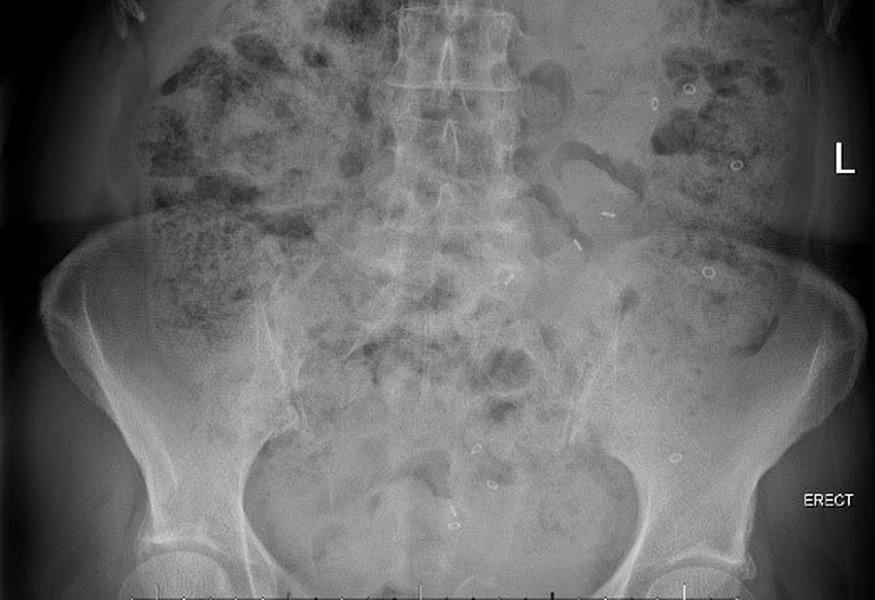
Understanding the root causes of constipation is the first step towards effective management.
Hydration and Dietary Adjustments: Your First Line of Defense
Adequate hydration is paramount for managing constipation. Drinking plenty of fluids, aiming for at least eight to ten glasses of water daily, helps to soften stool and facilitate its passage. Dehydration makes constipation more likely and hinders the digestive process. Alongside hydration, increasing dietary fiber through whole grains, fruits, vegetables, and legumes is essential. Fiber adds bulk to stool, making it softer and easier to pass. While increasing fiber, it's important to avoid extreme dietary changes and gradually introduce new foods to prevent digestive upset. Eating smaller, more frequent meals (e.g., 5-6 small meals per day) can also aid bowel function.
Strategic Medication and Supplement Use
Your healthcare provider may recommend or prescribe stool softeners and mild laxatives. Stool softeners like docusate (Colace) help make stools softer and easier to pass, reducing the need for straining. Fiber supplements, such as psyllium (Metamucil), can also be very helpful. If constipation persists after a couple of days, a mild laxative like Agarol or natural remedies like prune juice or milk of magnesia may be effective. Always consult your doctor before using any new medications or supplements, especially in the post-operative period.
Gentle Movement and Bowel Practices
Even though rigorous exercise should be avoided initially after surgery, increasing daily gentle movement, such as short, gentle walks, can significantly help relieve constipation. Inactivity is a common cause of post-surgical constipation. When attempting a bowel movement, it is crucial to avoid pushing hard or straining, as this can cause pain and stress the surgical site. Establishing a regular bowel routine can also help train your bowels to move at a consistent time.
This radar chart illustrates the relative importance of various strategies for managing post-prostatectomy constipation and Parkinson's disease without formal exercises. Each axis represents a key aspect of care, from hydration and dietary fiber, crucial for bowel health, to gentle movement, medication adherence, collaboration with therapists, and mental engagement, which are vital for Parkinson's management. The two datasets highlight how some strategies, like hydration, benefit both conditions, while others are more heavily weighted for one or the other, showcasing the need for a balanced and integrated approach.
Integrating Care for Both Conditions
Effectively managing Parkinson's disease in the absence of traditional exercises alongside severe post-prostatectomy constipation requires a holistic and coordinated approach. Both conditions share risk factors such as reduced mobility and potential medication side effects, making integrated management essential.
This mindmap visualizes the interconnected strategies for managing Parkinson's disease without formal exercises and addressing severe constipation after a prostatectomy. The central root node branches into distinct yet related areas: Parkinson's Management and Constipation Management. Each branch further details specific actions and considerations, emphasizing the importance of light movement, therapist collaboration, and medication optimization for Parkinson's, while highlighting hydration, fiber, and appropriate medical aids for constipation. The "Holistic & Coordinated Strategy" section underscores the necessity of a multidisciplinary team and symptom tracking, illustrating how these two complex health challenges can be addressed synergistically for improved patient outcomes.
Multidisciplinary Collaboration
The most effective approach involves close coordination among your healthcare providers. This includes your neurologist for Parkinson's management, your urologist for post-prostatectomy care, and potentially physical therapists, occupational therapists, and dietitians. This team can ensure that treatment plans are harmonized, minimizing conflicting interventions and optimizing overall health. For instance, they can review medications to ensure that PD drugs and pain management strategies do not inadvertently worsen constipation.
Medication Review and Adjustment
Pain medications, particularly opioids often prescribed after surgery, are a common cause of severe constipation. Whenever possible, discuss with your doctor the use of non-opioid pain relievers like ibuprofen or acetaminophen first. If opioids are necessary, their use should be monitored closely, and proactive constipation management strategies, such as stool softeners and laxatives, should be implemented simultaneously.
Tailored Movement Plans
Adapted exercises or light activity, tailored to your specific Parkinson's symptoms and post-prostatectomy recovery stage, can help stimulate bowel function while maintaining neurological health. Even short, frequent walks can contribute positively to both mobility and gut motility without overexertion. Always adhere strictly to your surgeon's recommendations regarding physical activity post-prostatectomy.
Comprehensive Strategy Table
The following table summarizes key strategies, outlining their benefits and important considerations for managing both Parkinson's without formal exercises and post-prostatectomy constipation:
| Strategy | Benefit for Parkinson's (without formal exercise) | Benefit for Post-Prostatectomy Constipation | Key Considerations |
|---|---|---|---|
| Hydration (8-10 glasses/day) | Supports overall cellular function; may mitigate rigidity | Softens stool, prevents impaction, aids digestion | Consistent intake throughout the day; consult doctor for fluid restrictions if any. |
| High-Fiber Diet | Supports gut health, which is linked to PD symptoms | Adds bulk to stool, promotes regular bowel movements | Gradual introduction to prevent bloating; include fruits, vegetables, whole grains. |
| Gentle Daily Movement | Maintains mobility, flexibility, and balance; combats rigidity | Stimulates bowel motility, reduces inactivity-induced constipation | Start with short walks, increase gradually as tolerated and advised by surgeon. Avoid straining. |
| Stool Softeners/Mild Laxatives | Indirectly reduces discomfort from constipation, improving overall well-being | Directly softens stool, eases passage, prevents straining and complications | Use as prescribed or recommended; do not overuse; report persistent issues to doctor. |
| Physical/Occupational Therapy | Provides tailored exercises, movement strategies, and assistive devices | Offers guidance on safe movement post-surgery that can aid bowel function | Seek therapists experienced in both PD and post-operative care. |
| Cognitive & Social Engagement | Enhances mental well-being, mood, and cognitive function; slows decline | Reduces stress and distraction, which can indirectly impact bowel regularity | Join support groups, engage in hobbies, maintain social connections. |
| Medication Review & Adjustment | Optimizes PD medication efficacy; manages side effects like constipation | Minimizes constipating effects of pain medications; ensures safe drug interactions | Regular consultation with neurologist and urologist to coordinate care. |
Effective management of these interconnected challenges requires a vigilant and proactive approach, combining medical guidance with careful lifestyle adjustments. By adhering to these strategies, you can significantly improve your comfort, recovery, and overall quality of life.
Understanding Post-Prostatectomy Constipation
Constipation after a prostatectomy is a common post-operative issue that can be exacerbated by various factors, including the effects of anesthesia, the use of pain medications, and reduced physical activity during recovery. This video provides valuable insights into managing constipation during surgical recovery, offering practical tips and explaining common causes.
"Video 10 - Constipation during Your Surgery Recovery - Mark's Prostate Cancer Experience" offers practical advice for managing post-operative constipation, a common concern after prostatectomy.
This video is highly relevant as it directly addresses constipation in the context of prostate cancer surgery recovery. It emphasizes the importance of managing this often-unspoken side effect to ensure a smoother healing process. The insights provided in the video, such as the role of hydration, diet, and gentle movement, align perfectly with the comprehensive strategies discussed earlier, reinforcing the importance of proactive bowel management to prevent discomfort and complications at the surgical site.
Frequently Asked Questions
What are the best non-exercise ways to manage Parkinson's symptoms?
How quickly should I expect bowel movements to return to normal after prostatectomy?
Can Parkinson's medications worsen constipation after prostatectomy?
When should I seek medical attention for constipation after prostatectomy?
Conclusion
Managing Parkinson's disease when traditional exercises are not an option, alongside severe constipation post-prostatectomy, requires a strategic and multifaceted approach. By prioritizing consistent gentle movement in daily life, optimizing hydration and dietary fiber, and carefully managing medications, you can significantly mitigate the challenges posed by both conditions. Collaboration with a multidisciplinary healthcare team, including neurologists, urologists, and therapists, is essential to ensure that all aspects of your care are integrated and tailored to your specific needs. Proactive management and open communication with your medical team are key to enhancing your recovery, comfort, and overall quality of life, allowing you to navigate this complex period with greater ease and confidence.
Recommended Searches
- What are the best adaptive exercises for Parkinson's disease post-surgery recovery?
- How can dietary strategies effectively manage chronic constipation in Parkinson's patients?
- What are effective non-pharmacological pain management techniques after prostatectomy to avoid constipation?
- What are the long-term bowel management strategies for individuals with Parkinson's disease after prostatectomy?