
Navigating Prostatectomy in Parkinson's Disease: Understanding the Complexities and Outcomes
A Comprehensive Look at Surgical Considerations, Risks, and Quality of Life for Patients with Co-occurring Conditions
Prostatectomy, a surgical procedure to remove all or part of the prostate gland, is a common treatment for conditions like benign prostatic hyperplasia (BPH) and prostate cancer. For individuals also living with Parkinson's disease (PD), this surgical decision presents a unique set of considerations. Parkinson's disease, a progressive neurodegenerative disorder affecting movement, is estimated to impact 3% of the population over 65 years of age. Given that both prostate issues and PD are predominantly diseases of the elderly, it is increasingly common for men to be diagnosed with both conditions concurrently. This necessitates a careful evaluation of surgical outcomes, potential complications, and the overall impact on a patient's quality of life.
Key Insights into Prostatectomy and Parkinson's Disease
- Continence Outcomes Post-Prostatectomy: Contrary to long-held beliefs, recent studies suggest that a significant majority of men with Parkinson's disease undergoing radical prostatectomy for cancer control maintain continence post-surgery. However, lack of voluntary sphincter control before surgery is a major risk factor for incontinence.
- Efficacy of BPH Surgery: Transurethral prostate resection (TURP) for benign prostatic obstruction (BPO) in PD patients has shown success rates of up to 70% in restoring voiding, with a minimal risk of new-onset urinary incontinence, especially when patients with multiple system atrophy are carefully excluded from the diagnosis.
- Complex Relationship with Prostate Cancer: The association between Parkinson's disease and prostate cancer is multifaceted. Some studies indicate a decreased risk of prostate cancer in Western PD populations, while others suggest a genetic link and a potentially increased risk for specific types of cancer, including prostate cancer. More research is needed to clarify this relationship, particularly considering treatment regimens for PD.
The Interplay Between Parkinson's Disease and Prostate Health
Understanding the anatomical and neurological complexities of both Parkinson's disease and prostate conditions is crucial for patients and clinicians. Parkinson's disease primarily affects motor control due to the loss of dopaminergic neurons, but it also has significant implications for autonomic functions, including bladder control. Lower urinary tract symptoms (LUTS), such as overactive bladder and urge incontinence, are commonly encountered in PD patients. The prostate, a gland surrounding the urethra, can cause obstructive symptoms (BPH) or cancerous growth, both of which can exacerbate or present alongside existing urinary issues in PD.
Traditionally, there has been a widespread belief that men with Parkinson's disease should not undergo prostate surgery due to a perceived prohibitively high risk of incontinence. However, this perspective has evolved as newer data emerge, specifically distinguishing between surgeries for voiding dysfunction and those for cancer control.
Surgical Interventions for Prostate Conditions in PD Patients
When considering prostate surgery for individuals with Parkinson's disease, the type of procedure and its intended outcome are critical. The two primary reasons for prostate surgery are benign prostatic obstruction (BPO), often treated with Transurethral Resection of the Prostate (TURP), and prostate cancer, typically managed with radical prostatectomy (RP).
Transurethral Resection of the Prostate (TURP) for BPO
For PD patients suffering from bothersome LUTS due to BPO that has not responded to pharmacological treatment, TURP can be a viable option. Studies indicate that TURP can be successful in improving LUTS in up to 70% of PD patients. A retrospective study including patients who underwent TURP or photoselective vaporization of the prostate (PVP) for BPO found that 69% reported improved LUTS at 3 months, with only a small percentage experiencing worsened symptoms. Importantly, the risk of developing new urinary incontinence after TURP appears minimal, especially when careful neurological diagnoses ensure that patients with multiple system atrophy (a condition often misdiagnosed as PD, with different urological outcomes) are excluded.
For patients who had a preoperative indwelling urinary catheter due to BPO, TURP restored voiding in 64% of cases, with only 36% still requiring a catheter. This highlights the potential for significant improvement in quality of life for a subset of PD patients with severe BPO.
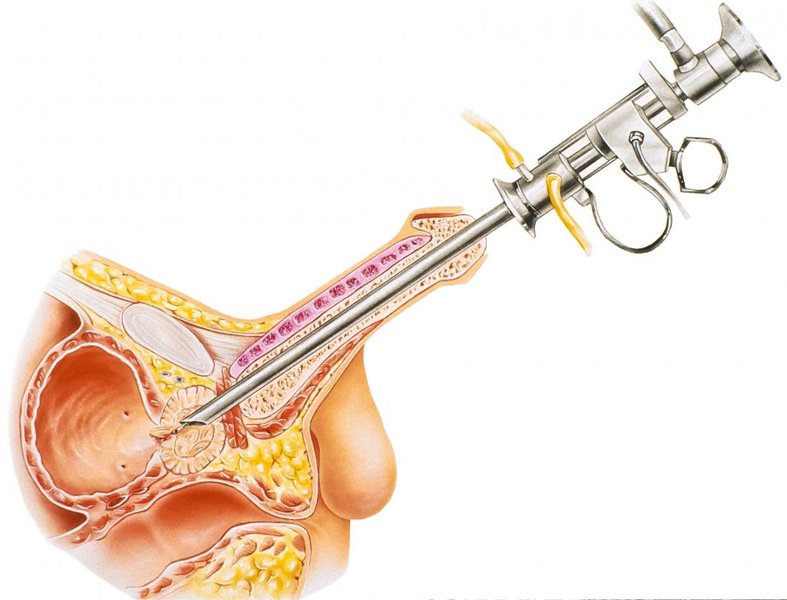
Illustration of a Transurethral Resection of the Prostate (TURP) for BPH.
Radical Prostatectomy (RP) for Prostate Cancer
For men with Parkinson's disease diagnosed with prostate cancer, the decision to undergo radical prostatectomy (RP) has been historically challenging due to concerns about post-operative continence. However, recent research provides more optimistic data. One study found that 76% of PD patients who were continent before RP remained so 1 year after surgery, suggesting that most men with PD undergoing RP can maintain continence. The critical factor for post-prostatectomy continence in parkinsonian patients appears to be the preservation of voluntary sphincter control. Patients with abnormal sphincter control preoperatively had a significantly higher risk of incontinence compared to those with normal control.
It is important to note that the data supporting high incontinence risks in the past were often based on cohorts undergoing prostate surgery for voiding dysfunction (like BPH) rather than for cancer control. As both prostate cancer and PD primarily affect older men, it is crucial not to deny potentially curative surgery for prostate cancer to otherwise suitable candidates with PD.
The Complex Relationship Between Parkinson's Disease and Prostate Cancer Risk
The association between Parkinson's disease and the risk of prostate cancer is an area of ongoing research with conflicting findings. Historically, there has been a general observation of lower cancer rates in patients with PD compared to the general population, often attributed to factors like a lower prevalence of smoking among PD patients, which reduces the risk of smoking-related cancers. However, the specific relationship with prostate cancer is less clear.
Conflicting Study Results
Some studies, particularly meta-analyses focusing on Western populations, have indicated that PD is significantly associated with a decreased risk of prostate cancer. For instance, one study found that PD patients had a 27% lower risk of prostate cancer compared to those without PD, with this risk reduction decreasing with increasing duration of PD. This observation suggests potential protective mechanisms or shared biological pathways that might influence both diseases.
Conversely, other studies have suggested a genetic link between PD and an increased likelihood of developing prostate cancer and melanoma. Researchers have identified common genetic risk factors through genome-wide association studies (GWAS) that link Parkinson's to both melanoma and prostate cancer. The role of dopamine agonists and levodopa, common medications for PD, in potentially affecting tumor growth and progression is also a subject of investigation, with some earlier concerns about a link between Entacapone and prostate cancer not being substantiated in later studies.
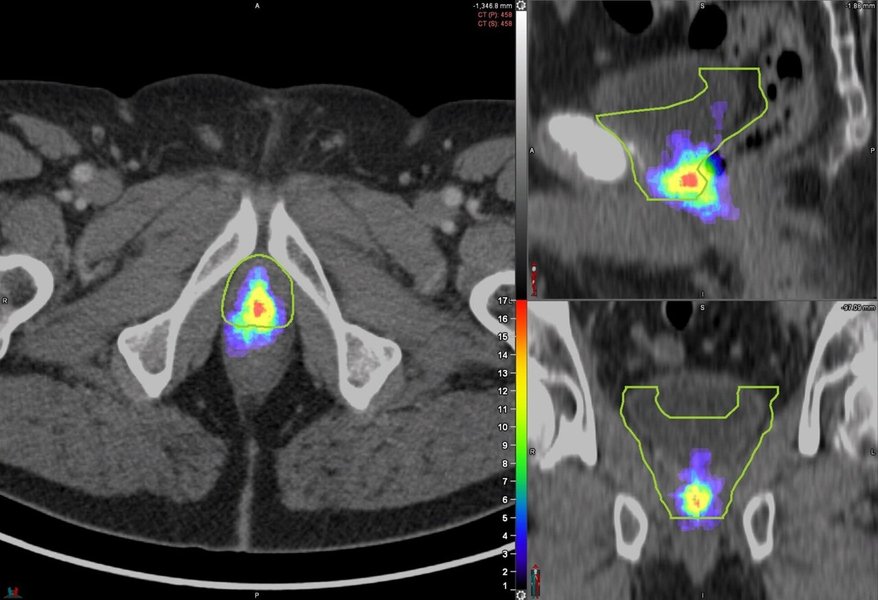
PSMA PET Scan for Prostate Cancer.
Factors Influencing the Association
The discrepancy in findings may stem from various factors, including differences in study populations (e.g., Western vs. Asian), methodologies, diagnostic criteria, and the specific treatments for PD. Future research needs to consider ethnicity, timing of PD diagnosis, and PD treatment regimens to clarify this association. Currently, scientists do not agree on either a definitive causative or protective link between prostate cancer and Parkinson's disease. Prostate evaluation, including PSA levels and prostate volume, has been found to be similar in PD and non-PD patients, emphasizing the continued need for routine prostate cancer screening in men with Parkinson's disease.
Post-Operative Considerations and Management
Undergoing any surgery, especially a major one like prostatectomy, presents unique challenges for individuals with Parkinson's disease. The effects of anesthesia, potential medication interactions, and the impact on existing PD symptoms require careful planning and management.
Anesthesia and Medication Management
One critical consideration is the potential for interactions between anesthetic agents and Parkinson's medications. Many standard post-operative medications, particularly those that block dopamine receptors, must be avoided in PD patients as they can exacerbate motor symptoms or even induce Parkinson's dementia. A reversible Parkinson's dementia has been associated with the withdrawal of androgen-deprivation therapy for prostate cancer, highlighting the sensitivity of PD patients to medication changes. Therefore, a multidisciplinary approach involving neurologists, urologists, and anesthesiologists is essential to ensure a safe surgical experience and optimized post-operative care.
Radar Chart illustrating various aspects of prostatectomy outcomes in Parkinson's disease patients, reflecting the balance of benefits and risks.
The radar chart above provides an opinionated summary of various factors influencing the decision and outcomes of prostatectomy in Parkinson's disease patients. Each spoke represents a different aspect, from post-operative continence rates to the perceived risk of new incontinence and the broader impact on quality of life. The data points, ranging from 1 to 10, illustrate the balance between potential benefits and risks. For instance, "Post-Operative Continence" and "Improvement in LUTS (BPH Surgery)" score relatively high, reflecting positive outlooks based on current research. In contrast, "Risk of New Incontinence (BPH Surgery)" is low, indicating a minimal concern. This visual representation helps to distill complex information into an easily digestible format, emphasizing that while challenges exist, surgical interventions can be effective for many PD patients.
Recovery and Rehabilitation
Post-operative recovery for PD patients can be more complex. They may experience a temporary worsening of PD symptoms due to stress, anesthesia, or changes in medication. Therefore, robust post-operative care, including careful monitoring for medication side effects and appropriate physical therapy, is crucial to facilitate recovery and optimize functional outcomes. The patient's overall health, disease stage, and cognitive status also play a significant role in determining surgical candidacy and recovery trajectory.
Statistical Overview: Parkinson's Disease and Prostate Procedures
To further illustrate the intersection of Parkinson's disease and prostate surgical interventions, the following table summarizes key statistics and considerations derived from various studies:
| Aspect of Surgery/Condition | Relevance for PD Patients | Key Statistics/Outcomes |
|---|---|---|
| Incidence of PD | Higher in men, increases with age, often co-occurs with prostate issues. | Affects ~3% of population >65 years. New diagnoses ~40,000-60,000/year in North America. |
| TURP for BPO (Benign Prostatic Obstruction) | Successful in improving LUTS after failed pharmacological treatment. | Success rate: up to 70% of patients experience improvement. Restoration of voiding for catheterized patients: 64%. |
| Radical Prostatectomy (RP) for Prostate Cancer | Considered for curative cancer control in eligible patients. | Continence rate 1 year post-RP: 76% (for those dry pre-surgery). Major risk of incontinence: lack of voluntary sphincter control pre-op. |
| Risk of De Novo Urinary Incontinence (Post-TURP) | Minimal risk, especially with accurate PD diagnosis. | Studies report minimal risk. Pre-op incontinence rate: 17%; post-op: 28% (older data). |
| Association with Prostate Cancer Risk | Controversial, with conflicting study results. | Some studies show 27% lower risk in Western PD population; others suggest genetic links to increased risk. No consensus. |
| Prostate Volume & PSA in PD | Similar to non-PD patients. | No significant statistical differences in total PV or PSA levels between PD and non-PD groups. Prostate evaluation remains necessary. |
| Post-Operative Care | Requires careful medication management due to dopamine receptor blockers. | Avoidance of specific medications (e.g., dopamine receptor blockers) crucial to prevent PD symptom exacerbation. |
Understanding Prostate Cancer Surgery: A Visual Guide
To further contextualize the discussion around prostatectomy, particularly in the context of prostate cancer, it is beneficial to understand the surgical process itself. Robotic-assisted radical prostatectomy has become a common approach, offering precision and minimizing invasiveness.
Mr. Matthew Perry, Consultant Urological Surgeon, discusses robotic-assisted radical prostatectomy for prostate cancer.
This video provides an excellent overview of robotic-assisted radical prostatectomy, a modern surgical technique increasingly utilized for prostate cancer. While the video does not specifically address Parkinson's disease, it illustrates the general principles and benefits of this advanced approach. Robotic surgery can offer advantages such as smaller incisions, reduced blood loss, and faster recovery times, which could be particularly beneficial for patients with co-morbidities like Parkinson's disease, provided their overall health status allows for it. Understanding the visual aspects of this procedure can help patients and their families better comprehend the surgical journey involved in treating prostate cancer.
Frequently Asked Questions (FAQ)
Are PD patients more likely to experience incontinence after prostate surgery?
Can Parkinson's disease affect the success of benign prostatic obstruction (BPO) surgery?
Is there a link between Parkinson's disease and prostate cancer risk?
Are there special considerations for PD patients undergoing surgery?
Conclusion
The decision to undergo prostatectomy for men with Parkinson's disease is a nuanced one that requires careful consideration of individual circumstances, the specific prostate condition, and the overall health of the patient. While historical beliefs suggested a high risk of incontinence, current evidence indicates that many PD patients can achieve favorable outcomes, particularly regarding continence after radical prostatectomy for cancer and significant improvement in LUTS after BPH surgery. The evolving understanding of the complex relationship between Parkinson's disease and prostate cancer risk further underscores the need for personalized care and ongoing research. Ultimately, a collaborative approach involving urologists, neurologists, and a comprehensive care team is paramount to ensure the best possible results and an improved quality of life for these patients.
Recommended Further Exploration
- How are lower urinary tract symptoms specifically managed in Parkinson's disease?
- What are the specific impacts of anesthesia on Parkinson's disease patients during surgery?
- Explore the genetic links between neurodegenerative diseases and various types of cancer.
- What are the latest advances in minimally invasive prostate surgery, especially for elderly patients with co-morbidities?