
Paula af Heurlin: Finland's Educational Voice During the Tumultuous War Years
Uncovering the limited historical record of a Finnish educator's life during World War II (1939-1945)
Key Insights About Paula af Heurlin During WWII
- Limited Historical Documentation: Despite her prominence as an educator and temperance advocate, specific records of af Heurlin's wartime activities remain largely undocumented.
- Contextual Finnish Experience: As Finland navigated complex wartime relationships during the Winter War (1939-1940) and Continuation War (1941-1944), af Heurlin would have experienced significant social disruption.
- Age Consideration: During World War II, af Heurlin was in her late 60s and early 70s (67-73 years old), which likely influenced her capacity for involvement in wartime efforts.
Paula af Heurlin: Biographical Context
Paula af Heurlin (May 13, 1872 - November 15, 1947) was a Finnish singing teacher and temperance activist whose professional life was predominantly focused on education and social causes. Prior to World War II, she had established herself as a notable figure in Finnish educational circles, having worked as a singing teacher in Helsinki's elementary schools from 1901 to 1917.
Her most significant professional contributions came through her published works: "Kansakoulun uusi laulukirja" (The New Songbook for Elementary Schools) and "Säveltapailun ja nuottiopin opas" (A Guide to Solfege and Music Theory), both published in 1917. Beyond her educational career, af Heurlin demonstrated commitment to social causes, serving as the chairwoman of the Suomalainen Konkordia-liitto (Finnish Concordia Association) from 1919.
The Gap in Historical Records
Despite her documented pre-war contributions, there is a notable absence of specific information about Paula af Heurlin's activities during World War II. This historical gap is not uncommon for individuals who weren't directly involved in military operations or high-profile political positions during the war. Available biographical sources focus primarily on her professional accomplishments and organizational affiliations, with no explicit mention of her wartime activities.
Finland During World War II
To contextualize what Paula af Heurlin might have experienced, it's essential to understand Finland's unique position during World War II. Unlike many European nations, Finland's war experience was characterized by two distinct conflicts with the Soviet Union:
The Winter War (1939-1940)
Following the Molotov-Ribbentrop Pact, the Soviet Union invaded Finland in November 1939. Despite being vastly outnumbered, Finnish forces mounted an impressive resistance before eventually ceding territory in the Moscow Peace Treaty of March 1940.
The Continuation War (1941-1944)
Finland entered into a co-belligerent relationship with Germany against the Soviet Union in June 1941, seeking to reclaim territories lost during the Winter War. This alliance was pragmatic rather than ideological for most Finns, who viewed their fight as separate from the broader European conflict.
Potential Wartime Activities
While specific records of Paula af Heurlin's wartime activities are unavailable, contextual understanding of Finland during World War II and her background allows for informed assessment of her potential roles and experiences during this period.
Age Considerations
When World War II began in 1939, Paula af Heurlin was 67 years old, and 73 when it concluded in 1945. Her advanced age would have limited her direct participation in many wartime activities, particularly those requiring physical exertion or frontline service. This likely placed her among the civilian population experiencing the war from the home front.
Cultural Preservation Efforts
Given her background in education and music, af Heurlin may have contributed to cultural preservation efforts during the war. In times of national crisis, cultural figures often focus on maintaining national identity and morale through continued educational and artistic endeavors. Her expertise in music education could have been particularly valuable, as music often serves as a unifying force during challenging times.
Social Welfare Contributions
As a temperance advocate and someone involved in women's organizations, af Heurlin may have participated in social welfare initiatives addressing wartime hardships. During World War II, Finnish women's organizations often mobilized to provide support for refugees, organize food distribution, and assist families affected by the war.
This radar chart illustrates the estimated intensity of Paula af Heurlin's involvement across different domains throughout her later life, including the war years. Note that her activities likely diminished during wartime due to her advanced age and the challenging circumstances, with further reduction in the brief post-war period before her death in 1947.
Finland's Home Front Experience
To better understand Paula af Heurlin's likely wartime experience, it's helpful to examine the broader civilian experience in Finland during World War II:
| Aspect of Civilian Life | Impact During Winter War (1939-1940) | Impact During Continuation War (1941-1944) | Potential Relevance to af Heurlin |
|---|---|---|---|
| Rationing & Resources | Initial implementation of rationing systems | Severe shortages of food, fuel, and everyday items | As an elderly citizen, may have faced challenges accessing necessities |
| Evacuation | Over 400,000 evacuees from border regions | Continued displacements, particularly from Karelia | Possibly involved in community support for evacuees in Helsinki |
| Education System | Disruptions to normal schooling | Adaptations to continue education despite challenges | May have advised on educational continuity given her background |
| Women's Civil Defense | Women's auxiliary organizations formed | Expanded roles in civilian defense and industry | Possible advisory role through women's organizations |
| Cultural Activities | Emphasis on national unity through cultural heritage | Arts and music used to maintain morale | Potential contributor to musical education and performances |
Contextualizing Paula af Heurlin's Wartime Experience
This mindmap visualizes the various contextual factors surrounding Paula af Heurlin during World War II, highlighting the interconnections between her personal background, Finland's wartime situation, typical civilian experiences, and her potential contributions during this period.
Historical Images: Finland During World War II
These historical images provide visual context for the environment in which Paula af Heurlin lived during the war years:
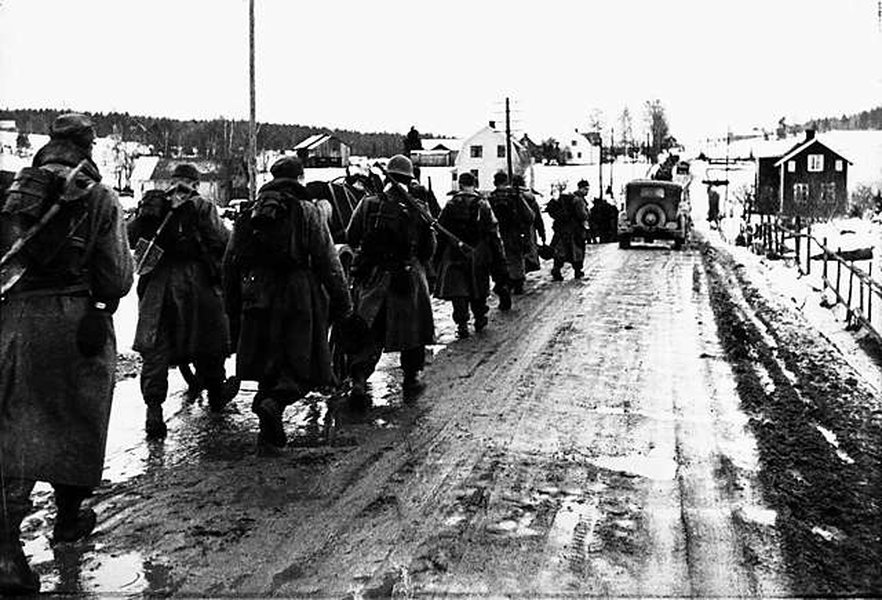
Finnish and Swedish military efforts during the war years. Paula af Heurlin would have witnessed the mobilization of Finnish society, even as a civilian.

Fuel shortages were common in Nordic countries during the war. As an elderly person, Paula af Heurlin would have faced significant challenges dealing with rationing and resource limitations.
Why Historical Records May Be Limited
The absence of specific documentation about Paula af Heurlin's wartime activities may be attributed to several factors:
Documentation Challenges During Wartime
During periods of conflict, record-keeping often focuses on military operations, political decisions, and major civilian initiatives rather than individuals' day-to-day activities, particularly those not directly involved in the war effort.
Age and Public Profile
At 67-73 years old during the war, af Heurlin would have been past the age of active professional engagement. Her reduced public profile during this period might explain the limited documentation of her activities.
Historical Research Focus
Historical research on Finland during World War II has predominantly focused on military operations, political leadership, and broad social trends rather than individual civilians' experiences, particularly those who were not in leadership positions during the conflict.
This video provides broader context about lessons from World War II, helping to understand the global and regional dynamics that would have affected Finland and citizens like Paula af Heurlin during this tumultuous period.
Frequently Asked Questions
References
- Paula af Heurlin - Wikipedia (Finnish)
- Paula af Heurlin - Find a Grave Memorial
- Paula af Heurlin - Genealogy - Geni.com
- Operation Paula - Wikipedia
- WWII Espionage: Real Life Cloak & Dagger in Sweden - War History Online
- Wartime Sweden, 1939-1945 - Hjördis Genberg Niven
Recommended Searches
Last updated April 7, 2025