
Comparative Review of Endocrine Profiles in PCOD
Exploring Hormonal Imbalances in PCOD versus Non-Affected Women
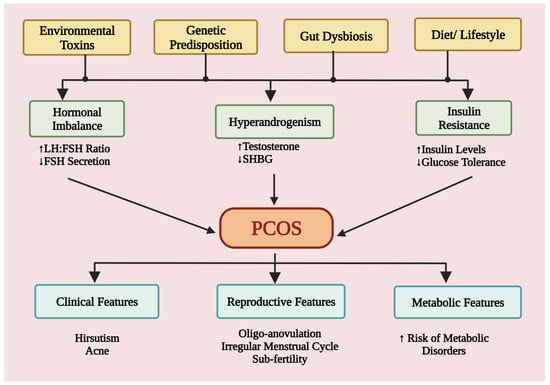
Key Insights
- Hyperandrogenism and Insulin Resistance: Elevated androgen levels and insulin resistance are central to PCOD and profoundly affect metabolic and reproductive health.
- Hormone Profile Variations: Distinct differences in LH, FSH, estrogen, and other hormone levels highlight the endocrine disruption in PCOD compared to non-affected women.
- Environmental and Lifestyle Impact: Factors such as endocrine-disrupting chemicals and lifestyle choices significantly contribute to the condition’s development and severity.
Understanding Hormonal Imbalance in PCOD
Overview of PCOD and Endocrine Disruption
Polycystic Ovary Disease (PCOD), frequently synonymous with Polycystic Ovary Syndrome (PCOS), is a prevalent endocrine disorder primarily affecting women of reproductive age. The condition stems from a complex interplay of hormonal imbalances, where a disruption in key hormones such as androgens, luteinizing hormone (LH), follicle-stimulating hormone (FSH), and insulin plays a decisive role. In PCOD, these imbalances manifest in various clinical symptoms that include irregular menstrual cycles, acne, excess hair growth, and scalp hair thinning.
The Role of Hyperandrogenism
Manifestations of Elevated Androgens
One of the hallmark features of PCOD is hyperandrogenism, which refers to abnormally high levels of androgens. These male hormones are responsible for many outward signs of PCOD such as:
- Excessive hair growth (hirsutism) on the face and body.
- Acne and oily skin.
- Thinning of scalp hair, leading to pattern baldness.
Elevated androgen levels result from disrupted feedback mechanisms within the hypothalamic-pituitary-ovarian (HPO) axis. This imbalance not only affects physical appearance but also has significant implications for ovarian function, contributing to anovulation and subsequent reproductive challenges.
Impact of Insulin Resistance
Metabolic Consequences
Insulin resistance is a common metabolic disturbance in women with PCOD. This condition is characterized by the body's decreased responsiveness to the hormone insulin, leading to elevated insulin levels. In PCOD, high insulin concentrations further exacerbate the production of androgens, leading to a vicious cycle of hormonal dysregulation. The interplay between insulin and androgens is critical, as insulin not only contributes to metabolic syndrome but also interferes with ovulation processes.
The association between insulin resistance and PCOD is significant because it increases the risk of type 2 diabetes, cardiovascular diseases, and obesity. Thus, managing insulin sensitivity is a crucial component in the treatment and overall management of PCOD.
Diverse Hormonal Profiles: Affected vs. Non-Affected Women
Comparative Analysis of Endocrine Profiles
The hormonal milieu in women with PCOD noticeably diverges from that of non-affected women. Research has consistently shown that in PCOD:
- The LH/FSH ratio is significantly elevated, often approximating 3:1, which disrupts the normal ovarian cycle.
- Levels of androgens such as testosterone and dehydroepiandrosterone-sulphate (DHEA-S) are abnormally high.
- Estrogen levels tend to remain within the normal range despite the endocrine disruptions, although the pattern of estrogen secretion may differ.
- Insulin resistance is commonly observed, leading to compensatory hyperinsulinemia that further fuels androgen production.
In contrast, women without PCOD typically exhibit a balanced hormonal profile with normal ratios of LH to FSH, stable androgen levels, and proper insulin sensitivity. This balance is crucial for regular menstrual cycles and overall reproductive health.
Additional Hormonal Considerations
Other Endocrine Factors
Beyond the primary issues of hyperandrogenism and insulin resistance, several other endocrine factors contribute to PCOD. For instance:
- Follicle-Stimulating Hormone (FSH) and Luteinizing Hormone (LH): In an affected ovary, the elevated LH relative to FSH disrupts the normal follicular development, leading to anovulation. This imbalanced ratio is a critical diagnostic marker and a therapeutic target in clinical management.
- Estrogen: While estrogen levels in PCOD may be within normal limits, the pattern of secretion is altered, potentially causing disturbances in the menstrual cycle.
- Prolactin: Some women with PCOD may experience elevated prolactin, though this is not as prevalent a feature as the other hormones.
- Thyroid Function: Thyroid dysfunction, especially hypothyroidism, can compound insulin resistance and exacerbate metabolic disturbances in PCOD, highlighting the need for comprehensive hormonal assessments.
Comparative Table of Hormonal Profiles
| Hormone | PCOD Affected | Non-Affected |
|---|---|---|
| LH/FSH Ratio | Elevated (approx. 3:1) | Normal balanced ratio |
| Androgens | High (leading to hyperandrogenism) | Normal levels |
| Insulin | Elevated due to insulin resistance | Regulated insulin sensitivity |
| Estrogen | Normal but secretory patterns altered | Normal levels and patterns |
| Other Hormones | Possible irregularities in prolactin and thyroid hormones | Consistent levels |
Implications for Diagnosis and Management
Diagnostic Considerations
Hormonal Assays and Criteria
Diagnosis of PCOD relies heavily on comprehensive hormonal profiling and clinical assessment. The widely utilized Rotterdam criteria stipulate that at least two of the following features must be present:
- Chronic anovulation
- Clinical or biochemical signs of hyperandrogenism
- Polycystic ovarian morphology on ultrasound
Hormonal assays, often including measurements of LH, FSH, testosterone, and insulin, form the cornerstone of diagnosis. A significantly elevated LH/FSH ratio is one of the most telling indicators of PCOD. Advanced diagnostic tools now also assess markers of insulin resistance and metabolic syndrome to provide a holistic view of the patient’s endocrine health.
Management Strategies
Lifestyle and Medical Interventions
The management of PCOD is multifaceted, addressing both reproductive and metabolic complications. Lifestyle modifications such as regular physical activity and dietary changes play a crucial role alongside medical interventions. Common treatment strategies include:
- Oral Contraceptives: Used to regulate menstrual cycles and reduce androgen levels.
- Insulin Sensitizers: Medications like metformin help improve insulin resistance, thereby indirectly reducing androgen levels.
- Anti-Androgens: Prescribed to manage hyperandrogenism and alleviate symptoms like acne and hirsutism.
- Ovulation Inducers: For women seeking pregnancy, drugs that stimulate ovulation are essential.
An integrated approach that combines lifestyle adjustments with targeted pharmacotherapy is widely recognized as the most effective means of managing PCOD. Addressing environmental factors and minimizing exposure to endocrine-disrupting chemicals also contribute to long-term health benefits.
Environmental and Lifestyle Influences
Endocrine-Disrupting Chemicals (EDCs)
Influence of EDCs on Hormonal Balance
Environmental pollutants, particularly endocrine-disrupting chemicals such as biphenols, parabens, phthalates, and triclosan, have been implicated in the development and exacerbation of PCOD. These chemicals can interfere with normal hormonal pathways by mimicking or blocking natural hormones. Regular exposure through plastics, cosmetics, and pesticides not only contributes to the onset of PCOD symptoms but also complicates the hormonal landscape. Understanding this environmental component is essential for developing prevention strategies and public health policies aimed at reducing exposure.
Lifestyle Factors
Impact of Diet and Physical Activity
Lifestyle choices significantly influence the severity and management of PCOD. A balanced diet that is low in refined sugars and high in fiber can help regulate insulin sensitivity. Regular physical exercise further enhances metabolic health, helping to reduce insulin resistance and associated hyperandrogenism. Moreover, stress management and quality sleep are additional lifestyle factors that may mitigate the severity of hormonal imbalances associated with PCOD.
Research and Scientific Perspectives
Recent Findings in Hormonal Profiling
Innovative Biomarkers and Diagnostic Tools
Current research into PCOD focuses on identifying innovative biomarkers that provide more precise insights into the underlying endocrine dysfunctions. Studies have explored the roles of novel peptides and hormones in the pathogenesis of PCOD, revealing correlations with insulin resistance and androgen production. These investigations not only enhance diagnostic accuracy but also open up potential avenues for targeted therapies.
Advanced diagnostic imaging and hormonal assays now facilitate more precise differentiation between PCOD and other endocrine disorders. Such detailed endocrine profiling is instrumental in tailoring treatment strategies for individual patients, ensuring a more personalized approach to management.
Future Directions in PCOD Research
Exploring Preventative and Therapeutic Pathways
Future research is likely to delve deeper into the genetic predispositions and environmental determinants of PCOD. A deeper understanding of the gene-environment interactions could eventually lead to more effective prevention strategies and novel therapeutic interventions. Furthermore, ongoing studies are investigating the potential for using anti-androgenic compounds and insulin-sensitizing agents in new combinations, offering hope for better clinical outcomes.
References
- Article on PCOD Pathogenesis - Nature
- PCOS Causes - NHS
- PCOS Overview - Johns Hopkins Medicine
- PCOD Management - Pace Hospital
- Understanding PCOS - WebMD
Recommended Related Queries
Last updated March 6, 2025