
Unlocking Small Business Potential: Did the 2014 Personalized Management System Foresee Today's Analytics Needs?
Exploring the likely inclusion of data analytics, notifications, and predictive features in early personalized SMB systems.
Your query touches upon a fascinating point in the evolution of business management tools: the "Personalized Management System and Method for Small and Micro Businesses" study from 2014. While accessing the specific details of this decade-old study is challenging, we can analyze the fundamental concepts of data analytics, notifications, and predictive analytics and how they inherently align with the goals of such a system, especially for small and micro businesses (SMBs).
Key Insights
- Fundamental Concepts Likely Present: A system designed for personalized SMB management in 2014 would almost certainly need to incorporate the *principles* of collecting and analyzing data, alerting users to important events, and using past information to inform future actions, even if the terms "data analytics," "notifications," and "predictive analytics" weren't used in their modern, sophisticated sense.
- Essential for SMBs: These capabilities are crucial for SMBs to understand performance, react quickly to changes, and plan effectively, aligning directly with the likely objectives of a personalized management system aimed at this sector.
- Technological Evolution: While the core ideas were likely present, the sophistication, automation, and accessibility of data analytics, notification systems, and predictive tools have advanced significantly since 2014.
Deconstructing the Core Features in a 2014 Context
Let's break down what data analytics, notifications, and predictive analytics would likely mean within the framework of a personalized management system developed around 2014 for SMBs.
Data Analytics: The Foundation of Insight
Understanding Business Performance
At its core, data analytics involves examining data to draw conclusions. For an SMB management system, this would mean collecting basic operational data – sales figures, customer interactions, perhaps simple inventory levels. The "personalized" aspect suggests the system would tailor the analysis or presentation of this data to the specific needs or industry of the small business. Even basic reporting (e.g., monthly sales trends, top customers) falls under the umbrella of data analytics and would be essential for any management tool aiming to provide value.
Deriving Actionable Information
The goal wouldn't just be data collection, but deriving insights. A 2014 system might have offered simple dashboards or reports highlighting key performance indicators (KPIs). This allows business owners to move beyond gut feelings and base decisions on actual performance data, identifying areas needing attention or opportunities for growth. Sources like vcita and Strikingly emphasize how crucial analytics and CRM functionalities are for modern SMB management software, suggesting these needs were already recognized earlier.
Notifications: Enabling Timely Action
Real-time Awareness
Notifications serve as alerts about important events or required actions. In a personalized SMB management system, this could range from reminders for follow-ups, alerts about low stock levels (if inventory was tracked), or notifications about significant changes in performance metrics identified through basic data analysis. This feature enhances operational efficiency and responsiveness – critical factors for SMBs often juggling multiple roles with limited resources.
Improving Workflow and Responsiveness
By pushing relevant information to the user, notification systems prevent critical tasks or insights from being overlooked. This proactive element is a key part of effective management, allowing owners to address issues or seize opportunities promptly. Answer B highlights that modern systems incorporate notifications, and it's logical to assume even earlier versions aimed at personalized management would include some form of alerting mechanism.
Predictive Analytics: Looking Ahead (Even Simply)
Basic Forecasting from Historical Data
Predictive analytics, in its modern sense, involves complex algorithms and AI. However, the fundamental principle – using past data to anticipate future events – is older. A 2014 system might have incorporated rudimentary predictive capabilities. For example, it could analyze past sales data to project trends for the next quarter or identify customers likely to repurchase based on previous buying patterns. This aligns with the concept of leveraging historical data for forecasting, as mentioned in Answer B and C.
Informing Strategy and Planning
Even simple predictions help SMBs in planning inventory, staffing, and marketing efforts. The "personalized" nature of the system could mean these predictions were tailored based on the business's specific historical data and context. Answer C suggests predictive modeling could be employed to forecast outcomes and provide personalized recommendations, supporting the idea that this concept was relevant even then.
Mapping the Interconnected Components
These features don't exist in isolation. A personalized management system integrates them to provide holistic support for SMBs. Data analytics provides the insights, notifications ensure timely awareness and action, and predictive elements help in planning for the future based on those insights. The mindmap below illustrates how these components might interconnect within such a system.
(Sales, Customers, Operations)"] ["Basic Reporting & KPIs"] ["Performance Tracking"] ["Customer Insights"] ["Notifications"] ["Task Reminders"] ["Performance Alerts"] ["Event Notifications
(e.g., Low Stock)"] ["Workflow Triggers"] ["Predictive Analytics (Basic)"] ["Trend Spotting
(Based on History)"] ["Simple Forecasting
(e.g., Sales Projections)"] ["Risk Identification
(e.g., Declining Metrics)"] ["Opportunity Highlighting"] ["Core Goal: Personalization"] ["Tailored Insights"] ["Contextual Recommendations"] ["Industry-Specific Views"]
The Evolution: From 2014 Concepts to Today's Power Tools
While the 2014 study likely incorporated the foundational ideas, the landscape of business analytics tools has dramatically changed. Today's platforms offer far greater sophistication, automation, and predictive power, often leveraging AI and machine learning.
Comparing Capabilities: Then vs. Now
The radar chart below provides a conceptual comparison between the likely capabilities of a personalized SMB system from 2014 and typical modern analytics platforms available today. It highlights the significant advancements in areas like AI integration, automation, and predictive accuracy.
Examples of Modern Predictive Analytics Tools for SMBs
Today, SMBs have access to a wide range of powerful tools, many integrating AI to automate complex tasks and provide deeper insights. These platforms often combine business intelligence (BI), data visualization, and predictive modeling capabilities. The table below highlights some tools available as of 2025, showcasing the types of features SMBs can leverage now.
| Tool | Key Features Relevant to SMBs | Notes |
|---|---|---|
| SAP Analytics Cloud | Combines BI, planning, predictive analysis; aims to inform business decisions. | Consolidates various analytics capabilities. |
| IBM Watson Studio | Code-optional platform for data scientists and analysts; visual tools available. | Suitable for collaborative projects. |
| Tableau (with Einstein Discovery) | Strong data visualization; AI-powered analytics integration via Salesforce. | Focus on accessible AI insights for business users. |
| Amazon QuickSight (with SageMaker Canvas) | Cloud-based BI; predictive capabilities via SageMaker for data professionals. | Leverages AWS infrastructure. |
| Adverity | Marketing data intelligence; focuses on reducing complexity in marketing analytics. | Specialized for marketing data. |
| Minitab | Tools for quality engineering, business analytics, and predictive modeling. | Strong in statistical analysis and process improvement. |
| Splunk | Customizable platform for monitoring, analyzing, and acting on data across the organization. | Highly flexible for various data types. |
| Pecan AI | Predictive analytics platform focused on driving business value from AI without extensive data science expertise. | Aims to simplify AI adoption. |
Note: This table provides examples based on available information; features and suitability may vary.
Visualizing Insights: The Power of Dashboards
A key development since 2014 is the sophistication and accessibility of data visualization through dashboards. Modern tools allow SMB owners to quickly grasp complex information through charts, graphs, and key metrics displays. These dashboards effectively present the outputs of data analytics and predictive models in an intuitive format, making data-driven decision-making more practical for busy entrepreneurs.
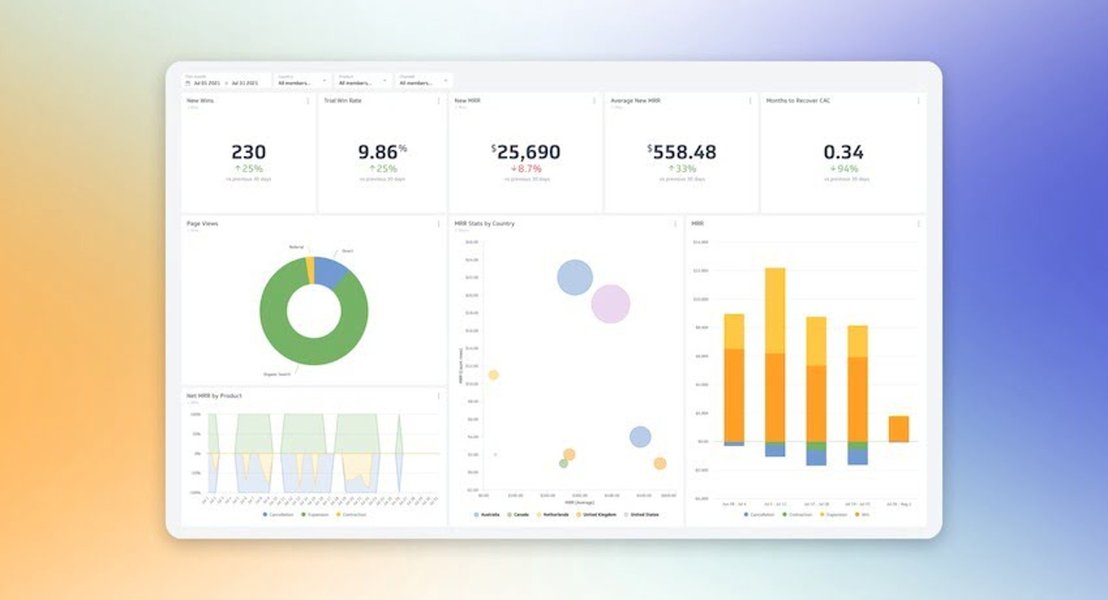
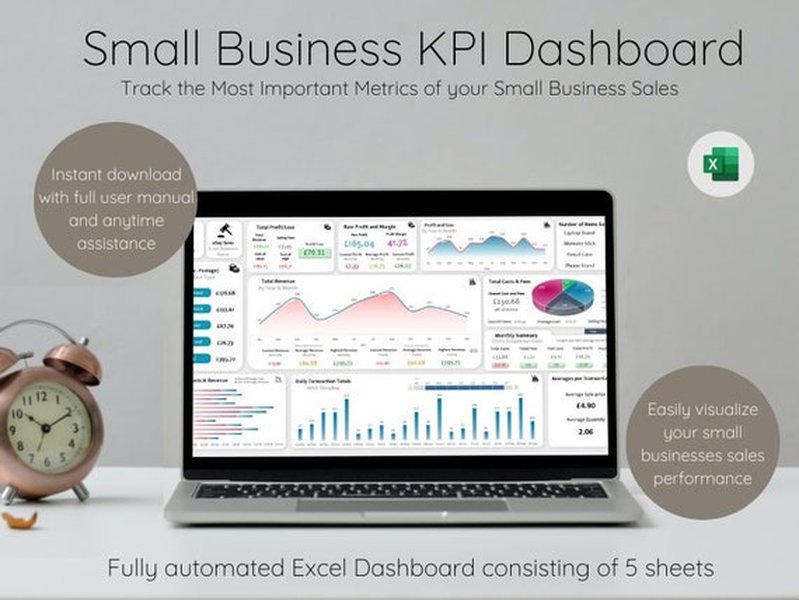
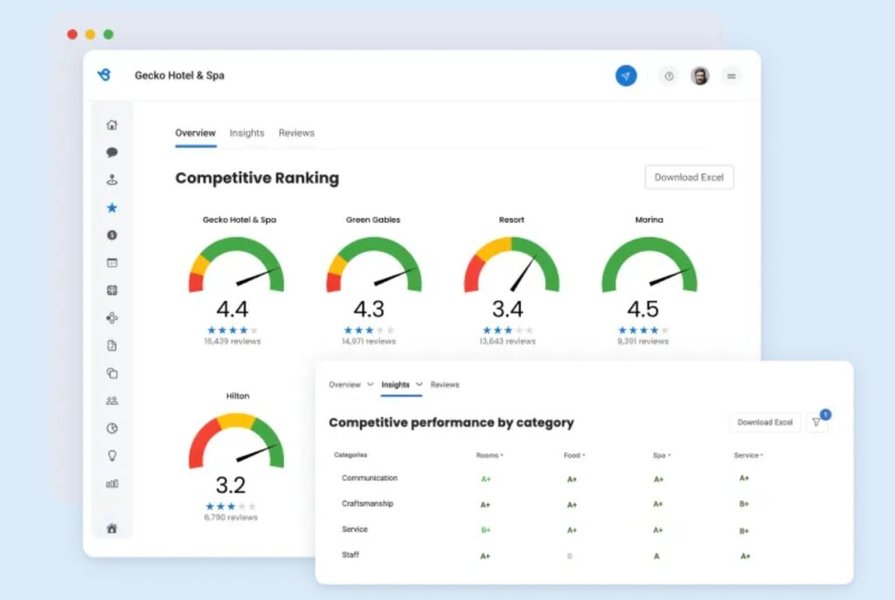
These visual tools transform raw data into understandable stories, highlighting trends, anomalies, and progress towards goals. They represent the user-friendly endpoint for the data analytics processes likely envisioned, in a simpler form, by the 2014 study.
Learn More: Data Analytics Essentials for Small Businesses
Understanding how data can drive decisions is crucial for any small business today. The video below provides an introduction to the world of data-driven decision-making specifically tailored for small businesses, covering concepts relevant to both historical and modern management systems.
This video explores how small businesses can leverage data, touching upon the types of insights that can be gained – concepts fundamental to the personalized management system mentioned in your query.
Frequently Asked Questions (FAQ)
▶ What's the difference between data analytics and predictive analytics?
▶ How could a 'personalized' system from 2014 differ from a standard one?
▶ How can small businesses start using data analytics today?
▶ Are modern predictive analytics tools too complex or expensive for SMBs?
References
- 6 top predictive analytics tools - TechTarget
- Predictive Analytics in Business: Definition and Examples - William & Mary Online
- What are the top features to look for in small business management software - vcita
- How Predictive Analysis Drives Business Decision Making - Data Forest
- Data Analytics for Small Businesses: All You Need to Know - Rishabh Software
- Data Analysis for Small Business - Business.com
- 20 Predictive Analytics Tools You Should Know - Built In
Recommended
Last updated April 5, 2025