
Unpacking the 2008 Inventory System: Did it Foresee Modern Analytics?
Exploring the capabilities of the US20080183599A1 patent regarding data analytics, notifications, and predictive features.
The inventory control and communication system described in the 2008 patent application (US20080183599A1) represents an effort to automate and improve stock management during that era. While technology has significantly advanced since then, let's delve into whether this specific system incorporated features we now categorize as data analytics, notifications, and predictive analytics.
Key Highlights
- Real-Time Control & Sensing: The system's core strength was its focus on automated, real-time control of stock levels, utilizing inventory sensors (potentially including load cells) within storage units.
- Communication & Notification Features: It included a communication network and display features capable of showing data and messages (like order status), functioning as a basic notification system.
- Analytical & Predictive Scope: While using inventory data for control implies some analysis, the patent doesn't explicitly detail sophisticated data analytics or the kind of ML-driven predictive analytics common today. Its forecasting was likely more rudimentary.
Core Functionality of the 2008 System
Based on the patent documentation, the system aimed to provide a robust framework for managing inventory automatically. Its primary components and functions included:
Inventory Sensing and Monitoring
Sensor Integration
A key aspect was the use of inventory sensors. These could be integrated into storage units, potentially employing technologies like load cells to generate electrical signals representing the quantity or weight of materials present. This allowed for direct, automated monitoring of stock levels.
Real-Time Data Capture
The goal was to capture inventory data in real-time or near real-time, moving away from manual counts and periodic checks. This data formed the basis for the system's control mechanisms.
Automated Control and Ordering
The system was designed for automated real-time control over stock. When inventory levels dropped below predefined thresholds (based on sensor data), the system could potentially trigger reordering processes automatically, aiming to maintain optimal stock levels without manual intervention.
Communication Infrastructure
Network Connectivity
The patent outlines flexibility in communication, suggesting the system could operate over various networks:
- Public Switched Telephone Network (PSTN)
- Local Area Network (LAN)
- Wide Area Network (WAN)
- Internet / Ethernet
- Wireless Communication
- Electronic Mail / Voice Mail
This connectivity enabled the transmission of inventory data and control signals between the sensors, control units, and potentially external suppliers or management systems.
Display and Messaging
The inventory sensor unit itself could include a display. This display wasn't just for showing current stock levels but could also present predetermined data and messages, such as:
- Order status updates
- Information on alternate locations for the item
- Locations of acceptable substitute items
This display feature served as a direct interface for personnel interacting with the inventory.
Analyzing the "Smart" Features: Data Analytics, Notifications, Predictive Analytics
Now, let's address the core question: Did this 2008 system incorporate data analytics, notifications, and predictive analytics as we understand them today?
Data Analytics Capabilities
The system inherently used data – specifically, the real-time stock level information from sensors. This data was analyzed, at least in a basic sense, to trigger actions like reordering when thresholds were met. Answer B suggests the system utilizes data to analyze current levels and patterns. However, the patent descriptions available (as noted in Answer A) don't explicitly detail the use of *advanced* data analytics techniques, such as complex algorithms for pattern detection, trend analysis across multiple variables, or sophisticated reporting dashboards common in modern systems (discussed in Answer C and D). The analysis was likely rule-based (e.g., "if stock < X, then order Y").
- Presence: Yes, basic data processing for operational control.
- Sophistication: Likely limited compared to modern data analytics platforms involving big data techniques or machine learning.
Notification System
The system clearly had notification capabilities. Answer B highlights notifications as a critical function. The communication network allowed for alerts to be sent, and the integrated display could show messages regarding stock status, orders, or alternatives (as mentioned in Answer A). This fulfils the function of notifying relevant parties (users, managers, potentially suppliers) about inventory events.
- Presence: Yes, through integrated displays and communication network capabilities.
- Sophistication: Likely functional but perhaps less automated or customizable than modern alert systems (e.g., mobile push notifications, complex escalation rules).
Predictive Analytics Scope
This is the area where the 2008 system likely differs most significantly from current technology. While the goal of maintaining optimal stock levels implies some anticipation of future needs, the patent doesn't explicitly describe *predictive* analytics in the modern sense. Answer B suggests it "likely employs" predictive analytics for forecasting, but Answer A and D express skepticism about sophisticated predictive capabilities for that time. Modern predictive analytics (as discussed in Answer C) leverage historical data, trends, seasonality, external factors (like weather or promotions), and machine learning algorithms to forecast demand with much higher accuracy. The 2008 system's "forecasting" was more likely based on simple algorithms or predefined reorder points and safety stock levels, representing a form of proactive control rather than complex prediction.
- Presence: Limited. Basic demand anticipation through threshold management rather than advanced forecasting.
- Sophistication: Unlikely to include ML/AI-driven predictive modeling common today.
Visualizing the System: Components and Capabilities
System Architecture Mindmap
This mindmap illustrates the key components and relationships described in the 2008 patent for the inventory control and communication system.
Comparing 2008 Potential vs. Modern Capabilities
The following radar chart provides a comparative visualization based on the analysis of the 2008 patent's likely features versus typical capabilities found in modern inventory management systems. The scores (on a scale assumed roughly from 1 to 10, where higher is more advanced) are based on interpretations of the patent's scope and general technological advancements.
This chart highlights that while the 2008 system laid groundwork in real-time data and automated control, modern systems significantly surpass it in areas like advanced analytics, predictive capabilities, and overall integration flexibility.
Feature Comparison: 2008 System vs. Modern Systems
This table summarizes the likely differences in the implementation of key features between the system described in the 2008 patent and typical modern inventory management solutions.
| Feature | 2008 Patent System (Likely Implementation) | Modern Inventory Systems (Typical Implementation) |
|---|---|---|
| Data Analytics | Basic processing of sensor data (e.g., stock levels) to trigger predefined rules (e.g., reorder points). Limited historical analysis or trend identification mentioned. | Sophisticated analysis using historical data, sales trends, seasonality. Often includes Business Intelligence (BI) dashboards, KPI tracking, and root cause analysis for stock discrepancies. May use algorithms for demand clustering or pattern recognition. |
| Notifications | Alerts via integrated display messages (order status, alternatives) or signals over various communication networks (LAN, WAN, PSTN, email etc.). Potentially basic alert logic. | Highly configurable alerts via multiple channels (email, SMS, in-app, mobile push). Customizable triggers (low stock, expiration dates, slow-moving items, forecast deviations). Often includes escalation paths and user roles. |
| Predictive Analytics | Minimal or rudimentary. "Forecasting" likely based on simple threshold management, safety stock calculations, or basic consumption rates rather than statistical modeling. | Core feature. Utilizes machine learning (ML) and Artificial Intelligence (AI) algorithms to forecast demand based on numerous factors (history, seasonality, promotions, external data like weather or economic indicators). Aims for high forecast accuracy to optimize stock levels, reduce costs, and prevent stockouts/overstock. |
| Integration | Focused on internal system components (sensors, control units) and standard communication networks of the time. | Extensive integration capabilities via APIs with ERP, CRM, e-commerce platforms, supplier portals, logistics providers, and IoT devices. Cloud-based deployment is common. |
The Role of Analytics in Inventory Management
Understanding the role data plays is crucial in inventory management. This video explores how data analytics and demand forecasting are applied in modern supply chains, illustrating concepts that have evolved significantly since 2008.
As the video discusses, leveraging data effectively allows businesses to anticipate demand more accurately, optimize stock levels, reduce carrying costs, and improve overall operational efficiency – goals that the 2008 system aimed for, but which modern tools achieve with greater precision and foresight.
Visualizing Modern Inventory Management
Modern inventory and warehouse management systems often rely on intuitive dashboards and mobile interfaces to provide real-time insights and control. These visuals showcase examples of how data is presented and utilized in contemporary systems, highlighting the evolution from the concepts outlined in the 2008 patent.
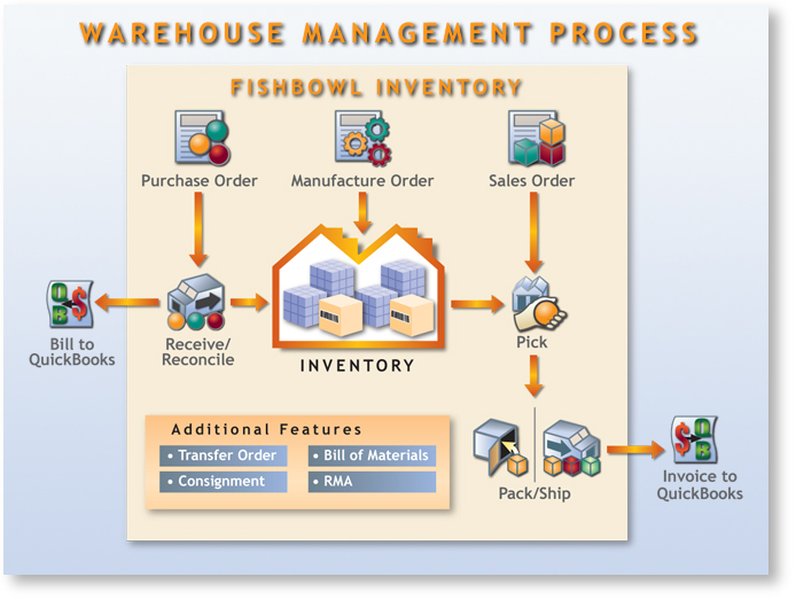
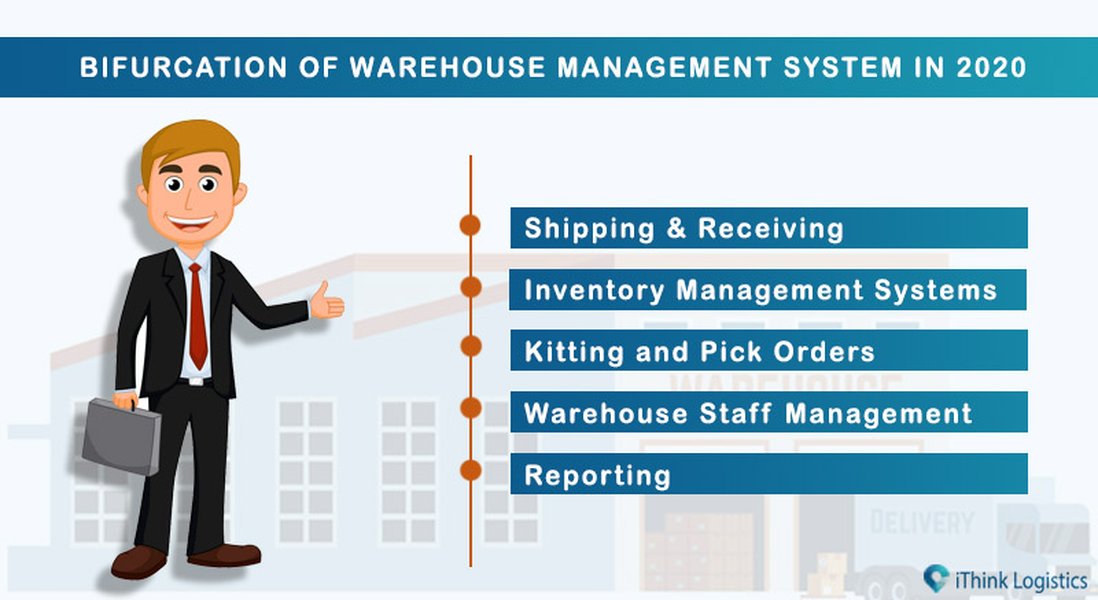
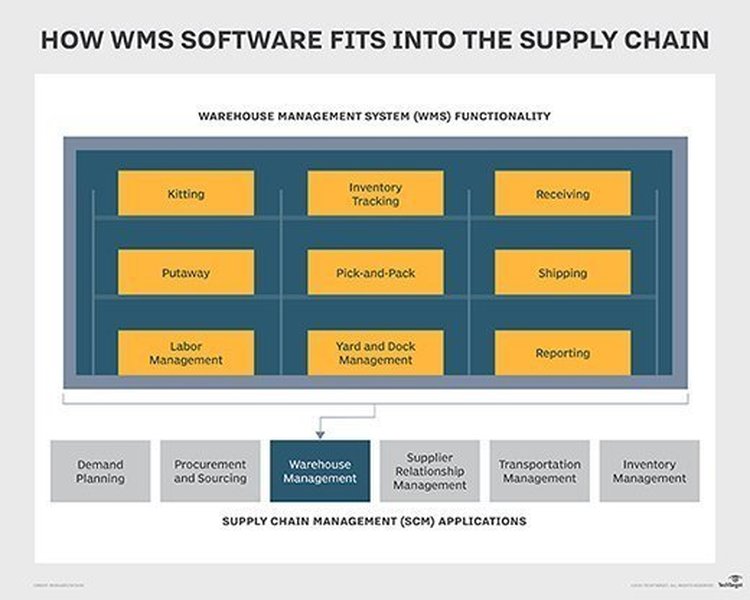
These interfaces often incorporate sophisticated data visualizations, real-time tracking, and predictive insights, representing a significant leap from the capabilities described in the 2008 patent, even if the foundational goals of automation and control remain similar.
Frequently Asked Questions (FAQ)
What was the primary innovation of the 2008 system?
Did the 2008 patent explicitly mention 'predictive analytics'?
How did its notification system likely work?
Was this system considered advanced for 2008?
References
- US20080183599A1 - Inventory control and communication system - Google Patents
- United States Patent Application: 0183599 - FreePatentsOnline
- INVENTORY OPTIMIZATION USING DATA ANALYTICS - ResearchGate
- Predictive Analytics in Inventory Control: Managing Your Stock - Deskera
- Data Analytics for Inventory Management - P3 Adaptive
- The Role of Predictive Analytics in Inventory Management - ResearchGate
Recommended Reading
Last updated April 5, 2025