
Philosophical Analysis of Gaza's Situation Amid Trump's Recent Actions
Exploring ethical, political, and historical dimensions to predict future outcomes
Key Takeaways
- Ethical Dilemmas: The proposal raises significant moral concerns about human rights and self-determination.
- Political Implications: Realist and liberal perspectives highlight potential regional destabilization and diplomatic isolation.
- Historical Context: The historical grievances and past conflicts inform the likelihood of future unrest.
Introduction
The situation in Gaza remains one of the most complex and protracted conflicts in modern history. Recent actions and announcements by former President Donald Trump have added new layers to this already intricate scenario. This analysis delves into the situation from multiple philosophical perspectives to understand the potential future outcomes resulting from Trump's latest policies. By examining ethical, political, and historical dimensions, we aim to provide a comprehensive and nuanced understanding of the possible trajectories the region may follow.
Ethical Perspectives
Utilitarianism
From a utilitarian standpoint, the primary focus is on maximizing overall happiness and minimizing suffering. Trump's proposal to intervene in Gaza and relocate the Palestinian population would be evaluated based on the consequences it produces. While the intention might be to bring stability and economic development to the region, the immediate suffering caused by forced displacement, loss of homes, and potential violence likely outweigh any long-term benefits. The mass relocation could lead to significant short-term distress and long-term instability, suggesting that the proposal may fail the utilitarian test.
Deontological Ethics
Deontological ethics emphasizes the inherent rights and duties regardless of outcomes. According to this perspective, the rights of Palestinians to self-determination and to remain in their homeland are inviolable. Trump's plan to displace an entire population would be inherently unethical, as it violates fundamental human rights and international laws. The morality of the action is judged not by its outcomes but by the adherence to ethical principles, making the proposal morally unacceptable.
Virtue Ethics
Virtue ethics focuses on the character and virtues of the individuals involved rather than on rules or consequences alone. Displacing millions of Palestinians demonstrates a lack of virtues such as compassion, justice, and fairness. Such actions reflect moral shortcomings in decision-making processes, indicating that the proposal may be fundamentally misguided from a virtue ethics standpoint.
Political Philosophy Perspectives
Realism
Realist political philosophy views international relations in terms of power and national interest. Trump's proposal can be seen as an attempt to assert American dominance in the Middle East, recalibrating regional power dynamics in favor of U.S. interests. Realists would argue that this move prioritizes strategic gains over ethical considerations, potentially leading to an intensification of power struggles and increased conflict as other regional actors respond to altered balances of power.
Liberalism
Liberal political philosophy emphasizes international cooperation, human rights, and the rule of law. Trump's unilateral intervention and mass relocation plan undermine these principles by disregarding international consensus and violating human rights. Liberals would criticize the approach for lacking multilateral support and for potentially eroding global diplomatic norms, thereby weakening the prospects for peaceful and cooperative resolutions.
Cosmopolitanism
Cosmopolitanism focuses on the moral obligations towards all individuals regardless of nationality. Trump's proposal fails to uphold cosmopolitan ideals by prioritizing national interests over the rights and well-being of the Palestinian population. This perspective would argue that the moral responsibilities to protect and respect the rights of all individuals have been neglected, leading to ethically unacceptable outcomes.
Historical Analysis
The Gaza-Israel conflict has deep historical roots, marked by events such as the Nakba in 1948, subsequent wars, and the rise of entities like Hamas. Trump's plan echoes past displacement efforts, which historically have led to long-term resentment and continued conflict rather than resolution. The history of failed peace processes and unresolved grievances suggests that such an intervention is unlikely to bring about lasting peace and may instead reignite entrenched tensions.
Nakba and Its Implications
The Nakba, or "catastrophe," refers to the 1948 displacement of hundreds of thousands of Palestinians during the creation of the state of Israel. This event has left a lasting legacy of trauma and resentment among Palestinians. Any contemporary proposal resembling mass displacement risks reviving these historical wounds, undermining efforts toward reconciliation and peace.
Constructivist and Discursive Approaches
The Power of Narratives
Constructivist philosophy emphasizes the role of shared beliefs, narratives, and identities in shaping reality. Trump's statements and policies contribute to the framing of the Gaza conflict in specific ways, influencing how the conflict is perceived both locally and internationally. If narratives of American strength and resolution dominate, they could lead to realignments of regional alliances and potentially harden positions. Conversely, narratives emphasizing reconciliation and mutual respect could open pathways for diplomatic efforts and peacebuilding.
Existential and Critical Perspectives
Crisis, Freedom, and Responsibility
Existential philosophy views crises as opportunities for profound transformation and the exercise of individual and collective agency. Trump's intervention in Gaza presents a critical juncture that forces stakeholders to confront deep ethical and existential questions. The response to this crisis could either perpetuate cycles of violence or catalyze meaningful change towards peace and justice. The emphasis on human freedom and responsibility underscores the potential for transformative actions if moral considerations are prioritized.
Postcolonial Critique
Power, Marginality, and Historical Grievances
Postcolonial theory examines the lingering effects of colonialism and power imbalances in contemporary contexts. Trump's proposal can be interpreted as a form of modern-day colonialism, where an external power seeks to control and reshape Gaza. This approach highlights the perpetuation of historical power dynamics and the marginalization of indigenous populations. Such actions are likely to reinforce existing grievances and foster resistance, undermining the legitimacy of the intervention and exacerbating tensions.
Marxist Economic Analysis
Economic Imperialism
From a Marxist perspective, Trump's plan can be viewed as an extension of economic imperialism, where Gaza is transformed into an economic asset for external profits. The focus on developing Gaza as a "Riviera of the Middle East" suggests an exploitation of the region's resources and labor, marginalizing the local population's needs and rights. This economic manipulation perpetuates systemic inequalities and prioritizes capitalist gains over humanitarian concerns.
Comparative Analysis of Philosophical Perspectives
| Philosophical Approach | Core Focus | Evaluation of Trump's Proposal | Potential Outcomes |
|---|---|---|---|
| Utilitarianism | Maximizing overall happiness | Negative due to anticipated suffering | Increased distress and instability |
| Deontological Ethics | Inherent rights and duties | Morally unacceptable due to rights violations | Ethical condemnation and resistance |
| Realism | Power and national interest | Strategic manipulation for dominance | Regional power struggles and conflict escalation |
| Liberalism | International cooperation and human rights | Undermines multilateral norms and ethics | Diplomatic isolation and criticism |
| Constructivism | Shared narratives and identities | Shifts in regional narratives and alliances | Realignment of alliances or reconciliation efforts |
| Postcolonialism | Power dynamics and historical grievances | Perpetuates colonial power structures | Deepened resentments and resistance movements |
| Marxist Economics | Economic exploitation and inequality | Economic imperialism and resource manipulation | Systemic inequality and economic discontent |
Potential Future Outcomes
Increased Conflict
Trump's proposal is likely to provoke significant resistance from the Palestinian population and neighboring states. Forced relocation and external control could lead to heightened tensions, potential uprisings, and an escalation of violence. Historical patterns indicate that such interventions often result in prolonged conflict rather than conflict resolution.
International Isolation
Unilateral actions that violate international norms and human rights are likely to attract global condemnation. The United States could find itself diplomatically isolated, with strained relationships with key allies and international organizations. This isolation could hinder future diplomatic efforts and reduce the U.S.'s influence in the region.
Humanitarian Crisis
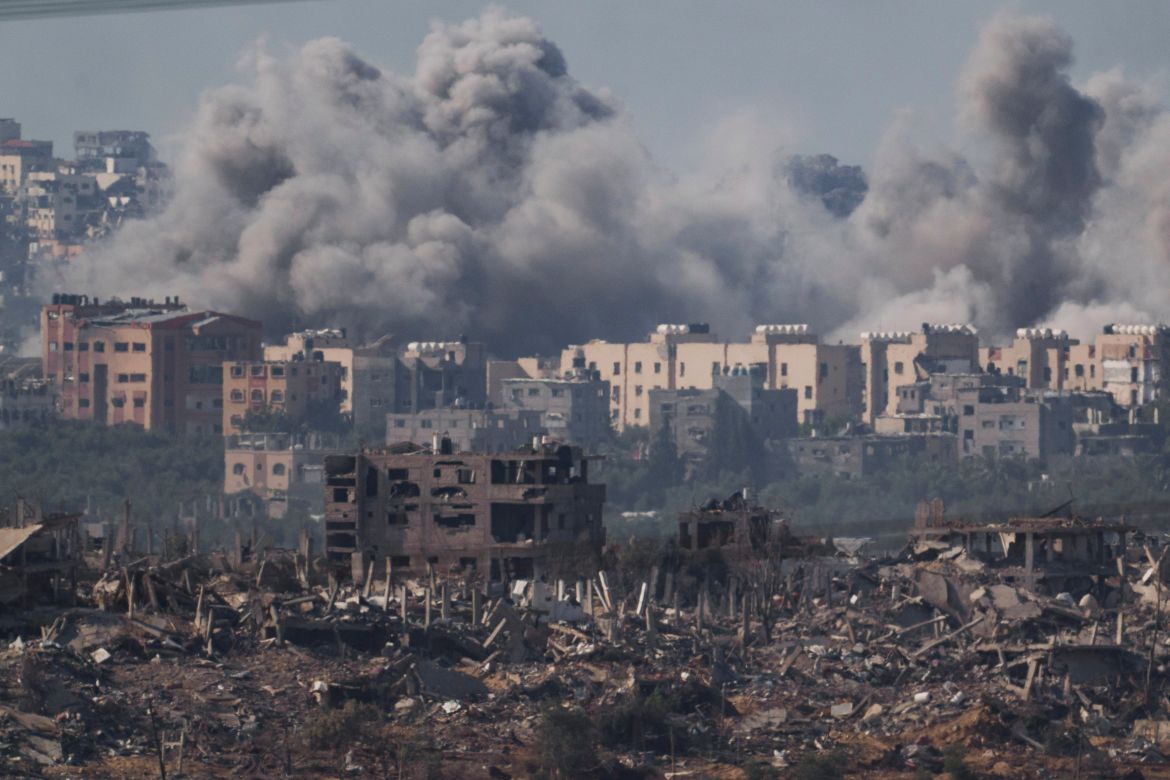
The displacement of 1.9 million Gazans would exacerbate an already dire humanitarian situation. With limited access to resources, healthcare, and basic necessities, the population would face severe hardships, including potential outbreaks of disease and increased mortality rates. The collapse of essential services would further destabilize the region.
Long-Term Instability
The imposition of external control and the erasure of Palestinian self-determination could lead to enduring instability. Marginalized populations may radicalize in response to perceived injustices, fostering environments conducive to extremist groups. This long-term instability would undermine any short-term gains from economic development and could perpetuate cycles of violence and retaliation.
Conclusion
Trump's latest actions and announcements regarding Gaza have sparked a multifaceted philosophical debate encompassing ethical dilemmas, political strategies, and historical grievances. Analyzing the situation through various philosophical lenses reveals a consensus that the proposed interventions are fraught with moral, political, and humanitarian risks. The potential outcomes—ranging from increased conflict and international isolation to severe humanitarian crises and long-term instability—underscore the complexities of resolving the Gaza-Israel conflict through unilateral actions. A more nuanced, cooperative, and ethically grounded approach is essential for fostering sustainable peace and addressing the root causes of the enduring conflict.
References
Last updated February 6, 2025