
Unlock Ancient Secrets to Modern Success: Ben Zoma's Timeless Guide to Life's True Treasures!
Craft a side-splitting and insightful speech with lessons from Pirkei Avot Chapter 4, Mishna 1 – prepare for laughs and enlightenment!
Are you looking to deliver a speech that's not only engaging and humorous but also packed with profound wisdom? Look no further than Pirkei Avot, Chapter 4, Mishna 1. These ancient teachings, attributed to the sage Ben Zoma, offer a revolutionary perspective on what it truly means to be wise, mighty, wealthy, and honored. This guide will help you unpack these lessons, sprinkle in true-to-life (and funny!) stories, and quote the sage himself to create a memorable presentation.
Key Highlights: Ben Zoma's Blueprint for a Fulfilling Life
Essential Insights at a Glance
- True Wisdom Unveiled: It's not about the diplomas on your wall or the facts you can recite, but your genuine openness and humility to learn from every single person you encounter.
- The Mightiest Muscle is Your Mind: Real strength isn't measured in bench presses or power plays; it's demonstrated by conquering your own inner impulses, desires, and knee-jerk reactions.
- The Secret to Infinite Wealth: Forget chasing the next big paycheck or luxury item. Genuine richness blossoms from a heart full of contentment and gratitude for what you already possess.
- Earning Lasting Honor: Popularity contests and social media likes are fleeting. Enduring honor is cultivated by consistently and sincerely honoring those around you.
Meet Ben Zoma and His Revolutionary Ideas
A Glimpse into Pirkei Avot Chapter 4, Mishna 1
Pirkei Avot, often translated as "Ethics of the Fathers," is a cherished tractate of the Mishnah, a foundational text of Rabbinic Judaism. It's a compilation of timeless ethical teachings and maxims from Jewish sages. Chapter 4, Mishna 1, features the sage Ben Zoma, who lived in the 2nd century CE. He poses four seemingly simple questions about fundamental human virtues, providing answers that turn conventional thinking on its head:
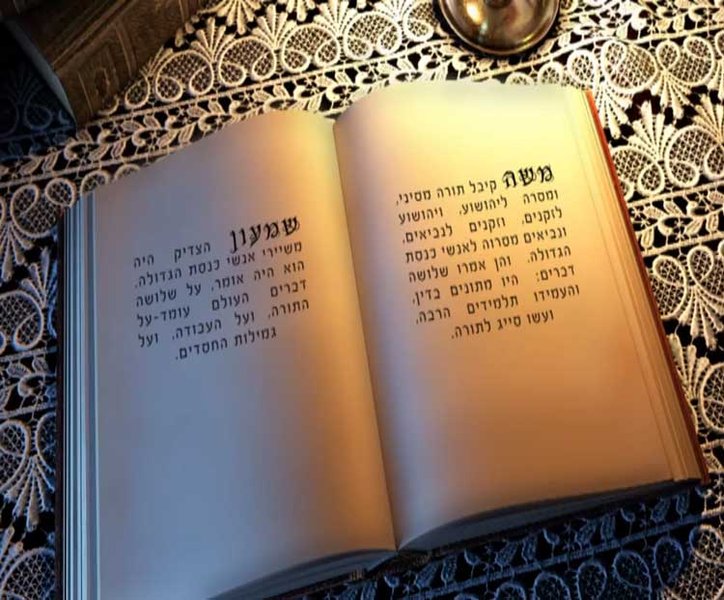
An artistic interpretation evoking the profound questions of Pirkei Avot.
Let's delve into each of these, equipping you with practical lessons, humorous anecdotes, and direct quotes for your speech.
The Four Pillars of a Meaningful Life According to Ben Zoma
1. Who is Wise? The Lifelong Learner
Ben Zoma's Definition:
"Who is wise? He who learns from every man, as it is said: 'From all who taught me have I gained understanding' (Psalms 119:99)."
Practical Lesson for Today:
True wisdom isn't about hoarding knowledge or being the smartest person in the room. It's about cultivating humility and an insatiable curiosity that allows you to learn from anyone and everyone – regardless of their age, status, or background. This means being open to feedback, admitting when you don't know something, and seeing every interaction as a potential learning opportunity.
Funny Story Ideas for Your Speech:
Imagine a seasoned CEO, completely flummoxed while trying to assemble a piece of flat-pack furniture. Their young intern walks by, glances at the convoluted instructions (perhaps even held upside down by the CEO), and casually points out, "I think that part connects over there." Boom! Instant enlightenment from an unexpected source. You could quip, "That CEO just got a PhD in 'Advanced Gizmo Assembly' from the University of Intern Insights! Ben Zoma would definitely approve."
Or share a personal anecdote: "I once tried to learn a new TikTok dance. After an hour of looking like a confused octopus, my ten-year-old niece showed me the moves in two minutes. Ben Zoma was right – wisdom can even come from those who haven't mastered algebra yet!"
Humorous Angle:
Emphasize that learning from everyone also includes learning what not to do from someone else's comical blunder. "Sometimes, the greatest wisdom is realizing, 'Okay, I'm definitely not doing *that*!'"
2. Who is Mighty? The Master of Self
Ben Zoma's Definition:
"Who is mighty? He who conquers his evil impulse (his passions/desires)."
Practical Lesson for Today:
Forget physical prowess or worldly power. Ben Zoma teaches that true might lies in self-control, emotional regulation, and the ability to master your own impulses. This could mean resisting the urge to send an angry email, choosing a healthy meal over a tempting indulgence, or patiently holding your tongue when provoked.
Funny Story Ideas for Your Speech:
"Picture this: It's midnight. You're on a diet. That glorious, triple-chocolate cake in the fridge starts whispering sweet nothings to you. It's practically serenading you with its sugary siren song! Walking away from that? According to Ben Zoma, that's not just willpower – that's superhero-level might! You've just bench-pressed temptation itself!"
Another relatable scenario: "You know that urge to hit 'reply all' with a sarcastic comment on a work email chain? Resisting that? That’s the modern-day equivalent of slaying a dragon. You are mighty!"
Humorous Angle:
Compare this internal battle to everyday struggles: "My alarm clock and I have a 'might' contest every morning. Spoiler: the snooze button often displays Herculean strength against my noble intentions."
3. Who is Rich? The Contented Soul

Finding joy in one's portion – the essence of true wealth, as taught by Ben Zoma.
Ben Zoma's Definition:
"Who is rich? He who is content with what he has (rejoices in his portion)."
Practical Lesson for Today:
True wealth isn't about the size of your bank account, the car you drive, or the square footage of your house. Ben Zoma points to an internal treasure: contentment. It's about appreciating what you have, cultivating gratitude for the simple joys, and freeing yourself from the shackles of envy and the endless pursuit of more.
Funny Story Ideas for Your Speech:
"You know you're 'Ben Zoma rich' when you find a forgotten five-dollar bill in an old coat pocket and feel like you've hit the jackpot. Or when your Wi-Fi signal is strong and your coffee is hot – that's millionaire status in my book!"
"I once saw a billionaire on TV complaining that his private jet wasn't fast enough. Meanwhile, I was rejoicing because I found matching socks. I think I know who Ben Zoma would consider wealthier!"
Humorous Angle:
Contrast this with societal pressures: "The world tells you that you need the latest smartphone to be happy. Ben Zoma says you're rich if you're happy your current phone still makes calls and hasn't accidentally taken a swim."
4. Who is Honored? The One Who Honors Others
Ben Zoma's Definition:
"Who is honored? He who honors others."
Practical Lesson for Today:
Forget seeking accolades, awards, or social media validation. According to Ben Zoma, genuine honor is a byproduct of how you treat others. It comes from showing respect, kindness, and appreciation to everyone, regardless of their station in life. When you make others feel valued, you, in turn, become honorable.
Funny Story Ideas for Your Speech:
"Think about that person at a wedding who manages to compliment everyone – from the flower girl's adorable dress to the DJ's 'eclectic' music choices. They're not angling for 'Most Popular Guest' award; they're genuinely making everyone feel good. And guess what? Everyone loves them! That's Ben Zoma's secret sauce for honor – it's like a social superpower."
"A CEO once shared his key to success: 'I treat our cleaning staff with the same respect I give to our board members.' By honoring everyone, he built a fantastic company culture. He wasn't just honored; he was a legend."
Humorous Angle:
Poke fun at the quest for superficial honor: "In a world obsessed with 'likes' and 'followers,' Ben Zoma reminds us that true honor isn't about how many people know your name, but how many people feel respected by you. It's like karma, but with more genuine smiles and fewer emojis."
Visualizing Ben Zoma's Wisdom: A Modern Perspective
Conventional Views vs. Ben Zoma's Insights
This chart helps to visually contrast the common societal understanding of these virtues with Ben Zoma's more profound, internal definitions. On a scale of 1 to 10 (where 10 represents the deepest or most true form of the virtue, and the axis minimum is 3 to ensure clarity), we can see how Ben Zoma elevates these concepts:
As the chart illustrates, Ben Zoma's definitions often point to a more profound and sustainable version of these virtues, rooted in inner character rather than external achievements.
Mapping Out Ben Zoma's Teachings
A Mindmap of Pirkei Avot 4:1
To help visualize the core concepts from Ben Zoma as presented in Pirkei Avot 4:1, here's a mindmap. It breaks down his four key questions and their transformative answers, providing a clear overview of his ethical framework.
(Pirkei Avot 4:1)"] id1["Who is Wise?"] id1a["He who learns from
every person"] id2["Who is Mighty?"] id2a["He who conquers
his desires/passions"] id3["Who is Rich?"] id3a["He who is content
with his portion"] id4["Who is Honored?"] id4a["He who honors others"]
This mindmap clearly lays out the direct teachings, making them easy to remember and incorporate into your speech.
Ben Zoma's Wisdom: At a Glance
Key Definitions, Lessons, and Humorous Tips
This table summarizes Ben Zoma's definitions for each virtue, contrasts them with conventional misconceptions, highlights a practical lesson for today, and offers a humorous tip for your speech:
| Virtue | Ben Zoma's Definition | Conventional Misconception | Practical Lesson Today | Humorous Tip for Your Speech |
|---|---|---|---|---|
| Wisdom | Learns from everyone | Having all the answers; academic prowess only | Actively seek diverse perspectives; stay curious and humble. | "My cat taught me the importance of naps. Thanks, Ben Zoma, for validating that profound feline wisdom!" |
| Might | Conquers personal impulses/desires | Physical strength; dominance over others | Practice self-discipline; master your emotional responses. | "Resisting that extra slice of pizza is my daily Ben Zoma strongman competition. So far, the pizza is often mightier." |
| Wealth | Content with one's portion | Accumulating material possessions; high net worth | Cultivate gratitude; find joy in what you have, not what you lack. | "My 'portion' includes a fully charged phone and no buffering. By Ben Zoma's standards, I'm practically a tycoon!" |
| Honor | Honors others | Receiving accolades; fame and popularity | Show genuine respect and kindness to everyone, regardless of status. | "Honor others like they're the only person who knows the Wi-Fi password. Instant respect, guaranteed!" |
Hear the Wisdom: Pirkei Avot 4:1 Explained
Exploring the Mishna Further
For a direct engagement with the text of Pirkei Avot Chapter 4, Mishna 1, the following video provides a reading and initial commentary. Listening to the Mishna can offer a deeper appreciation for its cadence and wisdom, further enriching your understanding as you prepare your speech.
A reading and discussion of Pirkei Avot, Mishnah 4:1.
Tips for a Funny and Engaging Speech
Bringing Ancient Wisdom to Life with Laughter
- Relatable Humor: Connect Ben Zoma's teachings to everyday modern struggles – diet dilemmas, tech frustrations, workplace absurdities, family dynamics. The more relatable, the funnier.
- Self-Deprecation: Share your own (humorous) failings in trying to live up to these ideals. "I tried to be 'mighty' and resist buying those shoes online... the delivery is expected tomorrow."
- Modern Analogies: Paraphrase the ancient wisdom using current slang or pop culture references (judiciously!). "Ben Zoma basically invented 'Choose Your Character' for real life."
- Audience Interaction: Pose rhetorical questions. Ask for a show of hands ("Who here has learned something vital from a YouTube tutorial gone wrong?"). This keeps the audience engaged.
- Storytelling: Weave in short, punchy anecdotes (like the examples above). Exaggerate slightly for comic effect but keep the core message intact.
- Pacing and Tone: Vary your delivery. Be earnest when delivering the quote, then shift to a lighter, more playful tone for the humorous stories and applications.
- Enthusiasm: Your passion for the topic will be infectious. If you find it fascinating and funny, your audience is more likely to as well.
- A Strong Opening and Closing: Start with a hook that grabs attention and clearly introduces Ben Zoma's four questions. End with a memorable summary that ties it all together, perhaps with a final witty remark or a call to action that inspires both thought and a chuckle.
Frequently Asked Questions (FAQ)
Who was Ben Zoma?
Why is Pirkei Avot Chapter 4, Mishna 1 still so relevant today?
Can these ancient ethical teachings genuinely be presented in a funny way?
What is the overarching message of Ben Zoma's four questions in this Mishna?
Conclusion: Embrace the Wisdom, Share the Laughter
Ben Zoma's teachings from Pirkei Avot 4:1 offer a powerful antidote to many of modern life's anxieties. By redefining wisdom, might, wealth, and honor, he provides a roadmap to a more fulfilling and authentic existence. Your speech has the potential to not only share this ancient wisdom but to do so in a way that is uplifting, entertaining, and truly resonates with your audience. By blending profound insights with relatable humor and engaging stories, you can inspire others to reflect on these timeless virtues and perhaps even conquer their own "evil impulse" to skip dessert (or at least think twice!).
Recommended Further Exploration
Dive Deeper into Related Concepts
- How can I effectively apply the principle of 'learning from everyone' in my professional development and teamwork?
- What are some modern psychological strategies that parallel Ben Zoma's concept of 'conquering one's evil impulse' for better self-control?
- Explore the philosophical connections between Ben Zoma's idea of contentment as 'true wealth' and contemporary minimalist lifestyle movements.
- In what practical ways does 'honoring others,' as defined by Ben Zoma, contribute to building stronger communities and fostering positive social change?
References
Sources for Your Own Study
 nafkamina.wordpress.com
Last updated May 21, 2025