
Unleash Your Vision: Creating a Pitch Deck Meta-Prompt
Discover the art of generating a compelling pitch narrative using a structured meta prompt
Key Highlights
- Audience & Purpose Definition: Clearly outline the goal of your pitch deck and tailor it to your target audience.
- Narrative Structure: Craft a story that covers problem, solution, market analysis, traction, and financials.
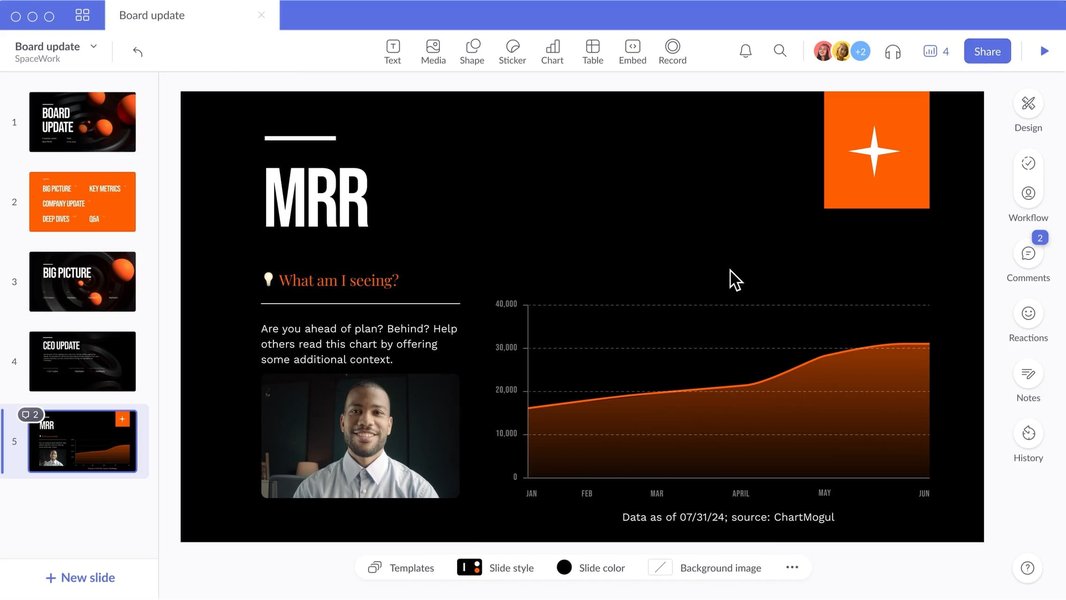
- Visual & Data Integration: Incorporate charts, tables, and engaging visuals to support your message.
Meta-Prompt for Generating a Pitch Deck
Generating a pitch deck using a meta-prompt involves designing a blueprint that guides artificial intelligence tools to produce a comprehensive presentation that appeals to investors, partners, or potential clients. The meta-prompt should incorporate elements that define the narrative, visual structure, data organization, and refinement to ensure that the generated deck is both visually appealing and content-rich.
Structured Components of the Meta-Prompt
1. Define the Purpose and Audience
Begin by establishing the meta-prompt’s primary objective. The meta-prompt should clearly state the main goal of the pitch deck (e.g., securing seed funding or attracting strategic partners) and describe the target audience, whether they are venture capitalists, angel investors, or prospective clients. Define the tone and language to be used – professional, persuasive, and concise.
2. Crafting a Narrative Structure
The narrative is the backbone of your pitch deck. Your meta-prompt must instruct the AI to create a logical and compelling narrative that includes the following sections:
- Introduction: A high-impact hook followed by an overview of the startup including its mission, vision, and unique selling proposition.
- Problem Statement: Clear articulation of the market problem or opportunity, supported by relevant data.
- Solution: Detailed insight into the product or service, emphasizing its innovative features and benefits.
- Market Opportunity: An analysis of the target market segments, size, trends, and competitive dynamics.
- Traction and Milestones: Highlights of early achievements, such as user growth, strategic partnerships, or revenue figures.
- Team: Introduction to key team members, their backgrounds, and why they are uniquely positioned to execute the plan.
- Financial Projections: Clear financial forecasts including revenue, profits, and cost structures over a defined period.
- Funding Ask: The required investment details, planned use of funds, and expected ROI.
3. Visual Organization and Design Integration
Your meta-prompt should instruct the AI to enhance the pitch deck with visual elements that support the storytelling approach. This includes:
- Using consistent branding elements like the company logo and color schemes.
- Incorporating charts, graphs, and infographics to depict market data and financial projections.
- Providing visual breaks between content sections for clarity and engagement.
4. Detailed Formatting Instructions
It is crucial to detail the formatting requirements in your meta-prompt. You should request information to be laid out in a series of slides or sections, with each slide having a dedicated focus. Request that the content is organized in a visually appealing manner with clear headings, bullet points, and a coherent flow from one section to the next.
5. Refinement, Feedback, and Iteration
Specify that the initial output is just a draft version and should allow for iterative refinement. Encourage the use of feedback to adjust financial projections, visual representation of data, and overall narrative coherence. This includes incorporating expert insights, validated data sources, and industry benchmarks.
Visual Elements: Radar Chart Analysis
The following radar chart represents an opinionated analysis of the different aspects that make an excellent pitch deck. Each axis of the chart indicates a crucial component such as narrative quality, visual appeal, market data integration, financial clarity, and audience targeting. This chart serves as a visual summary to help assess and balance these components during the generation process.
Comprehensive Pitch Deck Structure Table
The table below outlines the recommended structure of the pitch deck. It details the sections, their purpose, and key elements to include in each.
| Section | Description | Key Elements |
|---|---|---|
| Introduction | Introduce the company, mission, and hook the audience. | Company Overview, Mission Statement, Tagline |
| Problem Statement | Highlight the market need or problem being addressed. | Market Gaps, Pain Points, Data Insights |
| Solution | Detail the product/service and how it resolves the problem. | Features, Benefits, Unique Selling Proposition |
| Market Opportunity | Analyze market potential and target audience. | Market Segmentation, Trends, Competitive Analysis |
| Traction & Milestones | Showcase evidence of progress and success. | User Growth, Revenue, Partnerships |
| Team | Introduce the team and highlight their expertise. | Team Bios, Key Roles, Experience |
| Financial Projections | Provide clear financial forecasts and budget allocation. | Revenue Forecast, Expense Breakdown, ROI |
| Funding Ask | State the funding requirements and usage plan. | Investment Amount, Use of Funds, ROI |
Embedding a Relevant YouTube Resource
For additional insights on creating a pitch deck using AI and meta prompts, consider watching the video below. This resource offers an in-depth look at using AI tools to build visually impressive presentations.
Frequently Asked Questions (FAQ)
What is a meta prompt in the context of a pitch deck?
A meta prompt is an advanced instruction set that guides AI tools in generating a comprehensive pitch deck. It provides a framework detailing every aspect of the pitch—from the narrative and structure to visual design elements—ensuring that the final output is well-organized, persuasive, and tailored to a specific audience.
How does the visual organization improve the impact of a pitch deck?
Visual organization plays a critical role in engaging the audience. It involves using design elements such as consistent branding, compelling charts, infographics, and color themes that help to clearly communicate the message. A visually appealing layout increases the audience’s retention and understanding of the key points, making the pitch deck not only informative but also memorable.
What are the must-have sections in a successful pitch deck?
A successful pitch deck should include the following sections: Introduction, Problem Statement, Solution, Market Opportunity, Traction & Milestones, Team, Financial Projections, and a clear Funding Ask. Each section must be crafted to tell a coherent story, highlighting why the business idea is innovative and how it stands to benefit investors.
References
- Best Pitch Decks - Visme
- ChatGPT Prompts for Pitch Decks - Arvin.Chat
- Investor Pitch Deck Prompts - EarlyNode
- How to Create a Pitch Deck - Forbes
- Design a Pitch Deck - Canva
Recommended
Last updated April 2, 2025