
Developing a Plant-Based Shrimp Alternative Using Sea Purslane ("Dampalit")
Innovative, Sustainable, and Nutrient-Rich Seafood Alternatives
Key Takeaways
- Sustainability Advantage: Sea Purslane thrives in saline or marginal lands, reducing freshwater usage and environmental impact.
- Nutritional & Sensory Benefits: Rich in vitamins, antioxidants, and possessing a unique texture that can mimic shrimp’s bite and flavor.
- Market & Cultural Relevance: Taps into growing demand for ethical, plant-based protein while embracing local culinary traditions.
Introduction
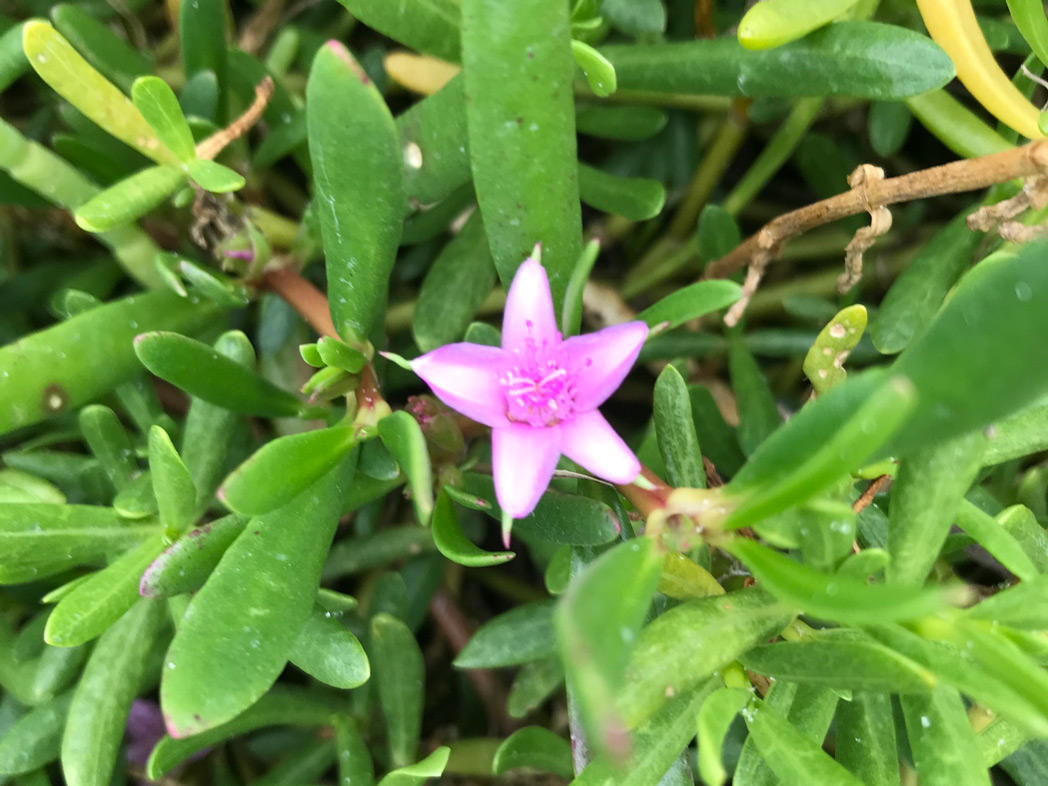
As the global food industry pivots towards more sustainable and ethical production methods, there is a rising interest in plant-based seafood alternatives. Traditional shrimp production is often fraught with environmental challenges such as overfishing, habitat destruction, and high carbon emissions associated with aquaculture. In response, food innovators are seeking alternatives that not only replicate the taste and texture of shrimp but also reduce the environmental footprint of seafood production. One such promising candidate is Sea Purslane, commonly known as "Dampalit." This halophytic plant, native to coastal regions, offers a unique combination of nutritional value, sustainable cultivation practices, and sensory characteristics that make it ideal for developing a plant-based shrimp alternative.
Justification for Using Sea Purslane ("Dampalit")
Nutritional Profile and Health Benefits
Sea Purslane is celebrated for its impressive nutritional attributes. It is rich in essential vitamins such as vitamin A and vitamin C, which are crucial for maintaining immune function and healthy skin. Moreover, antioxidants present in this plant help combat oxidative stress and inflammation, contributing to overall wellness. In addition to its vitamin content, Sea Purslane contains beneficial compounds like natural plant steroids (ecdysterone) and a range of minerals that enhance its nutritional profile. While traditional shrimp are often prized for providing high-quality protein and omega-3 fatty acids, the plant-based alternative based on Sea Purslane offers comparable benefits with significantly lower environmental costs.
Culinary Characteristics and Sensory Attributes
One of the most critical factors in developing any alternative seafood product is to replicate the sensory experience of conventional shrimp. Sea Purslane naturally exhibits a succulent, fleshy texture that can be manipulated through processing techniques to emulate the bite of shrimp. Its slightly salty taste mirrors the briny flavor typical of seafood. Culinary professionals can employ methods such as chopping, shaping, and seasoning with marine-inspired flavors to elevate the plant’s natural taste profile. When combined with advanced food processing techniques—such as extrusion and protein isolation—the potential to closely mimic the texture and appearance of shrimp increases remarkably. This sensory familiarity is crucial for appealing to consumers who wish to enjoy seafood flavors without compromising on ethical or sustainability standards.
Sustainability and Environmental Impact
The environmental benefits of incorporating Sea Purslane into plant-based shrimp alternatives are profound. Unlike traditional shrimp farming, which often necessitates the destruction of sensitive ecosystems like mangroves and contributes to water pollution, Sea Purslane can be cultivated on saline or marginal lands that are unsuitable for conventional agriculture. Its ability to thrive in these challenging conditions ensures minimal freshwater input and reduces the need for chemical fertilizers and pesticides. Additionally, the fast-growing nature of this halophyte contributes to a rapid turnover in production without taxing natural resources. Cultivating Sea Purslane also aids in coastal stabilization by preventing soil erosion; thus, promoting both agricultural sustainability and environmental conservation.
Technical Feasibility and Production Methods
From a production standpoint, Sea Purslane offers significant technical advantages. Its inherent mucilaginous properties can serve as natural binders and texturizers, essential for replicating the firm texture of shrimp. Modern food processing techniques, such as high-moisture extrusion and precise protein isolation, allow producers to engineer textures that are closely aligned with those of animal-derived seafood. Moreover, integrating complementary ingredients like pea protein or seaweed extracts can help enhance flavor, color, and nutritional value. These processing methods not only improve the end product’s sensory qualities but also maintain its nutritional integrity. As a result, the resultant shrimp alternative can be manufactured at scale, meeting the dual needs of market demand and consistent product quality.
Market Potential and Economic Impact
The market for plant-based alternatives continues to expand globally, driven by consumer concerns over animal welfare, environmental sustainability, and health. Food trends now show a marked shift towards flexitarian diets, where consumers are increasingly experimenting with innovative, plant-derived protein sources. A shrimplike product based on Sea Purslane is uniquely positioned to capture this market segment. Its development is particularly timely, given the surge in environmentally conscious consumer behavior and strict governmental regulations aimed at reducing the ecological footprint of food production.
Additionally, the utilization of local, culturally significant ingredients such as Dampalit resonates strongly with communities familiar with its culinary uses. In many coastal regions, Sea Purslane has long been employed in traditional recipes—ranging from pickles to fresh salads—and its inclusion in a high-value, modern food product can bridge traditional culinary heritage with contemporary eating trends. This dual appeal not only strengthens market differentiation but also supports local economies by diversifying agricultural outputs and creating new job opportunities in food processing sectors.
Summary Table: Key Comparisons
| Aspect | Conventional Shrimp | Sea Purslane Alternative |
|---|---|---|
| Texture | Firm, succulent bite | Fleshy and slightly mucilaginous, mimicking shrimp texture |
| Taste | Distinct briny, seafood flavor | Slightly salty with hints of marine essence |
| Nutritional Value | High in protein, omega-3 fatty acids | Rich in vitamins (A, C, E), antioxidants, and essential minerals |
| Sustainability | High environmental footprint; overfishing concerns | Low-impact cultivation on saline/marginal lands; eco-friendly |
| Cultural Relevance | Traditional seafood dining | Historically used in local cuisines; culturally significant |
Detailed Analysis
The holistic evaluation of Sea Purslane as a primary ingredient for a shrimp alternative covers multiple dimensions ranging from its inherent nutritional strengths to its processing advantages. First, the plant’s impressive nutritional profile positions it as a healthful ingredient. Its high vitamin and antioxidant contents not only add value but also potentially enhance the shelf life of the finished product by reducing lipid oxidation—a common challenge in reformulated food items.
The challenge in producing a shrimp alternative lies in replicating the sensory characteristics that consumers expect from seafood. Traditional shrimp have a unique firm yet tender consistency, accompanied by a distinct taste that resonates with the ocean’s brininess. Sea Purslane, with its succulent texture and slightly saline flavor profile, can be transformed through culinary processing to closely resemble shrimp. Chefs and food technologists can experiment with varying processing techniques like precise chopping, structuring via extrusion, and even the incorporation of natural binding agents derived from the plant’s own mucilage. Each stage of processing contributes toward producing a product that meets the twin objectives of quality and familiarity—ensuring that consumers do not feel they are compromising on taste or texture.
Environmental sustainability is another cornerstone of the rationale behind using Sea Purslane. With increasing awareness about the adverse environmental impacts of overfishing and unsustainable aquaculture practices, innovative plant-based alternatives are receiving heightened attention. Sea Purslane’s ability to grow robustly in saline conditions means that it does not compete with traditional crop production for fertile, freshwater-rich land. Instead, it utilizes marginal lands that are often underexploited, thereby reducing agricultural pressures and promoting ecosystem resilience. This characteristic not only lessens the carbon footprint of the production process but also aligns well with the principles of environmental stewardship.
On the production front, modern food processing technologies provide the necessary tools to overcome potential challenges in texture and flavor replication. The use of high-moisture extrusion, for instance, enables the transformation of plant fibers into a texture closely resembling that of shrimp meat. Coupled with advanced seasoning techniques that include the infusion of natural sea flavors (potentially from seaweed extracts or similar marine-sourced seasonings), the final culinary product can achieve an authenticity that fulfills consumer expectations. Innovations in additive manufacturing and protein structuring are continuously evolving, thereby further boosting the technical feasibility of such products.
The economic and market implications of developing a Sea Purslane-based shrimp alternative are equally compelling. Consumer trends in several regions indicate a robust and growing preference for plant-based products—a trend that is expected to accelerate amidst rising environmental concerns and ethical considerations. In many urban centers, flexitarians—consumers who are not strictly vegetarian but are reducing their meat intake—are looking for alternatives that do not compromise on taste or cultural identity. A product developed around Sea Purslane meets these criteria by leveraging local culinary traditions while adopting modern food innovation practices. This convergence not only promises to expand the consumer base but also serves to bolster local agricultural economies through diversified crop usage and innovative food processing ventures.
Moreover, the use of Sea Purslane has the potential to foster broader socio-economic benefits. Incorporating a native ingredient into a high-demand product can stimulate local agriculture and provide opportunities for rural development. Small-scale farmers may find new markets for an underutilized resource, and regional food industries can achieve greater self-sufficiency by reducing reliance on imported ingredients. Initiatives built around sustainable and locally sourced foods are well-positioned to attract investment, generate employment, and promote community pride in traditional cuisines while embracing modernization.
Regulatory acceptance and food safety considerations also support the case for developing a Sea Purslane shrimp alternative. Many regions where Sea Purslane has historically been a part of local diets have established guidelines for its safe usage in culinary applications. With rigorous testing and validated manufacturing processes, food producers can ensure that the end product meets all necessary safety and nutritional standards. This regulatory compliance not only protects consumers but also facilitates smoother market entry and broader consumer acceptance.
In summary, the multi-dimensional benefits of using Sea Purslane (“Dampalit”) in a plant-based shrimp alternative underscore its potential to transform the current seafood landscape. By integrating nutritional benefits, innovative processing technologies, and sustainable agricultural practices, this approach addresses key challenges in the conventional seafood supply chain. Furthermore, it represents a convergence of tradition and modernity—honoring local culinary heritage while pioneering eco-friendly food solutions for the future.
Conclusion
The development of a plant-based shrimp alternative using Sea Purslane ("Dampalit") stands as a forward-thinking solution to both environmental and dietary challenges faced today. It not only promises a product that is nutritionally robust and sensorially appealing but also addresses critical concerns surrounding sustainability and ethical agriculture. By harnessing the unique qualities of Sea Purslane—its adaptability, nutritional richness, and textural properties—food innovators can create a shrimp alternative that is aligned with modern consumer values and production imperatives. This innovative approach establishes a viable pathway towards reducing the ecological footprint of seafood production, supporting local economies, and meeting the escalating demand for plant-based protein alternatives.
References
- Sea Purslane - Poppys Wild Kitchen
- Sesuvium portulacastrum - PFAF
- Dampalit Wild Weed Makes a Culinary Comeback - FNB Report
- Sea Purslane Guide - iNaturalist
- Sea Purslane - RefenviroEd
- Sesuvium portulacastrum - Wikipedia
- FAO Sustainability Guidelines
-
Nutritional Research on Halophytes
- Sea Purslane Product Information - Nature Scapes
- Plant Profile: Sea Purslane - Jane Grows Garden Rooms
More
Last updated February 18, 2025