
Unearthing America's Plant-Based Powerhouses: A Deep Dive into Top Markets
Explore the leading U.S. cities embracing plant-based diets, driven by health, sustainability, and evolving consumer trends.
Key Insights into Plant-Based Market Dominance
- Urban Centers Lead the Charge: Major metropolitan areas like New York City, Los Angeles, and San Francisco consistently demonstrate the highest interest and consumption due to diverse populations, greater accessibility, and a strong focus on health and sustainability.
- Youthful Demographics as Catalysts: Millennials and Gen Z are pivotal drivers of the plant-based movement, with their strong influence on spending power and preference for flexitarian diets and environmentally conscious choices.
- Market Growth and Household Penetration: The U.S. plant-based food market is valued at approximately $8 billion, with 70% of the population consuming plant-based foods in 2022 and a remarkable 80% repeat purchase rate, indicating sustained consumer engagement.
The landscape of food consumption in the United States is undergoing a significant transformation, with plant-based diets gaining unprecedented momentum. While a definitive, ranked list of the top 50 U.S. markets for plant-based food interest and consumption is not explicitly provided in the available data, a clear picture emerges by synthesizing insights from various sources. This analysis identifies key cities and regions that are at the forefront of this dietary shift, driven by a confluence of health consciousness, environmental concerns, ethical considerations, and evolving consumer preferences.
The Ascendance of Plant-Based Living in the U.S.
The plant-based food market in the United States has experienced remarkable growth over the past decade, currently valued at approximately $8 billion. This expansion is not merely a passing fad; it reflects a fundamental shift in consumer behavior and dietary patterns. In 2022, a significant 70% of the total U.S. population consumed plant-based foods, an increase from 66% just a year prior. This widespread adoption is further underscored by a 60% household penetration rate and an impressive 80% repeat purchase rate across all plant-based categories, signaling strong consumer loyalty and satisfaction.
Demographic Shifts Fueling the Movement
A crucial factor in this growth is the increasing influence of younger generations. Millennials and Gen Z, who comprise 47% of the U.S. population, are significant drivers of the plant-based trend. Their dietary choices are often influenced by a strong sense of social responsibility, prioritizing sustainability, animal welfare, and personal health. This demographic is more inclined to adopt flexitarian diets, where plant-based meals are regularly incorporated alongside animal products, rather than strictly adhering to vegan or vegetarian lifestyles. Their collective spending power and evolving preferences are reshaping the food industry.
The Economic Impact of Plant-Based Foods
The market's robust growth trajectory is projected to continue, with the overall U.S. plant-based food market expected to reach US$26.72 billion by 2033, growing at a compound annual growth rate (CAGR) of 11.70% from 2025 to 2033. Within this expansive market, plant-based meat is a particularly dynamic segment, forecast to reach US$15.12 billion by 2033 from US$2.99 billion in 2024, with a striking CAGR of 19.91% from 2025 to 2033. Plant-based milk alternatives remain the largest segment, valued at approximately $2.8 billion, demonstrating double the value of meat substitutes. Consumer perception largely favors plant-based options, with 67% of the U.S. population believing them to be healthier than animal-based foods.
Identifying the Vanguard: Top U.S. Plant-Based Markets
While a comprehensive list of 50 markets is not available, the synthesis of provided data consistently highlights several cities and regions as leaders in plant-based food interest and consumption. These areas typically share characteristics such as dense urban populations, a strong health and wellness culture, and a burgeoning food scene that readily incorporates plant-based innovations. Here are the most prominently mentioned cities, along with insights into their plant-based prowess:
West Coast Dominance
The West Coast, particularly California and the Pacific Northwest, emerges as a hub for plant-based living. These regions are characterized by a high number of vegan-friendly restaurants, innovative food businesses, and a population that is highly engaged with health and environmental issues.
Portland, Oregon: The Plant-Based Capital
Portland is frequently cited as the friendliest city for plant-based diets and boasts the highest number of plant-based food consumers in the U.S. Its vibrant vegan culture is evident in the sheer concentration of plant-based eateries and businesses, including innovative concepts like Face Plant, a vegan drive-thru slated to open in a former McDonald's location in January 2025.
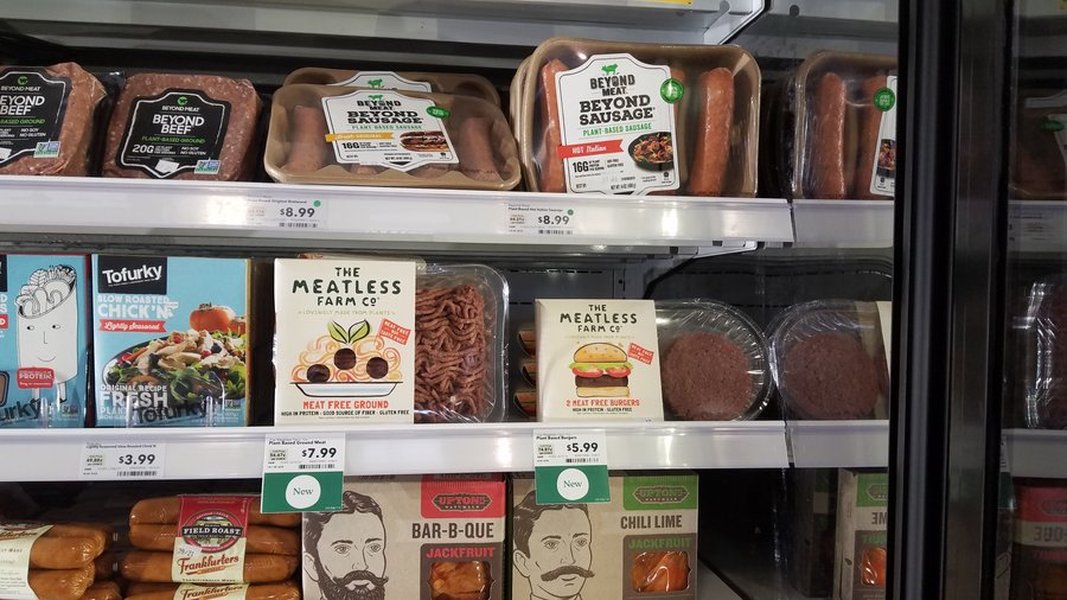
Plant-based meat alternatives readily available in retail settings, reflecting widespread market penetration.
Los Angeles, California: A Blue Zone Pioneer
Los Angeles is recognized for its extensive variety of plant-based dining options and is increasingly embracing plant-based lifestyles. It is noted as a city with emerging "Blue Zones" characteristics, where longevity and well-being are linked to plant-centric diets. The city hosts numerous events dedicated to vegan and sustainable eating, further solidifying its position as a plant-based mecca.
San Francisco, California: Innovation and Awareness
San Francisco has a high number of vegetarian and vegan restaurants, reflecting its residents' strong awareness of environmental and health issues. Plant-based options are readily available in mainstream dining establishments and grocery chains, making it a key market for plant-forward consumers.
Seattle, Washington: High Concentration of Plant-Based Eateries
Seattle boasts a strong plant-based food culture with a high number of vegan-friendly restaurants relative to its population (571 restaurants for 760,000 people). The city's local government also supports sustainability initiatives that promote plant-based diets, contributing to the rapid adoption of alternative proteins within its foodservice industry.
San Diego, California: Health and Sustainability Driven Growth
San Diego is experiencing rapid growth in vegan and vegetarian options, driven by strong health and sustainability trends. Local food businesses are actively innovating with plant-based ingredients, catering to a growing consumer base interested in these dietary choices.
East Coast and Other Urban Hotspots
Beyond the West Coast, several major East Coast cities and emerging urban centers across the U.S. are demonstrating significant interest and consumption of plant-based foods, fueled by diverse populations and a growing awareness of plant-based benefits.
New York City, New York: Culinary Diversity and Growth
New York City offers an unparalleled range of plant-based food establishments across its boroughs. It serves a significant consumer base actively reducing animal product consumption and is a hotbed for plant-based food startups and robust retail availability. The city's status as a culinary trendsetter ensures that plant-based options are continuously evolving and expanding.
Chef Chloe Coscarelli discusses her vegan hotspots in New York City, highlighting the city's vibrant plant-based culinary scene.
Orlando, Florida: A Growing Tourist and Local Demand
Orlando is ranked among the best cities for plant-based food options. Its significant tourist impact, coupled with a growing local interest, increases the demand for diverse plant-based meals. The city has seen considerable growth in plant-based retail and restaurant businesses.
Austin, Texas: Millennial and Health-Conscious Hub
Austin is home to a rapidly growing vegan and flexitarian community. It features an increasing presence of plant-based food stores and restaurants, largely driven by its popularity among health-conscious consumers and its significant millennial population.
Other Notable Cities Exhibiting Plant-Based Growth
While not providing a definitive top 50, several other cities are consistently mentioned for their strong or growing interest in plant-based foods. These include:
- Denver, Colorado
- Chicago, Illinois
- Boston, Massachusetts
- Washington, D.C.
- Minneapolis, Minnesota
- Nashville, Tennessee
- Philadelphia, Pennsylvania
- Atlanta, Georgia
- Detroit, Michigan
- Raleigh, North Carolina
- Sacramento, California
- Baltimore, Maryland
- Tucson, Arizona
- Kansas City, Kansas
- Columbus, Ohio
- Miami, Florida
- St. Louis, Missouri
- Salt Lake City, Utah
- Cleveland, Ohio
- Pittsburgh, Pennsylvania
- Buffalo, New York
- Madison, Wisconsin
- Charlotte, North Carolina
- New Orleans, Louisiana
- Phoenix, Arizona
- Las Vegas, Nevada
- Tampa, Florida
- San Jose, California
- Boulder, Colorado
- Ann Arbor, Michigan
Factors Driving Plant-Based Adoption Across U.S. Markets
The widespread adoption of plant-based diets in these markets can be attributed to several interconnected factors that influence consumer behavior and market dynamics.
Consumer Values and Preferences
A significant proportion of consumers in these cities are driven by deeply held values. Health benefits are a primary motivator, with 48% of consumers opting for plant-based foods for their perceived health advantages. Ethical and environmental concerns also play a crucial role for 30% of consumers, aligning with broader movements towards sustainability and animal welfare. The desire to reduce one's carbon footprint and embrace more humane food systems resonates strongly in these progressive urban environments.
Retail and Foodservice Accessibility
The ease of access to plant-based products, both in retail stores and foodservice establishments, is a critical enabler. Markets with high interest tend to have a robust infrastructure of grocery stores stocking a wide variety of plant-based alternatives and restaurants actively incorporating plant-based options into their menus. Approximately 60% of U.S. households have purchased plant-based foods, demonstrating significant retail penetration. Restaurants are increasingly offering plant-based choices to meet surging consumer demand, ranging from dedicated vegan eateries to mainstream chains expanding their plant-based offerings.
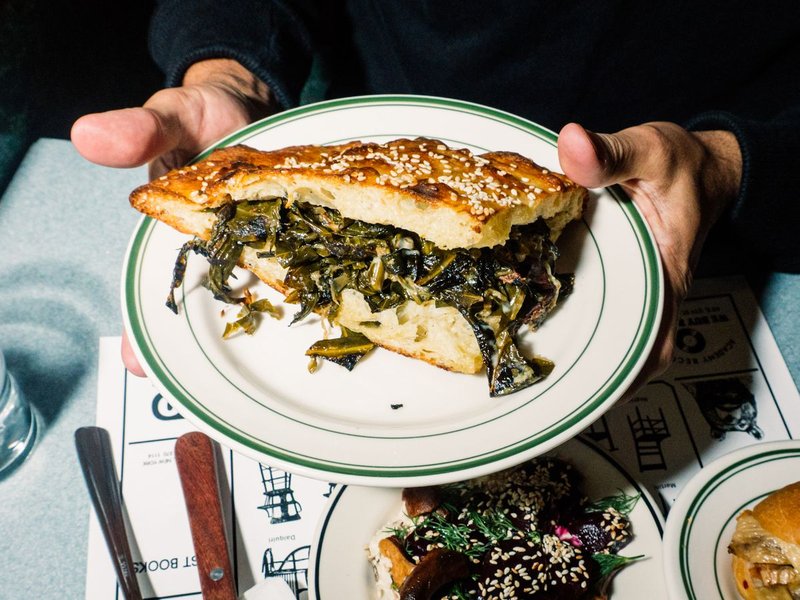
A plant-based burger from a restaurant in NYC, exemplifying the diverse vegan dining options available.
Local Government and Cultural Support
Many leading plant-based markets benefit from supportive local policies and a prevailing cultural ethos that encourages sustainable and healthy eating. Cities are increasingly implementing climate-friendly food policies aimed at reducing their carbon footprint, often by expanding the accessibility and affordability of plant-based foods in public institutions like schools, hospitals, and government offices. This top-down support, combined with grassroots activism and a vibrant vegan community, creates a fertile ground for plant-based living to flourish.
A Snapshot of Market Dynamics: A Radar Chart Analysis
To further illustrate the multifaceted nature of plant-based market dominance, the following radar chart provides an opinionated analysis of key factors influencing consumer interest and consumption across top U.S. cities. This chart visually represents how various attributes, such as restaurant density, consumer awareness, and demographic influence, contribute to a city's standing in the plant-based food landscape.
This chart highlights that cities excelling in plant-based adoption typically demonstrate high scores across multiple dimensions, including a strong presence of plant-based restaurants, engaged consumer bases, and proactive policy support. For instance, Portland scores highly on consumer awareness and sustainability drive, while Los Angeles leads in innovation and general health focus.
A Mindmap of Plant-Based Market Drivers
The following mindmap illustrates the interconnected factors contributing to the growth and concentration of plant-based food interest and consumption in leading U.S. markets. It visually organizes the core drivers, from consumer motivations to market infrastructure and broader societal trends.
This mindmap clearly articulates how consumer values, robust market infrastructure, and supportive cultural and policy environments collectively create the ideal conditions for plant-based food markets to thrive.
Comparative Overview of Leading Plant-Based Cities
This table offers a comparative overview of some of the leading U.S. cities identified for their significant interest and consumption of plant-based foods, highlighting their unique strengths and contributions to the broader market trends.
| City | Key Characteristics & Strengths | Noted Recognition | Notable Trends |
|---|---|---|---|
| Portland, OR | Highest number of plant-based food consumers, strong vegan culture, innovative businesses. | Friendliest city for plant-based diets; "Blue Zone" characteristics. | Vegan drive-thrus, high concentration of vegan-friendly options. |
| Los Angeles, CA | Massive variety of plant-based dining, embraced plant-based lifestyle by diverse population. | Emerging "Blue Zones" city; top for plant-based food options. | Significant growth in plant-based restaurant scenes, health-conscious trends. |
| New York City, NY | Wide range of plant-based establishments, significant consumer base reducing animal product consumption. | Top three vegan food city; high interest in "vegan food near me" searches. | Strong presence of plant-based food startups, high retail availability. |
| San Francisco, CA | High number of vegetarian/vegan restaurants, strong awareness of environmental/health issues. | Third city with high number of plant-based restaurants relative to population. | Plant-based options in mainstream dining and grocery chains. |
| Seattle, WA | Strong plant-based food culture, many vegan-friendly restaurants, local government support for sustainability. | High number of plant-based restaurants relative to population. | Rapid adoption of alternative proteins in foodservice. |
| Austin, TX | Growing vegan and flexitarian communities, increasing presence of plant-based stores/restaurants. | Among cities with best vegetarian/vegan options. | Popularity among health-conscious consumers and millennials. |
| Orlando, FL | Growth in plant-based retail/restaurant businesses, tourist impact increasing demand. | Named among the best cities for plant-based food options. | Diverse plant-based meal options to cater to various preferences. |
Frequently Asked Questions About Plant-Based Markets
What defines a "top" plant-based market?
Why are younger generations key drivers of plant-based growth?
Is the plant-based food market expected to continue growing?
Are there any specific challenges facing the plant-based market despite its growth?
Conclusion
While a definitive, ranked list of the top 50 U.S. markets for plant-based food interest and consumption remains elusive within the available data, a clear hierarchy of leading cities and regions emerges. Urban centers, particularly on the West Coast, alongside major East Coast cities and select burgeoning markets across the U.S., are spearheading the plant-based revolution. This movement is powered by shifting consumer values centered on health, sustainability, and ethics, amplified by the significant influence of younger demographics. The robust growth of the plant-based food market, coupled with increasing retail and foodservice accessibility and supportive local cultures, underscores a profound and enduring transformation in American dietary habits.
Recommended Further Exploration
- How are Generation Z and Millennials reshaping global food consumption patterns?
- What are the long-term economic forecasts for the U.S. plant-based meat industry?
- What makes a plant-based restaurant successful in highly competitive urban environments?
- How can city-level policies effectively encourage widespread adoption of plant-based diets?