
Unveiling the Silent Sentinels: How Pollinators Safeguard Our Environment
Discover the indispensable roles these tiny titans play in maintaining ecological balance and ensuring a safer planet for all.
Pollinators, a diverse group including bees, butterflies, birds, bats, and other insects, are far more than just carriers of pollen. They are fundamental to the health and safety of our environment, performing critical functions that sustain ecosystems and support human well-being. Understanding their contributions is key to appreciating the delicate web of life they uphold. This information is current as of Thursday, 2025-05-08.
Essential Insights: Key Contributions of Pollinators
- Biodiversity Architects: Pollinators are crucial for the reproduction of over 85% of the world's flowering plants, including many trees and wildflowers. This process forms the very foundation of most terrestrial ecosystems, supporting an immense array of other species and enhancing overall biodiversity.
- Guardians of Global Food Security: Approximately 75-80% of global crop plants, including essential fruits, vegetables, nuts, and seeds, rely on animal pollinators. Their work not only ensures the abundance and quality of our food supply but also contributes billions of dollars annually to the agricultural economy and helps maintain soil health.
- Sensitive Environmental Barometers: The health and diversity of pollinator populations serve as vital ecological indicators. Changes in their numbers or behavior can signal underlying environmental stressors such as pollution, pesticide exposure, habitat degradation, or the impacts of climate change, providing an early warning system for broader ecological issues.
Champions of Biodiversity and Ecosystem Stability
Pollinators are linchpins in the natural world, playing an irreplaceable role in maintaining biodiversity and ensuring the stability and resilience of ecosystems. Their primary contribution lies in facilitating the sexual reproduction of a vast majority of flowering plant species.
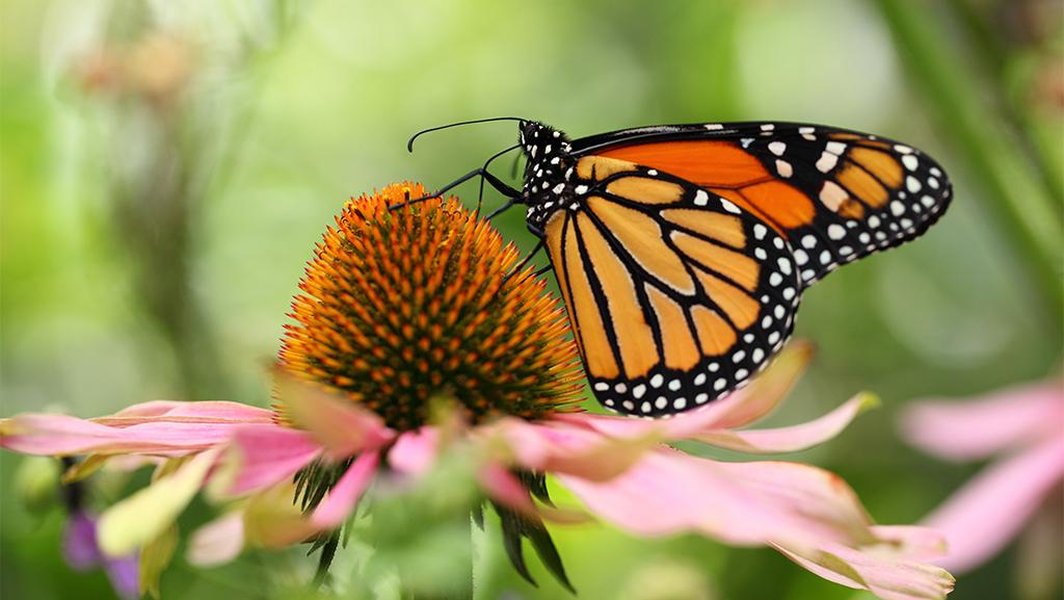
Butterflies and bees amidst vibrant flowers, exemplifying the crucial process of pollination that supports plant diversity.
Fueling Plant Reproduction
It's estimated that more than 85% of the world's flowering plants, and nearly 90% of wild flowering plants, depend on animal pollinators to transfer pollen, enabling fertilization and seed production. This process is essential for these plants to produce fruits and seeds, ensuring their propagation and the continuation of their species. Without pollinators, many plant communities would struggle to reproduce, leading to a decline in plant diversity.
Building Resilient Ecosystems
The plant communities supported by pollinators form the base of most terrestrial food webs. They provide food in the form of leaves, nectar, pollen, fruits, and seeds for a multitude of other animals, from insects and birds to mammals. Furthermore, these plants create habitats, offering shelter and nesting sites. Healthy, diverse ecosystems, rich in pollinator-supported plant life, are more resilient to environmental disturbances such as climate change, invasive species, droughts, and floods. This resilience is a key component of environmental safety, as stable ecosystems are better equipped to buffer against and recover from adverse events.
A diverse community of pollinators has been shown to enhance pollination services, especially during environmental and climatic disturbances. This diversity helps to alleviate pollen limitation and maintain plant reproduction even under stress, contributing significantly to the overall stability of the ecosystem.
Securing Our Food Supply and Agricultural Landscapes
The role of pollinators extends deeply into human food systems, underpinning agricultural productivity and contributing to the sustainability of farming practices. Their impact on food security and the agricultural economy is substantial and multifaceted.
Indispensable for Crop Production
A significant portion of the food we consume daily comes from plants that require or benefit from animal pollination. Globally, about 75-80% of crop plants, including a vast array of fruits, vegetables, nuts, seeds (like oilseeds for cooking oil), and fodder crops for livestock, depend on pollinators. The quality, size, and yield of these crops are often directly improved by effective pollination. This reliance makes pollinators critical players in global food security and nutrition.
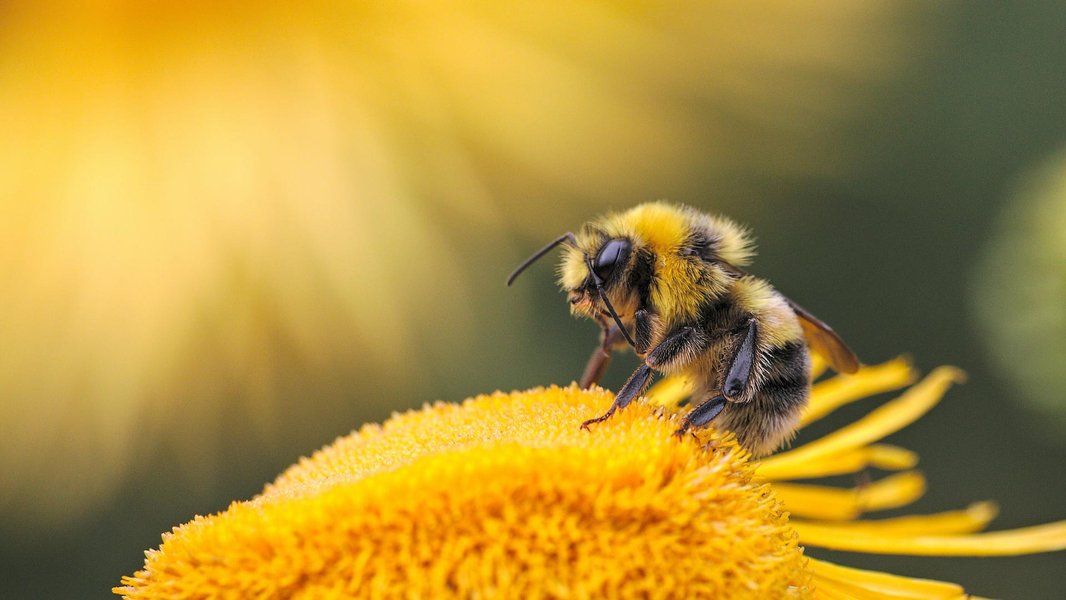
A diligent bee gathering pollen, a vital activity for the production of many crops we rely on.
Economic Powerhouses and Soil Protectors
The economic value of pollination services to agriculture is estimated to be hundreds of billions of dollars worldwide each year. Beyond direct crop yields, healthy pollinator populations support agricultural ecosystems by contributing to soil health. Plants supported by pollinators help maintain vegetation cover, which in turn prevents soil erosion and can reduce land degradation. This is particularly important in preventing desertification and maintaining the long-term productivity of agricultural lands, thereby enhancing environmental safety in these managed landscapes.
Nature's Sentinels: Pollinators as Ecological Indicators
Pollinators are highly sensitive to changes in their environment, making them excellent indicators of overall ecosystem health. Monitoring their populations and diversity can provide early warnings about environmental stressors that might otherwise go unnoticed until they cause more widespread damage.
Reflecting Environmental Stress
Declines in pollinator populations or shifts in their community structure can signal a range of environmental problems. These include:
- Pesticide Contamination: Pollinators are often directly exposed to pesticides used in agriculture or urban areas. Harmful levels of these chemicals can lead to lethal or sub-lethal effects (e.g., impaired navigation, reduced reproductive success), and their decline can indicate widespread contamination.
- Habitat Loss and Fragmentation: The availability of food sources (diverse flowering plants) and nesting sites is critical for pollinators. Reductions in these resources due to land-use change (urbanization, intensive agriculture) are quickly reflected in pollinator numbers.
- Pollution: Air and water pollution can affect plant health and directly harm pollinators.
- Climate Change: Shifts in temperature and precipitation patterns can alter flowering times, creating mismatches between when plants flower and when pollinators are active. They can also directly impact pollinator survival and distribution.
By observing these sensitive species, scientists and land managers can gain insights into the health of the environment and implement timely interventions to mitigate risks, thereby contributing to broader environmental safety.
Guardians of Natural Resources: Soil, Air, and Water
The activities of pollinators have far-reaching consequences for the quality and stability of essential natural resources, including soil, air, and water. Their role in sustaining plant life underpins many critical ecosystem services.
Stabilizing Soil and Preventing Erosion
Plants are fundamental to soil health. Their roots bind soil particles together, increasing stability and reducing susceptibility to erosion by wind and water. By ensuring the reproduction and diversity of plant life, pollinators indirectly contribute to the maintenance of robust vegetation cover. This cover is crucial for preventing soil erosion, reducing runoff, and mitigating the risk of landslides, especially in vulnerable landscapes such as hillsides and riverbanks.
Enhancing Air Quality and Sequestering Carbon
The vast communities of plants that pollinators help sustain play a vital role in regulating atmospheric composition. Through photosynthesis, these plants absorb carbon dioxide (CO2), a major greenhouse gas, from the atmosphere and release oxygen. This process of carbon sequestration helps to mitigate climate change. Furthermore, vegetation acts as a natural filter, trapping particulate matter and absorbing certain airborne pollutants, thereby improving air quality. Pollinator-dependent ecosystems, like forests and grasslands, are significant carbon sinks.
Protecting Water Resources
Healthy, vegetated landscapes, supported by pollinator activity, are essential for maintaining water quality and regulating water cycles. Plant cover helps to slow down rainwater runoff, allowing more water to infiltrate the soil and recharge groundwater reserves. Wetlands and riparian vegetation, often dependent on pollination, act as natural filters, removing pollutants and sediments from water before it enters rivers, lakes, and oceans. This contributes to cleaner water sources for both wildlife and human consumption and can help buffer against the impacts of floods and droughts.
Aiding Natural Pest Control
Healthy ecosystems fostered by pollinators often include a rich diversity of other beneficial organisms, including natural enemies of pest species. This contributes to environmental safety by reducing the need for synthetic chemical interventions.
Supporting Beneficial Insect Communities
Pollinator habitats, characterized by diverse flowering plants, provide not only food and shelter for pollinators themselves but also for a range of other insects. Many of these insects are predators or parasitoids of common agricultural and garden pests. For example, hoverflies are both pollinators as adults and voracious aphid predators in their larval stage. Ladybugs, lacewings, and certain types of wasps also thrive in these environments.
Reducing Chemical Dependency
By supporting populations of these natural pest controllers, pollinators contribute to biological pest control. This can reduce the reliance on chemical pesticides, which can have detrimental effects on non-target organisms (including pollinators), water quality, soil health, and human health. Lower pesticide use means less chemical residue in the environment, contributing to a safer and healthier ecosystem for all.
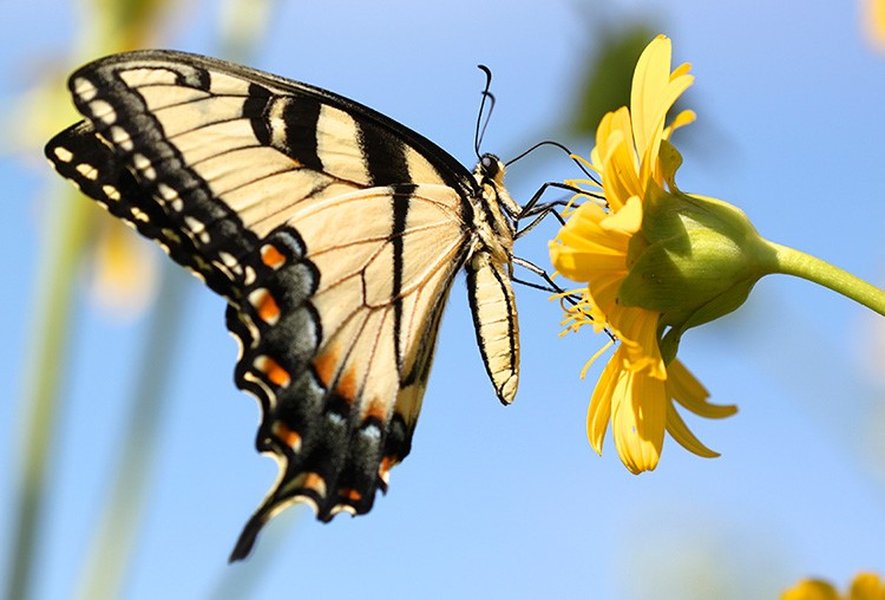
A vibrant pollinator garden, a habitat that supports not only pollinators but also beneficial insects that contribute to natural pest control.
Visualizing Pollinator Impact: A Multifaceted Contribution
The diverse ways pollinators contribute to environmental safety can be better understood by looking at their impact across various ecological domains. The following diagram illustrates the interconnectedness of these contributions, stemming from their primary role in plant reproduction.
to Environmental Safety"] id1["Ecosystem Stability & Biodiversity"] id1a["Facilitate Plant Reproduction
(over 85% of flowering plants)"] id1b["Foundation of Terrestrial Food Webs"] id1c["Habitat Provision for Wildlife"] id1d["Enhanced Ecosystem Resilience
to Disturbances (e.g., climate change)"] id2["Agricultural Sustainability & Food Security"] id2a["Essential for Crop Pollination
(approx. 75-80% of food crops)"] id2b["Improved Crop Yield & Quality"] id2c["Global Food Security Enhancement"] id2d["Support for Agricultural Soil Health"] id3["Ecological Health Indicators"] id3a["Sensitive to Environmental Stressors
(pesticides, habitat loss, pollution)"] id3b["Early Warning System for Ecological Imbalance"] id3c["Inform Conservation Strategies & Policies"] id4["Natural Resource Quality & Regulation"] id4a["Soil Stabilization & Erosion Prevention"] id4b["Carbon Sequestration & Climate Regulation"] id4c["Air & Water Purification Support"] id4d["Regulation of Water Cycles"] id5["Biological Pest Control"] id5a["Support Habitats for Beneficial Insects"] id5b["Reduced Dependency on Chemical Pesticides"] id5c["Lower Environmental Chemical Contamination"] id6["Human Well-being & Safety (Indirect)"] id6a["Provision of Clean Air & Water"] id6b["Source of Medicinal Plants"] id6c["Aesthetic & Cultural Values
Promoting Environmental Stewardship"]
This mindmap highlights how the fundamental act of pollination ripples outward, creating safer and more stable environments by ensuring plant diversity, supporting agriculture, indicating ecosystem health, maintaining resource quality, and even aiding in natural pest control.
Comparative Impact of Pollinator Groups
Different groups of pollinators contribute in varied ways to environmental safety, though all are vital. The radar chart below offers a conceptual illustration of the relative strengths of different pollinator types across several key environmental safety dimensions. This is an illustrative representation based on general ecological roles, not precise quantitative data.
As shown, bees are often highly efficient crop pollinators and general biodiversity supporters. Butterflies and moths can be very sensitive indicators of environmental change. Birds and bats play unique roles, especially in pollinating specific types of plants and contributing to seed dispersal, which impacts soil health and vegetation structure. Other insects also provide valuable, often overlooked, pollination services.
Key Pollinator Groups and Their Environmental Roles
The following table summarizes some major pollinator groups and highlights their distinctive contributions to environmental safety. While there is overlap, each group has ecological niches and strengths.
| Pollinator Group | Key Environmental Safety Contributions | Examples |
|---|---|---|
| Bees | High biodiversity enhancement (critical for numerous wild plants), primary crop pollinators, foundational for ecosystem stability, soil health through plant support. | Honey bees, bumblebees, solitary bees (e.g., mason bees, leafcutter bees), sweat bees. |
| Butterflies | Support for diverse flowering plants (especially those with specific flower structures), highly visible ecological indicators of habitat health and environmental change. | Monarch, Swallowtail, Painted Lady, Skippers. |
| Moths | Crucial nocturnal pollinators for many night-blooming plants, contributing to plant diversity often unseen during the day, indicator species for specific habitats. | Hawk moths, Sphinx moths, Yucca moths. |
| Birds | Pollination of specific plants (often with tubular, brightly colored flowers and abundant nectar), important for seed dispersal contributing to forest regeneration and plant distribution. | Hummingbirds (Americas), Honeyeaters (Australia/Pacific), Sunbirds (Africa/Asia). |
| Bats | Vital pollinators for many large, night-blooming flowers (e.g., cacti, agave), especially in tropical and desert ecosystems; significant for fruit production (e.g., mangoes, bananas, guavas) and seed dispersal. | Nectar-feeding bats (e.g., Long-nosed bat, Lesser long-nosed bat). |
| Other Insects (Flies, Beetles, Wasps, Ants) | General pollination services for a wide variety of plants, including some crops (e.g., carrots, cacao by midges); some groups contribute to decomposition and nutrient cycling, or act as biological control agents. | Hoverflies (Syrphid flies), flower beetles, fig wasps, some ants. |
This table underscores that a diversity of pollinators is essential for comprehensive environmental safety, as different groups specialize in or are more effective for different plants and ecological functions.
Why Pollinators Matter: A Deeper Dive
To further appreciate the critical role of pollinators in our ecosystems, the following video provides a concise overview of their importance and why their protection is paramount for environmental health and our own well-being.
This video, "Why Pollinators Are Important To The Ecosystem," explains how various pollinators, including bees, butterflies, and even flies, are integral to ecological functions. It highlights their contribution to food production and the overall balance of nature, reinforcing the message that protecting these species is vital for environmental safety and sustainability.
Frequently Asked Questions (FAQ)
What are the main types of pollinators?
The main types of pollinators include insects such as bees (honey bees, bumblebees, solitary bees), butterflies, moths, wasps, beetles, and flies. Vertebrate pollinators include birds (like hummingbirds and honeyeaters) and bats. Some mammals, like lemurs or rodents, can also act as pollinators in specific ecosystems.
How do pollinators specifically help in preventing soil erosion?
Pollinators facilitate the reproduction of plants. These plants develop root systems that bind soil particles together, making the soil more resistant to being washed or blown away. The vegetation cover created by these plants also shields the soil from direct impact of rain and wind, further reducing erosion. Healthy plant communities, sustained by pollinators, are therefore crucial for soil stabilization.
Are pollinators only important for wild plants, or for agriculture too?
Pollinators are vital for both wild plants and agriculture. They are essential for the reproduction of over 85% of wild flowering plants, maintaining biodiversity. In agriculture, approximately 75-80% of crop species that feed the world rely on or benefit from animal pollination, including fruits, vegetables, nuts, and seeds. Their contribution to food production is economically valued at billions of dollars annually.
What are the main threats to pollinators, and how do they impact environmental safety?
Major threats to pollinators include habitat loss and fragmentation (due to urbanization and intensive agriculture), pesticide use (especially neonicotinoids and other systemic insecticides), diseases and parasites, climate change (disrupting flowering times and pollinator activity), and invasive species. These threats reduce pollinator populations, which in turn diminishes their ability to provide essential ecosystem services like pollination for food crops and wild plants, soil stabilization, and support for biodiversity. This decline directly undermines environmental safety by weakening ecosystem resilience, threatening food security, and reducing the natural regulation of resources.
How can individuals help protect pollinators and enhance environmental safety?
Individuals can help by:
- Planting native, pollinator-friendly flowers, shrubs, and trees that provide nectar and pollen throughout the growing season.
- Reducing or eliminating pesticide use in gardens and lawns, opting for organic or integrated pest management practices.
- Providing nesting habitats, such as leaving some bare ground for ground-nesting bees or installing bee hotels.
- Supporting local and sustainable agriculture that prioritizes pollinator health.
- Educating others about the importance of pollinators and advocating for pollinator-friendly policies.
Recommended Further Exploration
- What specific crops are most dependent on bee pollination for yield and quality?
- How does climate change specifically impact pollinator populations and their interaction with plants?
- Explore the economic impact of pollinator decline on global agriculture.
- Learn about successful pollinator conservation programs and their outcomes.
References
Last updated May 8, 2025