
Can Everyday Citizens Safeguard American Democracy Against Authoritarian Threats?
Exploring actionable steps and reasons for hope in preserving democratic values amidst growing concerns.
Highlights: Protecting Democracy in Challenging Times
- Active Citizen Engagement is Crucial: Regular citizens can make a significant impact through informed voting, local involvement, supporting pro-democracy candidates, and volunteering.
- Numerous Organizations Offer Support: Groups like the NAACP LDF, ACLU, Brennan Center, Protect Democracy, and others provide resources, legal challenges, and avenues for collective action.
- Hope Resides in Collective Action: Despite challenges, historical precedents, successful strategies from other nations, and ongoing efforts demonstrate that democracy can be defended through sustained, informed, and collaborative efforts.
Understanding the Current Landscape
Navigating Threats and Challenges
Concerns about the health of American democracy are valid, particularly in light of global trends towards authoritarianism and domestic political polarization. Specific initiatives, such as Project 2025, have drawn criticism for proposing policies perceived by some as potentially undermining electoral processes, restricting voting rights, and centralizing executive power. Critics argue such efforts could erode democratic institutions by exploiting legal frameworks.
Furthermore, actions like the March 25, 2025, Executive Order titled "Preserving and Protecting the Integrity of American Elections" have sparked controversy. This order directs federal agencies to scrutinize voter rolls for non-citizens and potentially withhold federal funds from states deemed non-compliant with certain federal voter registration laws. Groups like the Congressional Voting Rights Caucus have condemned the order, viewing it as an unconstitutional overreach. These developments highlight the ongoing tensions and the importance of vigilance in safeguarding democratic principles.

Citizens rally at the Michigan State Capitol during the "March Forth to Protect Democracy" event, demonstrating public engagement in democratic defense.
However, it's crucial to differentiate between genuine political disagreement, which is healthy in a democracy, and actions that constitute authoritarian behavior aimed at subverting democratic processes. Understanding this distinction is key to mounting an effective defense.
Actionable Steps for Every Citizen
Empowering Individuals to Defend Democracy
Protecting democracy is not solely the responsibility of politicians or institutions; regular citizens play a vital role. Here are concrete, evidence-based actions you can take:
1. Stay Informed and Critically Engaged
- Seek Reliable Information: Subscribe to reputable, non-partisan news sources. Critically evaluate information to combat misinformation and disinformation campaigns designed to polarize and confuse. Resources like Protect Democracy offer guidance on identifying authoritarian tactics versus normal political debate.
- Understand the Issues: Educate yourself on voting rights, election laws, proposed legislation (like the SAVE Act mentioned in sources), and initiatives like Project 2025 to understand their potential impact.
- Promote Media Literacy: Encourage friends, family, and community members to consume news critically and support independent, fact-based journalism.
2. Protect and Participate in Elections
- Vote Consistently: Participate in *every* election – local, state, and federal. Local elections often have a significant impact on daily life and election administration.
- Verify Your Registration: Regularly check your voter registration status and encourage others to do the same. Use resources like the Legal Defense Fund's Voting Rights 2025 site.
- Volunteer for Election Protection: Join non-partisan organizations that work to protect voting rights, assist voters, monitor polling places, or serve as poll workers. This directly counters attempts to interfere with fair elections.
- Support Pro-Democracy Candidates: Evaluate candidates based on their commitment to democratic principles, fair elections, and the rule of law, regardless of their party affiliation.

The historic Selma-to-Montgomery marches underscore the power of citizen mobilization in the fight for voting rights and democracy.
3. Engage Locally and Build Community
- Focus on Local and State Action: Get involved in local government, attend town halls, contact your state representatives, and join community boards. Local action is often highly impactful.
- Support Election Administrators: Advocate for the resources and protection needed by state and local election officials who are on the front lines of administering fair elections. The ABA's Defending Democracy initiative supports these efforts.
- Build Coalitions: Foster dialogue and collaboration within your community, even across ideological divides. Groups like Defending Democracy Together show the power of cross-partisan efforts focused on shared democratic values. Participate in local events that build trust and social cohesion.
4. Support Democratic Institutions and Legal Defenses
- Support Pro-Democracy Organizations: Donate to or volunteer with established organizations working to protect voting rights, civil liberties, and democratic norms (see table below).
- Advocate for Reforms: Contact your elected officials to support legislation that strengthens voting rights, ensures fair districting (anti-gerrymandering), increases transparency in government and campaign finance, and reinforces checks and balances.
- Defend the Judiciary: Support efforts to maintain an independent judiciary, as courts often serve as a crucial bulwark against democratic backsliding.
Organizations Leading the Charge
Groups Dedicated to Protecting Democracy
Numerous non-partisan organizations are actively working to safeguard democratic institutions and voting rights. Supporting these groups amplifies individual efforts.
| Organization | Focus Area | How Citizens Can Help |
|---|---|---|
| NAACP Legal Defense Fund (LDF) | Voting rights litigation, voter education, monitoring elections. | Donate, volunteer, use their resources (e.g., Voting Rights 2025), spread awareness. |
| American Civil Liberties Union (ACLU) | Civil liberties protection, voting rights litigation, advocacy. | Become a member, donate, volunteer (e.g., Democracy Defenders Task Force), participate in advocacy campaigns. |
| Brennan Center for Justice | Voting rights research and advocacy, campaign finance reform, fair courts. | Donate, subscribe to updates, share their research, contact representatives based on their analysis. |
| Protect Democracy | Countering authoritarian threats, legal action, policy development, public education. | Donate, subscribe to newsletters (e.g., "If You Can Keep It"), use their playbook/resources, engage locally. |
| American Bar Association (ABA) - Defending Democracy | Supporting election administrators, promoting rule of law, educating lawyers and the public. | Lawyers can volunteer, others can support their initiatives and advocacy for election workers. |
| Democracy Docket | Tracking voting rights litigation and legislation, providing accessible analysis. | Subscribe for updates, share information, use as a resource for understanding legal battles. |
| Republicans for the Rule of Law / Defending Democracy Together | Cross-partisan efforts focused on upholding rule of law and democratic institutions. | Support their advocacy, participate in cross-ideological discussions. |
| Democracy Forward | Legal action against abuses of power, fighting for democratic processes. | Donate, stay informed about their legal challenges. |
This table highlights key organizations working to defend American democracy and ways citizens can get involved.
Comparative Effectiveness of Democracy Defense Strategies
A Radar Chart Perspective
Defending democracy requires a multi-pronged approach. This chart offers a perspective on the relative potential impact and resource intensity of various strategies available to citizens and organizations. The scores reflect a qualitative assessment based on the information analyzed, not precise data, suggesting areas where efforts might be focused for significant impact, while acknowledging that all facets are important.
This visualization compares different strategies for defending democracy based on their potential impact, accessibility for individual citizens, and the resources typically required. Higher scores indicate greater potential impact or accessibility, while lower scores for Resource Intensity suggest less intensive requirements. It highlights that direct voter engagement and local action are highly impactful and accessible, while legal challenges are impactful but less accessible for individuals and more resource-intensive.
Mapping Citizen Action for Democracy
A Mind Map Overview
To visualize the interconnected ways citizens can actively protect democracy, here is a mind map outlining key areas of engagement discussed:
This mind map illustrates the core strategies and focus areas for citizens committed to defending democratic principles, showing how individual actions connect to broader institutional support and address specific threats.
Identifying and Countering Threats
Learning to Spot Authoritarianism
Understanding how authoritarianism manifests is crucial for effective resistance. Recognizing subtle erosions of democratic norms allows for earlier and more targeted responses. This video offers insights into identifying authoritarian tactics and emphasizes the importance of choosing democracy actively.
In his TED Talk, lawyer Ian Bassin breaks down the characteristics of authoritarianism, contrasting it starkly with the choices inherent in a democratic system. He outlines common tactics used by aspiring autocrats, such as undermining independent institutions (courts, media, election bodies), spreading disinformation, attacking political opponents, and polarizing society. Bassin argues that recognizing these patterns is the first step toward actively defending democratic freedoms and choosing a system based on choice and accountability over one that eliminates them.
Is There Hope?
Affirming the Potential for Change
Yes, there is absolutely hope. While the challenges are significant and require sustained effort, democracy is resilient, and its defense is achievable. Several factors support this outlook:
- Proven Strategies: History and contemporary examples from other countries show that democracies can successfully resist authoritarian pressures through coordinated efforts involving legal action, grassroots mobilization, institutional safeguards, and international solidarity.
- Active Citizenry: A growing awareness and engagement among citizens, coupled with the dedicated work of numerous pro-democracy organizations, provide a powerful counterforce.
- Institutional Strength: Despite pressures, institutions like the courts have, in many cases, served as important checks on overreach. Efforts to bolster these institutions continue.
- Grassroots Successes: Victories in restoring voting rights (e.g., in Florida, as mentioned in sources) and passing pro-democracy reforms in various states demonstrate that progress is possible.
- Cross-Ideological Support: The defense of core democratic principles often transcends partisan lines, creating opportunities for broader coalitions focused on preserving the rule of law and fair elections.
Protecting democracy is an ongoing process, not a single battle. It requires vigilance, persistence, and collective action. The tools and strategies exist, and the commitment of everyday citizens is the most vital component.
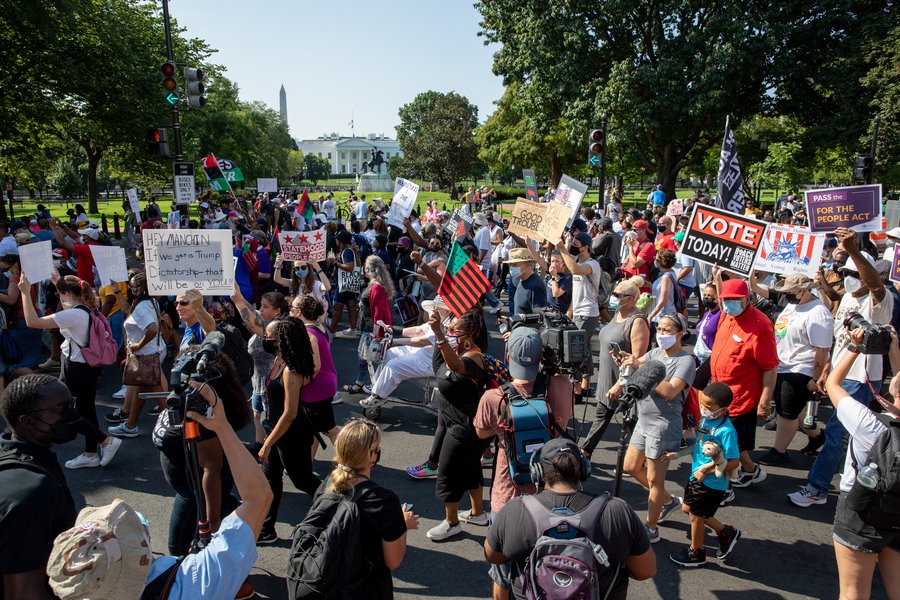
Demonstrations like the March On for Voting Rights show the enduring spirit and collective power of citizens advocating for democratic principles.
Frequently Asked Questions (FAQ)
► How can I verify my voter registration status?
► What is Project 2025 and why is it controversial?
► Besides voting, what's the most impactful thing I can do locally?
► How can I effectively counter misinformation online?
► Are there examples where citizen action successfully protected democracy?
References
- Voting Rights 2025 | Legal Defense Fund
- Protect Democracy
- 10 Things We Can All Do to Protect Democracy - Democracy Docket
- Defending Democracy
- 8 Ways to Protect American Democracy - American Progress
- Preserving and Protecting the Integrity of American Elections
- Congressional Voting Rights Caucus Condemns Trump Executive Order on ...
- Restricting the Freedom to Vote
- How to Save Democracy From Trump - Foreign Affairs
Recommended Reading
Last updated April 13, 2025