
The Significance of 2021 Pollution Studies
Exploring the critical insights of pollution research for a healthier world
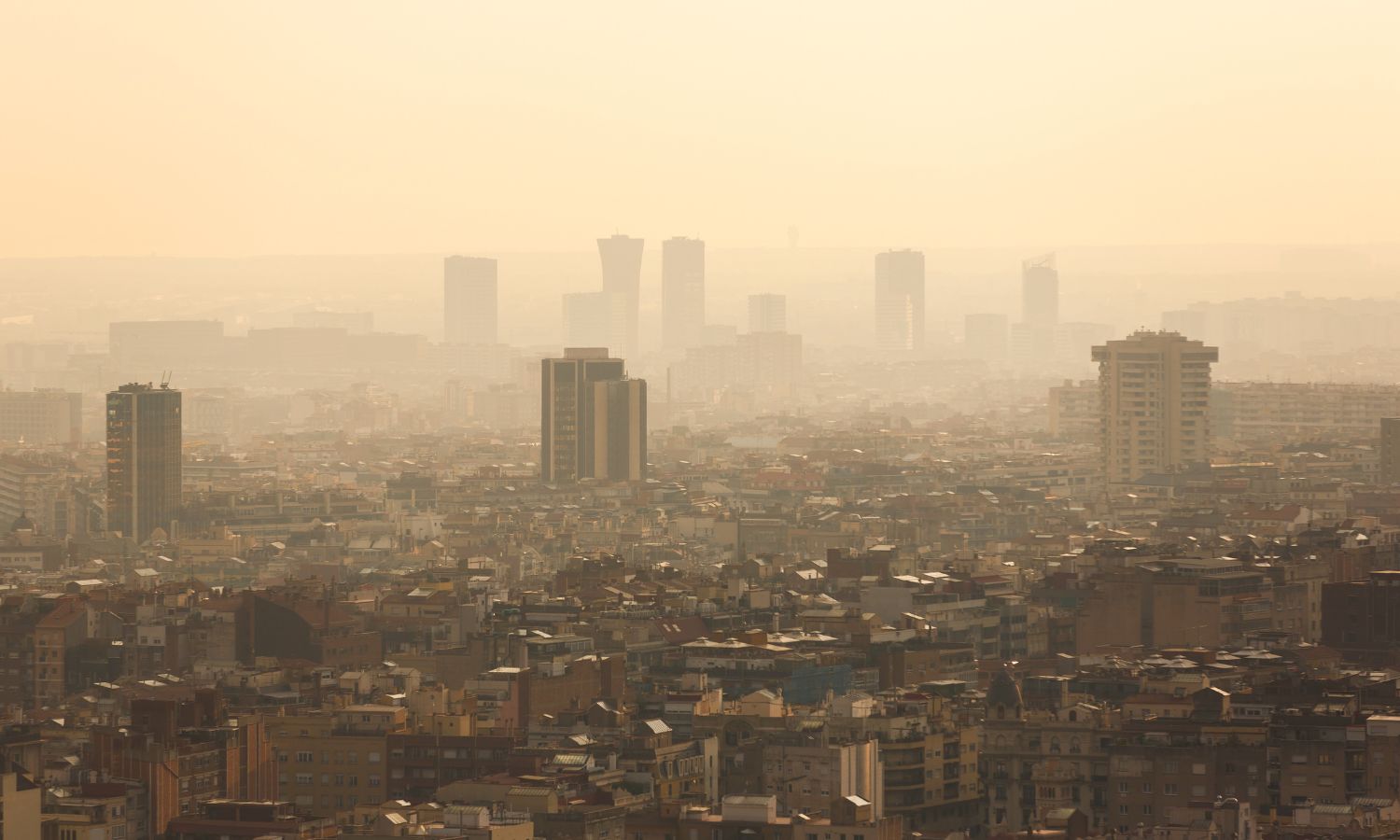
Highlights of the Pollution Studies in 2021
- Health Impacts: Air pollution led to millions of deaths and severe health conditions, particularly affecting children and vulnerable populations.
- Environmental and Economic Concerns: Pollution devastates ecosystems, drives climate change, and leads to substantial economic losses globally.
- Policy and Public Awareness: Research stresses the need for comprehensive policies and greater public awareness to reduce pollution and create sustainable solutions.
Introduction
Pollution research in 2021 brought to light a number of serious concerns that affect both human health and the environment. The studies provide a clear picture of the immediate and long-term effects of air, water, and soil pollution. This article simplifies the significance of these studies, with a focus on the findings related to air quality, the direct impact on health, environmental issues, and the effects on economic and social sectors.
Why Study Pollution?
Understanding and addressing pollution is crucial for several reasons. First, air pollution is a leading cause of death worldwide. In 2021, research indicated that approximately 8.1 million people lost their lives due to poor air quality. This makes pollution the second most deadly risk factor after conditions like high blood pressure. In everyday terms, knowing what causes these deaths can help communities and policymakers work together to reduce exposure to harmful pollutants.
Health Impacts of Air Pollution
Air pollution contributes to a number of severe health issues. The study findings underscore that prolonged exposure to pollutants, such as fine particulate matter (PM2.5) and other noxious gases, can lead to life-threatening conditions, including respiratory diseases, heart diseases, strokes, lung cancer, and chronic obstructive pulmonary disease (COPD). Children under five years of age, the elderly, and individuals with pre-existing health conditions are among those most at risk.
Particularly concerning are the rates of premature births, asthma, and lung diseases linked to polluted air. The consequences of breathing in contaminated air go beyond acute health problems; long-term exposure is associated with chronic illnesses and reduced life expectancy. Such findings highlight the fact that air quality is not just an environmental issue but a significant public health challenge.
Water and Soil Pollution
Besides air pollution, research in 2021 also focused on water and soil contamination. Water pollution, largely attributable to industrial and agricultural activities, compromises the availability of safe drinking water and can lead to a plethora of water-borne diseases. Effective wastewater management is therefore a key recommendation to reduce these health risks.
Soil pollution, which results from improper disposal of waste and the excessive use of chemical fertilizers and pesticides, indirectly affects food production and ecosystem stability. Soil contaminated with hazardous substances can lead to the uptake of toxic elements in crops, making food consumption a potential health risk.
Environmental and Economic Repercussions
Environmental Damage
Pollution has a profound impact on the environment. Not only does it degrade air quality — leading to acid rain and altered climate patterns — but it also harms terrestrial and aquatic ecosystems. The disruption of natural habitats can lead to a decrease in biodiversity, affecting plant and animal species alike. The consequences are far-reaching; as ecosystems collapse or weaken, the services they provide, such as water purification, pollination, and climate regulation, become compromised.
Furthermore, the increase in greenhouse gases due to pollution has reinforced the effects of global warming. This exacerbates climate change, resulting in extreme weather events, rising sea levels, and the disruption of agricultural production. As the planet warms, the stakes get higher, making pollution control an urgent global priority.
Economic Consequences
The economic costs associated with pollution are enormous. According to the studies, the financial burden due to health care costs, loss of productivity, and damages to ecosystems can amount to a significant percentage of global economic output. For example, in some analyses, pollution-related economic losses reached up to 6.1% of the global economic output. This figure represents not only the direct cost to economies in terms of medical bills and reduced workforce productivity but also the longer-term socioeconomic impacts on communities, especially those already facing poverty.
Addressing these economic implications requires integrating pollution control measures with broader economic policies. Investments in cleaner technologies, renewable energy sources, and improved public transportation systems have the potential to both reduce pollution and boost economic productivity in the long term.
Social Inequality and Exposure Disparities
Another critical aspect highlighted by the 2021 studies is the uneven distribution of pollution exposure among different communities. Lower-income groups and communities of color typically face the highest levels of air pollution, regardless of their geographic location. This inequality exacerbates health disparities, as these vulnerable populations suffer a disproportionate burden of pollution-related illnesses.
The socio-economic divide in pollution exposure also perpetuates a cycle of disadvantage. Communities with fewer resources often have limited access to healthcare and other services that could mitigate the negative impacts of poor air quality. Consequently, addressing pollution equitably becomes a matter of environmental justice. Policies and actions must be tailored to protect these communities, ensuring that everyone enjoys the right to clean air, water, and soil.
Policy and Public Awareness: Shaping a Sustainable Future
Need for Comprehensive Strategies
The breadth of issues associated with pollution requires action on several fronts. Researchers consistently call for a multidisciplinary approach to tackling pollution. This includes formulating policies that build on scientific research, deploying cleaner technologies, and enhancing public awareness about the risks associated with pollution.
Policymakers must create and enforce regulations to limit emissions from factories, vehicles, and other sources. Integrating environmental concerns into urban planning and industrial development can also yield long-term benefits. Investments in renewable energy and sustainable practices are not merely protective measures; they are strategic paths toward reducing the overall environmental footprint.
Public Awareness and Community Engagement
One of the most important aspects of combating pollution is enhancing public awareness. When people understand the risks associated with pollution, they are more likely to support and adhere to measures designed to minimize exposure. Campaigns that educate communities about the importance of clean air and water can drive demand for better policies and foster healthier lifestyles.
Moreover, community engagement is crucial. Local governments and non-governmental organizations (NGOs) play key roles in disseminating information and ensuring that communities, particularly those vulnerable to high levels of pollution, are well-informed and equipped to advocate for cleaner and safer environments.
Detailed Analysis of Key Findings
Health Data and Mortality
The health statistics presented in the 2021 studies offer a somber reminder of the hidden cost of pollution. Here is a deeper look at some of the numbers:
| Category | Impact | Description |
|---|---|---|
| Global Deaths | 8.1 million | Number of deaths attributed to air pollution, making it the second leading cause of death globally. |
| Child Mortality | Significant | High rates of respiratory illnesses and premature births linked to polluted air, disproportionately affecting children under five. |
| Chronic Diseases | High | Long-term exposure leads to diseases such as asthma, COPD, and cardiovascular conditions. |
| Economic Impact | Up to 6.1% of GDP | Economic losses due to healthcare costs, loss of productivity, and cleanup expenses. |
These figures not only represent statistical data but also mirror the personal tragedies experienced by millions across the globe. They stress the urgent need for decisive action from both governments and communities.
Exposure and Inequality
Disproportionate Impact on Vulnerable Communities
A recurring theme in the 2021 pollution research is the disproportionate burden that pollution places on certain population groups. Poorer communities, particularly those in urban areas, find themselves living in concentrations of environmental hazards. Even when income levels differ, these populations often reside in areas with higher exposure levels to harmful pollutants. This systemic inequality requires urgent redress.
When public policies target pollution reduction, it is paramount that they include plans specifically designed to uplift those most affected. This may involve subsidizing clean energy options, improving healthcare facilities in polluted areas, or engaging community leaders in policy formulation. These steps can alleviate immediate health risks and lay the groundwork for long-term improvement.
Economic and Social Costs
Economic Burden of Pollution
The economic dimensions of pollution are as critical as its health implications. The cumulative costs derived from medical expenses, reduced labor productivity, and environmental degradation signify a heavy burden on societies. Countries and communities face the dual challenge of managing immediate healthcare needs while also addressing long-term economic repercussions.
Additionally, inadequate investment in pollution control often leads to higher costs in the future. Effective pollution management not only reduces current economic hardships but also diminishes the likelihood of escalating costs related to environmental damage. Strategic investments in cleaner technologies and enhanced regulation can thus provide both health and economic benefits.
Strategies and Recommendations for a Cleaner Future
Implementing Integrated Policies
One of the key recommendations made by 2021 pollution studies is the need for integrated and comprehensive policies. Governments and regulatory bodies should formulate environmental policies that tie together aspects of public health, economic development, and social equity. This involves not only tightening emission standards for industries and automobiles but also incentivizing innovations in renewable energy.
Policy frameworks must emphasize cross-sector collaboration. By linking urban planning with environmental protection initiatives, cities can be designed to reduce pollution exposure and promote healthier lifestyles. For example, expanding public transportation systems, encouraging cycling, and creating green spaces can alleviate the concentration of pollutants in highly urbanized areas.
Fostering Public Engagement and Awareness
Public education campaigns are another cornerstone in the battle against pollution. When citizens are informed about the origins and dangers of pollution, they are more likely to support clean policies and adopt sustainable behaviors in their daily lives. Governments, NGOs, and community organizations should collaborate to create accessible, easy-to-understand information on how pollution affects health and the environment.
Moreover, technological advancements like smartphone applications that track air quality in real-time are proving beneficial. These tools empower individuals to make informed choices about outdoor activities, prompting them to avoid polluted areas during high-risk periods.
Investing in Research and Innovation
Continuous research is essential for understanding the evolving nature of pollution and finding effective solutions. Increased funding to study the long-term effects of pollutants, alongside investment in the development of clean energy alternatives, can drive substantial progress. Innovation not only helps in mitigating pollution but also in discovering new ways to remediate already polluted environments.
Collaboration between academic institutions, industry leaders, and government agencies can foster groundbreaking research projects. These partnerships can result in the development of better pollution detection methods, more efficient filtration systems, and ultimately, technologies that drastically reduce emissions.
A Broader Perspective: Lessons Learned from 2021
The extensive research conducted in 2021 regarding pollution offers several lessons that are crucial for shaping our future. In addition to the detailed health, environmental, economic, and social insights mentioned above, these studies underscore the following broader themes:
- Interconnectedness: Pollution does not occur in isolation. Its effects ripple throughout every aspect of our lives – from individual health to global economic stability and environmental sustainability.
- Preventability: Many of the adverse impacts of pollution are preventable with proper interventions. Policies promoting renewable energy, green transportation, and sustainable urban development are not only advantageous but essential.
- Urgency: The studies signal an urgent need for both short-term measures to protect public health and long-term investments in research and sustainable infrastructure.
These overarching lessons provide a framework for stakeholders at every level—from local community leaders to international regulatory agencies—to address the challenges of pollution. By focusing on the intersection of health, economic stability, and environmental protection, future policies can create a balanced approach that protects both people and the planet.
Conclusion and Final Thoughts
In summary, the pollution research of 2021 revealed critical insights that are vital for our understanding of the interlinked challenges related to environmental contamination. The studies emphasized the severe health risks associated with polluted air, water, and soil, pinpointing millions of deaths and widespread chronic diseases resulting from long-term exposure. Additionally, they shed light on the stark economic costs and the significant impact on disadvantaged communities. These findings demand a robust multidisciplinary response that includes tighter regulatory policies, increased public awareness, and strategic investments in technology and sustainable infrastructure.
The significance of studying pollution is not confined to academic inquiry; it is a call to action for every sector of society. As we move forward, the integration of environmental priorities into policy planning, technological innovation, and economic development is essential. In doing so, we ensure not only the health and well-being of current populations but also the sustainability of our environmental resources for future generations.
References
- Air Pollution Accounted for 8.1 Million Deaths Globally in 2021 - UNICEF
- Exposure to Air Pollution and Disparities - EPA
- Study on Chronic Exposure to Air Pollution - Nature
- World Bank on Pollution and Development
-
Health Impacts of Pollution - PMC
- Sustainable Cities and Pollution Research - Frontiers in Sustainable Cities
-
Economic and Health Costs of Pollution - ScienceDirect
Recommended Further Inquiries
Last updated February 21, 2025