
The Ultimate Pour-Over Guide for 15g of Coffee Grounds
Master the art of pour-over coffee with precision and finesse
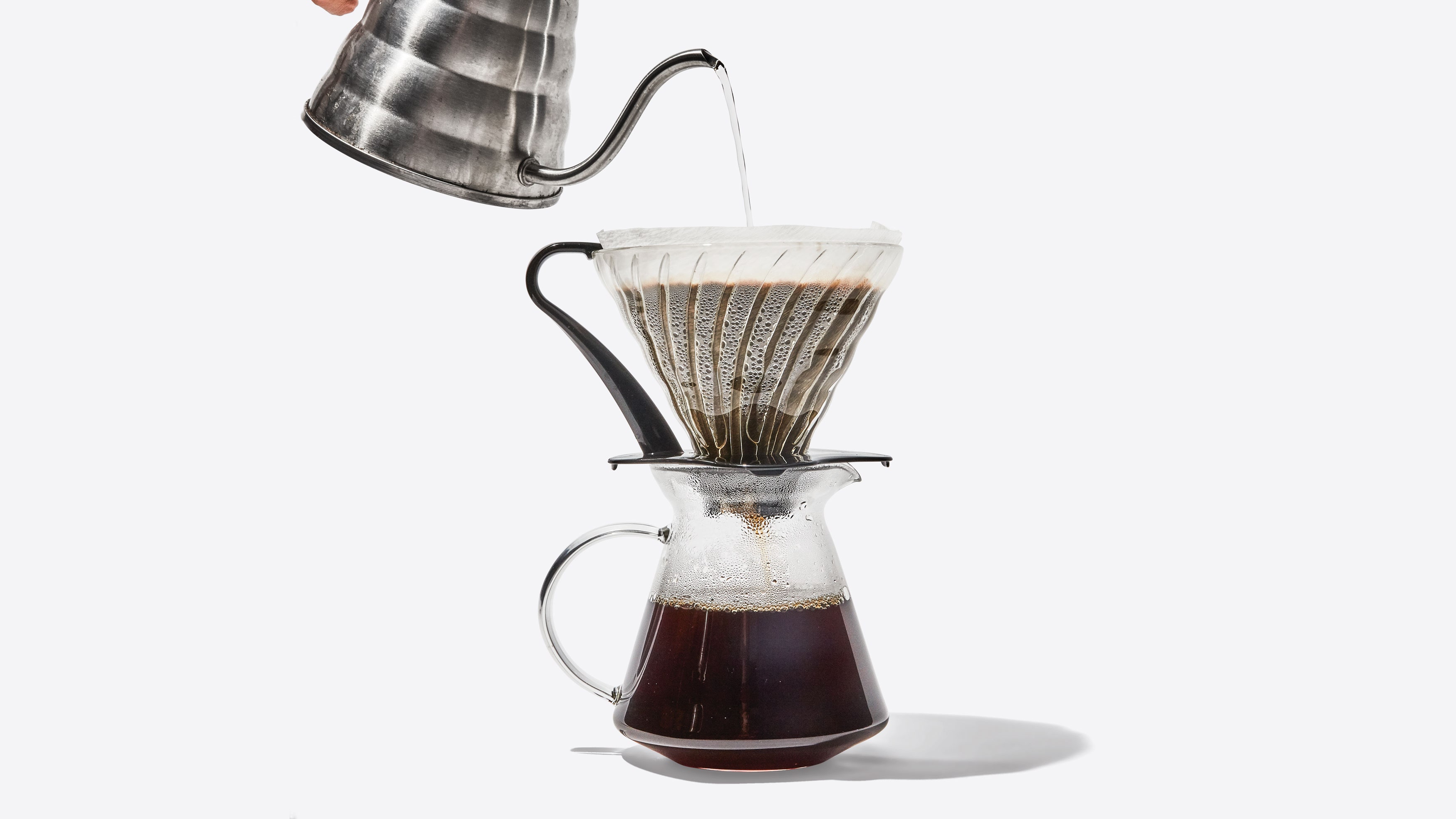
Key Takeaways
- Optimal Coffee-to-Water Ratio: Achieve the perfect balance with a 1:15 to 1:16 ratio for rich and nuanced flavors.
- Precision in Grind Size: A medium to medium-fine grind ensures even extraction and a smooth cup.
- Controlled Pouring Technique: Utilize a steady, spiral pour to maintain consistent saturation and extraction.
Introduction
Pour-over coffee brewing is a favorite among coffee enthusiasts for its ability to highlight the nuanced flavors of coffee beans. By meticulously controlling variables such as the coffee-to-water ratio, grind size, water temperature, and pouring technique, you can craft a cup that is both aromatic and flavorful. This comprehensive guide is tailored for brewing with 15 grams of coffee grounds, ensuring that every step is optimized for the best possible outcome.
Equipment Needed
Essential Tools for Pour-Over Brewing
- Pourover Dripper: Devices like the Hario V60 or Kalita Wave are ideal for precise brewing.
- Paper Filter: Ensures clarity and purity by removing unwanted oils and fines.
- Gooseneck Kettle: Provides controlled, steady pouring for even extraction.
- Digital Scale: Essential for measuring coffee and water accurately.
- Grinder: A burr grinder is recommended for achieving a consistent grind size.
- Timer: Helps monitor brewing time to ensure optimal extraction.
- Serving Cup: Choose a vessel that complements the brewing process and retains heat effectively.
Coffee-to-Water Ratio
Striking the Perfect Balance
The coffee-to-water ratio is pivotal in determining the strength and flavor profile of your brew. For 15 grams of coffee grounds, a ratio ranging from 1:15 to 1:16 is recommended. This translates to using approximately 225ml to 240ml of water.
- A 1:15 ratio (225ml water) yields a stronger, more robust cup, accentuating the coffee's bold flavors.
- A 1:16 ratio (240ml water) results in a slightly lighter brew, highlighting more delicate and nuanced notes.
Grind Size
Consistency is Key
The grind size significantly influences the extraction process. For pour-over brewing with 15 grams of coffee, a medium to medium-fine grind is ideal. This grind should resemble the texture of fine beach sand or kosher salt, allowing for an even extraction without over-extracting or under-extracting the coffee.
- Medium Grind: Slightly coarser than medium-fine, suitable for a balanced extraction.
- Medium-Fine Grind: Closer to table salt consistency, enhancing the extraction of richer flavors.
Water Temperature
Optimal Heat for Extraction
Water temperature plays a crucial role in the extraction of coffee solubles. The ideal temperature range for pour-over brewing is between 195°F to 205°F (90°C to 96°C). Maintaining this temperature ensures optimal extraction without scorching the coffee or leaving it under-extracted.
- If you lack a thermometer, bring the water to a boil and allow it to rest for approximately 30 seconds before pouring.
Brewing Process
Step-by-Step Guide to Perfect Pour-Over Coffee
1. Prepare Equipment
Begin by setting up your pour-over dripper on top of your serving cup or server. Place the paper filter into the dripper and rinse it thoroughly with hot water. This step removes any papery taste and preheats both the dripper and the serving vessel, ensuring temperature stability during brewing. Discard the rinse water.
2. Weigh and Grind Coffee
Measure 15 grams of fresh coffee beans using a digital scale for precision. Grind the beans to a medium or medium-fine consistency, resembling fine beach sand. A consistent grind size is essential for even extraction.
3. Blooming Phase
Place the ground coffee into the rinsed filter, ensuring it is level. Start your timer and gently pour 30 grams of hot water over the grounds in a circular motion to saturate all the coffee. This initial pour allows the coffee to "bloom," releasing carbon dioxide and preparing the grounds for even extraction. Let the coffee bloom for 30 to 45 seconds.
4. Main Pour
After the blooming phase, begin the main pour. Slowly add the remaining water in stages, maintaining a steady, controlled spiral from the center outward. Aim to reach a total water volume of 225ml to 240ml. Pouring in stages, such as adding 50ml at a time with brief intervals, helps maintain an even extraction and prevents over-saturation.
5. Brew Time
The total brew time should fall between 2.5 to 4 minutes, depending on factors like grind size and pouring speed. Monitoring the brew time ensures that the coffee is neither under-extracted (sour taste) nor over-extracted (bitter flavor).
6. Serve
Once the water has fully drained through the coffee grounds, remove the dripper. Gently swirl the brewed coffee in the serving cup to amalgamate the layers and enhance the flavor profile. Your perfect cup of pour-over coffee is now ready to be enjoyed.
Tips for Optimal Flavor
Enhancing Your Brewing Experience
- Adjust the Coffee-to-Water Ratio: Tailor the strength of your coffee by slightly modifying the ratio. A higher ratio yields a stronger brew, while a lower ratio results in a milder cup.
- Refine Grind Size: If your coffee tastes too bitter, consider a coarser grind to reduce extraction time. Conversely, a finer grind can enhance flavor if the coffee is too weak or sour.
- Optimize Brewing Time: Monitor and adjust the brew time to achieve the desired flavor balance. Shorter brew times can highlight acidity, while longer times emphasize bitterness.
- Experiment with Pouring Techniques: Utilize different pouring patterns and speeds to discover what best complements your coffee beans and taste preferences.
- Use Freshly Roasted Coffee: Freshness significantly impacts flavor. Aim to use beans roasted within the past two weeks for the best results.
- Maintain Equipment Cleanliness: Regularly clean your brewing equipment to prevent residual oils and flavors from affecting your coffee.
Troubleshooting Common Issues
Ensuring a Flawless Brew Every Time
Over-Extraction: Bitter Taste
If your coffee tastes overly bitter, it may be a result of over-extraction. To mitigate this:
- Grind Coarser: A coarser grind reduces the surface area, limiting extraction.
- Shorten Brew Time: Reduce the total brewing time to prevent excessive extraction.
- Lower Water Temperature: Slightly cooler water can slow down extraction rates.
Under-Extraction: Sour or Weak Flavor
A sour or weak taste indicates under-extraction. To address this:
- Grind Finer: A finer grind increases the surface area, enhancing extraction.
- Extend Brew Time: Allowing more time for extraction can deepen the flavor.
- Increase Water Temperature: Warmer water accelerates extraction processes.
Inconsistent Extraction: Uneven Flavors
To achieve uniform extraction and balanced flavors:
- Ensure Even Ground Distribution: Level the coffee bed in the filter to promote uniform water flow.
- Maintain Steady Pouring: A controlled, consistent pour prevents channeling and uneven extraction.
- Pre-wet All Grounds: Ensure all coffee grounds are saturated during the blooming phase to avoid dry spots.
Advanced Techniques
Elevating Your Brewing Skills
Temperature Control
Utilizing a precise thermometer or temperature-controlled kettle can enhance the consistency of your brew. Maintaining the optimal temperature range ensures that the coffee solubles are extracted effectively without introducing unwanted bitterness or acidity.
Water Quality
The quality of water used significantly impacts the final flavor of your coffee. Employing filtered or bottled water can remove impurities and minerals that might alter the taste. Aim for water with a balanced mineral content to complement the coffee's flavor profile.
Pouring Patterns
Experimenting with different pouring patterns can influence the extraction process:
-
Circular Pour: Promotes even saturation and extraction.
-
Pulse Pour: Allows for controlled extraction by breaking the pour into stages.
-
Central to Outer Spiral: Ensures that all grounds are evenly saturated from the center outward.
Brewing Ratios
While the 1:15 to 1:16 ratio is standard, adjusting the ratio can tailor the coffee's strength to personal preference. For those seeking a stronger brew, deviating towards 1:14 may be suitable, whereas a lighter cup can be achieved with a ratio closer to 1:17.
Enhancing Your Pour-Over Experience
Personalizing Your Brew
Pour-over brewing offers immense flexibility, allowing you to experiment and refine your technique to achieve the perfect cup. Here are additional ways to enhance your brewing experience:
Choosing the Right Coffee Beans
The variety and origin of coffee beans play a pivotal role in the flavor profile. Single-origin beans offer distinct flavors, while blends can provide a balanced and complex taste. Selecting freshly roasted beans and storing them properly preserves their aromatic qualities.
Optimizing Equipment
Investing in high-quality brewing equipment can significantly impact the consistency and quality of your brew. Accessories such as precision scales, temperature-controlled kettles, and quality grinders ensure that each brewing variable is optimized for the best results.
Maintaining Consistency
Consistency is key to mastering pour-over brewing. By meticulously controlling variables like grind size, water temperature, and pouring technique, you can replicate your perfect cup every time. Keeping a brewing log can help track adjustments and outcomes, facilitating continuous improvement.
Sample Brewing Schedule
A Structured Timeline for Brewing
<table border="1" cellpadding="5" cellspacing="0">
  <tr>
    <th>Time (Seconds)</th>
    <th>Action</th>
    <th>Water Added (g)</th>
  </tr>
  <tr>
    <td>0</td>
    <td>Start Bloom</td>
    <td>30</td>
  </tr>
  <tr>
    <td>30</td>
    <td>Blooming Phase Ends</td>
    <td>N/A</td>
  </tr>
  <tr>
    <td>35</td>
    <td>First Pour</td>
    <td>60</td>
  </tr>
  <tr>
    <td>75</td>
    <td>Second Pour</td>
    <td>60</td>
  </tr>
  <tr>
    <td>115</td>
    <td>Final Pour</td>
    <td>75</td>
  </tr>
  <tr>
    <td>190</td>
    <td>Draining Complete</td>
    <td>N/A</td>
  </tr>
</table>
This table outlines a structured brewing schedule, helping you maintain timing and water distribution for a consistent and high-quality pour-over coffee.
Recap and Conclusion
Achieving the Perfect Cup
Mastering pour-over coffee brewing with 15 grams of coffee grounds involves a harmonious balance of precise measurements, consistent techniques, and thoughtful adjustments. By adhering to the recommended coffee-to-water ratio, maintaining an optimal grind size, controlling water temperature, and perfecting your pouring method, you can consistently brew a cup that highlights the rich and complex flavors of your chosen coffee beans.
Remember, experimentation and consistency are your allies in refining your brewing process. Keep a brewing journal to track changes and preferences, and don't hesitate to adjust variables to suit your personal taste. With practice and attention to detail, pour-over brewing can become a rewarding ritual that delivers exceptional coffee every time.
References
Last updated February 1, 2025