
Using Practical-Based Approaches to Assist Basic 7 Learners in Handling Data with Spreadsheet Applications
Innovative methods, hands-on activities, and tailored strategies to enhance learning outcomes
Highlights
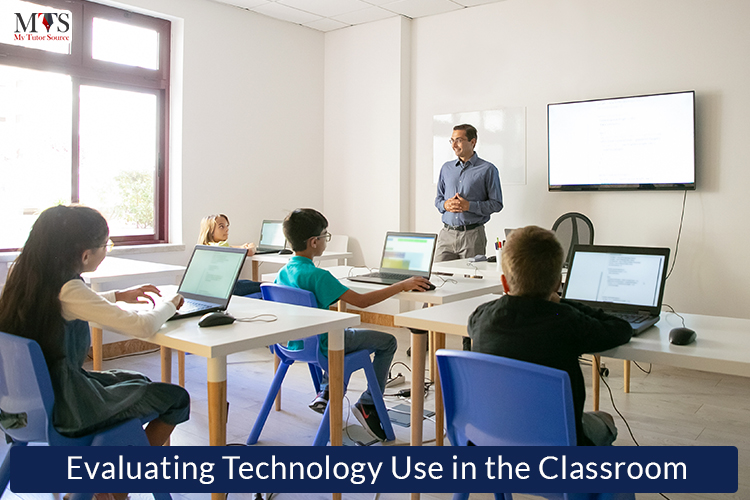
- Engagement through hands-on learning: Involving real-world data manipulation and practical activities.
- Curriculum integration and assessment: Seamless incorporation of spreadsheet applications into the educational curriculum with pre- and post-assessments.
- Student-centered methods: Employing child-centered teaching strategies tailored to the diverse learning styles of Basic 7 learners.
Background and Justification
Spreadsheet applications have become ubiquitous in both academic and professional settings, serving as vital tools for data manipulation, analysis, and presentation. However, for Basic 7 learners, particularly those in schools such as Garu R/C JHS, the challenge of mastering such tools can often be significant. These students face difficulties due to a lack of exposure, limited prior knowledge, and conventional teaching approaches that fail to engage them adequately.
Integrating practical-based approaches into teaching spreadsheet applications offers a promising avenue to bridge this gap. By providing hands-on experiences and real-world applications, educators can enhance learners’ understanding and build their confidence in handling data. This research topic seeks to explore how such practical methodologies can be effectively employed to support Basic 7 students in overcoming their challenges and to foster an environment where digital literacy is not merely theoretical but actively practiced.
Research Objectives
Identifying key challenges
The first objective is to identify the specific difficulties that Basic 7 learners encounter when using spreadsheet applications. Common challenges include misunderstanding the layout of spreadsheets, errors in formula application, and a general lack of familiarity with data entry and manipulation techniques. Conducting surveys and interviews with students can pinpoint these pain points, allowing educators to tailor their interventions effectively.
Designing practical interventions
A major focus of the research is to develop and implement practical-based teaching methods. This involves designing curricula that incorporate real-life scenarios where spreadsheet applications are necessary tools. For instance, educators can present tasks like simple budgeting exercises, managing classroom data, or solving “what if” problems that require data analysis. The aim is to break down complex concepts into tangible, step-by-step activities that illustrate the practical utility of spreadsheets.
Evaluating learning outcomes
Another objective is to assess the effectiveness of these practical-based approaches on student performance. This involves conducting pre- and post-intervention assessments, enabling an objective comparison of students’ understanding before and after the introduction of practical activities. Additionally, incorporating feedback from both students and teachers can offer insights into how these strategies can be improved further over time.
Methodological Framework
Literature Review
The first step in this research involves a thorough literature review, which incorporates studies related to both the challenges of using spreadsheet applications and the effectiveness of practical-based approaches in education. Previous research suggests that hands-on, activity-based learning not only boosts engagement but also deepens conceptual understanding. Works by educators and researchers emphasize a move away from purely theoretical instruction toward integrating interactive approaches that mirror real-world tasks.
Literature also points out that spreadsheet applications can be used to teach not only data management, but underlying mathematical concepts such as algebraic equations, ratios, and functions. This dual focus—on practical application and conceptual understanding—can reinforce learning outcomes significantly.
Curriculum Design
Designing an effective curriculum for Basic 7 learners involves:
- Step-by-step instructional modules: Breaking down the learning process into manageable parts helps in demystifying the interface and functions of spreadsheet applications.
- Real-world case studies: Utilizing scenarios drawn from everyday life, such as class attendance, simple financial management, and survey data analysis, to make lessons relatable.
- Collaborative projects: Engaging students in group activities encourages peer-to-peer learning and reinforces understanding through collective problem-solving.
- Feedback mechanisms: Establishing a continuous loop of feedback from learners allows teachers to adjust strategies in real time, ensuring content remains accessible and engaging.
Such a curriculum not only enhances technical proficiency but also fosters critical thinking and analytical skills, essential for both academic growth and future professional endeavors.
Practical Workshops and Experiential Learning
Implementing practical workshops is central to this research. These workshops can be structured as follows:
| Workshop Stage | Activity | Expected Outcome |
|---|---|---|
| Introduction | Brief overview of spreadsheets and their uses | Basic familiarity with the software interface |
| Hands-On Practice | Step-by-step exercises on data input, formula creation, and basic formatting | Improved technical proficiency and understanding of core features |
| Real-World Application | Tasks simulating real-life data management scenarios such as budgeting or data sorting | Enhanced problem-solving skills and practical application of concepts |
| Group Projects | Collaborative projects where students work in teams to analyze datasets and create comprehensive reports | Development of teamwork, communication, and critical thinking skills |
| Feedback and Reassessment | Surveys and interactive discussions to review challenges and progress | Iterative improvement in both teaching methodology and student understanding |
The combination of these approach phases creates a learning environment that emphasizes active involvement and continuous improvement, making the learning process both engaging and effective.
Assessment and Evaluation
A robust evaluation framework is indispensable for measuring the impact of practical-based approaches. This can be achieved through:
- Pre- and post-assessment tests: Standardized tests administered before and after workshop interventions to quantify improvement in spreadsheet handling skills.
- Observational assessments: Classroom observations during practical activities to gauge student engagement and identify areas needing additional support.
- Feedback sessions: Structured feedback from students and teachers that inform iterative refinement of the approach.
This triangulated form of assessment not only validates the teaching methods but also informs future curriculum adjustments to better support learners.
Real-World Applications and Benefits
Enhancing Student Motivation and Engagement
One of the most tangible benefits of practical-based approaches is the enhancement of student motivation and engagement. Rather than passively absorbing information, learners engage actively with content that is relevant to their everyday experiences. For instance, using spreadsheets to manage a small budget or record class attendance helps them see the direct applicability of their learning.
In a digital age, where interactive and dynamic content are crucial for maintaining student attention, such methods provide an innovative solution to traditional, lecture-based teaching. Students who learn in a hands-on manner tend to retain skills more effectively, as demonstrated by numerous educational studies.
Developing Critical Life Skills
Beyond mastering technical skills, practical-based learning in spreadsheet applications cultivates a range of competencies vital for future success. These include:
- Critical thinking: Analyzing data and making informed decisions based on spreadsheet outputs develops logical reasoning and problem-solving skills.
- Collaboration: Group projects and shared tasks provide opportunities for social learning and effective communication.
- Digital literacy: Familiarity with digital tools prepares learners for a technology-driven workplace and academic environment.
Scalability and Adaptability
Practical-based approaches are inherently adaptable, meaning that once designed, these strategies can be scaled and modified across different subjects and grade levels. Teachers in other schools or regions can adopt and tailor these methods to align with their specific curricular demands and student needs. The adaptability of these approaches ensures that educators can keep pace with technological changes while maintaining effective teaching practices.
Integration with Educational Technology
Leveraging Digital Tools
The integration of digital tools is another significant aspect of this research. With the increasing availability of computer labs and personal devices, educators can incorporate spreadsheet software like Microsoft Excel or Google Sheets into their teaching agendas. This integration not only familiarizes students with industry-standard tools but also enhances their overall technical dexterity.
Digital learning tools such as interactive tutorials, video demonstrations, and real-time feedback systems can further supplement traditional classroom activities. When students practice using these tools regularly, they develop a confidence that translates into both academic and practical competencies in data management.
Teacher Training and Professional Development
Equally important is the role of teacher training in the successful implementation of practical-based learning. To ensure that educators can effectively deliver these methodologies, professional development programs should be instituted. These programs would focus on:
- Familiarization with digital tools: Ensuring that all teachers are comfortable with spreadsheet software and its features.
- Instructional strategies: Training in hands-on and collaborative teaching methods that drive student engagement.
- Assessment techniques: Equipping teachers with tools and methods to measure student progress comprehensively.
Through continuous professional development, teachers can remain up-to-date with the latest technological trends and pedagogical innovations, thereby improving the overall effectiveness of their teaching practices.
Implications for Future Research
Evaluating Long-Term Impact
While initial studies may focus on immediate improvements in understanding and proficiency, it is important to extend research to evaluate the long-term impact of practical-based teaching methods. Future research may consider tracking students' progress over several years to determine whether early exposure to functional spreadsheet applications contributes to sustained academic achievement and readiness for higher education or professional careers involving data management.
Expanding the Research Scope
This research topic also opens the door to exploring practical approaches for other technological and mathematical tools. By adapting the methodology outlined here, future studies could investigate similar interventions across varied subjects such as coding, statistical software, or more advanced data analytics scenarios, offering broad-ranging benefits to the educational community.
References
- Practical Approach in Teaching - Classplus
- Spreadsheet Applications - Carleton SERC
- Practical Approaches to Teaching - Faculty Focus
- Ways Teachers Can Use Spreadsheets - Brittany Washburn
- Tips for Teaching Excel - Journal of Accountancy
Recommended Related Queries
Last updated March 7, 2025