
Comprehensive Literature Review on Problem-Based Instructional Materials for Grade 1 Learners
Innovative approaches for engaging early learners through problem-solving
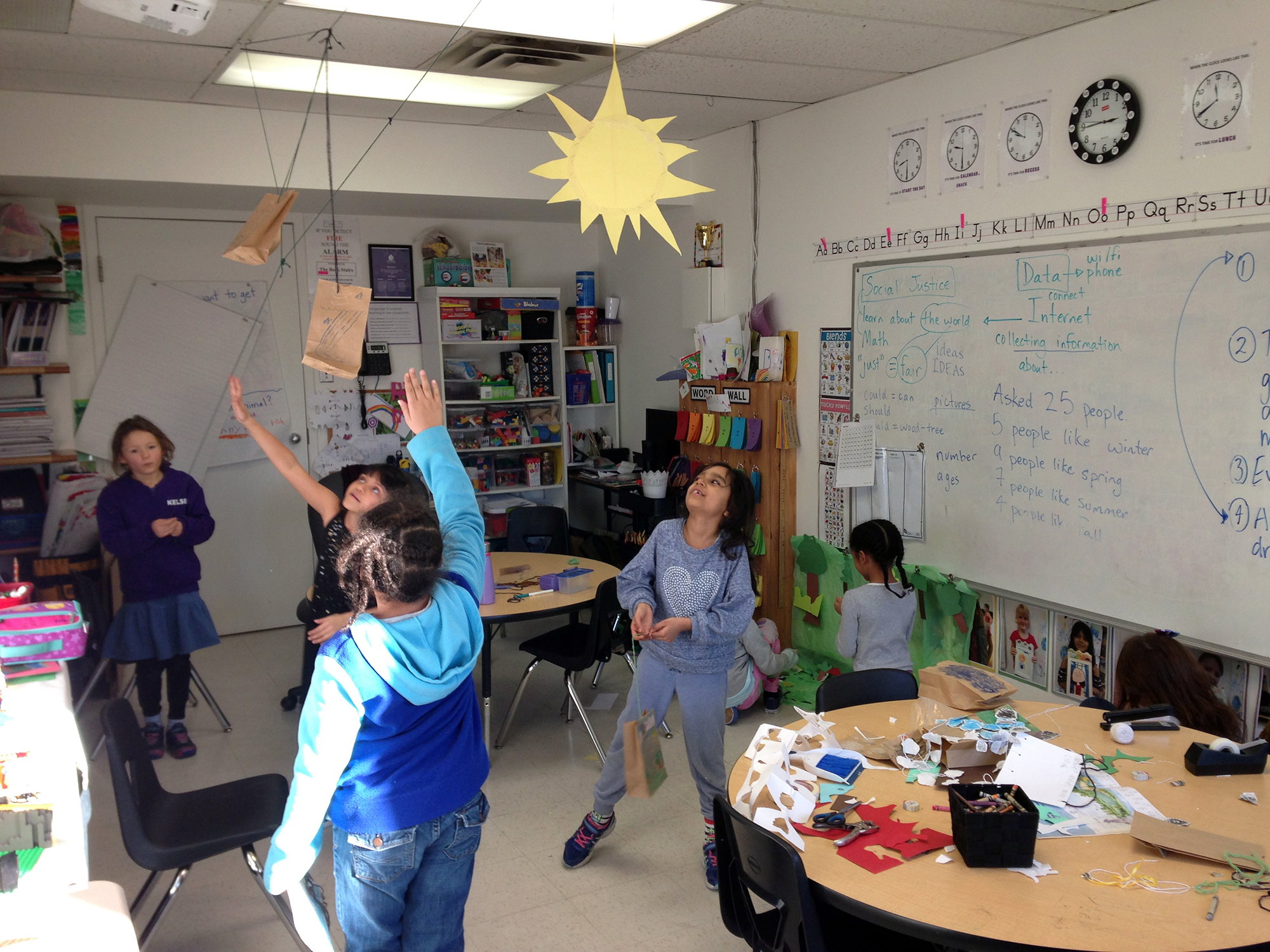
Key Takeaways
- Clear Learning Objectives: Establishments of measurable, child-centered goals that promote critical thinking and problem-solving.
- Engaging Content and Formats: Utilizes real-world, age-appropriate scenarios with vibrant, interactive designs.
- Structured Problem Design & Ongoing Assessment: Emphasis on scaffolded, relatable problem scenarios enhanced with formative evaluations.
Introduction
The development of problem-based instructional materials for Grade 1 learners has been an emerging area of research from 2017 to 2025. This body of literature emphasizes integrating innovative curricular frameworks to foster an environment where early learners can enhance their critical thinking, collaboration, and problem-solving skills through real-world scenarios. Despite the early stage of implementing problem-based learning (PBL) in primary classrooms, educators and curriculum developers have identified key variables—learning objectives, learning contents, format and styles, problem design and structure, and activities and assessment—that together create an enriching educational experience for Grade 1 students.
2.1 Learning Objectives
Research concentrated on Grade 1 problem-based instructional materials consistently highlights the importance of establishing clear and concise learning objectives that align with developmental milestones. At this educational level, the primary goals involve fostering foundational competencies such as basic literacy, numeracy, social skills, and early cognitive development.
Defining Clear Objectives
Early childhood studies underscore that well-articulated objectives serve as a roadmap for both teachers and learners, ensuring that instruction is intentionally directed toward measurable outcomes. In a problem-based framework, teachers are encouraged to design objectives that not only meet core curricular standards but also incorporate 21st-century skills. This dual focus involves:
- Developing critical thinking and reasoning through inquiry-based tasks.
- Enhancing collaboration and communication via group-based problem-solving activities.
- Fostering self-directed learning and creative exploration in classroom environments.
The intentional design of learning objectives in Grade 1 PBL is crucial because it informs every subsequent stage of the instructional process—from content development to assessment strategies. By setting clear benchmarks, educators can ensure that every activity and problem scenario serves to build upon the knowledge and skills targeted for early learners.
2.2 Learning Contents
The selection and organization of learning contents in Grade 1 problem-based instructional materials is essential for ensuring relevance and engagement. Materials are often constructed around real-world contexts that resonate with young learners, bridging the gap between abstract academic concepts and tangible, everyday experiences.
Relevance and Authenticity
Studies have demonstrated that content designed with authentic real-life scenarios can ignite curiosity and boost active participation. Typical subjects include environmental studies, basic mathematics, and community issues like sharing and cooperation. For instance, topics might feature simple experiments about the natural world or scenarios based on daily routines, such as identifying patterns in nature or problem-solving around playgrounds. This approach ensures that learning is not only informative but also relatable.
Interdisciplinary and Cross-Curricular Integration
Incorporating interdisciplinary approaches also plays a significant role in the curriculum. The integration of language arts, social studies, and science within single problem scenarios helps young learners make connections across different fields of knowledge. Such holistic content development encourages students to engage with material in a multifaceted way, thereby enhancing cognitive flexibility and creative reasoning.
Age Appropriateness
The content must be carefully adapted to be accessible for Grade 1 students. Language, graphics, and context are all tailored to be age-appropriate, ensuring that learners are not overwhelmed by complex vocabulary or abstract concepts. This careful calibration promotes both understanding and sustained engagement in the learning process.
2.3 Format and Styles
The format and style of instructional materials are pivotal when introducing problem-based learning to young children. Visual appeal, interactivity, and narrative-driven approaches are prioritized to maintain their attention and promote active learning.
Interactive and Visual Design
Visual aids are essential in capturing the interest of early learners. Materials often incorporate colorful illustrations, animations, and interactive elements that invite children to engage with content dynamically. The inclusion of story-telling elements transforms abstract problems into engaging narratives, which help students to better visualize and relate to problem scenarios.
Digital vs. Paper-Based Formats
While traditional paper-based strategies remain prevalent, digital formats have increasingly been integrated into Grade 1 PBL. Digital tools offer dynamic feedback, interactive interfaces, and the ability to adjust challenges to match the pace of each learner. Many studies report that digital materials, when combined with physical, hands-on experiences, cater effectively to diverse learning styles. This blended approach supports the varying requirements of early learners whose attention spans and interaction preferences may differ significantly.
Student-Centered Environments
Regardless of the medium, the instructional design remains inherently student-centered. This means the materials favor activity-based, experiential learning over purely theoretical approaches. By situating learning in a context where students are active participants, educators can foster a sense of ownership and empowerment which are vital for early educational success.
2.4 Problem Design and Structure
The design and structure of problems within PBL materials are critical in determining the efficacy of the learning experience. A carefully designed problem must strike a balance between simplicity required by Grade 1 learners and the sufficient challenge needed to stimulate higher-order thinking.
Real-World Problems and Relevance
In designing problem scenarios, educators focus on real-world challenges that resonate with young learners' everyday life. Authentic problems such as resolving conflicts in play areas, understanding basic environmental issues, or simply sharing resources effectively are often used. These scenarios are framed in a way that makes sense from the perspective of a first grader, utilizing familiar contexts that offer an immediate connection to the learner's experiences.
Scaffolding and Gradual Complexity
An effective problem design incorporates scaffolding—sequentially structured tasks that gradually increase in complexity. For example, an initial problem might involve identifying the components of a classroom community, which then evolves into formulating simple solutions to improve cooperation. This step-by-step progression helps learners build foundational skills while progressively enhancing their capacity for more complex problem-solving.
Flexibility and Open-Endedness
Another key challenge for problem design is ensuring that problems remain open-ended enough to allow for multiple solutions. Open-ended problems encourage divergent thinking and foster creativity by not constraining students to a single 'correct' answer. Instead, they stimulate discussion, debate, and exploration—essential qualities in developing critical thinking skills at an early age.
Cognitive Appropriateness
A critical aspect of problem design for Grade 1 learners is cognitive load management. Problems must be structured in such a way that the task is challenging but not overwhelming. Researchers recommend using simple language and clear instructions to ensure that learners can successfully navigate the tasks without frustration.
2.5 Activities and Assessment
The activities designed to complement problem-based instructional materials form a vital bridge between theoretical understanding and practical application. They are crafted to be interactive, collaborative, and reflective to promote deeper learning experiences for Grade 1 students.
Collaborative Activities
Group projects, role-playing, and interactive games are common methods used to encourage teamwork among young learners. These activities not only allow for social interaction but also provide an opportunity for peer-to-peer learning. Collaborative tasks help children to practice communication, share ideas, and collectively work toward solving a problem, promoting interpersonal skills alongside academic gains.
Hands-On Learning
Engaging children in hands-on experiments and projects is critical in PBL. Activities that involve constructing models, drawing representations, or even simple science experiments stimulate tactile and kinesthetic learning. This approach, by requiring active involvement, helps in retaining content knowledge and developing practical skills.
Assessment Strategies
The assessment of problem-based instructional materials diverges from traditional testing formats. For Grade 1 learners, formative assessments are widely preferred. These can include:
-
Observational assessments during group activities and problem-solving sessions.
-
Use of pictorial checklists and simple rubrics to measure both the process and the outcome.
-
Portfolio assessments that allow children to document their progress over time.
-
Self and peer assessments that encourage reflection and personal growth.
Formative assessments are instrumental in providing immediate feedback to young learners. They allow teachers to adapt instructional strategies based on individual and group performance. This continuous cycle of assessment helps ensure that each child's learning trajectory remains on track, and it identifies areas requiring additional support or enrichment.
Integrative Evaluation Models
In addition to ongoing formative assessments, summative evaluations are occasionally used to gauge the overall effectiveness of the instructional materials upon completion of a project. Summative assessments in a PBL context for Grade 1 might involve presentations, simple quizzes, or portfolio reviews where the end-product, such as a completed project display or a graphic organizer (like a Venn diagram), showcases the child's comprehensive understanding of the problem-solving process.
Integration of Key Variables in a Practical Framework
The integration of learning objectives, contents, format and styles, problem design, and assessment strategies creates a cohesive framework for implementing PBL in Grade 1 classrooms. Educators must ensure that each variable reinforces the others. For example, learning objectives guide the selection of content while the design of activities directly reflects the skills and knowledge targeted in the objectives.
Table: Synthesis of Research Variables in Grade 1 PBL
| Research Variable | Key Characteristics | Impact on Learning |
|---|---|---|
| Learning Objectives | Clear, measurable, child-centered; focus on literacy, numeracy, and social skills. | Provides direction and benchmarks for both process and outcome. |
| Learning Contents | Real-world, interdisciplinary, and age-appropriate; utilizes narratives and visuals. | Ensures engagement and relevance, fostering active participation. |
| Format and Styles | Interactive, child-friendly, visually appealing; digital and paper-based options. | Cultivates enthusiasm and better comprehension through multi-sensory exposure. |
| Problem Design and Structure | Authentic, scaffolded, open-ended; balances simplicity with cognitive challenge. | Stimulates critical thinking and problem solving while minimizing cognitive overload. |
| Activities and Assessment | Collaborative, hands-on, integrative formative and summative assessments. | Encourages reflection, provides continuous feedback, and supports group learning. |
This table encapsulates the synthesis of the core research variables guiding the development of problem-based instructional materials for Grade 1 learners. Each element is interrelated, ensuring that a cohesive, learner-focused educational environment is cultivated.
Conclusion and Final Thoughts
In summary, current research from 2017 through 2025 provides a comprehensive framework for developing problem-based instructional materials that are ideally suited for Grade 1 learners. A successful PBL approach in early education hinges on the careful articulation of clear learning objectives, the selection of engaging and interdisciplinary content, the use of interactive and visually stimulating formats, the design of authentic and scaffolded problems, and the implementation of robust, formative evaluation strategies.
By integrating these research variables, educators are empowered to create learning environments that not only support the academic development of young children but also foster essential 21st-century skills such as critical thinking, collaboration, and effective communication. The shift towards a more holistic and interactive approach in early childhood education represents a promising landscape where problem-based learning enables students to connect academic theories with real-world applications. This synthesis of studies highlights that while challenges remain, particularly with adapting assessment tools and ensuring cognitive appropriateness, the collective evidence supports the continued evolution and adoption of PBL within the early grades.
References
The following URLs are essential resources for further review and details on the literature underpinning this comprehensive synthesis:
 core-docs.s3.amazonaws.com
Final Thoughts
Integrating diverse instructional strategies through problem-based learning provides Grade 1 learners not just the opportunity to grasp academic concepts but also the creative and collaborative experiences needed for lifelong learning. As educators continue to innovate in their approach, this comprehensive synthesis offers a solid foundation on which future research and curriculum development can build.
Last updated February 17, 2025