
Comprehensive Guide to Preventing Unethical Customer Practices
Ensuring Integrity and Trust in Every Customer Interaction
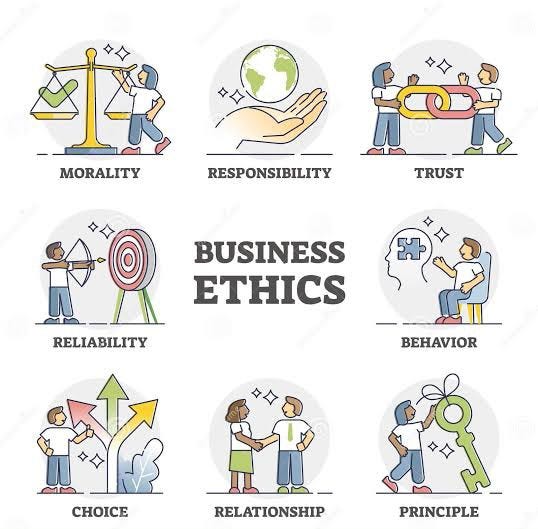
Key Takeaways
- Establish Clear Ethical Standards: Develop and communicate a robust code of ethics that outlines acceptable behaviors.
- Comprehensive Training Programs: Regularly educate employees on ethical practices and the importance of integrity.
- Foster a Culture of Accountability: Implement mechanisms that hold employees accountable and encourage ethical decision-making.
Introduction
In today's competitive business environment, maintaining ethical standards in customer interactions is not just a moral obligation but a strategic imperative. Unethical practices can erode customer trust, damage reputation, and lead to legal consequences. This guide provides a comprehensive framework for organizations to prevent unethical ways of dealing with customers, ensuring long-term success and sustainability.
Defining Unethical Customer Practices
Unethical customer practices are behaviors that violate principles of honesty, fairness, and transparency. These practices undermine the trust customers place in a business and can lead to long-term detrimental effects. Common unethical behaviors include:
1. Misleading Advertising and False Claims
Providing false or exaggerated information about products or services to entice customers.
2. Hidden Fees and Unclear Pricing
Adding undisclosed charges or failing to present transparent pricing structures.
3. Exploiting Customer Data
Using customer information without consent or for purposes beyond the agreed terms.
4. Deceptive Sales Tactics
Employing aggressive or manipulative techniques to pressure customers into purchases.
5. Bait-and-Switch Strategies
Promoting one product or service to attract customers, then delivering something different or of lesser value.
6. Overcharging and Overpricing
Charging excessive amounts or inflating prices without justification.
7. Ignoring Complaints and Refunds
Failing to address customer grievances or honoring refund policies.
8. Poor Quality Products Marketed as Premium
Selling subpar products while marketing them as high-quality or premium.
9. Unauthorized Email Marketing and Spamming
Sending unsolicited marketing communications without explicit customer consent.
10. Using AI to Create Fake Testimonials
Generating artificial reviews or endorsements to falsely boost credibility.
Strategies to Prevent Unethical Customer Practices
1. Establish a Clear Code of Ethics
A well-defined Code of Ethics serves as the foundation for ethical behavior within an organization. It outlines acceptable and unacceptable practices, ensuring that all employees understand the standards expected of them.
a. Detailed Guidelines
- Outline specific behaviors that are considered unethical.
- Include policies on honesty, transparency, and respect in customer interactions.
- Define consequences for violations to enforce adherence.
b. Accessibility and Communication
- Ensure the code is easily accessible to all employees and stakeholders.
- Regularly communicate the importance of the code through meetings and internal communications.
- Update the code periodically to address emerging ethical challenges.
2. Implement Comprehensive Training Programs
Continuous education is crucial in fostering an ethical workforce. Training programs should equip employees with the knowledge and skills to make ethical decisions.
a. Initial and Ongoing Training
- Provide thorough ethics training during onboarding for new hires.
- Conduct regular refresher courses to reinforce ethical principles.
- Incorporate real-world scenarios and case studies to illustrate ethical dilemmas.
b. Customer-Centric Decision Making
- Emphasize the importance of prioritizing customer welfare in decision-making processes.
- Encourage employees to consider the long-term impact of their actions on customer relationships.
3. Foster a Culture of Accountability
Creating an environment where employees are held accountable for their actions is essential in preventing unethical behavior.
a. Leadership by Example
- Leaders should consistently demonstrate ethical behavior in all interactions.
- Management should openly discuss the importance of ethics and integrity.
b. Performance Evaluations
- Incorporate ethical behavior into performance reviews and evaluations.
- Reward employees who exhibit exemplary ethical standards.
4. Implement Robust Reporting Mechanisms
Providing safe and anonymous channels for reporting unethical behavior encourages transparency and accountability.
a. Anonymous Reporting Systems
- Establish platforms where employees and customers can report unethical practices without fear of retaliation.
- Ensure confidentiality to protect the identity of the reporter.
b. Prompt Investigation and Action
- Ensure that all reports are taken seriously and investigated thoroughly.
- Implement corrective actions promptly to address any identified issues.
5. Monitor and Audit Customer Interactions
Regular monitoring and auditing of customer interactions help in identifying and mitigating unethical practices proactively.
a. Data Monitoring Tools
- Utilize software tools to track customer interactions across various channels.
- Analyze data to detect patterns that may indicate unethical behavior.
b. Regular Audits
- Conduct periodic audits to ensure compliance with ethical standards.
- Review policies and procedures to identify areas for improvement.
6. Protect Customer Data and Privacy
Respecting customer data and privacy is fundamental to maintaining trust and preventing unethical exploitation.
a. Consent-Driven Data Usage
- Obtain explicit consent from customers before collecting or using their data.
- Clearly communicate the purposes for which data will be used.
b. Compliance with Data Protection Regulations
- Adhere to laws such as GDPR, CCPA, and other relevant data protection frameworks.
- Implement robust data security measures to safeguard customer information.
c. Appointment of Data Protection Officer (DPO)
- Designate a DPO to oversee data protection strategies and ensure compliance.
- Ensure the DPO has the authority and resources to effectively monitor data practices.
7. Ensure Transparent Communication
Transparency in communication builds trust and prevents misunderstandings that can lead to unethical practices.
a. Clear Pricing and Terms
- Present pricing structures in a straightforward and understandable manner.
- Highlight any additional fees or charges upfront to avoid surprises.
b. Detailed Product Information
- Provide comprehensive and accurate information about products and services.
- Avoid exaggerating features or benefits that may mislead customers.
c. Documentation of Customer Interactions
- Maintain records of all customer interactions to ensure accountability.
- Use documented interactions to resolve disputes and improve service quality.
8. Address and Manage Unethical Customers
While much focus is on employee behavior, managing unethical customers is equally important to maintain a healthy business environment.
a. Identifying Unethical Behavior
- Recognize signs of fraud, abuse, or harassment from customers.
- Document instances of unethical customer behavior for reference.
b. Establishing Clear Policies
- Create guidelines for handling unethical customers, including steps for refusal of service if necessary.
- Ensure policies are fair and consistently applied.
9. Reward Ethical Behavior and Align Incentives
Aligning incentives with ethical behavior encourages employees to prioritize integrity over short-term gains.
a. Performance Rewards
- Implement reward systems that recognize and reward ethical decision-making.
- Provide bonuses, recognition awards, or other incentives for exemplary behavior.
b. Avoiding Pressure to Compromise Ethics
- Ensure that sales targets and performance metrics do not encourage unethical practices.
- Create a balanced approach that values both performance and ethical standards.
10. Regularly Review and Update Policies
Continuous improvement of policies ensures that ethical guidelines remain relevant and effective in addressing new challenges.
a. Ongoing Assessment
- Periodically evaluate the effectiveness of existing policies.
- Gather feedback from employees and customers to identify areas for improvement.
b. Involving Stakeholders
- Engage employees in the policy review process to ensure practical applicability.
- Incorporate industry standards and best practices into policy updates.
11. Build and Maintain Trust with Customers
Trust is the cornerstone of any successful customer relationship. Building and maintaining trust requires consistent ethical behavior.
a. Transparent Business Practices
- Operate with honesty and openness in all business dealings.
- Avoid deceptive marketing and provide accurate representations of products and services.
b. Personalization with Integrity
-
Offer personalized experiences that genuinely meet customer needs.
-
Avoid exploiting customer data for manipulative purposes.
Implementing Ethical Standards: A Step-by-Step Approach
Step 1: Define Unethical Practices
Begin by clearly defining what constitutes unethical behavior within your organization. This involves identifying specific actions that violate ethical principles, such as dishonesty, exploitation, and manipulation.
Step 2: Develop a Comprehensive Code of Ethics
Create a detailed Code of Ethics that outlines acceptable and unacceptable behaviors. Ensure that this document is accessible to all employees and is regularly updated to reflect new challenges and industry standards.
Step 3: Conduct Regular Training Sessions
Implement ongoing training programs to educate employees about ethical practices. Use real-world scenarios to help employees understand the importance of ethics in customer interactions and the potential consequences of unethical behavior.
Step 4: Establish Reporting Mechanisms
Set up secure and anonymous channels for employees and customers to report unethical practices. Ensure that all reports are addressed promptly and that appropriate actions are taken to resolve issues.
Step 5: Monitor and Audit Interactions
Use monitoring tools to oversee customer interactions across various platforms. Regular audits can help identify patterns of unethical behavior and provide insights into areas needing improvement.
Step 6: Promote Accountability
Hold employees accountable for their actions by integrating ethical behavior into performance evaluations. Recognize and reward those who consistently demonstrate integrity in their roles.
Step 7: Protect Customer Data
Implement stringent data protection measures to safeguard customer information. Ensure compliance with relevant data protection laws and maintain transparency regarding data usage.
Step 8: Foster Transparent Communication
Maintain open and honest communication with customers. Provide clear information about products, services, pricing, and policies to prevent misunderstandings and build trust.
Step 9: Address Unethical Customers
Develop protocols for handling unethical customers, including documenting incidents and enforcing policies consistently. This helps maintain a respectful and fair business environment.
Step 10: Continuously Improve Policies
Regularly review and update ethical policies to adapt to changing business environments and customer expectations. Engage with employees and customers to gather feedback for ongoing improvement.
Building an Ethical Culture
Creating an ethical culture within an organization goes beyond policies and training. It involves fostering an environment where integrity is valued and ethical behavior is the norm.
Leadership’s Role in Promoting Ethics
Leaders play a pivotal role in setting the tone for ethical behavior. By demonstrating integrity in their actions and decisions, leaders inspire employees to follow suit.
Encouraging Open Communication
Encourage employees to voice their concerns and suggestions regarding ethical practices. Open communication channels help in identifying and addressing issues promptly.
Recognizing and Rewarding Ethical Behavior
Acknowledge and reward employees who consistently uphold ethical standards. Recognition programs can motivate others to prioritize integrity in their work.
Creating a Safe Reporting Environment
Ensure that employees feel safe and supported when reporting unethical behavior. Protecting whistleblowers from retaliation is crucial in maintaining trust in reporting mechanisms.
Continuous Ethics Audits
Conduct regular ethics audits to assess the effectiveness of ethical policies and practices. Use the findings to make informed improvements and address any gaps.
The Role of Technology in Upholding Ethics
Technology can be a powerful ally in promoting ethical practices and preventing misconduct in customer interactions.
Implementing Data Security Solutions
Use advanced security measures such as encryption, two-factor authentication, and regular security assessments to protect customer data from breaches and unauthorized access.
Utilizing Customer Relationship Management (CRM) Systems
CRM systems can help monitor customer interactions, ensuring that communications are consistent and transparent. They can also flag any unusual activities that may indicate unethical practices.
Automating Compliance Checks
Integrate automated tools that ensure compliance with data protection regulations and ethical standards. These tools can provide real-time alerts and reports to maintain ongoing adherence.
Leveraging Artificial Intelligence for Transparency
Use AI to analyze customer feedback and identify potential ethical issues. AI can also help in generating honest and accurate content, reducing the risk of misleading information.
Case Studies: Successful Implementation of Ethical Practices
Case Study 1: Transparent Pricing Strategy
A leading e-commerce company revamped its pricing strategy to eliminate hidden fees and provide clear, upfront pricing. By transparently displaying all costs associated with purchases, the company significantly increased customer trust and loyalty, resulting in a 20% increase in repeat customers within a year.
Case Study 2: Comprehensive Data Protection
A financial services firm implemented robust data protection measures, including encryption and regular security audits. By prioritizing customer data privacy, the firm not only ensured compliance with GDPR but also enhanced its reputation, attracting high-profile clients seeking secure financial services.
Case Study 3: Ethical Marketing Practices
A cosmetics brand shifted from exaggerated advertising to honest marketing, providing accurate product information and realistic results. This change resonated with consumers, leading to a 15% growth in market share and positive customer reviews highlighting the brand's integrity.
Benefits of Upholding Ethical Practices
1. Enhanced Customer Trust
Ethical practices build trust, making customers more likely to engage with and remain loyal to the business.
2. Improved Reputation
A reputation for integrity attracts positive attention and differentiates the business from competitors who may engage in unethical behavior.
3. Increased Customer Loyalty
Customers are more likely to return and recommend businesses they trust, leading to sustained revenue growth.
4. Legal Compliance and Risk Mitigation
Adhering to ethical standards ensures compliance with laws and regulations, reducing the risk of legal penalties and financial losses.
5. Positive Workplace Environment
An ethical culture fosters a positive work environment, enhancing employee satisfaction and reducing turnover rates.
Conclusion
Preventing unethical practices in customer interactions is essential for building a sustainable and reputable business. By establishing clear ethical standards, providing comprehensive training, fostering a culture of accountability, and leveraging technology, organizations can ensure that their dealings with customers are fair, transparent, and respectful. Upholding these principles not only protects the business from potential legal and financial repercussions but also cultivates lasting relationships based on trust and mutual respect.
References
Last updated January 21, 2025