
Visualize Your Edge: The Future of Protective Sportswear Unveiled!
Discover a revolutionary sportswear line designed for peak performance and ultimate protection, blending cutting-edge technology with sustainable practices.
Key Highlights of Your Innovative Sportswear Line
- Integrated Anti-Injury Protection: Seamlessly embedded protective gear offers advanced safety without compromising mobility, targeting vulnerable areas for athletes, coaches, and trainers.
- Ergonomic & Sustainable Design: Crafted from high-quality, eco-friendly materials, the sportswear features ergonomic construction for superior comfort, flexibility, and a reduced environmental footprint.
- Performance-Driven Customization: Tailor your gear with customizable elements, ensuring a perfect fit and personalized aesthetic that reflects individual or team identity, enhancing both safety and confidence.
Envisioning Your Performance Sportswear
While I can't generate an image directly, I can provide a vivid textual description that brings your innovative sportswear line to life. This description focuses on the key attributes you've outlined: integrated anti-injury gear, ergonomic design, high-quality sustainable materials, and customization, all tailored for competitive athletes, sports coaches, and trainers, with a core color palette of black, white, grey, and orange.
Overall Aesthetic and Material Philosophy
Imagine a collection that radiates a sleek, professional, and high-tech aura. The primary colors of black and dark grey form the base, offering a sophisticated and formidable look. These are often chosen for their ability to convey strength and durability. White elements provide crisp, clean contrast, often used for logos, subtle accents, and areas requiring high visibility. Vibrant orange is strategically employed to highlight the integrated protective features, ergonomic seam lines, and customizable details, injecting energy and drawing attention to the technological advancements of the apparel. The materials would feel premium to the touch – robust yet flexible, breathable, and visibly eco-conscious, perhaps with a subtle texture hinting at recycled or organic origins.
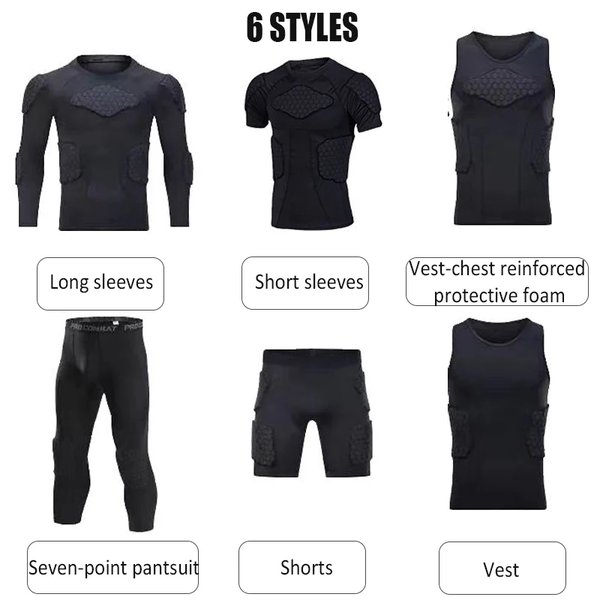
Example of sportswear with integrated protective padding, showcasing a similar concept of protection embedded within the garment.
Detailed Garment Concepts
1. The Performance Compression Top
Picture a long-sleeved compression top, primarily in matte black or a deep charcoal grey, crafted from a blend of recycled performance fabrics and organic cotton for breathability and stretch.
- Integrated Protection: Strategically placed, low-profile padding made from advanced impact-absorbing materials (perhaps a medium grey to subtly differentiate) would be integrated at the shoulders, elbows, and along the ribs. This padding would be flexible and conform to the body, almost invisible until impact.
- Ergonomic Design: Seams would be ergonomically mapped to follow muscle lines, potentially highlighted with thin orange piping, allowing for a full range of motion. Mesh panels, perhaps in a lighter grey, could be incorporated in high-sweat zones like under the arms and along the spine for enhanced ventilation.
- Branding & Accents: A minimalist brand logo in crisp white could be on the upper chest or sleeve. Customizable zones could include a small patch area on the sleeve for team logos or athlete initials, perhaps outlined in orange.
2. Protective Performance Leggings/Pants
Matching leggings or slightly looser athletic pants would continue the color scheme. A black or dark grey base would be standard.
- Integrated Protection: Padding would be integrated around the hips, knees, and potentially the coccyx. This padding, similar to the top, would be a medium grey, designed to absorb and disperse impact during falls or collisions.
- Ergonomic Design: Articulated knee design and a gusseted crotch would ensure unrestricted movement. Orange accent lines might trace the protective zones or ergonomic seams, emphasizing flexibility and support.
- Details: A comfortable, wide waistband, perhaps with an internal orange drawcord, would provide a secure fit. Reflective white or orange elements could be incorporated near the ankles for visibility in low-light conditions.
3. Coaching and Training Jacket
A lightweight, weather-resistant jacket designed for coaches and trainers, offering protection and functionality.
- Material & Color: Primarily a durable, sustainable grey fabric, with black panels for a modern, segmented look.
- Features: Subtle padding in the elbows could be included. Multiple secure pockets with orange zipper pulls for utility. An adjustable hood and cuffs for comfort. White reflective logos for visibility. Customization options could include larger areas for team branding.
Highlighting Key Values Through Design
- Safety: The orange accents are key here, drawing the eye to the protective pads and reinforced areas. The robust nature of the materials also conveys a sense of security.
- Comfort: The ergonomic seam placement, breathable fabric choices (showcased by subtle textures or mesh panels), and the sleek, non-bulky integration of padding would visually communicate comfort. The cut of the garments would look anatomical, moving with the body.
- Customization: Designated areas for logos or personalization, perhaps subtly demarcated with a thin white or orange border, would be evident. The ability to choose subtle variations in accent colors (e.g., different shades of orange or swapping for another team color highlight) could be implied.
- Sustainability: The texture and matte finish of the fabrics would suggest natural or recycled origins. A small, discreet icon or tag (perhaps a leaf motif in grey) could hint at the eco-friendly production processes without being overt.
This sportswear line would look advanced, purposeful, and aligned with the needs of serious athletes and professionals who demand high performance, protection, and responsible manufacturing.
Color Palette Application and Rationale
The strategic use of black, white, grey, and orange is crucial for defining the brand's identity and highlighting the functional aspects of the sportswear. Each color plays a specific role in conveying the core values of safety, comfort, customization, and performance.
| Color | Primary Use | Secondary Use | Rationale & Psychological Impact |
|---|---|---|---|
| Black | Base color for main garments (tops, pants) | Contrast detailing, structural lines | Conveys power, sophistication, professionalism, and durability. Masks dirt and wear. |
| White | Logos, branding elements, small accents | Reflective strips, piping for contrast | Represents purity, cleanliness, precision, and high-tech. Offers high visibility for branding. |
| Grey | Secondary base color, integrated padding (subtle differentiation) | Mesh panels for ventilation, subtle textural elements | Symbolizes neutrality, balance, practicality, and technological sophistication. Less stark than black, good for showing texture. |
| Orange | Highlighting protective gear, ergonomic seams, call-to-action elements (zipper pulls, adjustment tabs) | Accent stitching, customizable design features | Evokes energy, enthusiasm, visibility, and safety. Draws attention to key innovative features. |
This color strategy ensures that the garments are not only aesthetically pleasing but also intuitively communicate their purpose and technological advantages. The balance between the dominant, grounding colors (black and grey) and the vibrant accent (orange) creates a dynamic yet professional look suitable for competitive environments.
Core Attributes Analysis
To further illustrate the balance of features in your sportswear line, this chart visualizes the emphasis placed on key attributes. The scores (out of 10) are opinionated based on the product description, reflecting a strong focus across all critical areas for high-performance athletic gear.
This radar chart demonstrates that your sportswear line aims to excel in safety, comfort, ergonomics, and performance technology, while also placing significant emphasis on customization and sustainability, positioning it as a premium offering in the market.
Understanding the Product Ecosystem
The mindmap below illustrates the interconnected elements that define your sportswear line, from its core features and target audience to the fundamental values it upholds. This visual representation helps to understand the holistic approach to the product's design and market positioning.
(Anti-Injury Tech)"] id2["Comfort
(Ergonomic Fit)"] id3["Customization
(Personalized Options)"] ["Product Features"] id4["Integrated Anti-Injury Gear
(Pads, Reinforcements)"] id5["Ergonomic Designs
(Flexibility, Movement)"] id6["High-Quality Materials
(Durability, Feel)"] id7["Sustainable Production
(Eco-Friendly Fabrics, Ethical Processes)"] id8["Color Palette
(Black, White, Grey, Orange)"] ["Target Audience"] id9["Competitive Athletes"] id10["Sports Coaches"] id11["Trainers"] ["Key Benefits"] id12["Injury Prevention"] id13["Enhanced Performance"] id14["Long-Lasting Wear"] id15["Professional Aesthetic"]
This mindmap provides a clear overview of how different aspects of your product philosophy intertwine to create a comprehensive solution for athletes and sports professionals seeking high-performance, protective, and responsibly made gear.
Insights on Protective Gear in Sports
Understanding the role and effectiveness of protective gear is paramount in developing sportswear that truly meets the needs of athletes. The following video discusses various types of football gear designed to prevent and avoid injuries, offering valuable context for the importance of integrated protection.
This video, "BEST FOOTBALL GEAR TO PREVENT & AVOID INJURIES," delves into specific equipment and its benefits in minimizing injury risks. While focused on football, the principles of impact absorption, joint support, and material technology are transferable to a wide range of sports and training activities. Your sportswear line, with its focus on integrated anti-injury features, ergonomic design, and high-quality materials, aligns with the best practices highlighted for athlete safety and performance enhancement. The discussion on how gear can protect against common injuries underscores the value proposition of your products for competitive athletes, coaches, and trainers who prioritize safety without compromising on comfort or mobility.
Frequently Asked Questions (FAQ)
What makes the anti-injury protection "integrated"?
Integrated anti-injury protection means that the protective elements, such as padding or supportive structures, are built directly into the garment rather than being separate pieces of equipment. This allows for a more streamlined fit, enhanced comfort, and ensures that the protection stays in place during vigorous activity. It also contributes to a more ergonomic design, as the garment and its protective features work together seamlessly.
How does the sportswear incorporate sustainable production?
Sustainability is achieved through several avenues:
- Material Selection: Prioritizing the use of recycled materials (e.g., recycled polyester, recycled nylon), organic fabrics (e.g., organic cotton), and other eco-friendly fibers that have a lower environmental impact.
- Manufacturing Processes: Working with manufacturers who adhere to ethical labor practices and employ processes that reduce water usage, energy consumption, and chemical waste.
- Durability: Creating high-quality, durable products that last longer, reducing the need for frequent replacement and thereby minimizing waste.
- Packaging: Utilizing minimalist and recyclable packaging materials.
What kind of customization options are available?
Customization can range from aesthetic choices to functional adaptations:
- Team Branding: Options to add team logos, player names, or numbers in designated areas using high-quality printing or embroidery.
- Color Accents: Potential for selecting or modifying accent colors (like the orange highlights) to match team colors or personal preferences, within the brand's design framework.
- Fit Adjustments: While the core design is ergonomic, there might be options for slight fit modifications or features like adjustable straps or modular padding components for a more personalized level of support or protection based on individual needs or specific sports requirements.
How is comfort ensured alongside robust protection?
Comfort is a primary consideration, achieved through:
- Ergonomic Design: Garments are cut and seamed to follow the body's natural movements, reducing friction and restriction.
- Breathable Materials: Use of fabrics that allow for airflow and wick moisture away from the skin, keeping the athlete cool and dry.
- Lightweight Protection: Utilizing advanced, lightweight impact-absorbing materials that provide significant protection without excessive bulk or weight.
- Flexible Padding: Protective pads are designed to be flexible and conform to the body, moving with the athlete rather than hindering motion.
- Seamless Construction: Where possible, seamless or flatlock seam construction is used to minimize chafing and irritation.
Recommended Further Exploration
- What are the latest advancements in impact absorption technology being used in modern sportswear?
- How do different sustainable materials compare for use in high-performance athletic apparel regarding durability and comfort?
- What ergonomic design principles are most effective in athletic wear for maximizing mobility and preventing strain injuries?
- What are the specific benefits of customized protective gear for athletes in various types of sports?
References
 amazon.com
Last updated May 8, 2025