
Beyond the Headlines: How Public Figures Forge Ethical Landscapes
Exploring the profound impact of prominent individuals on societal values and moral discussions.
Highlights
- Setting the Tone: Public figures act as powerful role models, influencing societal norms and moral standards through their actions and statements, establishing benchmarks for ethical conduct.
- Amplifying Dialogue: Utilizing their visibility and platforms, especially social media, public figures bring crucial ethical issues to the forefront, shaping public awareness and driving conversations on topics from social justice to environmental responsibility.
- Navigating Complexity: The lives and decisions of public figures often embody complex ethical dilemmas concerning accountability, privacy, and social responsibility, sparking essential public debate and reflection on societal values.
Public figures—a diverse group including celebrities, politicians, activists, journalists, and social media influencers—wield significant influence far beyond their professional domains. Their prominence grants them a unique capacity to shape and steer ethical debates within society. By setting examples, amplifying specific issues, communicating values, and sometimes embodying ethical conflicts, they play a crucial role in how we collectively understand, discuss, and navigate moral questions in the modern world.
Moral Compass or Cautionary Tale? The Power of Role Modeling
Setting Standards Through Action and Inaction
One of the most direct ways public figures shape ethical discourse is by acting as role models. Their behavior, whether commendable or criticized, is widely observed and often emulated. When public figures demonstrate integrity, champion ethical causes, or take responsibility for mistakes, they can reinforce positive societal values and inspire others to adopt similar principles. Their actions can elevate the importance of ethical considerations in public life.
Conversely, ethical lapses by prominent individuals often trigger widespread public discussion and condemnation. These instances serve to reaffirm societal norms and expectations regarding conduct, particularly for those in positions of influence. The ensuing debate clarifies boundaries of acceptable behavior and reinforces the idea that visibility comes with responsibility. Scholars argue that many public figures carry implicit "role model obligations" due to their potential impact on public morality.
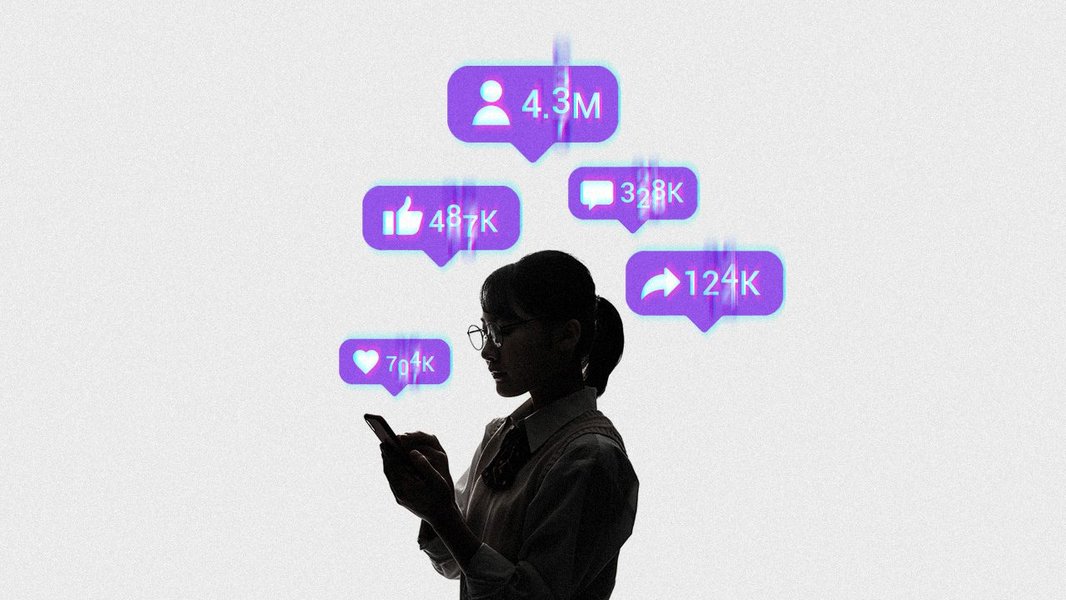
Public figures, especially influencers, navigate ethical responsibilities in their online presence.
Amplifying Voices, Igniting Debates
Leveraging Platforms for Ethical Awareness
Public figures command platforms—news media, social networks, public stages—that enable them to bring attention to ethical issues that might otherwise remain overlooked. Celebrity activism, for instance, can significantly boost awareness and engagement around complex topics like climate change, racial injustice, human rights, and mental health.
The Social Media Megaphone
Social media, in particular, has magnified this effect. A single post or statement from a widely followed individual can disseminate ideas rapidly, mobilize public sentiment, and frame the terms of an ethical debate. They can use their reach to advocate for policy changes grounded in ethical principles or engage directly with controversies, making ethical discussions more accessible and immediate for a broad audience. This amplification can be a powerful force for positive change, driving social movements and encouraging critical reflection on societal values.
Ethical Considerations in Amplification
However, this power carries significant risks. The same platforms can be used, intentionally or inadvertently, to spread misinformation, promote harmful rhetoric, or exhibit behavior that raises ethical concerns. This highlights the ongoing debate about the responsible use of influence and the accountability of public figures in the digital age.
Framing the Narrative: Communication and Moral Authority
Shaping Perceptions Through Words
The way public figures communicate about ethical issues is crucial. Their choice of language, the arguments they present, and the values they emphasize can significantly shape public perception and the framing of ethical debates. Through speeches, interviews, social media posts, and public appearances, they contribute to the ongoing negotiation of cultural and social values related to dignity, respect, fairness, and responsibility.
Because they often possess considerable perceived moral authority or social capital, what public figures endorse or condemn can sway collective moral judgments. They can help the public navigate complex moral landscapes by simplifying issues or providing compelling narratives, though this also opens the door to potential manipulation or the oversimplification of nuanced ethical dilemmas.
Under the Microscope: Accountability, Privacy, and Scrutiny
When Personal Lives Fuel Public Debate
Public figures often find their lives, past and present, subject to intense ethical scrutiny. Debates frequently arise concerning issues of privacy invasion versus the public's right to know, particularly for politicians and officials. Questions emerge about whether public figures should be held to higher moral standards than private citizens and how their personal conduct relates to their public roles.
Incidents involving past actions, such as controversial social media posts, often spark discussions about authenticity, accountability, and the right to evolve or erase one's digital past. A public figure's response to criticism—whether they address issues head-on or attempt to evade them—becomes part of the ethical narrative surrounding their character and integrity. These situations often serve as real-world case studies for broader societal discussions about fairness, forgiveness, and the boundaries of public life.
This video discusses the ongoing debate surrounding the privacy rights of public figures versus the public's right to information, a key ethical tension they navigate.
Influencer Marketing: A Modern Ethical Frontier
The rise of social media influencers has introduced specific ethical challenges. Debates center on transparency in advertising, the need for honest endorsements, and the potential for manipulative practices. Ethical influencer marketing requires clear disclosure of partnerships, responsible content creation, and alignment with moral principles to maintain audience trust. Failures in this area, such as hidden sponsorships or promoting harmful products, fuel broader discussions about consumer rights, digital ethics, and the social responsibilities that accompany online influence. Some "ethical influencers" actively use their platforms to promote sustainable consumption or social causes, further shaping debates around corporate responsibility and individual choices.
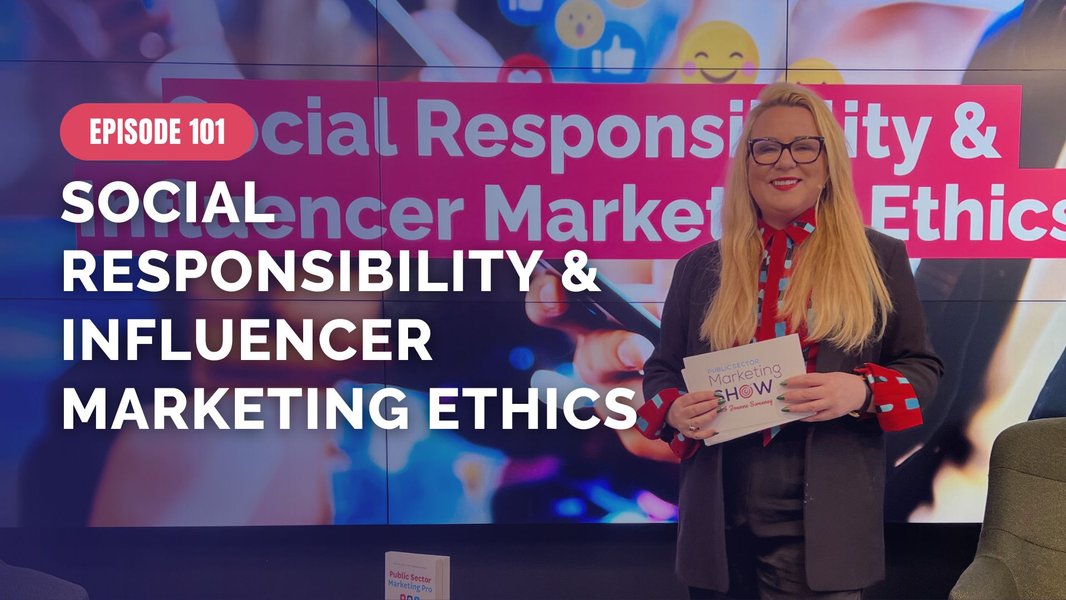
Social responsibility and ethical considerations are increasingly central to influencer marketing.
Navigating the Ethical Maze: A Visual Overview
Mapping the Influence
Public figures impact ethical debates through a complex web of actions and influences. The mindmap below illustrates the primary pathways through which their presence shapes moral discourse, highlighting the interconnected nature of their roles as role models, amplifiers, communicators, and subjects of scrutiny.
Comparing Influence Across Domains
Relative Impact on Different Ethical Areas
Different types of public figures may exert varying degrees of influence on specific areas of ethical debate. The following chart offers a conceptual representation of the perceived relative impact of politicians, celebrities/artists, social media influencers, and activists/intellectuals on ethical discussions related to policy, social justice, consumer behavior, and personal morality. This is an illustrative analysis rather than precise data, reflecting common perceptions of their spheres of influence.
Mechanisms of Influence: A Summary
How Impact Translates into Debate
The table below summarizes the primary ways public figures influence ethical debate, providing examples and potential positive or negative outcomes associated with each mechanism.
| Mechanism of Influence | Description | Examples | Potential Positive Outcomes | Potential Negative Outcomes |
|---|---|---|---|---|
| Role Modeling | Setting behavioral examples through actions and statements. | Demonstrating integrity; Admitting wrongdoing; Championing causes. | Reinforcement of positive values; Inspiration for ethical behavior. | Normalization of unethical conduct; Public disillusionment. |
| Platform Amplification | Using visibility (especially social media) to highlight issues. | Raising awareness for social justice; Promoting environmental consciousness; Engaging in public discourse. | Increased public awareness; Mobilization for change; Wider discussion of ethics. | Spread of misinformation; Polarization; Trivialization of complex issues. |
| Direct Advocacy & Activism | Actively campaigning or speaking out for specific ethical positions or causes. | Endorsing human rights campaigns; Advocating for policy reform; Participating in protests. | Advancement of ethical causes; Increased pressure for accountability. | Potential for hypocrisy if actions don't align; Alienation of some audiences. |
| Framing & Communication | Shaping how ethical issues are understood and discussed through language and narrative. | Speeches on moral values; Interviews discussing ethical dilemmas; Social media posts framing controversies. | Clarification of ethical principles; Making complex issues accessible. | Oversimplification; Manipulation of public opinion; Biased framing. |
| Embodying Ethical Tensions | Personal lives and professional decisions become subjects of public ethical debate. | Scandals involving politicians; Debates over celebrity privacy; Influencer transparency issues. | Clarification of societal standards; Discussion of accountability and fairness. | Invasion of privacy; Focus on personality over substance; Public cynicism. |
| Participation in Formal Debate | Engaging in structured discussions, panels, or forums on ethical topics. | Experts and public figures discussing AI ethics; Participation in ethics bowls or think tanks. | Contribution of diverse perspectives; Development of ethical frameworks. | Potential for biased influence; Reinforcement of existing power structures. |
Frequently Asked Questions (FAQ)
Are public figures held to higher ethical standards?
Often, yes. Society frequently expects public figures to adhere to higher moral standards due to their visibility and influence. Their actions are seen as having broader implications than those of private citizens. This expectation itself becomes a point of ethical debate, particularly concerning fairness, privacy, and the nature of public versus private life.
What happens when public figures have a negative influence?
Negative influence can manifest as promoting harmful ideologies, spreading misinformation, normalizing unethical behavior, or engaging in manipulative practices (e.g., undisclosed advertising). This often sparks public backlash and ethical debate focused on accountability, the responsibility of platforms, and the potential harm caused by their influence. It underscores the risks associated with concentrated public attention.
How has social media changed the way public figures shape ethical debate?
Social media has dramatically increased the speed, reach, and directness of influence. Public figures can communicate instantly with vast audiences, bypassing traditional media gatekeepers. This allows for rapid mobilization and amplification of ethical issues but also increases the potential for misinformation, echo chambers, and intense public scrutiny of past and present actions (e.g., deleting old posts). It has also given rise to influencers as a distinct category of public figures with unique ethical considerations.
Can AI or virtual influencers shape ethical debates?
Yes, the emergence of AI and virtual influencers introduces new ethical dimensions. Debates arise concerning authenticity, transparency (is it clear they aren't human?), the potential reinforcement of unrealistic standards (beauty, lifestyle), and the ethical responsibilities of their creators and the brands using them. Their existence prompts discussions about the nature of influence itself and the ethics of AI in public life.
Recommended
- What are the specific ethical responsibilities expected of social media influencers today?
- Can celebrity activism actually lead to changes in laws or public policy?
- Where is the line drawn between the privacy rights of public figures and the public's right to know?
- What are the major ethical concerns surrounding the rise of AI-generated influencers?
References
Last updated May 5, 2025