
Why Pugs are Great Pets
Discover the charm of pugs as delightful companions
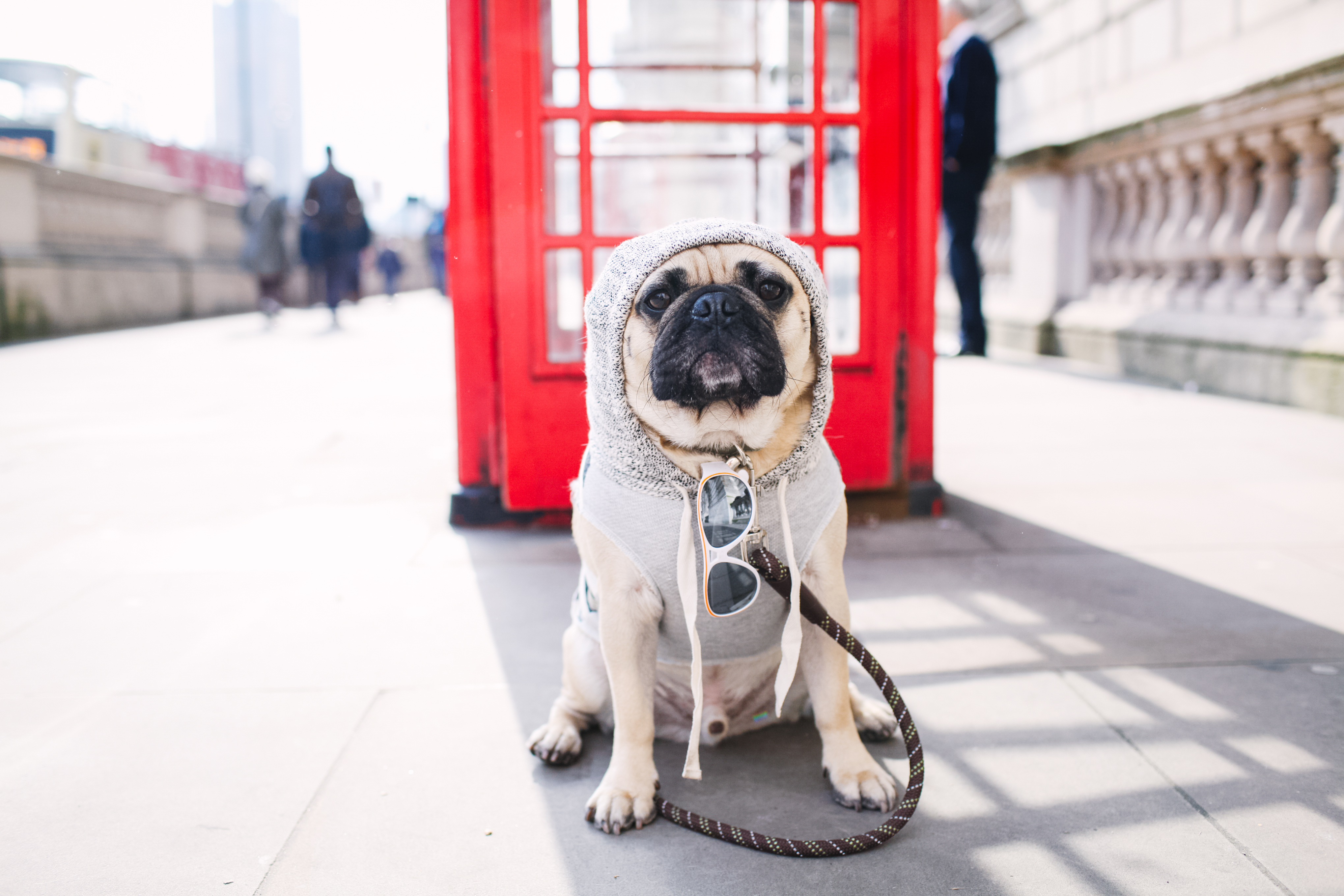
Highlights
- Affectionate Companionship: Pugs form strong bonds with their owners, ensuring constant loyalty and warmth.
- Adaptability and Low-Maintenance: Perfect for various living situations with manageable exercise and grooming requirements.
- Playful and Trainable: Their humorous personalities and eagerness to please make them entertaining and easy to train.
Introduction to Pugs as Pets
When considering a pet that brings not only light-hearted amusement but also a deep sense of loyalty and companionship, pugs emerge as an exceptional choice. Known for their distinctive faces and upbeat attitudes, pugs have captured the hearts of dog lovers across various lifestyles. In this comprehensive exploration, we will delve into the multifaceted reasons why pugs make great pets, examining their temperament, adaptability, social compatibility, low-maintenance needs, and overall trainability.
Personality and Temperament
Affectionate and Loyal
One of the foremost reasons that pugs are cherished as pets is their naturally affectionate disposition. Pugs thrive on human interaction and are known to form strong, enduring bonds with their owners. They exhibit a genuine loyalty and a desire to be physically close to their families, making them excellent companions in households with children, singles, or older adults. Their love of cuddles and hands-on affection sets the stage for a mutually rewarding relationship.
Friendly and Sociable
Pugs are inherently sociable dogs that are comfortable around people and other animals. Their genial temperament allows them to integrate well with children and other pets, making them a versatile choice for families. Despite their playful and sometimes comical antics, pugs are known for their gentle nature, ensuring that interactions with diverse age groups remain harmonious.
Playful and Entertaining
Another striking characteristic of pugs is their playful personality. Their humorous expressions and spirited antics can add joy and laughter to any home. Whether it is their quirky head tilts or mischievous behavior, pugs often act as natural entertainers. Their light-hearted outlook makes them perfect companions for individuals who appreciate humor and spontaneity in daily life.
Adaptability to Living Environments
Ideal for Apartment Living and More
One of the most appealing aspects of pugs is their adaptability to different living conditions. While many dogs need spacious yards or extensive outdoor areas, pugs are well-suited for apartment living and smaller homes. Their moderate exercise needs allow them to maintain a healthy lifestyle with just a few short walks each day, making them an excellent choice for those living in urban environments.
Low Indoor Activity Requirements
The laid-back nature of pugs means they are happy with indoor activities and do not demand constant physical exertion. This quality makes them particularly ideal for busy households or people who enjoy a more relaxed lifestyle. Their contentment indoors also translates into lower energy levels, meaning that even those not inclined to long daily walks can still provide an environment in which the pug can thrive.
Comparison of Exercise Needs
| Dog Breed | Exercise Requirement | Ideal Living Space |
|---|---|---|
| Pug | Low to moderate (a few short walks per day) | Apartment to small home |
| Border Collie | High (multiple hours of physical and mental stimulation) | House with large yard/farm |
| Labrador Retriever | Moderate to high (active lifestyle needed) | House with moderate yard |
The comparison table above highlights how the exercise requirements of pugs differ significantly from those of more active breeds such as Border Collies or Labradors, clearly illustrating their suitability for less active environments.
Maintenance and Health Considerations
Low-Maintenance Grooming Needs
Pugs boast a short, smooth coat that requires minimal daily grooming. While regular brushing helps to remove loose hair and maintain a shiny coat, their overall grooming routine is simpler compared to long-haired breeds. This low-maintenance aspect is particularly attractive for pet owners with limited time or those not interested in extensive grooming tasks.
Moderate Exercise and Health Management
Although pugs are known for having lower exercise needs, it is important to note that they are prone to specific health challenges linked to their brachycephalic (short-nosed) structure. Issues such as breathing difficulties and overheating are relatively common. However, with responsible breeding practices, regular veterinary check-ups, and mindful exercise management, these risks can be mitigated. Owners should take precautions during hot weather and monitor their pug's respiratory health closely.
Longevity and Lifespan
A notable point in favor of adopting pugs is their moderate to long lifespan, often ranging from 12 to 15 years. This longevity provides a prolonged period of companionship, which is particularly beneficial for families seeking a long-term pet relationship. A longer lifespan also means that the emotional and practical bonds between a pug and its owner have the opportunity to deepen over many years.
Trainability and Intelligence
Eagerness to Please and Trainability
Despite their sometimes stubborn streak, pugs are intelligent dogs that are capable of learning and adapting through positive reinforcement techniques. Their willingness to please their owners makes training sessions both effective and enjoyable. The use of rewards such as treats, praise, and playtime can greatly enhance their learning capability. As a result, pugs can be taught a range of commands and tricks, contributing to their overall charm.
Engaging with Human Emotions
Pugs are perceptive animals that have an affinity for picking up on human emotions. Their ability to sense moods makes them empathetic companions, often offering comfort during times of stress or sadness. This intuitive nature differentiates them from many other pets and reinforces their role as loving family members rather than merely pet animals.
Social Compatibility and Family Integration
Great with Children and Other Pets
The gentle and patient temperament of pugs makes them particularly well-suited for households with children. Their sturdy yet small frame means they can participate in family play without posing a risk of accidental harm. Furthermore, pugs typically display a balanced disposition that allows them to get along seamlessly with other pets in the home, whether they are dogs or other animals. This social compatibility is a key factor that ensures a harmonious household environment.
Suitability for Multi-Pet Households
Pugs are generally known for their amiable nature, which extends to their interactions with other pets, even those from different species. Their non-confrontational attitude and friendly rapport make them a desirable addition to multi-pet households. Whether living with other dogs or sharing their home with cats and other small animals, pugs adapt well, thereby enhancing the overall quality of life within the home.
Unique Physical Attributes
Distinctive Appearance
Pugs are instantly recognizable due to their characteristic facial features—short noses, large round eyes, and expressive wrinkles. This distinctive appearance not only contributes to their charm but also makes them a popular subject for photography and social media. Their unique looks often evoke affection and playfulness in onlookers, further endearing them to a broad audience.
Compact Size and Travel-Friendly
The compact stature of pugs makes them excellent travel companions. Their small size allows for ease of transportation whether traveling by car, train, or air. Moreover, their adaptable nature means that they adjust well to new environments, making short trips or extended vacations more feasible for pet owners. This travel-friendly quality is another practical advantage that adds to the appeal of pugs as pets.
Challenges to Consider
Health Considerations Related to Brachycephaly
Although the majority of the characteristics of pugs are endearing, potential pet owners should be aware of issues specifically related to their brachycephalic anatomy. Pugs can suffer from breathing difficulties, particularly in high humidity or hot weather. These health issues necessitate a proactive approach involving regular veterinary consultations, proper training on exercise routines, and environmental awareness to ensure the pug remains comfortable and healthy.
Managing Weight and Activity
Due to their love for both food and sedentary lifestyles, pugs are prone to weight gain if not managed properly. An appropriate diet coupled with regular, moderate exercise is crucial in preventing obesity, which can exacerbate other health issues such as joint problems or respiratory distress. Owners are advised to be diligent with portion control and seek professional advice for maintaining a balanced diet and exercise regimen.
Training Patience
While pugs are intelligent and generally trainable, they can occasionally display stubbornness. Consistency and a positive, patient training approach are essential for overcoming these moments. The reliance on treats, praise, and enjoyable training sessions helps in cultivating the best behavior without causing undue stress for either the dog or the owner.
Practical Considerations for Potential Owners
Daily Care and Routine
Adopting a pug means committing to a daily routine that involves not only exercise and play but also routine grooming and health monitoring. Their low-maintenance grooming needs are offset by the responsibility of closely watching for any signs of respiratory distress or other health issues. Consistent attention and care ensure that the pug remains a happy, healthy member of the family.
Financial and Time Investment
As with any pet, owning a pug requires a certain investment in terms of both time and finances. Veterinary care, including regular check-ups and possible treatments for specific health concerns related to their unique anatomy, can incur costs. Nevertheless, the rewards of long-term companionship and the emotional benefits that pugs provide often outweigh these expenditures.
Suitability Across Lifestyles
Whether you are an active individual looking for a fun-loving companion to share outdoor adventures, a busy professional in need of a comforting presence during quiet evenings, or a family that values the integration of a small, manageable pet, pugs offer a balanced solution. Their adaptable nature allows them to fit into a wide range of lifestyles, making them one of the most universally appealing dog breeds.
Conclusion
In conclusion, pugs represent a unique blend of affectionate temperament, adaptability, and ease of care that makes them outstanding pets for a variety of lifestyles. Their loving nature, combined with their playful and engaging personalities, ensures that they provide both emotional and practical benefits to their owners. Whether it’s their readiness to cuddle, their ability to thrive in an apartment environment, or their gentle interaction with children and other pets, pugs have earned their reputation as delightful companions.
While their charming physical appearance and sociable demeanor add to their appeal, potential owners must also be mindful of the specific health challenges associated with brachycephaly. With responsible care, regular veterinary advice, and a commitment to a healthy routine, these concerns can be effectively managed.
Ultimately, the decision to welcome a pug into your life means embracing a pet that offers unwavering loyalty, heartwarming companionship, and endless moments of joy. Their distinct characteristics, from being playful entertainers to being supportive emotional companions, underscore the reasons why pugs continue to be favored by dog lovers around the world.
References
- Pug Dog Breed Information - AKC
- Pug Pros & Cons - Dogster
- Pug Care - Hill's Pet
- 5 Reasons Pug Might Be Right - Figo Pet Insurance
- Top 10 Benefits Of Having A Pug - Puppies Club
Recommended
Last updated February 27, 2025