
Understanding Efficiency: A Qualitative Perspective
Exploring the Essence of Efficiency in Various Systems
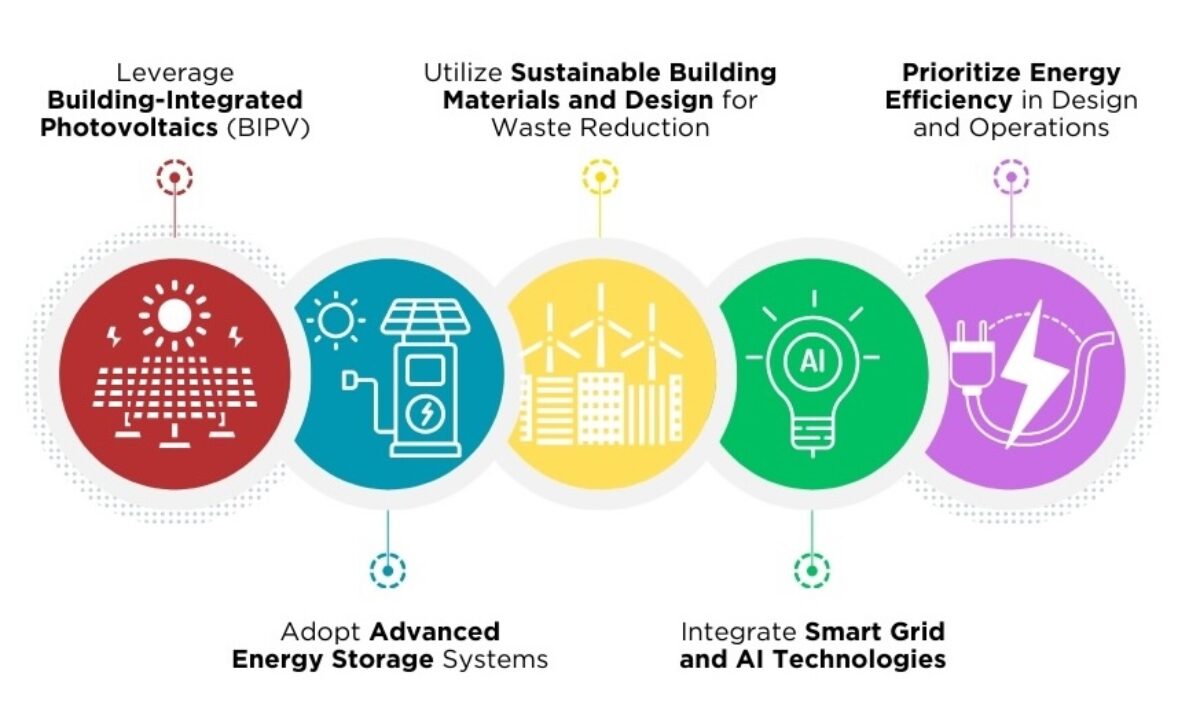
Key Takeaways
- Efficiency is the ratio of useful output to total input.
- It applies across diverse fields, including physics, economics, and engineering.
- Enhancing efficiency leads to reduced waste, cost savings, and environmental benefits.
Introduction to Efficiency
Efficiency is a fundamental concept that plays a pivotal role in numerous disciplines, from engineering and physics to economics and environmental science. At its core, efficiency measures how effectively a system, process, or machine converts input into useful output while minimizing waste. Understanding efficiency is essential for optimizing performance, reducing costs, and promoting sustainability in various applications.
Defining Efficiency
Quantitative Definition
Efficiency is quantitatively defined as the ratio of useful work or energy output to the total input of work or energy, expressed as a percentage. This ratio provides a clear metric to assess how well a system utilizes its inputs to produce desired outputs.
Mathematical Formulas
The efficiency of a system can be calculated using the following formulas:
- Work Efficiency:
Efficiency = (Useful work output / Power input) × 100% - Energy Efficiency:
Efficiency = (Useful energy output / Energy input) × 100%
Qualitative Definition
Qualitatively, efficiency pertains to the ability of a system to achieve its intended purpose with minimal waste of resources. It emphasizes the optimization of processes to ensure that the maximum possible output is obtained from a given set of inputs. High efficiency signifies that a system operates close to its theoretical maximum output, thereby enhancing performance and sustainability.
Core Characteristics of Efficiency
Universal Applicability
Efficiency is a universal metric applicable to various systems, including mechanical devices, electrical circuits, economic models, and biological processes. Its versatility makes it an indispensable tool for evaluating and improving performance across different domains.
Measurement Range
Efficiency is always expressed as a percentage ranging between 0% and 100%. A 100% efficiency implies a perfect conversion of input to output with no losses, which is theoretically unattainable in real-world systems due to inherent inefficiencies such as friction, heat dissipation, and other forms of energy loss.
Identifying Waste and Optimizing Resources
By measuring efficiency, one can identify areas where resources are being wasted. This identification is crucial for implementing strategies to minimize waste, thereby optimizing resource utilization and enhancing overall system performance.
Applications of Efficiency
Engineering and Physics
In engineering and physics, efficiency is critical for designing systems that perform tasks using the least possible energy. For instance, in mechanical engineering, the efficiency of engines and machinery is assessed to ensure they operate effectively while conserving energy.
Economics
In economics, efficiency refers to the optimal allocation of resources to maximize output and minimize costs. Economic efficiency ensures that resources are used where they are most valued, promoting economic growth and sustainability.
Environmental Science
Efficiency has significant environmental implications. Higher efficiency in energy consumption leads to reduced greenhouse gas emissions and lower environmental impact. Sustainable practices often focus on enhancing efficiency to achieve environmental conservation goals.
Practical Examples of Efficiency
Lighting Systems
Consider a light bulb as a practical example of efficiency. Traditional incandescent bulbs convert a significant portion of electrical energy into heat rather than light, resulting in low efficiency. In contrast, LED bulbs offer higher efficiency by producing more light per unit of electrical energy consumed.
Assessing Efficiency Across Different Systems
Comparative Table of Common Systems
| System | Energy Input (Joules) | Useful Output (Joules) | Efficiency (%) |
|---|---|---|---|
| Incandescent Light Bulb | 100 | 10 | 10% |
| LED Light Bulb | 100 | 20 | 20% |
| Electric Motor | 200 | 150 | 75% |
| Electric Heater | 100 | 100 | 100% |
Factors Affecting Efficiency
Energy Losses
Efficiency is often compromised by various forms of energy losses. Common sources include:
-
Friction: Mechanical systems lose energy due to friction between moving parts.
-
Heat Dissipation: Thermal energy is lost to the surroundings, reducing the useful energy output.
-
Sound Generation: In some systems, energy is expended in producing sound, which does not contribute to the desired output.
Design and Technology
The design of a system significantly influences its efficiency. Innovations in materials, engineering techniques, and technology can enhance efficiency by reducing energy losses and optimizing performance.
Operational Practices
How a system is operated also affects its efficiency. Proper maintenance, optimal operating conditions, and minimal overloading can help maintain high efficiency levels.
Enhancing Efficiency
Technological Advancements
Advancements in technology play a critical role in improving efficiency. For example, the development of more efficient engines, renewable energy technologies, and smart systems contribute to higher efficiency across various sectors.
Process Optimization
Optimizing processes involves streamlining operations to reduce waste and improve performance. Techniques such as lean manufacturing, Six Sigma, and continuous improvement methodologies aim to enhance efficiency by eliminating inefficiencies.
Sustainable Practices
Adopting sustainable practices often involves increasing efficiency to conserve resources and minimize environmental impact. Energy-efficient buildings, sustainable agriculture, and waste reduction strategies are examples of how efficiency contributes to sustainability.
Challenges in Achieving High Efficiency
Diminishing Returns
As systems become more efficient, achieving additional efficiency gains becomes increasingly challenging. The cost and complexity of improvements can escalate, leading to diminishing returns.
Technological Limitations
Current technological capabilities can limit the maximum achievable efficiency. Overcoming these limitations often requires significant research, development, and innovation.
Economic Considerations
Improving efficiency often involves initial investments in new technologies or process changes. Balancing these costs against the long-term benefits is a common challenge in efficiency enhancement initiatives.
Conclusion
Efficiency is a central concept that underpins the effectiveness and sustainability of systems across various domains. By understanding and measuring efficiency, individuals and organizations can identify opportunities for improvement, reduce waste, and optimize resource utilization. While achieving high efficiency presents challenges, ongoing advancements in technology and process optimization offer promising avenues for enhancing efficiency in the future.
References
Last updated February 14, 2025