
An In-Depth Overview of Radical Painting
Exploring the History, Techniques, and Impact of a Transformative Art Movement
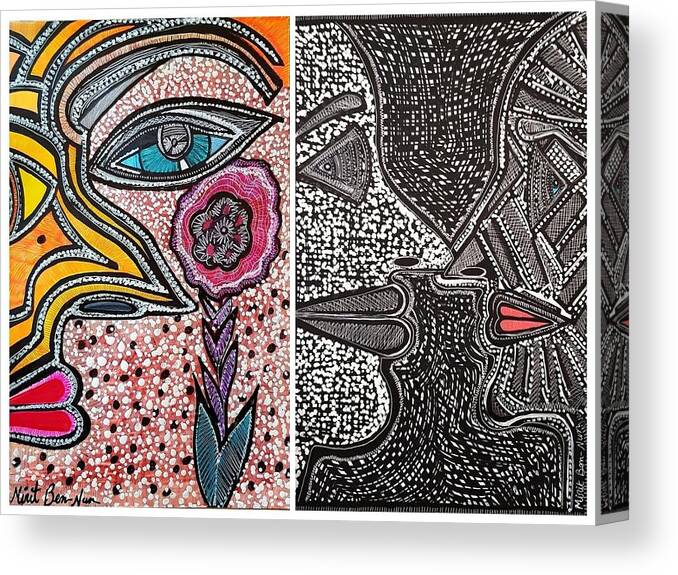
Key Highlights of Radical Painting
- Innovative Techniques and Approaches: Radical Painting challenges traditional techniques, emphasizing experimentation with materials, composition, and the inherent qualities of paint.
- Socio-Political and Aesthetic Critique: This movement not only reshapes artistic practices but also conveys powerful social, political, and cultural messages.
- Historical Evolution and Legacy: Emerging from post-war and postmodern contexts, the movement has evolved through several influential phases while impacting contemporary art discourse.
Historical Context and Evolution
Radical Painting emerged as a transformative force in the art world, defined by its commitment to challenging traditional painting techniques and artistic conventions. Its origins can be traced to multiple historical moments where societal upheaval and cultural shifts prompted artists to reimagine the very nature and process of painting. The movement’s deep roots merge the spirit of post-war experimentation with the intellectual currents of postmodern art. Historically, it can be divided into several phases:
Post-War Experimentation and Early Avant-Garde Movements
After World War II, artists around the globe began questioning the inherited traditions that had once defined art. This period was marked by a desire to break free from established norms, leading to movements like Abstract Expressionism and Informel. These movements prioritized spontaneity, the physical presence of paint, and the violent, gestural act of creation. Artists focused on the immediacy of their work, directly engaging with the medium rather than its representational capacities. They introduced a fresh perspective where the sense of dislocation from pre-war order was mirrored in a radical reinvention of artistic methods.
The 1980s, 1990s, and the Onset of Postmodernist Perspectives
The evolution of Radical Painting took a defined shape during the 1980s and 1990s in Europe and North America. In this era, the influence of Postmodernism played a vital role in questioning the very foundations of painting. Unlike earlier movements that combined narrative elements with abstract form, artists in this phase focused on reducing painting to its fundamental elements: color, surface, structure, and the physical properties of the medium. This led to a focus on monochrome works and self-referential approaches where the painting was about itself—its texture, materiality, and chromatic play. The art formed a dialog with traditions like Minimal Art, Constructivism, and Suprematism but diverged by emphasizing its own sensory impact and conceptual purity.
Radical Painting as a Continuum and Its Legacy
While the peak of this movement might be associated with the latter part of the 20th century, its influence continues to resonate among contemporary artists. The spirit of radical experimentation persists in art practices that seek to interrogate the official narratives of the art world and in the ongoing debate regarding art’s societal role. Today, many contemporary artists draw from the philosophical underpinnings of Radical Painting, mixing traditional perspectives with cutting-edge techniques and media. The legacy of this art movement lies not only in its bold visual language but also in its ability to challenge viewers to reconsider the nature of art itself.
Defining Characteristics and Techniques
Radical Painting is best understood by examining its distinct characteristics and the innovative techniques artists employ. By stripping down art to its essential components, the movement redefines the purpose and process of painting.
Emphasis on Intrinsic Elements of Painting
One of the most fundamental aspects of Radical Painting is the focus on what constitutes a painting at its core—its materiality, surface, and the physical behavior of paint. Rather than using art as a means to convey external narratives or figurative content, radical painters encourage viewers to engage with the medium itself. This school of thought gives importance to:
Material and Texture
Artists use innovative techniques to highlight the tactile qualities of paint. The texture, brush strokes, drips, and layering techniques become the subject of the work, inviting viewers to witness the interplay between light, color, and the physical structure of the canvas.
Monochrome and Minimalist Aesthetics
In many instances, creators of Radical Painting use monochrome palettes. This emphasis on a singular or limited color scheme not only simplifies the visual experience but also encourages the audience to consider the nuances of color intensity, shading, and the subtleties of light. The abstraction derived from minimalist influences pushes the focus toward the conceptual underpinnings of the medium.
Structural Deconstruction
Radical Painting often involves deconstructing conventional forms and structures. Rather than presenting a balanced composition typical of classical art, artists fragment or intentionally disrupt the visual field. This gives the artwork an experimental vitality, inviting debates about the roles of order and chaos in art.
Innovative Techniques and Unconventional Materials
Radical painters pioneer new paths through the direct manipulation of medium and materials. Pushing the boundaries of what is traditionally considered as “painting,” many artists incorporate non-traditional supports and industrial materials to create texture and dimensionality. These techniques include:
| Technique | Description |
|---|---|
| Action Painting | This approach uses dynamic, spontaneous brushwork and gestural techniques to capture the intensity of the creative act, making the process as important as the final work. |
| Drip Painting | Popularized by influential artists, this technique involves dripping and splattering paint onto the canvas, emphasizing fluidity and the unpredictable aspects of the medium. |
| Monochrome Application | Focused largely on a single color or a narrow palette, this technique highlights the subtle variations in tone, texture, and luminosity. |
| Mixed Media Assemblage | By incorporating industrial materials and non-traditional bases, artists challenge the conventional confines of canvas painting, integrating elements of sculpture and installation art. |
These techniques allow radical painters to explore new relationships between medium, surface, and the viewer’s sensory experience. The physicality and spontaneity embodied in these methods underscore the movement’s commitment to innovation and the deconstruction of established artistic parameters.
Philosophical and Ideological Influences
Radical Painting is as much a philosophical stance as it is an aesthetic practice. Artists engaged in this movement harness a set of ideologies that challenge traditional art paradigms, questioning both the institutional frameworks and the culturally entrenched notions of artistic value.
Art as a Medium for Social and Political Commentary
From its inception, Radical Painting has maintained a strong connection to social and political critique. Many artists have used their work as a vehicle for voicing dissent and encouraging socio-political discourse. By subverting established norms, the movement critiques the commercialization and institutionalization of art. This commitment is evident in the ways artists embed explicit—or sometimes implicit—commentaries on:
Cultural Critique
The movement challenges the hierarchical structures of the art world by deconstructing what is considered valuable or canonical in art. The focus on process, materiality, and the visual experience itself enables these artists to position their work as both a creative act and a form of resistance against established aesthetic norms.
Political Engagement
Radical painters often address issues such as political oppression, consumerism, and social injustices. Their artworks are charged with energy and urgency, encouraging audiences to reflect on broader political narratives and question the power structures embedded within society.
Intellectual Foundations and Theoretical Debates
The ideas behind Radical Painting are deeply intertwined with the debates on modernism and postmodernism. The movement’s intellectual underpinnings draw on theories that emphasize the importance of process over narrative and celebrate the intrinsic properties of the medium. Concepts such as self-referential art underscore the idea that a painting can and should be about its own creation, independent of any representational content.
Self-Referentiality
This concept involves an artist’s focus on the aesthetic and material qualities of the painting itself. By drawing attention to its own structure and the process of creation, a Radical Painting defies traditional expectations of symbolism and storytelling, championing the work’s existence as an autonomous entity.
Deconstruction of the Conventional Narrative
Unlike art that is centered around narrative content, Radical Painting encourages the appreciation of abstract elements. Through this, artists dismantle the conventional idea that art must serve as a mirror to reality. The emphasis on abstraction turns the viewer’s attention inward to the experience of the work and its sensory effects.
Influential Artists and Iconic Movements
The evolution of Radical Painting has been marked by numerous influential artists whose innovative techniques and bold ideologies helped shape the movement’s identity. These pioneers and their followers were instrumental in spreading the revolutionary ideas that continue to influence contemporary art.
Early Pioneers and Influential Figures
The post-war period and the later 20th century saw the rise of artists who bridged the gap between traditional and radical methodologies. Leaders in the early experiments turned to gestural and spontaneous approaches, laying the groundwork for what would later evolve into a radical rethinking of painting. These figures challenged the idea that art must strictly replicate reality, focusing instead on personal expression and the emotive power of the material itself.
Action Painting and Drip Techniques
Among the early pioneers, action painting introduced a new modality in which artists like those practicing drip techniques rendered the physicality of the painting process visible. The dynamic and often chaotic application of paint signified a rupture with previously accepted standards, thereby forging a path toward more experimental forms of art.
The Rise of Self-Referential Art
Later, groups and individual artists in the 1980s and 1990s re-energized these radical impulses by insisting that a painting’s value should be evaluated based on its intrinsic properties—its form, surface, and material character. Their works removed external references, insisting on a strict focus on the act of painting itself. This reduced literal storytelling in favor of an immersive sensory experience.
Continuing Legacy in Contemporary Practice
Although the height of the movement was during the late 20th century, its impact remains significant in contemporary art. Modern artists continue to use experimental techniques that challenge the traditional confines of painting. The legacy of Radical Painting is evident in various forms of practice that upend conventional rules, including multimedia installations, digital art explorations, and hybrid forms that blur the boundaries between painting, sculpture, and performance.
Comparative Analysis of Artistic Techniques
To better understand the distinguishing features of Radical Painting, it is useful to compare its core elements with those of traditional painting:
| Aspect | Traditional Painting | Radical Painting |
|---|---|---|
| Subject Matter | Often narrative driven with figurative representations | Focuses on intrinsic aspects like texture, color, and materiality |
| Technique | Sketched compositions with planned brushwork | Spontaneous application, gestural marks, experimental methods |
| Materials | Conventional canvases and pigments | Unconventional supports, mixed media, industrial materials |
| Purpose | Depicting recognizable subjects and narrative content | Exploring the nature of painting, emphasizing sensory and conceptual experiences |
| Artistic Impact | Celebrates traditional craftsmanship and technique | Challenges institutional norms, encourages reinterpretation of art’s function |
This comparison vividly illustrates the divergence between conventional art practices and the radical redefinition pursued by Radical Painting. Whereas traditional painting often aims to depict a story or image, Radical Painting places its emphasis squarely on the medium’s inherent properties and its capacity to disrupt and innovate.
The Role of Radical Painting in Contemporary Discourse
Radical Painting has influenced not only the methods of creating art but also ignited discussions about the role of art in society. Its disruptive ethos has prompted both artists and theorists to reflect on what constitutes art and how art interplays with cultural criticism.
Art and Social Critique
The movement’s inherent drive to break away from norms has empowered artists to question the commercialization of art and the established power structures within the creative community. By emphasizing a return to the fundamental aspects of painting itself, Radical Painting challenges both the consumer expectations and the institutional hierarchies that often dictate what is accepted as “valuable” art.
Empowerment through Materiality
Radical Painting instills a sense of empowerment in both the creators and the viewers. The emphasis on texture, color, and the unique characteristics of the medium invites observers to appreciate the sensory experience without the bias of a pre-determined narrative. This democratization of aesthetic experience opens avenues for a more personal, subjective interpretation of art.
Activism and Artistic Expression
The political and social dimensions of Radical Painting cannot be overlooked. Many artists, influenced by the turbulent socio-political climates, intentionally embed their works with critiques and reflections on contemporary issues. Whether it is through the raw, unfiltered energy of their brushstrokes or the deliberate reduction of aesthetic elements, these artists create spaces for dialogue, urging viewers to reconsider their relationship with the art and the larger societal narratives it interacts with.
Influence on Education and Future Directions
The impact of Radical Painting extends into academic and educational spheres, where its principles are studied as part of courses in modern and contemporary art. The movement’s challenge to orthodoxy provides a rich field for scholarly debate. Educators often use Radical Painting as a case study in:
Interdisciplinary Approaches to Art
Radical Painting encourages the merging of artistic techniques with theoretical inquiry. It underlines the interconnectedness of artistic practice, cultural dynamics, and philosophical ideas. In classrooms, both art theory and practical workshops integrate these approaches, promoting a holistic understanding of the evolution of visual culture.
Future Innovations
As new materials and technologies continue to emerge, the future of Radical Painting is likely to involve even more interdisciplinary dialogue. Digital media, interactive installations, and virtual reality art forms build upon the movement’s foundation, extending its legacy while paving the way for novel forms of aesthetic expression. The quest to redefine painting’s limits is an enduring one, suggesting that future artistic endeavors may continue to draw inspiration from the radical reimaginations of earlier generations.
Conclusion and Final Thoughts
Radical Painting stands as a pivotal movement in the evolution of modern and contemporary art. By steadfastly challenging traditional norms and emphasizing a return to the intrinsic properties of the medium, this art form has redefined what painting can be. From its origins in post-war gestural expression to its more recent iterations in the context of postmodern theory, Radical Painting has continuously pushed the boundaries of aesthetics, technique, and conceptual thought.
Embracing unconventional techniques, innovative materials, and a firm ideological commitment to social and political critique, Radical Painting not only questions the foundations of traditional art but also inspires future generations to explore beyond the standard conventions. Whether through the raw energy of gestural marks or the contemplative focus on materiality and color, this movement offers a powerful commentary on how art can serve as both an introspective experience and a catalyst for broader societal change.
In conclusion, Radical Painting remains a testament to the dynamic interplay between artistic innovation and intellectual inquiry. Its contributions continue to shape visual culture by fostering an environment where experimentation is celebrated and the boundaries of painting are ever-pushed. By challenging viewers to reconsider their assumptions about art’s function and value, Radical Painting reaffirms the enduring power of creative expression as a means of both personal and cultural transformation.
References
- Action Painting: Overview, Movements, Techniques, and Notable Artists - Miguel Camarena
- 20 Iconic Art Movements That Shaped the World of Creativity - Rarest.org
- Impressionism: Radical Break From Traditional Techniques and Academic Painting - EuDocs
- The Most Famous Art Movements and Styles - Artland Magazine
- Radical Painting - Ketterer Kunst
- How Jacob Lawrence Painted a Radical History of Struggle - Smithsonian Magazine
- How Two Radical Painters Forged a New Reality in Art - Medium
- Radical Painting Group - WikiArt
Recommended Further Inquiries
Last updated February 19, 2025