
The Art of Self-Portraiture: Exploring Your Identity Through Creative Expression
A comprehensive guide to creating stunning self-portraits through various techniques and mediums
Essential Self-Portrait Creation Insights
- Proper setup is crucial - Positioning your mirror, lighting, and workspace correctly forms the foundation of a successful self-portrait
- Understanding facial proportions - Knowledge of basic facial anatomy significantly improves the realism and accuracy of your self-portrait
- Expression conveys personality - The angle, pose, and emotional expression you choose dramatically affects how your identity is portrayed
Setting Up Your Self-Portrait Workspace
Creating a self-portrait begins with proper preparation. Whether you're drawing, painting, or photographing yourself, the setup of your workspace significantly impacts the final result.
Essential Equipment and Space Preparation
Start by clearing your workspace of clutter and distractions. Position your drawing surface near-vertically, ideally on an easel, to prevent perspective distortion. Place a mirror directly in front of you at eye level, ensuring you can clearly see your reflection without straining. Alternatively, you can use a reference photograph, particularly helpful for longer sessions.
Lighting Considerations
Lighting dramatically affects how your features appear. For drawing or painting, position a light source at approximately a 45-degree angle to create interesting shadows and highlights that add dimension to your face. Avoid flat, direct lighting that eliminates shadows, as this makes features harder to distinguish. For photography, experiment with directional lighting to create mood and emphasize facial structure.
Materials Checklist
Gather all necessary supplies before beginning:
- Drawing/painting surface (paper, canvas, etc.)
- Drawing tools (pencils, charcoal, pens)
- Erasers and blending tools
- Paint and brushes (if painting)
- Mirror or reference photo
- Adequate lighting
- Camera (for photographic self-portraits)
Fundamental Techniques for Self-Portrait Drawing
Whether you're a beginner or experienced artist, following a structured approach helps create a successful self-portrait.
Beginning with Basic Shapes
Start with light, gestural lines to establish the basic proportions of your face. Draw an oval for the head and add guidelines to mark the positions of key features. The centerline divides your face vertically, while horizontal lines indicate the positions of eyes, nose, and mouth. Remember that eyes typically fall at the halfway point of the head, and the distance between eyes equals roughly one eye width.
Developing Facial Features
Once your basic structure is established, begin refining each feature. Work from general to specific, gradually adding details. Pay special attention to the eyes, which often convey the most expression and personality. Observe how your features connect and relate to each other rather than drawing them in isolation.
Adding Dimension Through Shading
Shading creates the illusion of three-dimensionality. Identify the light source and observe where shadows fall on your face. Develop a range of values from light to dark, gradually building up tone. Pay attention to core shadows (the darkest part of a shadow) and reflected light (subtle brightness in shadow areas caused by nearby surfaces reflecting light).
Capturing Your Likeness
The most challenging aspect of self-portraiture is accurately capturing your likeness. Focus on identifying your distinctive features—the shape of your eyes, the curve of your lips, the contour of your nose. Often, it's these subtle details that make a portrait recognizable.
Mixed Media Self-Portrait Methods
| Medium | Techniques | Best For | Tips |
|---|---|---|---|
| Graphite Pencil | Layering, cross-hatching, blending | Detailed, realistic portraits | Use a range of pencil hardness (2H-6B) for varied tones |
| Charcoal | Smudging, erasing for highlights | Dramatic, high-contrast portraits | Work from dark to light; use kneaded erasers for highlights |
| Watercolor | Wet-on-wet, glazing, dry brush | Soft, atmospheric portraits | Work light to dark; preserve white areas |
| Gouache | Layering, dry brush, opaque coverage | Vibrant, matte finish portraits | Use lighter colors for highlights, darker for shadows |
| Digital | Layering, blending, filters | Easily correctable, versatile portraits | Create separate layers for features and shading |
Combining multiple media can create dynamic, interesting self-portraits. For example, you might start with a watercolor base and add details with colored pencils or ink. This approach allows you to leverage the strengths of different materials while mitigating their limitations.
Self-Portrait Photography Techniques
Photography offers another powerful medium for self-portraiture, allowing for creative expression through composition, lighting, and digital manipulation.
Camera Setup for Self-Portraits
Position your camera on a stable tripod and use a remote shutter release or timer function to trigger the camera. If your camera has Wi-Fi capabilities, consider using a smartphone app to control it remotely, allowing you to see the composition before taking the shot. For focusing, either use manual focus with a stand-in object or utilize face-detection autofocus if available.
Creative Composition Ideas
Experiment with different angles and framing to create unique self-portraits. Try shooting from slightly above to emphasize your eyes, or from below for a more powerful stance. Consider incorporating reflections in mirrors or windows, or use props and environments that tell a story about your personality and interests.
Lighting for Impact
Lighting dramatically affects the mood and impact of your self-portrait. Try side lighting for dramatic shadows that emphasize facial structure, Rembrandt lighting (light at 45° angle above face creating a triangle of light on the cheek) for a classic look, or backlighting for a silhouette effect. Window light provides beautiful, soft illumination ideal for flattering portraits.
Self-Portrait Artistic Approach Comparison
This radar chart compares different self-portrait mediums across seven key dimensions. Notice how each approach has distinct strengths and challenges. Photography excels in realism and ease of correction but may require expensive equipment. Traditional mediums like oil painting offer superior emotional expression but demand more technical skill and time investment. Digital art balances many factors while offering unparalleled flexibility for corrections and experimentation.
Self-Portrait Conceptual Framework
Beyond technique, creating a meaningful self-portrait involves conceptual planning. This mindmap illustrates the key considerations when approaching a self-portrait project, helping you navigate the choices from concept to execution.
This mindmap outlines the key decisions and considerations when creating a self-portrait. Each branch represents a different aspect of the creative process, from conceptual planning to technical execution. By consciously considering these elements, you can create a self-portrait that goes beyond mere resemblance to convey deeper meaning and personal expression.
Self-Portrait Photography Video Tutorial
This excellent tutorial by Brandi Nicole provides in-depth guidance on creating professional-quality self-portraits using photography. She covers everything from camera setup to creative composition ideas, making it perfect for beginners and intermediate photographers alike.
This comprehensive guide takes you through practical steps for setting up your camera, finding the right angles, working with available light, and posing effectively. The techniques demonstrated can be adapted for various styles from formal portraits to creative conceptual images.
Visual Inspiration Gallery
Examining diverse approaches to self-portraiture can inspire your own creative process. These images showcase different styles and techniques that artists have used to represent themselves.
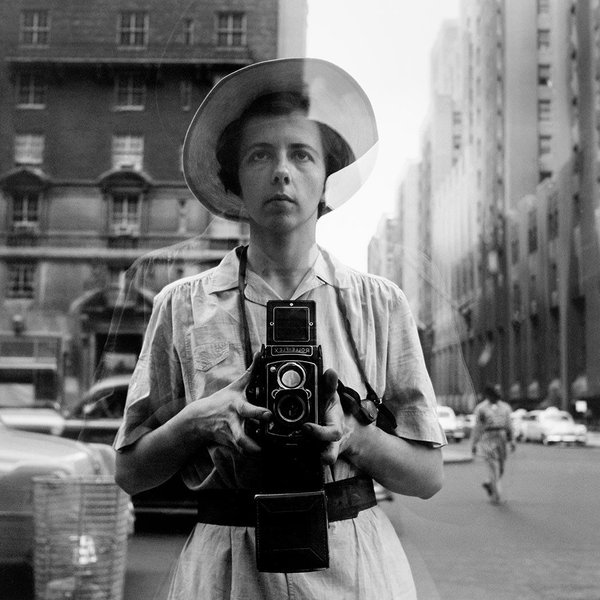
Vivian Maier's self-portrait demonstrates how reflections and shadows can create compositional interest.
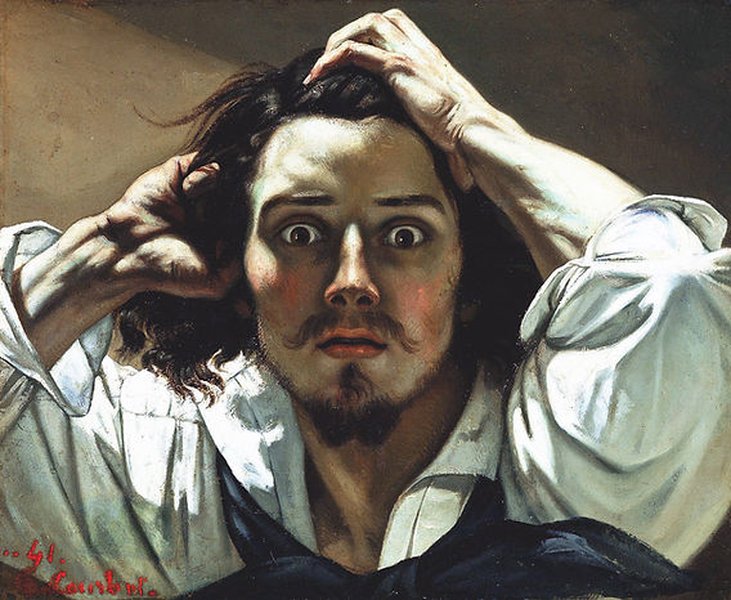
Traditional self-portrait paintings often utilize dramatic lighting to create mood and emphasize facial structure.
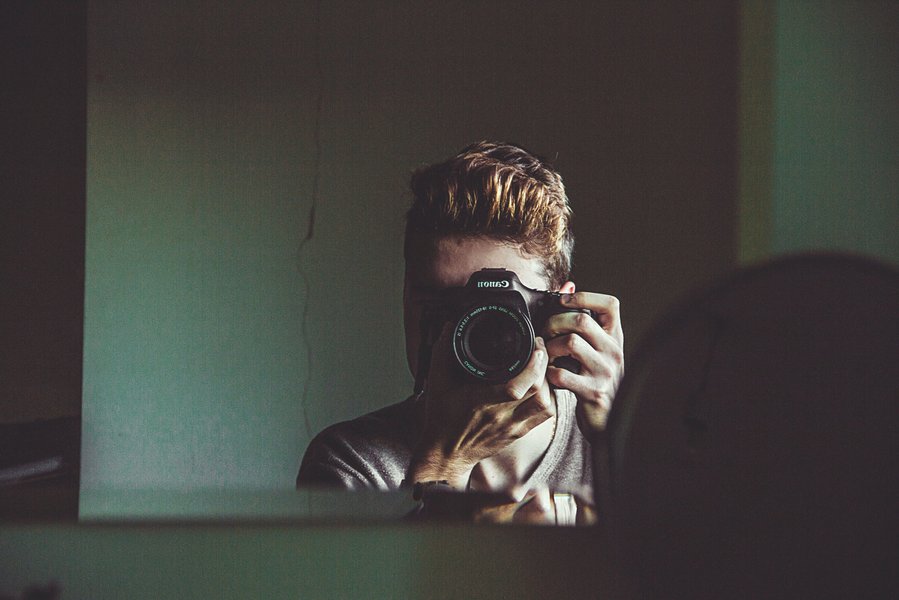
Contemporary self-portrait photography often incorporates conceptual elements and creative compositions.
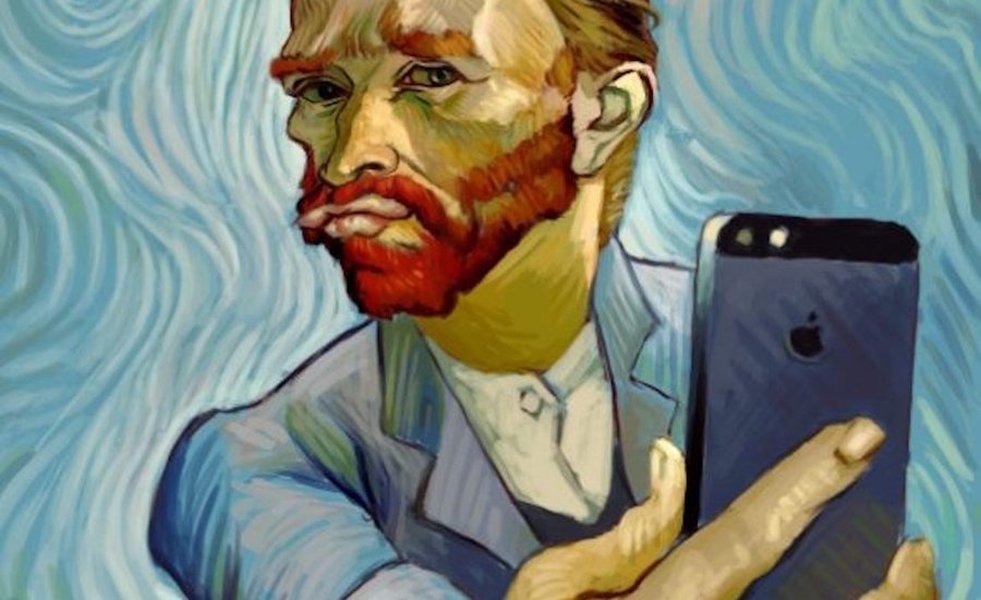
Modern self-portraits often blend traditional techniques with contemporary concepts, pushing boundaries of representation.
Study these diverse approaches to self-portraiture for inspiration. Notice how each artist makes distinct choices regarding composition, lighting, expression, and symbolism. Consider how you might incorporate some of these elements into your own self-portrait while maintaining your unique perspective.
Frequently Asked Questions
References
- How to Draw a Self-Portrait - wikiHow
- How to Draw a Self-Portrait - Arteza
- How to Draw a Self-Portrait - Milan Art Institute
- Mixed Media Self-Portrait Tutorial - The Pigeon Letters
- Tips for Creative Self-Portraits - New York Institute of Photography
- 10 Creative Self-Portrait Techniques - Canva
- How to Draw a Self-Portrait - What A Portrait
Recommended Explorations
 photo.stackexchange.com
Last updated April 4, 2025