
Long-Term Effects of Remittances on Climate-Affected Communities
Exploring economic, social, and environmental impacts in a changing climate
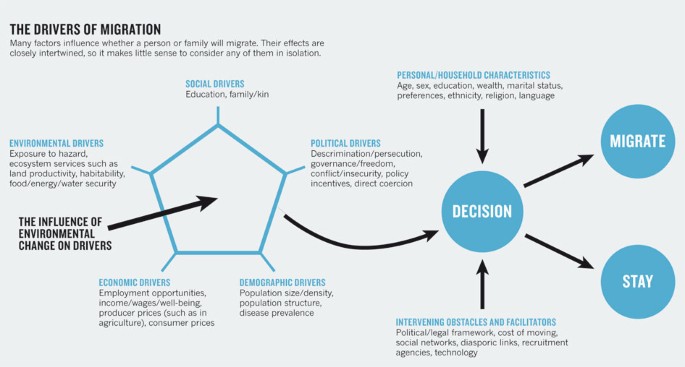
Remittances, the funds sent by migrants to their home countries, have emerged as a significant financial lifeline in many developing regions facing the stark challenges of climate change. These financial flows not only stabilize household incomes but also influence long-term adaptation strategies, community resilience, and sustainable development. In this discussion, we synthesize a range of ideas and research findings surrounding the intricate dynamics that connect remittances with the ability of communities to cope with and adapt to climate-related risks.
Key Takeaways
- Economic Stability and Climate Resilience: Remittances provide essential financial support that fortifies households against climate shocks and allows investments in adaptation technologies.
- Facilitation of Adaptation Practices: The funds assist in developing climate-resilient infrastructure and sustainable agricultural practices, transforming local economies.
- Challenges and Dependence Risks: Over-reliance on remittances can lead to vulnerabilities, and unintended environmental consequences may occur if these funds promote unsustainable practices.
Economic Impacts and Stability
Financial Cushion and Income Diversification
For many families residing in regions prone to climate disruptions, remittances act as a critical financial safety net. These funds help stabilize household incomes, reducing susceptibility to shocks such as droughts, floods, and heatwaves. With additional capital on hand, households can diversify income sources, invest in productivity-enhancing assets, and manage the uncertainties that climate change introduces into traditional livelihoods.
Mechanisms of Economic Stabilization
Remittances allow households to cover essential expenses, smooth consumption patterns during adverse weather events, and invest in risk-mitigating infrastructure. For instance, families might invest in improved storage facilities or adopt new, climate-resilient agricultural methods. Over time, such investments enhance the overall resilience of community economies.
Adaptation Strategies Supported by Remittances
Infrastructure Investment and Technological Adoption
Long-term adaptation to climate change involves more than providing short-term relief. Remittances often enable households to make strategic investments that gradually build community resilience:
Investing in Climate-Resilient Infrastructure
Funds received through remittances may be allocated toward constructing robust infrastructure such as flood defenses, improved irrigation systems, and climate-resilient housing. For example, investments in solar-powered water pumps not only support sustainable water supply but also reduce reliance on fossil fuels in rural communities.
Encouraging the Adoption of Eco-Friendly Practices
Beyond structural investments, remittances encourage the uptake of eco-friendly technologies. In regions increasingly prone to environmental stresses, farmers might invest in sustainable agricultural equipment, improved irrigation methods, and diversified cropping systems. These investments can reduce environmental degradation and promote sustainable land use.
Supporting Social Capital and Knowledge Exchange
Migrant communities often serve as conduits for social learning. As migrants experience new forms of adaptation and sustainable practices abroad, they transfer valuable skills and knowledge back to their communities. These transfers of expertise bolster local capacities in managing climate risks. This social capital, in conjunction with remittance incomes, nurtures a community culture that is both resilient and adaptable.
Environmental Impacts and Concerns
Balancing Immediate Financial Gains with Long-Term Environmental Health
While remittances can enable rapid adaptation and infrastructural investments, they are not without potential environmental pitfalls. The relationship between remittances and environmental quality can be complex:
Potential Negative Outcomes
Increased disposable income might spur higher consumption levels that, in turn, lead to unsustainable practices. In certain regions—such as parts of Sub-Saharan Africa—there is evidence that remittance inflows might inadvertently contribute to environmental degradation over the long run. This can occur if increased purchasing power drives demand for environmentally intensive goods or leads to poorly planned urban expansion, thereby affecting local ecosystems.
Mitigating Environmental Risks
To ensure that remittances promote sustainable development, it is essential to implement complementary policies. Governments and community organizations can work together to channel remittances into green projects, incentivizing investments in renewable energy, sustainable agriculture, and conservation efforts. These measures reduce the likelihood of negative environmental impacts while bolstering climate resilience.
Non-Linear Effects and Contextual Dependencies
The impacts of remittances on environmental quality and climate adaptation are not uniformly positive or negative; rather, they are contingent on a variety of factors such as the volume of remittances, frequency of flows, and the local institutional environment. In some cases, initial investments funded by remittances might increase vulnerability temporarily before contributing to longer-term resilience.
Challenges of Dependency and Over-Reliance
Economic Dependency and Vulnerability Risks
While remittances are often viewed as a straightforward solution for economic instability, an over-reliance on these funds can be detrimental. Communities that become too dependent on remittance inflows may find themselves vulnerable if those financial flows are disrupted. For example, if global economic conditions change or if migrants face financial hardships themselves, the subsequent decline in remittance flows could destabilize households and slow down adaptation initiatives.
Social and Economic Implications
Excessive dependency on remittances can also potentially weaken local institutions by reducing the impetus for governments to pursue robust economic reforms and sustainable development programs. Such dependencies may inadvertently curtail the evolution of self-sufficient local economies capable of withstanding future climate impacts.
Innovative Mechanisms and Institutional Interventions
Harnessing Remittances through Technology and Strategic Partnerships
Innovations in financial technology and strategic institutional partnerships have begun to transform how remittances are used in climate adaptation. Mobile money platforms have simplified the transfer process, cutting down costs and encouraging the productive use of funds. This technology not only speeds up transactions but also provides a gateway for microloans and other financial services tailored to green or sustainable business initiatives.
Diaspora Bonds and Community Funds
One notable innovation is the development of diaspora bonds and the establishment of community funds. These financial instruments allow diaspora communities to collectively invest in large-scale climate adaptation projects, thereby maximizing the impact of remittance flows. Such partnerships can synergize the financial contributions of individuals with governmental and non-governmental resources, providing a more coordinated approach to climate resilience.
Table: Comparative Overview of Long-Term Effects
| Impact Area | Positive Outcomes | Potential Risks |
|---|---|---|
| Economic Stability |
|
|
| Adaptation and Infrastructure |
|
|
| Social and Environmental Quality |
|
|
Interplay of Policies and Local Contexts
The Role of Government and International Organizations
Government policies and strategic interventions can greatly enhance the positive effects of remittances while mitigating risks. By integrating remittance flows into broader economic and climate adaptation policies, governments can stimulate local development, invest in sustainable infrastructure, and implement environmental protection strategies. International organizations also offer frameworks and financial support to optimize the deployment of remittances in climate-affected regions.
Collaborative Strategies
Partnerships among diaspora communities, local governments, and international bodies have led to innovative solutions such as community funds and green remittance instruments. Such collaborations streamline the use of remittances to finance renewable energy projects, efficient water resource management systems, and eco-friendly urban planning. These initiatives help create a structured framework that encapsulates both economic and environmental imperatives.
Capacity Building and Community Resilience
In the context of climate change, capacity building emerges as a critical theme. The effective utilization of remittances often goes hand in hand with capacity building exercises aimed at improving local governance, promoting technical education, and fostering innovation in sustainable practices. As communities mature in their use of remittances, they tend to invest more in long-term resilience measures that reduce exposure to climate hazards.
Integrated Approaches and Future Outlook
Synergizing Financial Inflows and Sustainable Development
Long-term effects of remittances are best understood when seen through an integrated lens. Rather than acting as isolated sources of income, remittances are part of a larger web that includes technology adoption, capacity building, and policy support systems aimed at long-term climate adaptation. In this integrated approach, every dollar transferred not only sustains households in the present but also acts as a catalyst for broader socio-economic transformation and environmental sustainability.
Adaptive Funding and Future Investments
Looking ahead, remittance flows could be strategically harnessed to further enhance adaptive capacity in climate-affected regions. For instance, emerging trends such as digital remittance corridors and blockchain-based transparency measures may ensure that funds are directed efficiently towards projects that yield measurable improvements in local resilience. Researchers continue to explore how adaptive use of remittances can generate a multiplier effect—whereby successful investments encourage further economic activity and better prepared communities.
It is clear that the long-term impact of remittances on climate-affected communities is multifaceted. They provide immediate economic relief while also building the necessary foundation for sustainable development and environmental resilience. However, ensuring that remittances lead to holistic and beneficial outcomes requires informed policymaking, supportive institutions, and a collective commitment to sustain environmental health alongside economic growth.
References
- Remittances as a Game Changer for Climate Change Adaptation Financing - Springer
- 14 Reasons Why Remittances Are Important - IFAD
-
Navigating the Impact of Remittances on Environmental Quality in Africa - ScienceDirect
- How Remittances and Migrant Networks Can Help Mitigate Climate Disasters - ODI
-
Can Remittances Contribute to Financing Climate Actions in Developing Economies - PMC
Recommended Related Queries
Last updated March 15, 2025