
Reviving Your Rusty Garden Tools: A Comprehensive Guide to Rust Removal and Prevention
Bring your beloved garden tools back to life and ensure their longevity with these effective methods.
Key Insights for Rust Removal
- Vinegar-based solutions are highly effective for rust removal, especially when combined with salt or baking soda, offering a non-toxic approach for various tools.
- For tougher rust or larger areas, commercial rust removers and power tools like wire brushes or angle grinders provide powerful alternatives, ensuring thorough restoration.
- Prevention is paramount: routine cleaning, drying, and oiling after each use, coupled with proper storage in low-humidity environments, significantly extends tool lifespan and minimizes rust formation.
Rust is a common adversary for garden tools, often appearing as a reddish-brown flaky coating when iron or steel is exposed to oxygen and moisture. While it might seem like a death sentence for your trusty trowel or pruning shears, it's often a reversible problem. Neglecting rust can lead to degraded integrity, reduced functionality, and even potential safety hazards. Fortunately, a variety of methods, ranging from simple household remedies to specialized products and tools, can effectively remove rust and restore your garden equipment. This guide will delve into these methods, offering practical advice on how to bring your tools back to their former glory and, more importantly, how to prevent rust from returning.
Understanding Rust and Its Impact on Tools
Rust, chemically known as iron oxide, forms through a process called oxidation. This occurs when iron or alloys containing iron (like steel, commonly found in garden tools) react with oxygen in the presence of water or moisture. The reddish-brown flakes indicate the breakdown of the metal, which, if left unchecked, can lead to significant structural damage, making tools less effective, harder to use, and eventually unusable. Addressing rust promptly is crucial for maintaining the functionality, safety, and longevity of your garden tools.
Effective Rust Removal Techniques
Removing rust can be approached with various techniques, depending on the severity of the rust and the type of tool. From simple household items to specialized commercial products and power tools, there's a solution for almost every rust problem.
Household Remedies: Simple and Accessible
Many common household items contain properties that can effectively break down rust. These methods are often preferred for their cost-effectiveness and non-toxic nature, making them ideal for garden tools that come into contact with plants and soil.
The Power of Vinegar
White vinegar is arguably the most popular and effective household solution for rust removal. Its acidic nature helps to dissolve rust, making it easy to scrub away. For best results, fully submerge your rusty tools in a container filled with white vinegar. The soaking time can vary from 12 to 24 hours, or even longer for heavily rusted items. Some recommend a 50/50 mixture of vinegar and water, while others suggest adding salt (approximately 4 tablespoons per two bottles of vinegar) to enhance its efficacy. After soaking, use a wire brush, steel wool, or even a crumpled piece of tin foil to scrub off the loosened rust. Rinse the tools thoroughly with soapy water and then clean water, ensuring all residues are removed before drying completely.
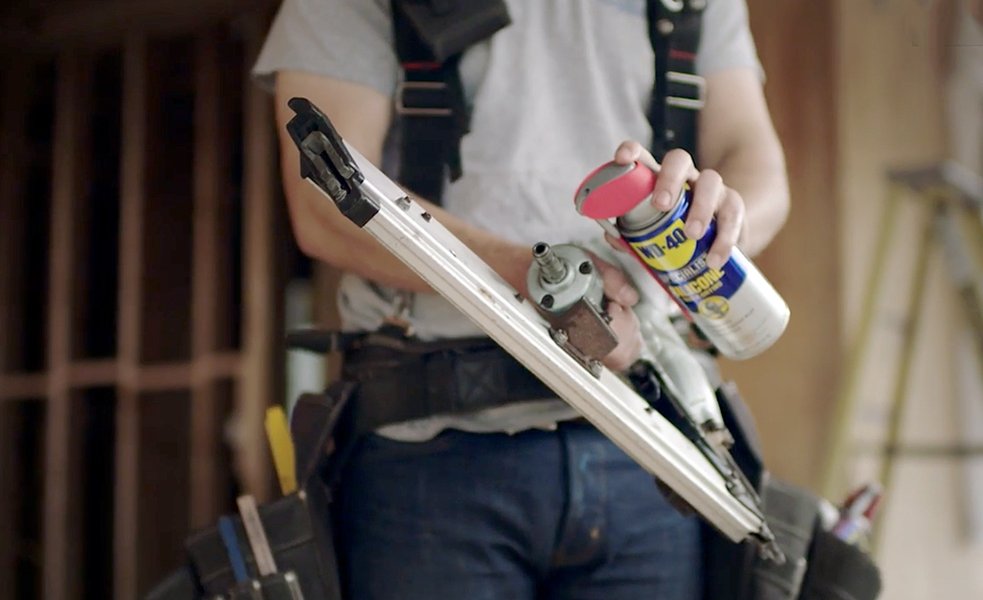
Scrubbing rust off garden tools after soaking in vinegar.
Baking Soda and Lemon Juice Paste
Baking soda, a mild abrasive, can be combined with water or lemon juice to form a paste that effectively removes rust without damaging the metal. A one-to-one ratio of baking soda to water typically works well. For tougher stains, a mix of baking soda and lemon juice can be more potent due to the citric acid in lemon. Apply the paste to the rusted areas, let it sit for a few hours, then scrub with a cloth or toothbrush. Rinse and dry thoroughly.
Cola and Potato Methods
Surprisingly, cola and potatoes can also be used for rust removal. Coca-Cola contains phosphoric acid, which reacts with rust. Submerging tools in cola for an hour or pouring it directly on rusted areas, followed by scrubbing with a bristle brush, can yield results. Raw potatoes contain oxalic acid; slicing a potato in half and sprinkling salt on the exposed surface, then rubbing it on the rust, can help lift the corrosion.
Commercial Products and Advanced Solutions
For more stubborn rust or when household remedies aren't sufficient, commercial rust removers and specialized tools can provide more aggressive and efficient solutions.
Dedicated Rust Remover Soaks
Products like Evapo-Rust and WD-40 Specialist Rust Remover Soak are highly praised for their effectiveness. These solutions are often non-toxic, biodegradable, and designed to dissolve rust without the need for extensive scrubbing. Simply immerse the rusted item completely in the solution. These products work through a chemical process (like selective chelation for Evapo-Rust) that separates the rust from the metal. Soaking times can vary, but many allow for overnight immersion for best results. After soaking, rinse and dry the tools thoroughly.
Mechanical Rust Removal with Power Tools
For heavily rusted tools or larger surfaces, power tools can significantly reduce the effort required. A drill with a wire brush attachment or a 4.5-inch angle grinder with a cup-shaped wire brush are effective options. Sandpaper, especially when attached to a pneumatic random-orbit sander, also works well for surface rust on flat areas. These methods are best for removing thick layers of rust and preparing the surface for further treatment or painting. Always wear appropriate safety gear, including eye protection and gloves, when using power tools for rust removal.
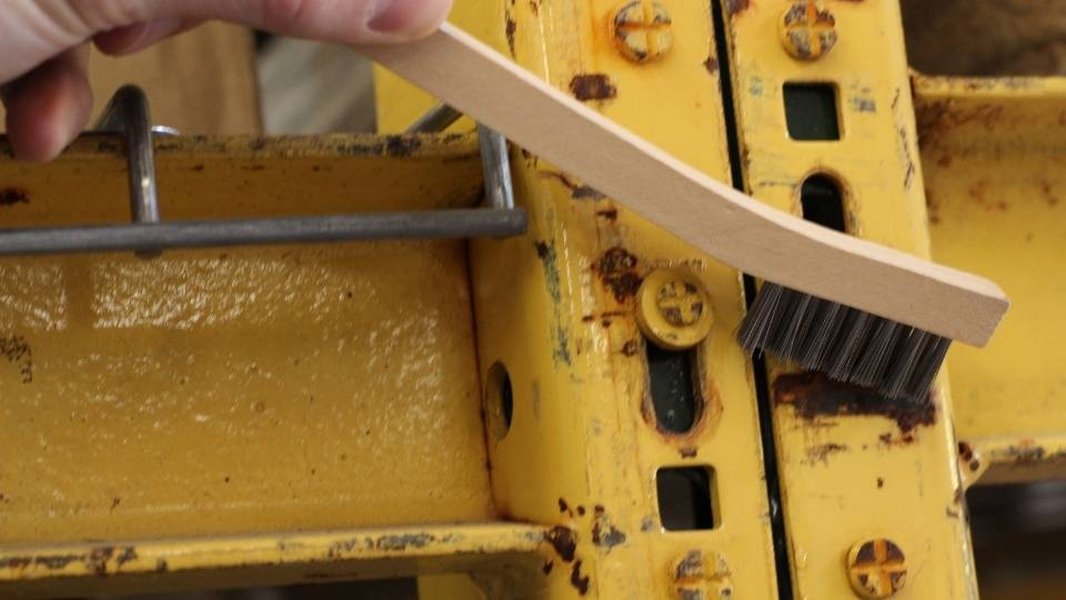
A wire brush, effective for tougher rust.
The Restoration Process: Beyond Rust Removal
Removing rust is only the first step. Proper post-treatment and maintenance are crucial to prevent rust from recurring and to extend the life of your tools.
Cleaning and Neutralization
After rust removal, it's vital to thoroughly clean the tools. If you used an acidic solution like vinegar, a baking soda and water bath (about 1/3 baking soda to 2/3 water for 15 minutes) can neutralize any residual acid, preventing further corrosion. Rinse the tools in clean water and dry them completely to prevent flash rusting.
Sharpening and Lubrication
Once clean and dry, sharpen any bladed tools like pruners, loppers, or shovels. Sharp tools not only work more efficiently but also reduce the damage that can lead to rust. Finally, apply a thin layer of lubricant such as mineral oil, linseed oil, or WD-40 to all metal surfaces. This creates a protective barrier against moisture and oxygen, deterring future rust formation.
Comparative Analysis of Rust Removal Methods
To help you choose the best method for your specific needs, here's a comparative analysis of the various rust removal techniques, highlighting their strengths and ideal applications.
This radar chart illustrates the comparative effectiveness and characteristics of different rust removal methods.
The radar chart provides a visual comparison of these methods across key criteria. While household remedies like vinegar and baking soda excel in cost-effectiveness and safety, commercial removers offer superior performance on heavy rust. Power tools provide unmatched speed for aggressive rust removal but come with higher cost and safety considerations. The choice ultimately depends on the extent of the rust, available resources, and personal preference.
A Practical Demonstration: Restoring Rusty Pruning Shears
One of the most effective ways to understand the rust removal process is to see it in action. The following video offers a visual guide on how to clean rusty pruners using vinegar, a widely recommended method for its simplicity and effectiveness. This video demonstrates the practical application of soaking and scrubbing to achieve excellent results.
This video provides a step-by-step demonstration of cleaning rusty pruning shears using vinegar.
The video underscores the value of using readily available household items for tool maintenance. It highlights that even severely rusted tools can be revitalized with a simple soak and a bit of elbow grease, proving that you don't always need specialized chemicals to get the job done. This approach is particularly appealing for gardeners who prefer environmentally friendly and cost-effective solutions.
Preventing Rust: The Best Defense
While rust removal is important, preventing rust in the first place is the most effective way to maintain your garden tools. Rust prevention saves time, effort, and extends the lifespan of your equipment considerably.
Routine Cleaning and Drying
The simplest yet most crucial step in rust prevention is cleaning your tools after every use. Wipe off any dirt, sap, or plant residue with a clean cloth, water, and perhaps a bit of dish soap or pine sol. Immediately after cleaning, thoroughly dry your tools. Moisture is the primary catalyst for rust, so ensuring tools are completely dry before storage is paramount.
Proper Storage Conditions
Store your tools in a dry environment with low humidity. A shed, garage, or basement that protects them from the elements is ideal. If your storage area is naturally humid, consider using dehumidifiers or storing tools in plastic tubs to provide an extra layer of protection. Some gardeners even store tools with their blades down in a bucket of sand mixed with mineral spirits, which helps to clean and oil them simultaneously.
Lubrication and Maintenance
Regularly apply a protective coating to metal parts. Mineral oil, tung oil, linseed oil, or even WD-40 can create a barrier against moisture. For tools with moving parts like pruning shears, a few drops of oil can ensure smooth operation and prevent rust in intricate areas. Sharpening blades periodically also helps, as smooth surfaces are less prone to rust accumulation.
Summary of Rust Removal and Prevention Strategies
Here's a concise overview of the key strategies for both removing existing rust and preventing future corrosion, ensuring your garden tools remain in excellent condition for years.
| Method Category | Specific Technique | Description & Application | Pros | Cons | Best For |
|---|---|---|---|---|---|
| Household Remedies | Vinegar Soak | Submerge tools in white vinegar (with or without salt/water) for 12-24 hours. Scrub with wire brush/steel wool. | Inexpensive, non-toxic, effective for moderate rust. | Requires long soaking time, some scrubbing. | Light to moderate rust on small to medium tools. |
| Baking Soda Paste | Mix baking soda with water or lemon juice to form a paste. Apply, let sit, then scrub. | Gentle on metal, non-toxic, inexpensive. | Less effective on heavy rust, requires scrubbing. | Light surface rust, stainless steel. | |
| Commercial Products | Rust Remover Soaks (e.g., Evapo-Rust, WD-40 Specialist) | Immerse tools in commercial rust removal solution. No scrubbing often required. | Highly effective, often non-toxic, minimal effort. | Can be more expensive than household options. | Heavy rust, intricate parts, hands-off removal. |
| Mechanical Methods | Wire Brush / Angle Grinder | Use a wire brush attachment on a drill or an angle grinder with a cup brush to physically abrade rust. | Very fast and effective on heavy rust, good for large areas. | Requires power tools, generates dust, can be abrasive to metal surface if not careful. | Very heavy rust, large tools, flat surfaces. |
| Prevention Strategies | Routine Cleaning & Drying | Wipe tools clean after every use to remove dirt/sap, then dry thoroughly. | Extends tool life, prevents rust from forming. | Requires consistent effort after each use. | All tools, ongoing maintenance. |
| Lubrication & Storage | Apply a thin layer of oil (mineral, linseed, WD-40) to metal parts. Store in a dry, low-humidity area. | Creates protective barrier, minimizes rust risk. | Requires periodic reapplication, suitable storage space. | All tools, long-term preservation. |
Frequently Asked Questions (FAQ)
What causes garden tools to rust?
Can I remove rust from tools without scrubbing?
How long does it take to remove rust with vinegar?
Is it safe to use commercial rust removers?
What is the best way to prevent rust on garden tools?
Conclusion
Maintaining garden tools free from rust is essential for their longevity, performance, and your gardening efficiency. Whether you opt for simple household remedies like vinegar and baking soda, leverage powerful commercial rust removers, or employ mechanical tools for stubborn cases, a clean tool is a happy tool. Remember that prevention is always better than cure: regular cleaning, thorough drying, and proper lubrication are your best defenses against the insidious spread of rust. By dedicating a little time to tool care, you ensure that your garden companions remain sharp, functional, and ready for many seasons to come.
Recommended Further Reading
- What are the best practices for storing garden tools to prevent rust?
- How does sharpening garden tools contribute to their overall health and rust prevention?
- Are there natural oil alternatives to WD-40 for lubricating garden tools?
- What are the long-term effects of unchecked rust on the performance and safety of garden tools?
Referenced Search Results
 amazon.com