
Exploring the Jewel of the Himalayas: A Study Tour to Sikkim
An In-Depth Look at Sikkim's Educational, Cultural, and Natural Wonders
Key Highlights of a Study Tour to Sikkim
- Diverse Learning Experiences: Sikkim offers a rich blend of cultural immersion, natural exploration, and historical insights, making it an ideal destination for educational tours.
- Focus on Sustainability and Culture: Recent study tours have emphasized themes of "Culture, Nature & Sustainability," aligning with modern educational frameworks like the NEP-2020.
- Varied Itineraries: Study tours can range from shorter 3-4 day trips focusing on key highlights to longer 6-10 day excursions covering North, East, South, and West Sikkim, including popular destinations like Gangtok, Darjeeling, Lachung, Lachen, and Pelling.
A study tour to Sikkim presents a unique opportunity for students to step outside the traditional classroom setting and engage with a vibrant tapestry of culture, nature, and history. Nestled in the Eastern Himalayas, Sikkim is a state of India known for its stunning landscapes, rich biodiversity, and distinct cultural heritage, heavily influenced by Buddhism.
Educational excursions to Sikkim are designed to provide students with a well-rounded experience, combining academic learning with adventure and cultural understanding. These trips aim to expand students' horizons, foster a sense of curiosity, and provide practical insights into various fields of study, from environmental science and botany to social work and cultural studies.
Objectives and Themes of Study Tours
Study tours to Sikkim are often structured around specific learning objectives tailored to the students' academic level and field of study. Common themes and objectives include:
- Cultural Understanding: Exploring Sikkim's unique blend of Nepali, Bhutia, and Lepcha cultures, visiting monasteries, and interacting with local communities.
- Environmental Awareness: Studying Sikkim's rich biodiversity, its status as India's first organic state, and the importance of sustainable practices in the Himalayan ecosystem.
- Historical Insights: Learning about the history of Sikkim, including its time as a monarchy and its integration into India.
- Geographical Exploration: Understanding the geography of the Eastern Himalayas, including its mountain ranges, valleys, lakes, and rivers.
- Social and Economic Study: Examining the socio-economic conditions of the region, including tourism, agriculture, and local industries.
Recent study tours, particularly in the context of the National Education Policy (NEP) 2020, have emphasized experiential learning with themes like "Culture, Nature & Sustainability." These tours provide students with a deeper understanding of how these interconnected elements shape life in the Himalayan foothills.
Typical Itinerary and Destinations
The duration and specific destinations of a study tour to Sikkim can vary depending on the educational focus and available time. However, most itineraries include a combination of cultural sites, natural wonders, and educational institutions. A typical multi-day study tour might include:
East Sikkim Exploration
Gangtok, the capital city, often serves as the starting point for many tours. Educational activities in Gangtok can include visits to:
Namgyal Institute of Tibetology
A renowned center for the study of Buddhist philosophy and religion, housing a valuable collection of artifacts, manuscripts, and statues.
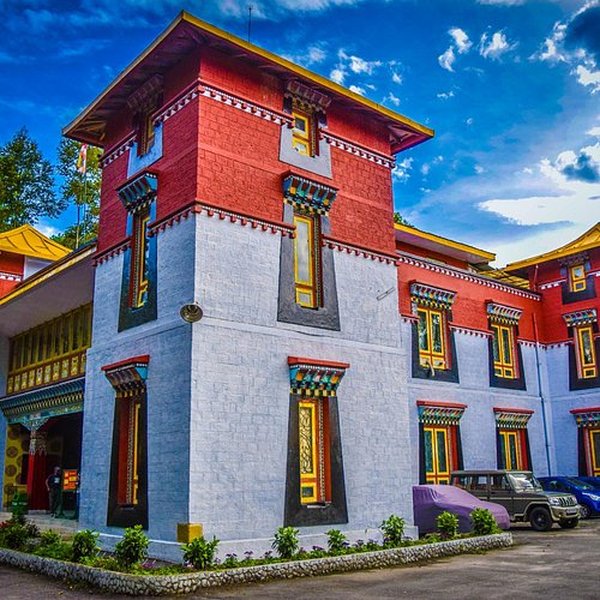
Namgyal Institute of Tibetology, a key educational site.
Rumtek Monastery
One of the largest and most significant monasteries in Sikkim, offering insights into Tibetan Buddhist architecture and practices.
Directorate of Handicrafts and Handloom
Here, students can observe local artisans at work and learn about traditional Sikkimese crafts.
Tsomgo Lake and Baba Mandir
An excursion to the high-altitude Tsomgo Lake and the nearby Baba Harbhajan Singh Mandir provides a glimpse into the natural beauty and local beliefs of the region. Depending on permits and weather, a visit to Nathula Pass, a border post with China, can also be included, offering historical and geographical context.
North Sikkim Adventure
Tours extending to North Sikkim often include visits to:
Lachung and Lachen
These picturesque villages serve as base camps for exploring the higher reaches of North Sikkim.
Yumthang Valley (Valley of Flowers)
Known for its stunning floral diversity, especially during the blooming season, offering opportunities for botanical studies.
Gurudongmar Lake
A sacred high-altitude lake, providing a geographical and cultural highlight.
West and South Sikkim Exploration
These regions offer further opportunities for cultural and natural exploration:
Pelling
Known for its breathtaking views of Kanchenjunga and nearby attractions like the Pemayangtse Monastery, Rabdentse Ruins (the former capital of Sikkim), and Kanchenjunga Falls.
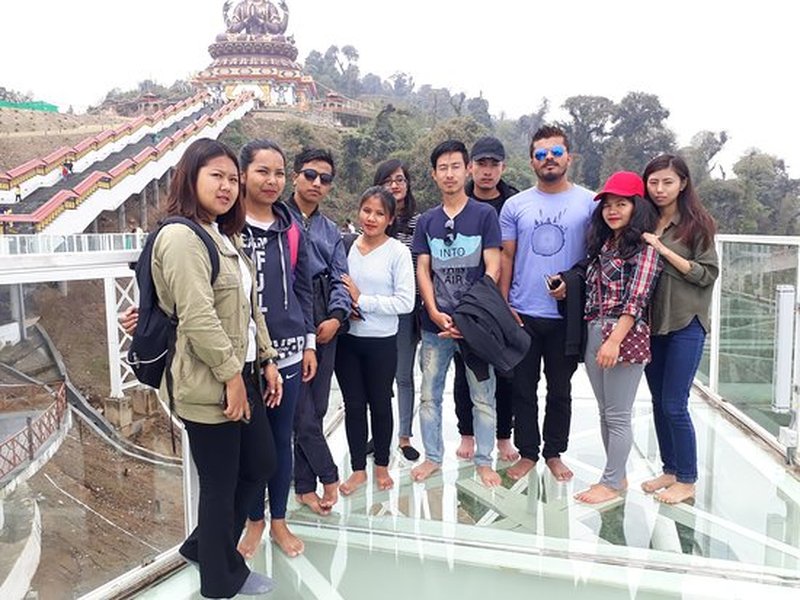
Stunning mountain views from a study tour in West Sikkim.
Yuksom
The historic first capital of Sikkim, significant for its historical importance and as the starting point for trekking routes.
Namchi
Home to impressive statues of Guru Padmasambhava and Lord Shiva, as well as the Char Dham complex, offering insights into religious harmony.
Combining with Darjeeling
Many study tours to Sikkim are combined with a visit to the nearby hill station of Darjeeling in West Bengal, known for its tea gardens and the Darjeeling Himalayan Railway (a UNESCO World Heritage Site). This allows for a comparative study of the regions and their distinct characteristics.
Tiger Hill
Famous for its panoramic views of the sunrise over the Kanchenjunga range.
Tea Gardens
Opportunities to learn about the tea cultivation process.
Ghoom Monastery
One of the oldest Tibetan Buddhist monasteries in the Darjeeling area.
Learning Experiences Beyond the Classroom
A study tour to Sikkim provides a multitude of learning experiences that go beyond textbooks and lectures. These include:
-
Experiential Learning: Direct engagement with the environment, culture, and people provides a deeper understanding of the subject matter.
-
Interdisciplinary Connections: Students can see how various disciplines like geography, history, sociology, botany, and environmental science intersect in a real-world setting.
-
Developing Soft Skills: Navigating new environments, working in groups, and interacting with diverse communities helps develop teamwork, communication, and adaptability.
-
Increased Awareness: Exposure to different ways of life and environmental challenges fosters a greater appreciation for diversity and sustainability.
-
Personal Growth: Stepping outside of their comfort zones and facing new challenges encourages personal development and resilience.
Study tours often include guided walks, interactions with local experts, visits to research centers or educational institutions, and opportunities for data collection or observation relevant to the students' studies.
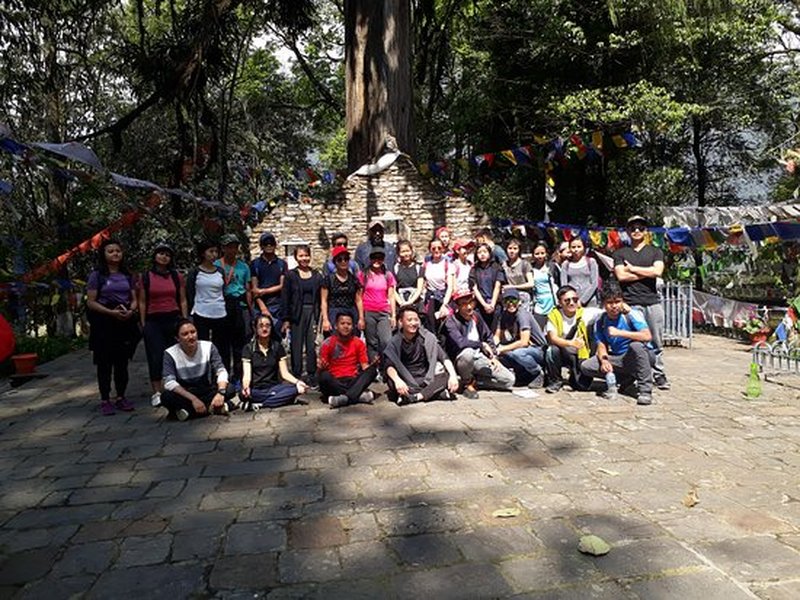
Students on an organized study tour exploring the region.
Logistics and Planning
Organizing a study tour to Sikkim involves careful planning and consideration of various logistical aspects:
Duration and Budget
Study tours can range from short 3-4 day trips to more extensive 7-10 day packages. The duration significantly impacts the cost and the number of places that can be covered. Budget-friendly options are available, particularly for student groups.
Transportation and Accommodation
Travel within Sikkim often involves road journeys due to the mountainous terrain. Accommodation options range from hotels and guesthouses to homestays, providing different levels of comfort and cultural immersion. Group bookings often come with discounts.
Permits
Certain areas in Sikkim, particularly in North Sikkim and near border regions like Nathula Pass, require special permits for visitors. Tour operators typically assist with obtaining these permits for student groups.
Best Time to Visit
The best time for a study tour to Sikkim is generally during the spring (March to May) and autumn (September to November) when the weather is pleasant and the skies are clear, offering stunning views of the mountains.
Safety and Health
Given the hilly terrain and varying altitudes, it's important to consider the physical fitness of the students and take necessary precautions for altitude sickness. Carrying a basic first-aid kit and consulting with healthcare professionals before the trip is advisable.
Sample Itinerary Structure
While itineraries are highly customizable, here is a sample structure for a 6-day educational tour covering key areas:
| Day | Focus | Activities |
|---|---|---|
| Day 1 | Arrival in Gangtok & Acclimatization | Arrival at Bagdogra Airport/NJP Railway Station, Transfer to Gangtok, Check-in, Leisure time. |
| Day 2 | Gangtok Local Sightseeing & Culture | Visit Namgyal Institute of Tibetology, Directorate of Handicrafts and Handloom, Rumtek Monastery, Enchey Monastery, Flower Show. |
| Day 3 | High-Altitude Exploration | Excursion to Tsomgo Lake and Baba Mandir. (Optional: Nathula Pass with permit). |
| Day 4 | Transfer to Pelling & West Sikkim Insights | Drive to Pelling, Visit Pemayangtse Monastery, Rabdentse Ruins. |
| Day 5 | Pelling Area Exploration | Visit Kanchenjunga Falls, Khecheopalri Lake, Skywalk. |
| Day 6 | Departure | Transfer from Pelling to Bagdogra Airport/NJP Railway Station for departure. |
Longer tours would incorporate visits to North Sikkim (Lachen, Lachung, Yumthang Valley, Gurudongmar Lake) or extend the stay in each region for more in-depth exploration and specific study activities.
Benefits and Outcomes
A study tour to Sikkim offers numerous benefits for students' academic and personal development. It provides a practical dimension to theoretical knowledge, fosters a deeper appreciation for cultural and environmental diversity, and helps build essential life skills. The immersive experience leaves a lasting impression, encouraging students to become more curious, informed, and responsible global citizens.
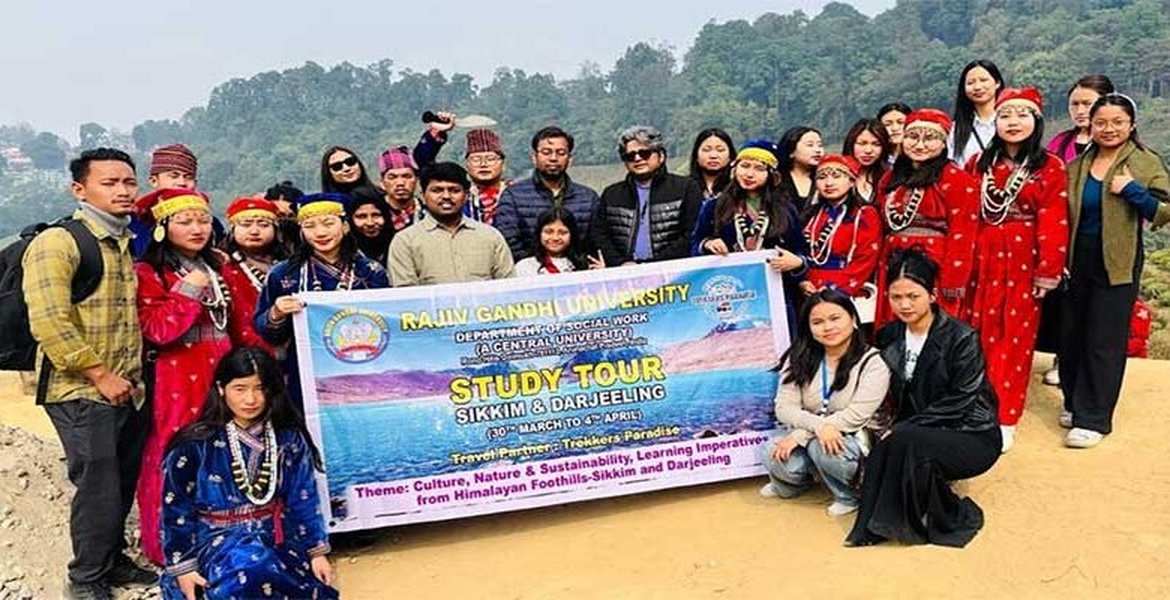
Students from Rajiv Gandhi University on a study tour in Sikkim and Darjeeling.
Frequently Asked Questions about Study Tours to Sikkim
What is the ideal duration for a student study tour to Sikkim?
The ideal duration can vary based on the curriculum and objectives. However, tours typically range from 6 to 10 days to allow sufficient time to cover key educational sites and experiences in different parts of Sikkim.
What are the key educational themes that can be explored in Sikkim?
Sikkim offers opportunities to explore themes related to cultural studies (Buddhism, local traditions), environmental science (biodiversity, organic farming, conservation), geography (Himalayan ecosystem), history (kingdom to statehood), and social studies (local communities, tourism impact).
Are special permits required for student groups visiting Sikkim?
Yes, Indian nationals need Inner Line Permits (ILP) for certain protected areas in Sikkim, particularly in North Sikkim. Foreign nationals require Restricted Area Permits (RAP). Educational tour operators usually assist with obtaining these permits.
What kind of accommodation is available for student groups?
Accommodation options for student groups in Sikkim include budget hotels, guesthouses, and sometimes homestays. These are often chosen to balance cost-effectiveness with comfort and safety.
What is the best time of year for a study tour to Sikkim?
The spring (March to May) and autumn (September to November) seasons are generally considered the best time due to pleasant weather, clear skies, and good visibility of the mountains. Monsoons (July to August) can bring heavy rainfall and potential travel disruptions.
What should students pack for a study tour to Sikkim?
Students should pack according to the season. Essential items include warm clothing (even in warmer months for higher altitudes), comfortable walking shoes, rain gear, sunscreen, insect repellent, personal medications, and any specific materials required for their study objectives (notebooks, cameras, etc.).
References
Last updated April 23, 2025