
Who was Responsible for the 9/11 Attacks
Unveiling the masterminds behind the most devastating terrorist attack in U.S. history
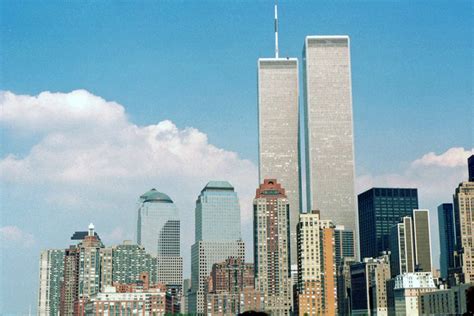
Key Takeaways
- Orchestrated by the extremist group al-Qaeda under the leadership of Osama bin Laden.
- Executed by 19 hijackers who conducted coordinated suicide attacks using commercial airplanes.
- Triggered significant global security reforms and the initiation of the ongoing War on Terror.
Introduction
The September 11, 2001, terrorist attacks, commonly known as 9/11, stand as one of the most tragic and influential events in modern history. These attacks not only caused unprecedented loss of life but also reshaped global politics, security measures, and international relations. Understanding who was responsible for 9/11 involves delving into the intricate networks of extremist organizations, the motivations behind their actions, and the subsequent impact on the world.
Al-Qaeda: The Mastermind Organization
Al-Qaeda, an acronym for "The Base," is a militant Sunni Islamist multi-national organization founded in 1988 by Osama bin Laden, Abdullah Azzam, and several other Arab volunteers during the Soviet–Afghan War. Al-Qaeda has been designated as a terrorist organization by the United Nations, NATO, the European Union, the United States, and numerous other countries. The organization's primary objective has been to establish a pan-Islamic caliphate and to remove Western influence from Muslim countries.
Leadership and Ideology
Osama bin Laden, a Saudi national, was the founder and leader of al-Qaeda until his death in 2011. Bin Laden's ideology was rooted in a radical interpretation of Islam, vehemently opposing Western influence and interference in Muslim-majority countries. He viewed the United States and its allies as primary adversaries due to their military presence in the Middle East, support for Israel, and perceived cultural imperialism.
Organizational Structure
Al-Qaeda operates as a decentralized network, comprising various affiliated groups and individuals committed to its extremist goals. This structure allows for flexibility and resilience, making it challenging for counter-terrorism efforts to dismantle the organization entirely. Key figures within al-Qaeda, such as Khalid Sheikh Mohammed, played pivotal roles in planning and executing terrorist operations, including the 9/11 attacks.
Planning and Execution of the 9/11 Attacks
The 9/11 attacks were the culmination of meticulous planning and coordination by al-Qaeda. The operation involved training 19 hijackers, primarily from Saudi Arabia, to infiltrate and commandeer four commercial airplanes. The selection of targets—World Trade Center in New York City, the Pentagon in Arlington, Virginia, and the intended target of the U.S. Capitol or White House—was strategic, aiming to maximize symbolic and economic impact while inflicting substantial loss of life.
Recruitment and Training of Hijackers
The hijackers underwent rigorous training in flight schools across the United States, gaining the necessary skills to pilot large commercial aircraft. They were selected for their proficiency, disposable incomes, and ability to maintain cover identities. The training was supplemented with ideological indoctrination, ensuring unwavering commitment to the mission.
Operational Strategy
The operational strategy involved using commercial airplanes as weapons, a novel and devastating method of attack. Each plane was laden with fuel to ensure maximum destruction upon impact. The coordinated nature of the attacks—targeting high-profile landmarks simultaneously—was designed to overwhelm emergency response systems and instill widespread fear and uncertainty.
Detailed Timeline of the Attacks
On the morning of September 11, 2001, the hijackers took control of four flights departing from airports in Boston, Newark, and Washington, D.C. The sequence of events unfolded as follows:
| Flight | Departure Airport | Target | Outcome |
|---|---|---|---|
| American Airlines Flight 11 | Boston Logan International Airport | Twin Towers, World Trade Center, NYC | Crashed into North Tower |
| United Airlines Flight 175 | Boston Logan International Airport | Twin Towers, World Trade Center, NYC | Crashed into South Tower |
| American Airlines Flight 77 | Washington Dulles International Airport | Pentagon, Arlington, Virginia | Crushed into the Pentagon |
| United Airlines Flight 93 | Shanksville, Pennsylvania | Target believed to be the U.S. Capitol or White House | Crashed in a field after passenger intervention |
Immediate Aftermath of the Attacks
The 9/11 attacks resulted in the immediate loss of nearly 3,000 lives, including passengers and crew on the airplanes, workers in the targeted buildings, first responders, and bystanders. The destruction of the Twin Towers led to a massive loss of infrastructure and economic disruption. The collapse of these skyscrapers released toxic debris, causing long-term health issues for survivors and responders.
Economic Impact
The economic ramifications of the 9/11 attacks were profound. The destruction of the World Trade Center led to significant financial losses for businesses, disruption of global markets, and a decline in consumer confidence. The immediate aftermath saw a downturn in the stock market, increased insurance premiums, and a reevaluation of risk in international business operations.
Humanitarian Consequences
Beyond the immediate loss of life, the attacks caused widespread psychological trauma. Survivors, families of the victims, and first responders faced long-term mental health challenges, including post-traumatic stress disorder (PTSD) and depression. Memorials and support systems were established to honor the victims and provide assistance to those affected.
Global Response and the War on Terror
The 9/11 attacks galvanized a global response, most notably the initiation of the War on Terror by the United States. This multifaceted campaign aimed to eliminate terrorist networks, disrupt funding sources, and establish stability in regions susceptible to extremist influence.
Invasion of Afghanistan
In October 2001, the United States, supported by allied nations, launched military operations in Afghanistan. The primary objectives were to dismantle al-Qaeda's infrastructure and remove the Taliban regime, which had provided sanctuary to terrorist groups. This intervention led to prolonged conflict, significant geopolitical shifts, and ongoing challenges in establishing lasting peace and governance in the region.
Global Security Measures
The attacks prompted sweeping changes in global security protocols. International airports implemented stringent screening procedures, the creation of the Department of Homeland Security in the U.S. centralized domestic security efforts, and intelligence-sharing between nations was enhanced to preempt and prevent future terrorist activities.
Legislation and Policy Changes
The U.S. government enacted the Patriot Act, granting expanded surveillance and law enforcement powers to detect and intercept terrorist activities. While aimed at enhancing security, the act also sparked debates over civil liberties and privacy rights, highlighting the balance between safety and individual freedoms.
The Hunt for Osama bin Laden
Osama bin Laden remained the most wanted figure in the aftermath of 9/11. His leadership was pivotal in orchestrating the attacks, making him a primary target for elimination.
Intelligence Efforts
Over the ensuing years, extensive intelligence operations were conducted to locate bin Laden. This involved tracking his movements, intercepting communications, and collaborating with international partners to gather actionable intelligence.
Operation Neptune Spear
On May 2, 2011, a covert operation by U.S. Navy SEALs, known as Operation Neptune Spear, successfully located and killed Osama bin Laden in Abbottabad, Pakistan. This mission marked a significant milestone in the War on Terror, delivering a symbolic and strategic victory against al-Qaeda's leadership.
Legacy and Ongoing Impact of 9/11
The legacy of the 9/11 attacks continues to influence global affairs, counter-terrorism strategies, and societal perceptions of security and freedom. The event has left an indelible mark on the collective consciousness, shaping policies and international relations for decades to come.
Memorials and Remembrance
Memorials, such as the National September 11 Memorial & Museum in New York City, serve as poignant reminders of the lives lost and the resilience of communities affected by the attacks. Annual commemorations ensure that the memory of 9/11 endures, fostering unity and reflection on the values of peace and cooperation.
Counter-Terrorism Evolution
The strategies and technologies developed in response to 9/11 have evolved to address emerging threats. Enhanced surveillance systems, cyber-security measures, and international cooperation frameworks aim to prevent and mitigate terrorist activities, adapting to the changing landscape of global terrorism.
Societal and Cultural Changes
The attacks have influenced cultural narratives, media portrayal of terrorism, and public attitudes towards immigration and multiculturalism. While fostering a sense of solidarity in some areas, they have also led to challenges related to discrimination, xenophobia, and the balancing of security with civil liberties.
Statistical Overview of the 9/11 Attacks
| Aspect | Details |
|---|---|
| Date | September 11, 2001 |
| Number of Hijackers | 19 |
| Terrorist Organization | Al-Qaeda |
| Leader of Al-Qaeda | Osama bin Laden |
| Flights Hijacked | 4 |
| Primary Targets | Twin Towers, World Trade Center; Pentagon; U.S. Capitol/White House (intended) |
| Total Casualties | Approximately 3,000 |
| Casualties at World Trade Center | Approximately 2,750 |
| Casualties at Pentagon | 184 |
| Casualties in Pennsylvania | 40 |
| Duration of Attacks | Approximately 3 hours |
| Aftermath Operations | War on Terror, Invasion of Afghanistan, Operation Neptune Spear |
Conclusion
The 9/11 attacks were a defining moment in contemporary history, orchestrated by the extremist group al-Qaeda under the leadership of Osama bin Laden. The meticulous planning and execution of these attacks resulted in profound loss of life and triggered a cascade of global responses aimed at combating terrorism. The legacy of 9/11 continues to shape international policies, security measures, and societal dynamics, underscoring the enduring impact of this tragic event.
References
Last updated January 19, 2025