
The Ultimate Guide to Preparing Your Resume
Essential Strategies and Tips for Crafting a Professional Resume in 2025
Key Highlights
- Customized Content: Tailor your resume to the job you’re applying for by aligning your skills and experiences with job requirements.
- Structured Presentation: Use a clear, formatted layout that includes a professional summary, chronological work history, education, and skills.
- Actionable Details: Emphasize achievements with action verbs, numbers, and quantifiable outcomes to highlight your impact.
Understanding the Purpose of a Resume
A resume is more than just a document listing your work experience; it represents your professional story and a reflection of your career accomplishments. It is a marketing tool that not only showcases your qualifications, skills, education, and experiences but also illustrates the unique value you bring to potential employers.
In today’s competitive job market, it is crucial to present yourself in the best light possible. This guide will detail a comprehensive approach to crafting a resume that stands out, including the types of resume formats, the importance of tailoring content, and best practices for presenting your information clearly and effectively.
Types of Resume Formats
Choosing the Right Format for Your Career Path
There are several resume formats to choose from, and your choice can impact how employers perceive your background. Here are the main formats:
1. Reverse Chronological Resume
This is the most widely used format, listing your work experiences from most recent to oldest. It is best suited for individuals with a stable work history, as it clearly displays career progression and consistency in employment.
2. Functional Resume
This format focuses less on the timeline and more on skills and achievements, making it ideal for career changers, recent graduates, or those with gaps in their employment history. It highlights competencies and personal attributes rather than a strict job history.
3. Combination Resume
This approach blends elements from both the reverse chronological and functional formats. It begins with a skill set summary followed by a chronological listing of work experiences. This is useful when you have a solid skill set and a robust work history that together showcase your professional ability and adaptability.
Key Sections of a Resume
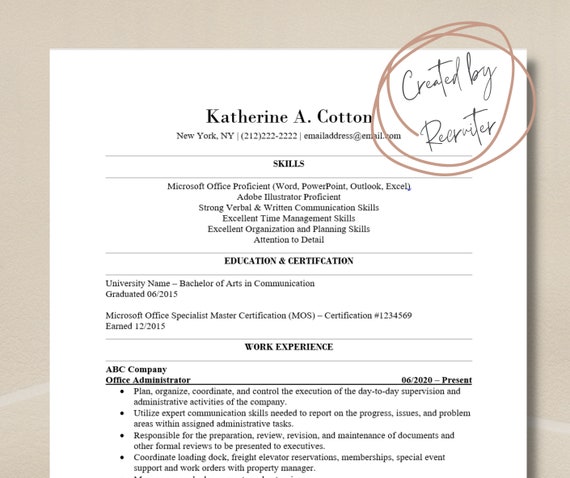
An effective resume should consist of multiple sections that are well-organized and clearly presented. Each section serves a distinct purpose in conveying your professional story.
1. Contact Information and Professional Summary
Contact Information
This section should include your full name, professional email address, telephone number, and optionally, a link to your LinkedIn profile or personal website. Ensure that your contact information is prominently displayed at the top of your resume.
Professional Summary or Objective
The professional summary is a brief paragraph (2-3 sentences) that encapsulates your career achievements and professional aspirations. It should be tailored to the specific job application, aligning your unique skills with the employer's requirements.
2. Detailed Work Experience
Job Descriptions and Achievements
List your work history in reverse chronological order when using a reverse chronological format. This section should include your job title, company name, employment dates, and a list of achievements and responsibilities. Use bullet points and action verbs such as managed, developed, or improved to clearly communicate the impact of your role. Whenever possible, supplement your achievements with numbers, such as “increased sales by 25%” or “managed a team of 10” to provide concrete evidence of your contributions.
3. Education and Certifications
Listing Academic Background
This section should detail your educational background, including the institutions you attended, the degrees earned, and any relevant coursework or honors. List this information in reverse chronological order. If you are a recent graduate, you may also include relevant projects or research that demonstrate applicable skills.
Certifications and Professional Development
Add any certifications, professional courses, or licenses that are pertinent to the job you are applying for. This can help illustrate your commitment to ongoing professional development and your readiness to meet industry standards.
4. Skills and Competencies
Hard Skills
Include technical proficiencies related to your field, such as programming languages, software tools, or data analysis techniques. Hard skills are often the specific job requirements mentioned in the job posting.
Soft Skills
Highlight interpersonal and communication skills like teamwork, leadership, and problem-solving. Soft skills are critically important for roles that demand extensive collaboration or customer interactions.
5. Additional Sections
Volunteer Experience
If applicable, include any volunteer work that demonstrates your community involvement or additional skills. This section can also serve to fill gaps in employment and showcase soft skills like leadership and communication.
Relevant Projects or Publications
You may also add any projects, publications, or contributions to professional communities that support your application and showcase expertise in your field.
Formatting Essentials
Beyond content, the visual presentation of your resume plays a crucial role in ensuring your document is both appealing and easy to read. Here are some important formatting tips:
Clean and Consistent Layout
Choose a professional font such as Arial, Calibri, or Times New Roman, and maintain consistency with headings and text size throughout your document. Adequate white space improves readability and prevents the screen from feeling cluttered. Stick to a logical structure that allows hiring managers to quickly scan for key information.
Use of Bullet Points and Headings
Effectively use bullet points to itemize achievements and responsibilities, and employ headings and subheadings to clearly delineate sections. This not only makes the resume aesthetically pleasing but also assists Applicant Tracking Systems (ATS) in parsing your details correctly.
Keep It Concise yet Detailed
While it is important to have a detailed resume that reflects your qualifications, it should ideally be no more than one or two pages. Consider focusing on the most relevant information for the job at hand. If you have extensive experience, prioritize recent roles and significant achievements.
A Comprehensive Resume Section Table
The table below provides a clear summary of key resume sections along with details on what to include for each section.
| Section | Details to Include | Tips |
|---|---|---|
| Contact Information | Name, Email, Phone, LinkedIn Profile | Place at the top; ensure information is current. |
| Professional Summary | 2-3 sentence summary of career goals and strengths | Tailor to each job application. |
| Work Experience | Job Title, Company, Dates, Achievements (quantified when possible) | Use reverse chronological order and bullet points. |
| Education | Degrees earned, Institutions, Dates, Relevant coursework | Include honors and awards if applicable. |
| Skills | Technical and soft skills | Prioritize skills listed in the job description. |
| Additional Sections | Certifications, Volunteer Work, Projects | Include sections that add extra value to your profile. |
Customizing Your Resume for Specific Roles
One of the most essential aspects of resume creation is customization. Rather than using a “one-size-fits-all” resume, you should tailor your resume specifically for each job application. This means carefully reviewing the job description and incorporating relevant keywords, experiences, and skills that align with what the employer is seeking.
Research and Adaptation
Before you begin tailoring your resume, thoroughly research the company and the role for which you are applying. Identify the main skills and competencies that the employer prioritizes. Adjust your professional summary, work description bullet points, and skills list to mirror the language used in the job description. This increases your chances of passing through Applicant Tracking Systems (ATS) and making a positive impression on recruiters.
Incorporating Keywords
Modern recruitment practices often rely on parsing resumes using software tools that scan for job-related keywords. Incorporate industry jargon and specific skills that are mentioned in the job advertisement. For example, if the role emphasizes “project management” and “data analysis,” ensure these terms appear prominently in your resume alongside evidence of relevant experience.
Using Online Tools and Templates
There are a variety of online resume builders available that can simplify the design and customization process. These tools offer templates that are predefined to meet ATS-friendly standards and provide guidance on content and formatting.
Popular Resume Builders
Tools like Zety, MyPerfectResume, and Canva offer customizable templates that can help you craft a polished resume quickly. Some tools even provide industry-specific templates that cater to the needs of different sectors, ensuring that your resume is not only attractive but also functionally effective.
Benefits of Resume Templates
Utilizing a pre-designed template can save time and ensure you maintain consistency in style. Templates provide organized sections, modern fonts, and layouts that are optimized for ATS, allowing you to focus on customizing the content rather than the design. However, always review and personalize the template as needed so that it accurately reflects your unique experiences and target role.
Strategies for Highlighting Achievements
One of the most compelling ways to differentiate your resume is by focusing on your achievements rather than simply listing job duties. Employers appreciate candidates who can demonstrate how they made a tangible impact in their previous roles.
Using Action Verbs Effectively
Start bullet points with strong action verbs such as “initiated,” “implemented,” “optimized,” or “led” to convey proactivity and impact. This not only makes your claims more persuasive but also provides a dynamic tone to your resume.
Quantifying Impact
Whenever possible, quantify your achievements. Numbers convey a level of precision and demonstrate measurable success. For example, stating “increased efficiency by 20%” or “reduced customer wait time by 30%” gives concrete evidence of your achievements and speaks volumes about your ability to effect change.
Editing and Proofreading Your Resume
After drafting your resume, it is critical to review your document for errors and ensure that the formatting is consistent throughout. Consider the following practices for a refined final product:
Multiple Rounds of Review
Run through multiple drafts, checking for grammatical errors, spelling mistakes, and typographical inconsistencies. Give particular attention to ensuring that dates, job titles, and contact information are accurate.
Soliciting Feedback
It is often beneficial to have a trusted colleague, mentor, or professional resume writer review your work. External feedback can help catch things you might have overlooked and provide valuable insights on how to present your achievements in the best light.
Final Touches
Ensure your resume is visually balanced, with consistent font usage, appropriate margins, and clear section breaks. Save your document in a PDF format to preserve the layout and prevent alterations during transmission.
The Impact of a Well-Prepared Resume on Your Career Path
A meticulously prepared resume can open many doors in your professional journey. Not only does it serve as an introduction to potential employers, but it also sets the tone for future interactions. A resume that clearly articulates your strengths, achievements, and goals will grab the attention of hiring managers, setting you apart from competitors.
Creating such a document involves thoughtful self-reflection, thorough research, and attention to detail. It’s an investment in your future that requires time, but the rewards can be significant, leading to more interview opportunities and ultimately, career advancements.
Leveraging Your Resume in Job Applications
Once your resume is complete, pair it with a compelling cover letter that complements the detailed achievements and skills listed on your resume. Utilize online professional networks and job portals to further disseminate your profile. In all your job application materials, ensure consistency in tone, style, and information across all platforms.
Keep your resume updated regularly as you gain more experience, accomplishments, or new skills. It is a living document that evolves with your career. Over time, you can modify it based on feedback from recruiters and emerging industry trends.
Real-World Examples and Practical Tips
Reviewing high-quality resume examples can provide practical insight into best practices. Seeing how other professionals structure their resumes can inspire creative layouts and content structuring ideas. Many websites offer sample resumes across various industries, demonstrating how different professionals articulate their experience with clarity and impact.
Example: Resume for a Marketing Professional
A marketing professional’s resume might focus on campaigns driven, quantified results, and creative strategies that led to increased brand engagement. The resume could include specific metrics, such as “boosted social media engagement by 40%,” and project details that underline strategic thinking and innovative approaches. Likewise, a resume crafted for a technical role would emphasize technical certifications, software proficiency, and specific project outcomes.
Practical Tips for Ongoing Improvement
Even after securing a job, revisiting your resume can help you keep a record of milestones and achievements that could be useful for future career growth. Maintain an updated version of your resume on professional networks and keep refining your content as you gain more insights from industry trends.
Leveraging Technology for Resume Building
Nowadays, technology plays a pivotal role in resume creation and distribution. Many online platforms offer resume-building tools that not only simplify the drafting process but also ensure your resume remains dynamic and adaptable to various job applications.
Utilizing AI-Powered Tools
Artificial intelligence is now integrated into many resume builders, where algorithms can suggest improvements, check for keyword density, and provide feedback on formatting. This innovation greatly enhances the effectiveness of your resume by aligning it with the current applicant tracking algorithms used by employers.
Staying Informed and Updated
Given the dynamic nature of the job market, it is crucial to stay informed about new trends and techniques in resume writing. Regularly check industry blogs, career advice platforms, and professional networks to adapt your resume to emerging best practices. This proactive approach will ensure your resume remains competitive and relevant over time.
Additional Considerations for Niche Industries
Different industries may require slightly different approaches when it comes to resume creation. For example, creative industries might allow for more visually stimulating designs, whereas technical fields prioritize clarity and precise representation of technical skills. Consider these industry-specific adjustments when preparing your resume:
Creative Industries
For roles in design, media, or the arts, adding some creative elements like subtle graphics or unique typography can help your resume stand out. However, always maintain a balance between creativity and professionalism. If you choose to incorporate visuals, ensure that the information remains clear and the document is still easy to navigate.
Technical and IT Fields
Technical resumes should focus on showcasing your technical skills, certifications, and specific project outcomes. Using bullet points to convey technical competencies and specific software or programming language proficiency can make a significant impact. Additionally, linking to a portfolio or GitHub repository can provide employers with further evidence of your technological expertise.
Leveraging Your Resume for Career Advancement
Your resume serves as a personal marketing tool not only for securing a new job but also for career advancement within your current organization. Regularly updating it ensures that you are ready to seize any new opportunity that may arise.
Tracking Your Growth
Keeping an up-to-date resume allows you to monitor your career development over time. It provides an opportunity to reflect on your successes and areas for further growth. This reflection can be invaluable during performance reviews or when negotiating promotions and raises.
Networking and Professional Development
A comprehensive resume that is always current can be shared easily across professional networks. This not only helps in job applications but also serves as a ready reference during networking events and professional gatherings. An updated resume is a testament to your ongoing commitment to professional development and can make a positive impression on industry peers and mentors.
References
-
How to Make a Resume: Examples & Guide for 2025 - Zety
-
How to Write a Resume in 2025 (Examples & Guide) - MyPerfectResume
- How To Make a Comprehensive Resume (With Examples) - Indeed
- 10 Resume Writing Tips To Help You Land a Position - Indeed
-
Resume Tips - Monster
Recommended
Last updated March 13, 2025