
Diagnosed with Coronary Artery Disease? Discover How You Can Fight Back
While a complete cure is rare, halting progression and even partially reversing artery damage is achievable through dedicated action.
Receiving a diagnosis of coronary artery disease (CAD) can feel overwhelming. CAD, the most common type of heart disease, involves the buildup of plaque (cholesterol, fat, and other substances) inside the coronary arteries, which supply blood to your heart muscle. This buildup, called atherosclerosis, narrows the arteries, reducing blood flow and potentially leading to chest pain (angina), shortness of breath, or even a heart attack. Understandably, you're asking if this process can be reversed.
Based on current medical understanding as of April 20, 2025, while completely erasing all plaque and "curing" CAD in the traditional sense is often not possible, especially if significant damage or calcification has occurred, the outlook is far from bleak. Compelling evidence shows that you can take decisive steps to halt the progression of the disease, significantly reduce symptoms, improve blood flow, and, in many cases, achieve partial reversal or regression of plaque buildup. This requires a comprehensive and committed approach combining lifestyle changes, medical management, and potentially structured rehabilitation programs.
Highlights: Taking Control of Your Heart Health
- Intensive Lifestyle Changes Are Foundational: Adopting a heart-healthy diet, exercising regularly, quitting smoking, managing stress, and maintaining a healthy weight are non-negotiable steps that can directly impact plaque stability and regression.
- Medical Therapy Can Actively Reduce Plaque: Medications, particularly high-intensity statins, have been proven in studies to lower cholesterol dramatically, stabilize plaque, and even lead to measurable reductions in plaque volume over time.
- Structured Support Accelerates Progress: Participating in cardiac rehabilitation programs provides supervised exercise, education, and support, significantly improving outcomes, reducing future risks, and enhancing quality of life after a CAD diagnosis.
Pillar 1: Transforming Your Lifestyle
Your Daily Choices Make a Profound Difference
Lifestyle modifications are the cornerstone of managing and potentially reversing aspects of CAD. These changes directly target the root causes and risk factors driving atherosclerosis.

A holistic approach combining diet, exercise, and stress management is key.
Adopt a Heart-Revitalizing Diet
Substantial evidence, including landmark studies like the Lifestyle Heart Trial, supports the power of diet. Aim for:
- Plant-Focused, Whole Foods: Emphasize fruits, vegetables, whole grains (like oats, brown rice, quinoa), and legumes (beans, lentils).
- Very Low Fat Intake: Particularly limit saturated fats (found in red meat, butter, full-fat dairy) and eliminate trans fats (often in processed snacks and fried foods). Some successful reversal programs utilize diets with fat content as low as 10% of total calories, though sustainable, moderately low-fat diets are also effective.
- Healthy Fats in Moderation: Include sources of unsaturated fats like avocados, nuts, seeds, and olive oil, but be mindful of portion sizes.
- Minimize Sodium and Added Sugars: Reduce intake of processed foods, sugary drinks, and excessive salt to help manage blood pressure and overall inflammation.
- Lean Protein Sources: Favor fish (especially fatty fish rich in omega-3s like salmon), poultry without skin, and plant-based proteins.
Embrace Regular Physical Activity
Exercise strengthens your heart muscle, improves circulation, helps control weight, lowers blood pressure and cholesterol, and improves blood vessel function. Aim for:
- Aerobic Exercise: At least 150 minutes of moderate-intensity activity (like brisk walking, cycling, swimming) or 75 minutes of vigorous-intensity activity per week.
- Strength Training: Include muscle-strengthening activities at least two days per week.
- Consistency is Key: Start slowly if you're new to exercise, perhaps under guidance in a cardiac rehab setting, and gradually increase duration and intensity as your fitness improves.
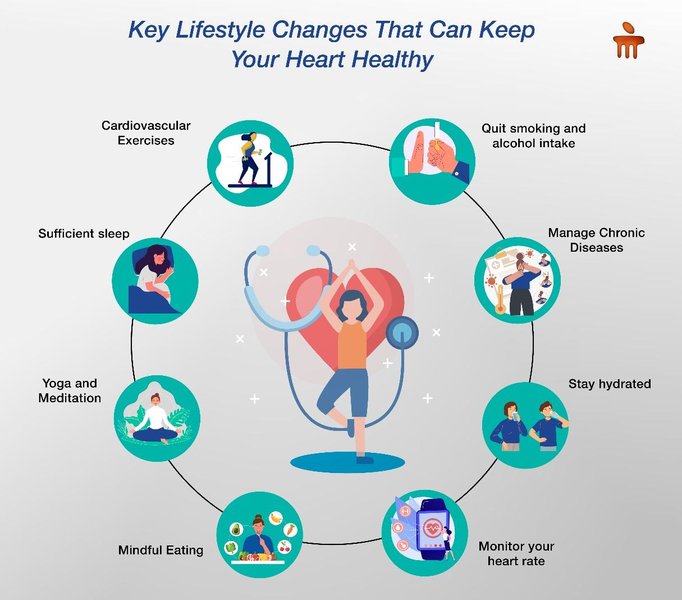
Regular, varied physical activity is crucial for heart health.
Quit Smoking Immediately
If you smoke, stopping is the single most effective lifestyle change you can make. Smoking directly damages blood vessel linings, accelerates plaque buildup, reduces oxygen in the blood, and increases blood pressure and heart rate. Quitting allows your body to begin repairing damage almost immediately.
Manage Weight and Waistline
Achieving and maintaining a healthy body weight significantly reduces the strain on your heart and improves risk factors like blood pressure, cholesterol, and blood sugar. Focus on sustainable changes through diet and exercise.
Cultivate Stress Resilience
Chronic stress can negatively impact heart health by increasing blood pressure and promoting inflammation. Incorporate stress-reduction techniques into your routine:
- Yoga
- Meditation or Mindfulness Practices
- Deep Breathing Exercises
- Spending Time in Nature
- Engaging in Hobbies
Prioritize Quality Sleep
Aim for 7-9 hours of quality sleep per night. Poor sleep is linked to increased risk of high blood pressure, obesity, and diabetes – all contributing factors to CAD.
Pillar 2: Partnering with Medical Science
Leveraging Treatments to Halt and Regress Disease
Lifestyle changes are powerful, but often work best in conjunction with medical management tailored to your specific needs by your healthcare team.
Medications: Your Allies Against Plaque
Several types of medications play a vital role:
- Lipid-Lowering Medications: Statins are the most common and well-studied. High-intensity statin therapy has been shown in clinical trials (like REVERSAL and PROVE-IT) not only to slow CAD progression but also to achieve modest regression (shrinkage) of plaque volume by significantly lowering LDL ("bad") cholesterol. Other drugs like ezetimibe or PCSK9 inhibitors may be added if cholesterol targets aren't met with statins alone.
- Blood Pressure Medications: Controlling hypertension is crucial to reduce strain on your arteries. Various classes of drugs (ACE inhibitors, ARBs, beta-blockers, calcium channel blockers, diuretics) are used.
- Blood Sugar Control Medications: If you have diabetes, strict management of blood glucose levels is essential to prevent vascular damage.
- Antiplatelet Agents: Low-dose aspirin or other medications like clopidogrel help prevent blood clots from forming on existing plaques, reducing the risk of heart attack or stroke.
Comprehensive Risk Factor Management
Beyond medications, aggressively managing all contributing factors is key. This includes regular monitoring and treatment adjustments for:
- High Cholesterol (LDL, Triglycerides, HDL)
- High Blood Pressure
- Diabetes or Prediabetes
- Obesity (especially abdominal)
- Inflammatory Conditions
- Sleep Apnea
The Importance of Regular Follow-Up
Work closely with your cardiologist and primary care physician. Regular checkups allow for monitoring your condition, assessing the effectiveness of treatments, adjusting medications as needed, and providing ongoing support and motivation. Sometimes, imaging tests like intravascular ultrasound might be used in specific situations to track plaque changes.
Pillar 3: Structured Support Through Cardiac Rehabilitation
Accelerating Recovery and Building Healthy Habits
Cardiac rehabilitation (rehab) is a medically supervised program designed specifically for people with heart conditions like CAD. It's strongly recommended after diagnosis or a cardiac event (like a heart attack or stent placement) and is proven to improve outcomes.

Cardiac rehab combines supervised exercise, education, and support.
What Does Cardiac Rehab Involve?
- Supervised Exercise Training: Tailored exercise plans to safely improve cardiovascular fitness and strength under the guidance of healthcare professionals.
- Education for Heart-Healthy Living: Classes and resources on nutrition, medication management, risk factor control, and recognizing symptoms.
- Counseling and Emotional Support: Help with managing stress, anxiety, or depression related to the heart condition, often including peer support groups.
- Risk Factor Monitoring: Regular checks of blood pressure, cholesterol, blood sugar, and weight.
Why Participate in Cardiac Rehab?
Studies show that participation leads to:
- Improved survival rates
- Reduced hospital readmissions
- Better adherence to lifestyle changes and medications
- Improved physical function and quality of life
- Better management of risk factors
- Increased confidence and well-being
Visualizing the Impact of Interventions
Relative Effectiveness on Key CAD Outcomes
While individual results vary, different interventions tend to have varying degrees of impact on specific aspects of managing or reversing CAD. This chart provides a conceptual overview based on synthesized medical understanding. Higher scores indicate a stronger relative impact (scores range from 3 to 10 for visual clarity, avoiding the chart origin).
Mapping Your Path Forward
An Overview of Key Strategies
This mindmap illustrates the interconnected strategies involved in tackling coronary artery disease. It highlights the main pillars of action and the specific components within each.
Coronary Artery Disease"] id1["Lifestyle Transformation"] id1a["Plant-Forward Diet
(Low Fat, Whole Foods)"] id1b["Regular Physical Activity
(Aerobic + Strength)"] id1c["Smoking Cessation"] id1d["Stress Management
(Yoga, Meditation)"] id1e["Weight Control"] id1f["Adequate Sleep"] id2["Medical Management"] id2a["Lipid-Lowering Meds
(e.g., Statins)"] id2b["Blood Pressure Control"] id2c["Diabetes Management"] id2d["Antiplatelet Therapy
(e.g., Aspirin)"] id2e["Risk Factor Monitoring"] id3["Cardiac Rehabilitation"] id3a["Supervised Exercise Programs"] id3b["Health Education & Counseling"] id3c["Emotional & Peer Support"] id4["Monitoring & Follow-Up"] id4a["Regular Doctor Visits"] id4b["Tracking Risk Factors"] id4c["Adherence Assessment"] id4d["Imaging (if indicated)"]
Insights from a Mayo Clinic Expert
Understanding the Potential for Reversal
This video features Dr. Stephen Kopecky, a cardiologist at Mayo Clinic, discussing the possibilities and methods for reversing heart disease. Hearing directly from an expert can provide valuable context and reinforce the importance of the strategies discussed. Dr. Kopecky often emphasizes the significant impact of lifestyle choices alongside appropriate medical care in managing cardiovascular conditions like CAD.
Summary of Key Approaches and Their Impact
Comparing Strategies for CAD Management
This table summarizes the primary strategies discussed and their general effects on coronary artery disease, based on the synthesized information.
| Strategy | Description | Potential Impact on CAD | Notes |
|---|---|---|---|
| Heart-Healthy Diet | Plant-focused, whole foods, very low in saturated/trans fats, low sodium/sugar. | Can lower LDL cholesterol, reduce inflammation, potentially halt or regress plaque, control weight & blood pressure. | Consistency is crucial. Examples include Ornish or Mediterranean-style diets adapted for low fat. |
| Regular Exercise | Mix of aerobic (150+ min/week moderate) and strength training (2x/week). | Improves blood flow, heart strength, weight control, blood pressure, cholesterol profile; prevents progression. | Start slowly, gradually increase intensity. Cardiac rehab offers supervised start. |
| Smoking Cessation | Complete avoidance of all tobacco products. | Halts direct arterial damage, reduces clot risk, improves oxygen levels, allows blood vessel repair. | Essential for preventing progression and future events. Seek support if needed. |
| Medications | Statins, blood pressure meds, diabetes meds, antiplatelets. | Lower LDL cholesterol significantly (statins can regress plaque), control BP/sugar, prevent clots, stabilize plaque. | Adherence is vital. Prescribed based on individual risk factors and goals. |
| Stress Management | Techniques like yoga, meditation, deep breathing. | Lowers blood pressure, reduces inflammation, improves overall well-being. | Incorporate regularly into daily routine. |
| Cardiac Rehabilitation | Structured program of exercise, education, and support. | Improves fitness, adherence, risk factor control, quality of life; reduces mortality and readmissions. | Highly recommended post-diagnosis or event. Medically supervised. |
Frequently Asked Questions (FAQ)
Your Questions Answered
Is complete reversal of coronary artery disease actually possible? +
Complete reversal, meaning the total disappearance of all plaque, is very uncommon and often considered unrealistic, especially for advanced or calcified plaque. However, significant *partial* reversal (plaque regression), stabilization of plaque (making it less likely to rupture), halting disease progression, and substantial improvement in symptoms and blood flow are achievable goals through aggressive lifestyle changes and medical therapy. The focus is typically on preventing worsening and improving artery health, rather than a complete cure.
What's the most important first step after diagnosis? +
While all components are important, crucial first steps include: 1) Fully understanding your diagnosis and treatment plan by talking with your doctor. 2) Committing to medication adherence as prescribed (especially cholesterol and blood pressure drugs). 3) Making immediate, impactful lifestyle changes – quitting smoking if you smoke, and starting dietary improvements are often prioritized. Enrolling in cardiac rehabilitation early on provides structured support for multiple changes.
How effective are statins in reversing plaque? +
Statins are highly effective at lowering LDL ("bad") cholesterol. Studies using intravascular ultrasound have shown that intensive statin therapy can halt the progression of plaque buildup and, in a significant portion of patients, lead to a modest but measurable regression (shrinkage) of plaque volume over time (typically 18-24 months). They also help stabilize existing plaque, making it less likely to cause a heart attack. Their primary role is reducing cardiovascular events, and plaque regression is a contributing mechanism.
What exactly is cardiac rehabilitation? +
Cardiac rehabilitation is a comprehensive, medically supervised outpatient program designed to help people recover from heart problems and improve their overall cardiovascular health. It typically includes personalized exercise training, education on heart-healthy living (diet, medications, risk factors), and counseling for stress management and emotional support. It's a proven way to reduce future heart risks, improve quality of life, and build confidence in managing your condition.
Can I reverse CAD with diet and lifestyle alone, without medication? +
Some studies, like Dr. Dean Ornish's Lifestyle Heart Trial, showed that very intensive lifestyle changes (extremely low-fat vegetarian diet, exercise, stress management, group support) could lead to plaque regression without lipid-lowering drugs in some participants. However, this requires exceptional dedication and adherence. For most people, combining significant lifestyle changes with appropriate medications (like statins) offers the best and most reliable chance of halting progression and potentially achieving some reversal, while effectively managing overall cardiovascular risk. Always discuss treatment options with your doctor.
References
Further Reading and Sources
- Ask the doctor: Is it possible to reverse coronary artery disease? - Harvard Health
- Can You Reverse Coronary Artery Disease? - WebMD
- Coronary artery disease - Diagnosis and treatment - Mayo Clinic
- Intensive Lifestyle Changes for Reversal of Coronary Heart Disease - JAMA Network
- A strategy to arrest and reverse coronary artery disease: a 5-year longitudinal study of a single physician's practice - PubMed
-
Heart Disease: Prevention, Treatment and Research - Cleveland Clinic
- Can you reverse heart disease? Diet, exercise, and more - Medical News Today
Recommended
Explore Related Topics
Last updated April 20, 2025