
Unlock Efficiency: How Revver EDMS Transformed Tatachemicals' Shipping Department
Discover the secrets to streamlined document management and enhanced operational efficiency through successful EDMS implementation.
Key Highlights of the Revver EDMS Implementation
- Enhanced Accessibility: The digitization process has made documents easily accessible and searchable, reducing the time spent on retrieval.
- Improved Efficiency: The systematic approach to scanning, indexing, and organizing documents has streamlined workflows and boosted productivity.
- Data Security: With Revver EDMS, Tatachemicals now benefits from enhanced security measures, mitigating the risk of data breaches and ensuring compliance.
Understanding Document Digitization and Its Importance
Document digitization is the process of converting physical documents into digital formats, which enables efficient management, search, storage, and long-term preservation. This transformation is crucial for businesses aiming to streamline operations, enhance data security, and reduce costs. In today's fast-paced, data-driven business landscape, quick access to information is critical, making document digitization a necessity for improved organizational efficiency and data protection.
Benefits of Document Digitization
Digitizing documents offers numerous advantages, revolutionizing how businesses store, manage, and retrieve information. Here are some key benefits:
- Enhanced Accessibility: Digital documents can be quickly and easily accessed, reducing the time and effort required to find the necessary information.
- Improved Collaboration: Digitized documents can be shared and collaborated on in real-time, making it easier for team members to work together.
- Cost Reduction: The need for physical storage is eliminated, as all documents can be stored in a digital format, saving on storage and retrieval costs.
- Eco-Friendly Practices: By reducing the need for physical printing and storage, document digitization can have a positive impact on the environment, reducing waste and energy consumption.
- Enhanced Security: Digitized documents offer more control over who can access the files, with document activity being tracked and logged to ensure accountability and compliance.
- Disaster Recovery: Digitized files are better protected from damage and destruction, with the ability to create and store redundant files across multiple platforms for easier data recovery.
Challenges of Document Digitization
While the benefits of document digitization are clear, businesses may face several challenges during the implementation process:
- Selecting the Right Technology: Choosing the appropriate scanning equipment and document management software is crucial for efficient digitization.
- Ensuring Data Quality: Maintaining the accuracy and legibility of digitized documents requires thorough quality checks.
- Protecting Privacy: Implementing security measures to protect sensitive information and comply with privacy regulations is essential.
- Managing Change: Training employees and adapting workflows to the new digital system can be a significant undertaking.
Tatachemicals' Revver EDMS Implementation: A Detailed Overview
Outopaxce Africa Solutions Limited successfully implemented Revver EDMS at Tatachemicals' Shipping Department in Mombasa, marking a significant step towards digital transformation. The project involved several key stages to ensure a smooth and effective transition.
Scanning and Indexing
The initial phase of the project focused on converting physical documents into digital formats. This involved:
- Scanning: Using Kofax Express, a total of 4,000 files from January 2018 to March 2025 were scanned to ensure high-quality digital images.
- Indexing: Each document was meticulously indexed to facilitate easy search and retrieval. Indexing involves assigning relevant keywords and metadata to each file.
- Quality Checks: Rigorous quality checks were conducted at every stage to maintain accuracy and ensure that no crucial details were lost during the scanning and conversion process.
Organization and Uploading
Following the scanning and indexing process, the digitized documents were organized into a structured folder system to enhance accessibility and retrieval efficiency. This systematic approach included:
- Structured Folders: Creating a logical folder hierarchy to categorize documents based on type, date, and other relevant criteria.
- Metadata Tagging: Adding metadata to each document to provide additional information and improve search results.
- Uploading to Revver EDMS: Transferring the organized documents to the Revver EDMS platform, ensuring seamless integration and accessibility for all users.
Revver EDMS: Enhancing Document Management
Revver EDMS is a cloud-based platform that digitizes and automates document-dependent work. It offers a range of features to improve efficiency, security, and compliance. Key benefits of using Revver EDMS include:
- Automation and Workflows: Automating repetitive tasks and streamlining document workflows to accelerate business processes.
- Improved Security: Implementing advanced security measures to protect sensitive information and prevent data breaches.
- Enhanced Compliance: Ensuring adherence to laws, regulations, and industry standards through efficient records management.
- Cloud-Based Storage: Providing a secure and accessible repository for all digitized documents, with backup and disaster recovery capabilities.
The Impact of EDMS on Organizational Productivity
Increased Efficiency and Reduced Costs
Implementing an Electronic Document Management System (EDMS) like Revver can significantly improve productivity and reduce costs. Organizations that manage documents digitally have been found to be 21% more productive than those that do it manually. This is due to:
- Faster Retrieval Times: Digital documents can be accessed almost instantly, compared to the time-consuming process of searching through physical files.
- Reduced Storage Costs: Eliminating the need for physical storage space can result in significant cost savings.
- Improved Collaboration: Digital documents can be easily shared and collaborated on, improving teamwork and reducing delays.
- Automation of Tasks: EDMS platforms can automate many document-related tasks, such as routing, approval, and archiving, freeing up employees to focus on more strategic activities.
Enhanced Security and Compliance
An EDMS also enhances security and compliance by:
- Controlling Access: Restricting access to sensitive documents to authorized personnel only.
- Tracking Document Activity: Monitoring who has accessed, modified, or shared a document.
- Ensuring Regulatory Compliance: Helping organizations comply with industry regulations and legal requirements.
- Mitigating Risks: Reducing the risk of data breaches and unauthorized access to confidential information.
Best Practices for Successful Document Digitization
To ensure a successful document digitization project, consider the following best practices:
-
Develop a Clear Plan: Start with a well-defined plan that outlines the goals, scope, and timeline of the project.
-
Choose the Right Technology: Select scanning equipment and document management software that meet your specific needs and requirements.
-
Implement Quality Checks: Perform thorough quality checks at every stage of the digitization process to ensure accuracy and legibility.
-
Organize Documents Effectively: Create a logical folder structure and use metadata tagging to enhance searchability and retrieval.
-
Provide Training and Support: Train employees on how to use the new digital system and provide ongoing support to address any issues or concerns.
-
Monitor and Improve: Continuously monitor your document digitization processes, benchmark your performance metrics, and solicit feedback from users to identify areas for improvement.
Visualizing Document Digitization
The images below illustrate key aspects of document digitization, from the challenges of managing physical documents to the benefits of digital solutions.

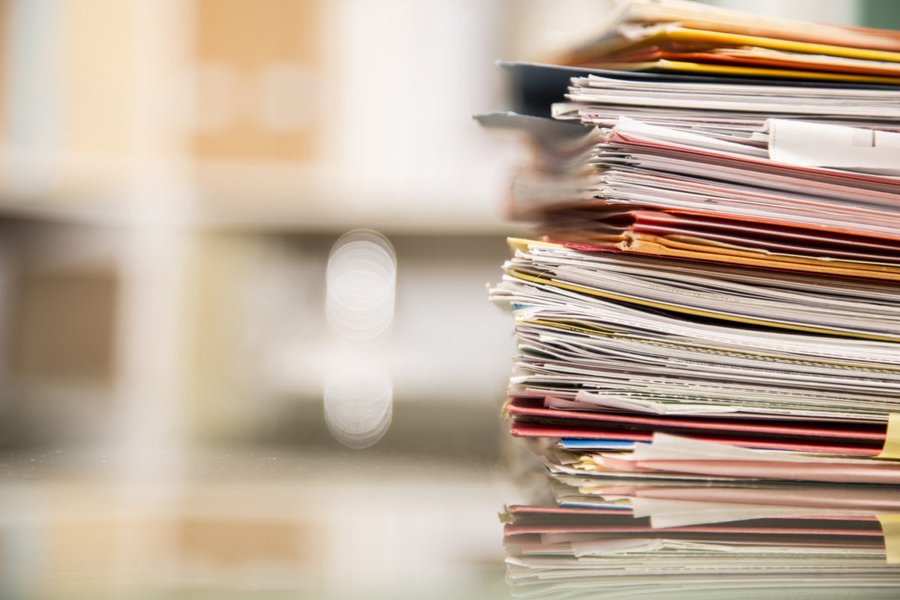


Document Digitization Technologies
Several technologies are crucial in the document digitization process. These tools facilitate the conversion of physical documents into digital formats, enhance data accessibility, and ensure efficient management of digital records.
One of the most vital technologies is Optical Character Recognition (OCR). OCR software converts scanned images of text into machine-readable text, enabling users to search, edit, and manipulate the content. This technology significantly improves the accessibility and usability of digitized documents.
Scanning software, such as Kofax Express (used by Tatachemicals), plays a key role in capturing high-quality digital images of physical documents. Advanced scanning software includes features like automatic document feeding, image enhancement, and batch scanning, streamlining the digitization process.
Document management systems (DMS) like Revver are essential for organizing, storing, and retrieving digitized documents. These systems provide features such as version control, access control, and workflow automation, ensuring efficient and secure management of digital records.
Cloud-based storage solutions offer scalable and secure storage for digitized documents. Cloud storage enables easy access to documents from anywhere with an internet connection, facilitating collaboration and business continuity.
Comparison of Document Digitization Technologies
The following table compares different document digitization technologies based on their features and benefits:
| Technology | Description | Key Features | Benefits |
|---|---|---|---|
| Optical Character Recognition (OCR) | Converts scanned images of text into machine-readable text. | Text recognition, language support, format conversion. | Improves accessibility, enables text editing, enhances searchability. |
| Scanning Software (e.g., Kofax Express) | Captures high-quality digital images of physical documents. | Automatic document feeding, image enhancement, batch scanning. | Streamlines the digitization process, ensures high-quality results. |
| Document Management Systems (DMS) | Organizes, stores, and retrieves digitized documents. | Version control, access control, workflow automation. | Ensures efficient and secure document management. |
| Cloud-Based Storage | Provides scalable and secure storage for digitized documents. | Remote access, data backup, collaboration tools. | Facilitates collaboration, ensures business continuity. |
Document Scanning: Consentia's 6 Professional Tips
This video from Consentia offers valuable tips for effectively scanning your documents, as it provides practical advice on preparing documents for scanning, optimizing scanner settings, and ensuring high-quality digital images. These tips are crucial for any organization looking to digitize their documents efficiently and accurately.
Frequently Asked Questions
References
Last updated April 10, 2025