
Understanding Different Types of Rituals
A Comprehensive Exploration of Rituals in Society, Culture, and Personal Life
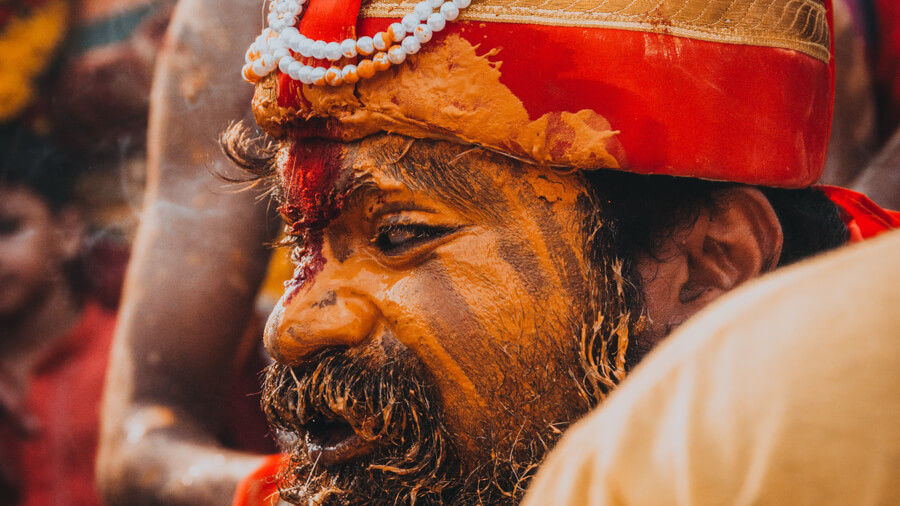
Key Takeaways
- Varied Forms: Rituals occur in religious, cultural, social, personal, and even magical contexts, each with unique symbolic practices.
- Transitions and Identity: Many rituals mark milestones or transitions such as birth, coming-of-age, marriage, death, and seasonal changes while reinforcing identity.
- Structured Symbolism: Whether through myth reenactments, sacred ceremonies, or daily habits, rituals serve to express belief systems, unify communities, and provide emotional structure.
Introduction to Rituals
Rituals have been an intrinsic element of human society for millennia. They offer structured activities enriched with symbolic meaning and are performed in a repetitive, often codified manner. Their purposes range from marking important life transitions and reinforcing social ties to expressing religious belief and even invoking supernatural forces. In essence, rituals are the structured bedrock upon which communities and individuals build their understanding of existence, identity, and spirituality.
Categories of Rituals
Despite their diversified nature, rituals can be broadly categorized into several types based on their function, context, and cultural significance. The following sections detail the primary categories, blending historical context, social significance, and personal relevance.
1. Religious Rituals
Religious rituals are perhaps the most well-known, and they emerge from the deeply held spiritual beliefs of a community or an individual. They offer a structured approach to worship and often serve as a means of connecting the earthly with the divine.
Worship and Sacrificial Ceremonies
These rituals include ceremonies such as the Eucharist in Christianity, various puja ceremonies in Hinduism, and the formalized prayer routines in other religious practices. Their core purpose is to honor deities, seek blessings, and create a space for communion with higher powers. Such acts are typically embedded in tradition and may involve sacred texts, music, chants, and symbolic offerings.
Liturgical Practices
Liturgical rituals are characterized by their scripted nature. Examples include the Catholic Mass, Jewish Sabbath services, and similar ceremonies among other religious groups. The emphasis here is on tradition and community continuity, with many rituals following centuries-old customs and formalized procedures. These practices reinstate communal identity and provide comfort to participants by reminding them of their shared beliefs and histories.
Pilgrimages
Pilgrimages are distinct forms of religious ritual that involve journeying to a sacred site. In Islam, the pilgrimage known as Hajj is a key pillar, marking both spiritual devotion and physical endurance. Pilgrimages are seen not only as acts of faith but also as transformative journeys that challenge the pilgrim’s endurance, faith, and self-discipline, often leading to a renewed sense of purpose and belonging.
2. Rites of Passage
Rites of passage are rituals that mark significant transitions or stages of life. They serve to celebrate the movement from one phase of life to another and to ritualistically signal a change in social status and identity.
Birth and Naming Ceremonies
Many cultures celebrate the beginning of life through rituals such as baptisms, christenings, or local naming ceremonies. These rituals often incorporate elements of blessing, protection, and community acknowledgement, ensuring that the new life is woven into the cultural fabric from the very start.
Coming-of-Age Celebrations
Transitioning from childhood to adulthood is symbolically significant for many societies. Rituals like the Jewish Bar or Bat Mitzvah, the Latin American Quinceañera, and various indigenous initiation ceremonies provide a structured means to impart cultural values and responsibilities. They also function as public affirmations of maturity and readiness to assume adult roles.
Marriage Ceremonies
Marriage rituals, found in virtually every culture, symbolize the joining not only of two individuals but also of families and communities. Whether it involves formal religious vows, symbolic gestures, or cultural traditions, these rituals are central to marking the sanctity and commitment of the marital bond.
Funeral and Ancestral Rituals
Rituals surrounding death provide a communal space for grief, remembrance, and closure. Funeral rites, memorial services, and ancestor worship ceremonies ensure that the deceased are honored and that their passage into the afterlife is marked in a manner that allows the community to process loss and celebrate the continuum of life.
3. Social and Community Rituals
These rituals are designed to foster community bonds and collective identity. They are often linked to cultural celebrations, historical commemorations, and public festivities.
Festivals and Cultural Celebrations
Cultural festivals such as Diwali in India, the Day of the Dead in Mexico, and national holidays are key examples of community rituals. These events often combine elements of music, dance, food, and storytelling to celebrate communal heritage and to reinforce a shared sense of identity. They are not only opportunities for public celebration but also serve as a means of transmitting cultural history and traditions across generations.
Civic and National Rituals
National anthems, flag-raising ceremonies, and commemorative events play a vital role in national identity. Through these rituals, communities reaffirm their shared values and collective history, often drawing on public memory and symbolism to promote unity and patriotism. Such acts are integral in nation-building and in fostering a sense of belonging among citizens.
Commemorative Rituals
These include annual remembrance events, memorial days, and moments of silence dedicated to recalling historical figures or events. The rituals associated with commemoration serve as a cultural glue, keeping the memory of significant past events alive, and reinforcing a collective narrative that binds a community together.
4. Personal and Daily Rituals
Rituals are not solely the domain of public or formal settings. Daily personal practices imbued with ritualistic significance contribute significantly to an individual’s well-being and mental clarity. Such rituals help structure daily life and provide moments of reflection and mindfulness.
Morning and Evening Routines
Many individuals establish rituals as part of their daily routines. Examples include morning meditation, journaling, or gratitude practices. These habits create a sense of order and provide a mental and emotional framework that can help an individual navigate daily challenges.
Mindfulness and Self-Care Practices
Beyond daily routines, personal rituals such as nature walks, digital detox periods, or ritualized self-care sessions are becoming increasingly popular. These practices can serve as a reminder to disconnect from the pressures of modern life and to reconnect with oneself, nature, or a larger spiritual framework.
5. Magical and Transformative Rituals
This category encompasses rituals that involve invoking or manipulating supernatural or mystical forces often through symbolic actions. Such rituals are steeped in traditional beliefs and are widely practiced in various forms of shamanism, witchcraft, and neo-pagan practices.
Magic Rituals and Spellcasting
Magic rituals are typically performed with the goal of harnessing supernatural energies to influence outcomes. These may include healing practices, protection charms, and divination methods. The structure of these rituals is highly symbolic, often involving specific tools, incantations, or particular movements designed to channel energy in a controlled manner.
Factitive Rituals
Factitive rituals pertain to the transformation of objects or environments through ritualistic actions. This might incorporate practices such as the creation of mandalas in Buddhist traditions, where the act of creation itself serves as a meditative practice that symbolizes the transient nature of life. Similarly, carving totem poles among various indigenous cultures is another practice where the physical act itself is transformed into a sacred ritual, imparting meaning on the resultant object.
6. Secular, Digital, and Contemporary Rituals
Modern society has seen the emergence of secular rituals that blend elements of traditional practice with contemporary life. These can range from workplace rituals to digitally-driven practices, reflecting the evolving mediums through which communities express their identities and values.
Workplace and Organizational Rituals
In many modern organizations, rituals are crafted to build team unity, celebrate achievements, and inculcate a sense of collective purpose. Examples include weekly meetings that commence with shared moments of reflection, celebratory practices on achieving milestones, and other team-building events. Such rituals are intentionally designed to elevate morale, foster a sense of belonging, and align individual efforts with organizational goals.
Digital and Virtual Rituals
The digital era has seen the transformation of traditional rituals into virtual forms. Online memorials, digital community celebrations, and even ritualized social media interactions are examples of how technology is reshaping the way individuals and communities perform rituals. These practices allow people to maintain tradition and symbolism in environments that are often transient and globally connected, extending ritual practice into the virtual realm.
Civic Rituals in Modern Life
Many secular societies adopt civic rituals that serve to unite citizens and promote shared values. National holidays, remembrance days, and other state-sponsored events incorporate elements of ceremony and formality that echo the more traditional forms of ritual, yet they are designed to be inclusive and reflective of contemporary societal norms.
Comparative Overview: Ritual Types
The table below offers a comparative overview of the primary ritual types, highlighting their examples, purposes, and typical settings.
| Type of Ritual | Examples | Core Purpose |
|---|---|---|
| Religious Rituals | Worship services, liturgical ceremonies, pilgrimages | To express devotion, honor deities, and facilitate spiritual connectivity |
| Rites of Passage | Baptisms, Bar/Bat Mitzvahs, weddings, funerals | To mark significant life transitions and reaffirm identity |
| Social & Community Rituals | Festivals, national commemorations, cultural celebrations | To promote community unity, celebrate heritage, and preserve tradition |
| Daily & Personal Rituals | Morning routines, meditation, gratitude practices | To structure personal time, enhance well-being, and boost mindfulness |
| Magical Rituals | Spellcasting, shamanistic practices, voodoo rituals | To invoke supernatural powers, channel energy, and bring about desired outcomes |
| Secular & Digital Rituals | Workplace celebrations, virtual memorials, civic ceremonies | To foster unity, encourage collaboration, and adapt tradition to modern contexts |
The Evolution and Psychological Impact of Rituals
Rituals not only serve external, observable functions but also have considerable internal psychological and emotional impacts on individuals. Many psychological theories suggest that engaging in rituals can help reduce anxiety, increase feelings of stability, and provide a sense of control over one’s environment. This structured repetition often becomes a grounding mechanism during periods of uncertainty or transition.
Emotional Regulation and Mindfulness
In the realm of personal and everyday rituals, the repetition of specific actions can create a calming effect. Whether through meditation, exercise, or even a regular digital detox, these rituals contribute to mindfulness and emotional regulation. Researchers have indicated that such practices help in establishing mental clarity and present-moment awareness, which can be beneficial for both mental health and productivity.
Social Cohesion and Collective Memory
Social rituals, by design, aim to reinforce communal bonds. This is achieved not only by gathering members of a community together but also by collectively re-enacting traditions and historical narratives. When members of a society share the experience of a ritual—be it a cultural festival, a national ceremony, or community service—there is a reinforcement of shared identity and collective memory which provides both comfort and a sense of belonging.
Rituals as a Tool for Identity Formation
From the earliest stages of life, rituals serve as a mechanism for identity formation. The symbolic language embedded in rituals helps individuals understand their roles within a community. For example, rites of passage such as a coming-of-age ceremony or a wedding not only celebrate personal growth but also serve as clear markers of changing roles and responsibilities. In this way, rituals function as both cultural signifiers and pedagogical tools that communicate values and norms.
Contemporary Perspectives on Rituals
The way rituals are perceived in modern societies is continually evolving. While traditional rituals remain the cornerstone of cultural identity, many contemporary forms have emerged that blend age-old customs with new-age practices. In an increasingly globalized and digital world, communities have begun to create hybrid forms of ritual that integrate technology, virtual spaces, and modern communication methods while still honoring traditional symbolism.
Hybrid Traditions in a Digital Age
Today, virtual platforms not only facilitate remote religious services and online communal memories but also allow for innovative expressions of ritual behavior. Digital memorials, virtual celebrations, and online forums for sharing communal gratitude or grief are just a few examples of how the essence of traditional rituals is being adapted to contemporary environments. These hybrids sustain cultural continuity while providing flexibility and inclusiveness in a rapidly changing world.
Modern Workplace and Civic Rituals
Modern professional and civic environments have also embraced ritualistic practices. Whether it’s a morning coffee ritual to kick start the workday or structured team-building events, these practices help maintain a balance between individual productivity and collective morale. In civic contexts, national days of remembrance and commemorative events continue to underscore communal solidarity and shared values, adapting their formats to suit multisource cultural backgrounds without losing their inherent symbolism.
Conclusion
In conclusion, rituals form an indispensable part of the human experience. Spanning a wide spectrum from ancient religious ceremonies and rites of passage to modern daily routines and digital interactions, rituals serve as powerful tools for marking time, expressing belief systems, and fostering both individual well-being and collective identity. Their structured, symbolic nature underpins important social, psychological, and cultural functions, making them key elements in navigating life's transitions and uncertainties. Whether observed in sacred temples, community festivals, or the quiet moments of personal reflection, rituals continue to evolve, yet they remain rooted in the need to bring meaning and coherence to our human journey.
References
- Types of Rituals - Helpful Professor
- What Are the 4 Types of Rituals? - OMG Hitched
- What Are the Types of Rituals - Discover China Guide
- Religious and Spiritual Practices Examples - Spiritual File
- Rituals - Vaia
More
Last updated February 19, 2025